

Niyo Arts Center
About Niyo Arts Center
Description
The Niyo Arts Center in Kigali is one of those places that somehow manages to be both deeply inspiring and completely unpretentious at the same time. It’s not just an art gallery—it’s a living, breathing community of creativity. The center gives artists from across Africa a space to experiment, collaborate, and express themselves through painting, sculpture, music, dance, and even drumming. There’s something raw and honest about the energy here; it’s not polished to perfection, and that’s exactly what makes it beautiful. You can feel the heartbeat of Rwanda’s artistic soul in every corner.
What really stands out is the purpose behind it all. The center isn’t just about displaying art—it’s about changing lives. Through the Niyo Foundation, the gallery supports the education and healthcare of around 300 children, many of whom come from underprivileged backgrounds. That sense of giving back is woven into the fabric of the place. You don’t just see art; you see hope, resilience, and community spirit. It’s the kind of place where you can sip coffee, chat with an artist about their latest piece, and know that your visit is helping make a difference.
I remember the first time I walked in—there was a group of kids outside practicing traditional Rwandan drumming, their laughter echoing through the courtyard. Inside, the walls were covered in bold, colorful canvases that told stories of struggle, triumph, and identity. A few visitors were sketching quietly in the café, while others were chatting with the artists in residence. It felt less like a gallery and more like a shared creative home. And honestly, that’s what makes it special.
Key Features
- Home to over 17 resident artists from across the Great Lakes region of Africa.
- Exhibits a diverse mix of art forms—painting, sculpture, music, dance, and drumming.
- Operates as part of the Niyo Foundation, supporting education and healthcare for local children.
- Features an inviting café and restaurant offering Rwandan coffee, local dishes, and international favorites.
- Hosts live performances and cultural events throughout the year.
- Offers free Wi-Fi, restrooms, and accessible facilities for visitors with disabilities.
- Child-friendly environment, perfect for families exploring Kigali’s creative side.
- Onsite services include guided tours and opportunities to purchase original artworks.
One of the things I love most is how approachable the artists are. You can actually watch them work, ask questions, and sometimes even join in. It’s not one of those “look but don’t touch” galleries. It’s open, warm, and full of conversation. The café has this laid-back vibe where you can linger for hours, surrounded by art and the smell of freshly brewed coffee. It’s easy to lose track of time.
Best Time to Visit
Kigali has a pretty mild climate year-round, but if you want to make the most of your visit, the dry seasons—roughly from June to September and again from December to February—are ideal. The weather’s pleasant, and you’ll find more cultural events happening around the city. The center itself is open year-round, so there’s really no bad time to go.
If you’re into live performances or community events, try checking in advance because Niyo often hosts music nights, art workshops, and charity exhibitions. I once stumbled into an impromptu drum circle on a Saturday afternoon—it wasn’t on any schedule, but it turned out to be one of the most memorable parts of my trip. So, sometimes the best time to visit is simply when you’re ready to be surprised.
How to Get There
Getting to Niyo Arts Center is pretty straightforward if you’re staying in Kigali. The city’s compact layout makes it easy to reach most attractions within 15–20 minutes by car. You can grab a local taxi, use a ride-hailing app like Yego or Move, or even hop on a motorbike taxi if you’re feeling adventurous (just make sure to wear a helmet—they’re provided).
For those who enjoy walking, the area around the center is quite safe and pleasant, especially in the morning or late afternoon when the heat eases up. If you’re coming from downtown, it’s a short drive through scenic neighborhoods filled with small shops and cafés. Parking is available nearby, and the entrance is wheelchair accessible, which is a thoughtful touch that not every gallery in the region offers.
One little tip—if you’re using GPS, double-check the location pin before you go. Kigali’s streets can sometimes be a bit confusing for first-timers, with similar-sounding names. But even if you take a wrong turn, locals are incredibly friendly and will happily point you in the right direction.
Tips for Visiting
First things first: take your time. This isn’t a place to rush through. Every piece of art has a story, and often, the artist is right there to tell it. Don’t be shy about striking up a conversation—they love sharing their inspirations, and you’ll walk away with a deeper appreciation for their work.
If you’re a coffee lover, the café is a must. The beans are locally sourced, and there’s something about sipping Rwandan coffee surrounded by art that just hits differently. The food is surprisingly good too—simple, hearty, and made with care. I once had a vegetable curry there that I still think about sometimes.
Bring some cash if you can. While they do accept cards, many artists sell directly, and cash makes things easier for them. Plus, buying a piece of art here feels more meaningful when you know your money is directly supporting the artist and the community projects behind them.
Photography is generally allowed, but always ask first. Some artists prefer to keep their work off social media until it’s officially exhibited. Respecting that goes a long way. And if you’re visiting with kids, they’ll love the interactive elements—sometimes there are workshops or drumming sessions where they can join in.
Lastly, go with an open mind. The art here isn’t always traditional or “pretty” in the conventional sense. Some pieces are bold, others abstract, and a few might even challenge your perspective. But that’s the beauty of it—it’s real, it’s human, and it tells the story of modern Rwanda in a way that no museum label ever could.
If you’re lucky, you might meet Niyonsenga Pacifique, the founder. He’s an artist himself and a passionate advocate for using art to uplift communities. Chatting with him is like getting a crash course in the power of creativity and compassion combined. He’s the kind of person who leaves you thinking long after you’ve left.
So, if you’re planning your Kigali itinerary, make sure the Niyo Arts Center is on it. It’s not just another tourist stop—it’s a place that stays with you. You’ll leave with a full heart, maybe a new piece of art tucked under your arm, and definitely a deeper understanding of Rwanda’s creative spirit.
Key Features
- Home to over 17 resident artists from across the Great Lakes region of Africa.
- Exhibits a diverse mix of art forms—painting, sculpture, music, dance, and drumming.
- Operates as part of the Niyo Foundation, supporting education and healthcare for local children.
- Features an inviting café and restaurant offering Rwandan coffee, local dishes, and international favorites.
- Hosts live performances and cultural events throughout the year.
- Offers free Wi-Fi, restrooms, and accessible facilities for visitors with disabilities.
- Child-friendly environment, perfect for families exploring Kigali’s creative side.
- Onsite services include guided tours and opportunities to purchase original artworks.
More Details
Updated October 11, 2025
Table of Contents
Description
The Niyo Arts Center in Kigali is one of those places that somehow manages to be both deeply inspiring and completely unpretentious at the same time. It’s not just an art gallery—it’s a living, breathing community of creativity. The center gives artists from across Africa a space to experiment, collaborate, and express themselves through painting, sculpture, music, dance, and even drumming. There’s something raw and honest about the energy here; it’s not polished to perfection, and that’s exactly what makes it beautiful. You can feel the heartbeat of Rwanda’s artistic soul in every corner.
What really stands out is the purpose behind it all. The center isn’t just about displaying art—it’s about changing lives. Through the Niyo Foundation, the gallery supports the education and healthcare of around 300 children, many of whom come from underprivileged backgrounds. That sense of giving back is woven into the fabric of the place. You don’t just see art; you see hope, resilience, and community spirit. It’s the kind of place where you can sip coffee, chat with an artist about their latest piece, and know that your visit is helping make a difference.
I remember the first time I walked in—there was a group of kids outside practicing traditional Rwandan drumming, their laughter echoing through the courtyard. Inside, the walls were covered in bold, colorful canvases that told stories of struggle, triumph, and identity. A few visitors were sketching quietly in the café, while others were chatting with the artists in residence. It felt less like a gallery and more like a shared creative home. And honestly, that’s what makes it special.
Key Features
- Home to over 17 resident artists from across the Great Lakes region of Africa.
- Exhibits a diverse mix of art forms—painting, sculpture, music, dance, and drumming.
- Operates as part of the Niyo Foundation, supporting education and healthcare for local children.
- Features an inviting café and restaurant offering Rwandan coffee, local dishes, and international favorites.
- Hosts live performances and cultural events throughout the year.
- Offers free Wi-Fi, restrooms, and accessible facilities for visitors with disabilities.
- Child-friendly environment, perfect for families exploring Kigali’s creative side.
- Onsite services include guided tours and opportunities to purchase original artworks.
One of the things I love most is how approachable the artists are. You can actually watch them work, ask questions, and sometimes even join in. It’s not one of those “look but don’t touch” galleries. It’s open, warm, and full of conversation. The café has this laid-back vibe where you can linger for hours, surrounded by art and the smell of freshly brewed coffee. It’s easy to lose track of time.
Best Time to Visit
Kigali has a pretty mild climate year-round, but if you want to make the most of your visit, the dry seasons—roughly from June to September and again from December to February—are ideal. The weather’s pleasant, and you’ll find more cultural events happening around the city. The center itself is open year-round, so there’s really no bad time to go.
If you’re into live performances or community events, try checking in advance because Niyo often hosts music nights, art workshops, and charity exhibitions. I once stumbled into an impromptu drum circle on a Saturday afternoon—it wasn’t on any schedule, but it turned out to be one of the most memorable parts of my trip. So, sometimes the best time to visit is simply when you’re ready to be surprised.
How to Get There
Getting to Niyo Arts Center is pretty straightforward if you’re staying in Kigali. The city’s compact layout makes it easy to reach most attractions within 15–20 minutes by car. You can grab a local taxi, use a ride-hailing app like Yego or Move, or even hop on a motorbike taxi if you’re feeling adventurous (just make sure to wear a helmet—they’re provided).
For those who enjoy walking, the area around the center is quite safe and pleasant, especially in the morning or late afternoon when the heat eases up. If you’re coming from downtown, it’s a short drive through scenic neighborhoods filled with small shops and cafés. Parking is available nearby, and the entrance is wheelchair accessible, which is a thoughtful touch that not every gallery in the region offers.
One little tip—if you’re using GPS, double-check the location pin before you go. Kigali’s streets can sometimes be a bit confusing for first-timers, with similar-sounding names. But even if you take a wrong turn, locals are incredibly friendly and will happily point you in the right direction.
Tips for Visiting
First things first: take your time. This isn’t a place to rush through. Every piece of art has a story, and often, the artist is right there to tell it. Don’t be shy about striking up a conversation—they love sharing their inspirations, and you’ll walk away with a deeper appreciation for their work.
If you’re a coffee lover, the café is a must. The beans are locally sourced, and there’s something about sipping Rwandan coffee surrounded by art that just hits differently. The food is surprisingly good too—simple, hearty, and made with care. I once had a vegetable curry there that I still think about sometimes.
Bring some cash if you can. While they do accept cards, many artists sell directly, and cash makes things easier for them. Plus, buying a piece of art here feels more meaningful when you know your money is directly supporting the artist and the community projects behind them.
Photography is generally allowed, but always ask first. Some artists prefer to keep their work off social media until it’s officially exhibited. Respecting that goes a long way. And if you’re visiting with kids, they’ll love the interactive elements—sometimes there are workshops or drumming sessions where they can join in.
Lastly, go with an open mind. The art here isn’t always traditional or “pretty” in the conventional sense. Some pieces are bold, others abstract, and a few might even challenge your perspective. But that’s the beauty of it—it’s real, it’s human, and it tells the story of modern Rwanda in a way that no museum label ever could.
If you’re lucky, you might meet Niyonsenga Pacifique, the founder. He’s an artist himself and a passionate advocate for using art to uplift communities. Chatting with him is like getting a crash course in the power of creativity and compassion combined. He’s the kind of person who leaves you thinking long after you’ve left.
So, if you’re planning your Kigali itinerary, make sure the Niyo Arts Center is on it. It’s not just another tourist stop—it’s a place that stays with you. You’ll leave with a full heart, maybe a new piece of art tucked under your arm, and definitely a deeper understanding of Rwanda’s creative spirit.
Key Highlights
- Home to over 17 resident artists from across the Great Lakes region of Africa.
- Exhibits a diverse mix of art forms—painting, sculpture, music, dance, and drumming.
- Operates as part of the Niyo Foundation, supporting education and healthcare for local children.
- Features an inviting café and restaurant offering Rwandan coffee, local dishes, and international favorites.
- Hosts live performances and cultural events throughout the year.
- Offers free Wi-Fi, restrooms, and accessible facilities for visitors with disabilities.
- Child-friendly environment, perfect for families exploring Kigali’s creative side.
- Onsite services include guided tours and opportunities to purchase original artworks.
Location
Places to Stay Near Niyo Arts Center
Find and Book a Tour
Explore More Travel Guides
No reviews found! Be the first to review!
Traveler Reviews for Niyo Arts Center
There are no reviews yet. Be the first one to write one.
Have you visited Niyo Arts Center? Help other travelers by sharing your review.
You Might Also Like

Biryogo Car Free Food Street

Kabgayi Genocide Memorial Site
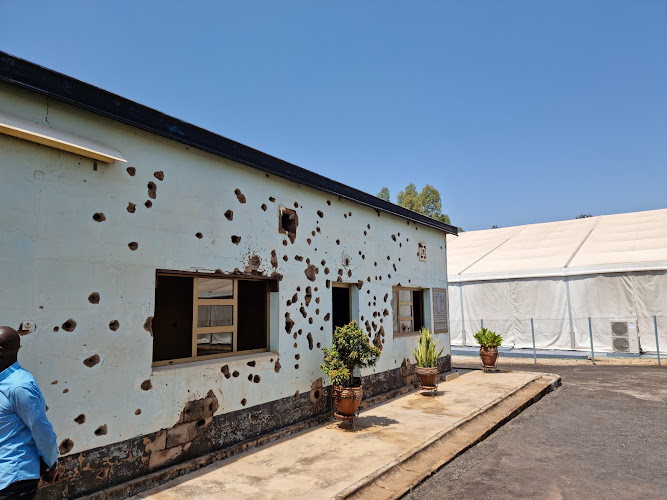
Belgian Peacekeepers Memorial
Find Accommodations Nearby
Recommended Tours & Activities
Visitor Reviews
There are no reviews yet. Be the first one to write one.
Share Your Experience
Have you visited Niyo Arts Center? Help other travelers by leaving a review.