Description
What strikes most people first is the calm. There’s this profound stillness that seems to wrap around the memorial grounds, almost as if the air itself is holding its breath. I remember walking through the site one warm afternoon, the sound of birds in the distance, and feeling an overwhelming sense of respect. It wasn’t sadness exactly—it was more like a deep awareness of what humanity is capable of, both in tragedy and in recovery.
The memorial’s design is simple but meaningful. It doesn’t overwhelm you with grand architecture or excessive symbolism. Instead, it lets the stories and the silence do the talking. The grounds are well-kept, with shaded areas where visitors can sit and reflect, and the university’s presence nearby gives it a unique atmosphere—one that balances remembrance with learning. It’s a space where young people study, laugh, and live, while just a few steps away, history whispers its lessons.
This blend of education and remembrance is what makes the AUCA Genocide Memorial Site stand out. It’s not as widely known as the Kigali Genocide Memorial, but that’s part of its charm. It feels personal, almost intimate, like you’ve stumbled upon a sacred space that many overlook. And that’s exactly why it’s worth visiting. It’s a place that doesn’t just tell a story—it asks you to listen.
Key Features
- Educational Focus: The memorial is located within a university campus, making it a living classroom for history, peacebuilding, and reconciliation.
- Peaceful Environment: The site offers serene gardens and quiet spaces ideal for contemplation and remembrance.
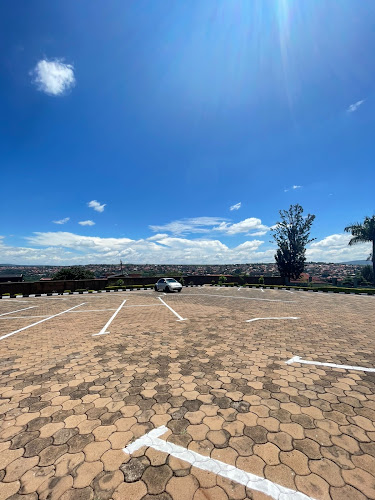
- Accessibility: Wheelchair-accessible entrances and parking make it inclusive for all visitors.
- Family-Friendly Amenities: There’s a playground and open areas nearby, allowing families to visit together and engage younger generations in meaningful conversations.
- Pet-Friendly: Dogs are allowed, making it a welcoming space for travelers exploring Kigali with their pets.
- Public Facilities: Clean restrooms and shaded seating areas enhance the visitor experience.
- Community Connection: The memorial often serves as a gathering point for educational programs and remembrance events.
I’ve always appreciated places that manage to balance solemn remembrance with accessibility and openness. The AUCA Memorial does this beautifully. It’s not just for historians or academics—it’s for anyone curious about Rwanda’s story, anyone who believes that remembering the past is essential to shaping a better future.
Best Time to Visit
Kigali enjoys a mild climate year-round, but if you’re planning a visit to the AUCA Genocide Memorial Site, the best time is during the dry seasons—from June to September and again from December to February. During these months, the weather is pleasantly warm, and the paths around the memorial are easier to walk without the occasional muddy patches that come with the rains.
That said, I once visited in April, right in the middle of the rainy season, and I have to admit there was something hauntingly beautiful about it. The rain made the air smell fresh, and the drops tapping softly on the memorial plaques added an unexpected rhythm to the silence. So honestly, there’s no wrong time to go—it just depends on what kind of experience you’re looking for. If you prefer bright skies and clear views, stick to the dry months. But if you don’t mind a little drizzle and want a quieter atmosphere, the rainy season has its own charm.
April also marks Rwanda’s official commemoration period for the genocide, known as Kwibuka. Visiting around this time can be deeply moving, as the entire nation comes together to remember. However, be prepared for a more emotional experience—one that’s powerful, humbling, and unforgettable.
How to Get There
Reaching the AUCA Genocide Memorial Site is relatively straightforward. It’s located within Kigali, which means it’s easily accessible from most parts of the city. If you’re staying downtown, it’s just a short drive—usually around 20 to 30 minutes depending on traffic. Taxis and ride-hailing apps like Yego or Move are widely available and affordable.
For those who prefer a bit of adventure, taking a moto-taxi (motorbike taxi) is a fun and quick way to get around Kigali. Just make sure to wear the helmet provided and agree on the fare before hopping on. Public buses also pass near the university, though they can be a bit tricky to navigate if you’re new to the city.
If you’re traveling as part of a tour, many local guides include the AUCA Memorial Site in their itineraries, often pairing it with visits to other historical landmarks in Kigali. And honestly, having a local guide can really enrich the experience—they bring context, personal stories, and perspectives that you just can’t get from reading plaques or brochures.
Tips for Visiting
Visiting a memorial like AUCA’s is both a personal and emotional experience, and a little preparation can make it even more meaningful. Here are some tips to help you make the most of your visit:
- Take Your Time: Don’t rush. Give yourself space to read, reflect, and simply sit in silence for a while. The memorial’s power lies in its quiet moments.
- Dress Respectfully: While there’s no strict dress code, modest clothing is appreciated out of respect for the site and its significance.
- Bring Water and Sunscreen: Kigali’s sun can be strong, especially around midday. Staying hydrated and protected will keep you comfortable.
- Go with an Open Heart: This isn’t just a place to learn facts—it’s a place to feel. Allow yourself to connect emotionally with the stories told here.
- Photography: Always ask before taking photos, particularly if there are ceremonies or groups visiting. Some areas may be designated as no-photo zones.
- Engage with Locals: If you meet students or staff around the campus, don’t hesitate to ask questions. Many are open to sharing insights about Rwanda’s history and progress.
- Combine with Other Sites: To gain a fuller picture of Rwanda’s journey, consider visiting the Kigali Genocide Memorial and other regional remembrance sites as well.
One thing I always remind travelers is that memorial visits can be emotionally heavy. Afterward, give yourself time to decompress. Maybe stop by a café nearby for a quiet cup of Rwandan coffee (which, by the way, is some of the best you’ll ever taste). Reflect, write a few notes, or just sit and watch daily life unfold around you. It’s a good reminder that while the past holds pain, the present carries hope.
The AUCA Genocide Memorial Site isn’t the kind of place you visit and forget. It stays with you—in the best way. It challenges you to think about compassion, forgiveness, and the importance of remembering. And in a world that often rushes past history, that’s something truly worth slowing down for.
So, if you find yourself in Kigali and you want to experience something deeply human, take a few hours to visit this memorial. It’s not flashy or crowded, but it’s real. It’s honest. And it’s one of those places that quietly changes how you see the world.
 Real Journey Travels