
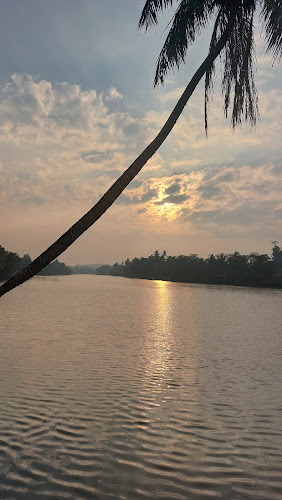
Nilwala River
About Nilwala River
Description
The Nilwala River flows majestically through southern Sri Lanka, carving its way through lush landscapes and rural villages before emptying into the Indian Ocean at Matara. Ya know what makes this river super special? It's not just any ordinary waterway – this 72-kilometer-long river has been the lifeblood of local communities for centuries. I've spent countless hours exploring its banks, and I gotta tell you, the scenes here are absolutely incredible.
The river starts its journey in the misty Rakwana hills and, as it winds its way down, creates some of the most stunning riverscapes I've ever laid eyes on. But here's the thing - it's not just about pretty views. This river is literally the backbone of the region's agriculture, supporting thousands of farmers who depend on its waters for their paddy fields and plantations.
Key Features
• Rich biodiversity including several species of fish and birds (and yep, those infamous crocodiles!) • Traditional fishing communities that still use age-old fishing methods • Historical flood control systems dating back centuries • Scenic riverbanks perfect for photography and nature walks • Important agricultural irrigation source for local farmers • Multiple bridges offering different vantage points • Natural habitats for various aquatic species • Cultural significance in local festivals and traditionsBest Time to Visit
From my experience, December through March is absolutely perfect for visiting the Nilwala River. The weather's just right - not too wet, not too hot. But honestly? I've been here during the monsoon season too (May to September), and while it can get pretty wet, there's something magical about seeing the river in its full force.
Early mornings are particularly special - that's when you'll catch local fishermen heading out in their traditional boats, and the mist hanging over the water creates this ethereal atmosphere that's just *chef's kiss*. If you're into photography, trust me, that's your golden hour right there.
How to Get There
Getting to the Nilwala River isn't too complicated, but you'll wanna plan ahead. From Colombo, you can take the Southern Expressway and exit at Matara - that's probably the easiest route. If you're feeling more adventurous (like I usually am), the coastal route along Galle Road offers some gorgeous views, though it takes longer.
Public transport's an option too - grab a bus heading to Matara from Colombo's main bus terminal. Once you're in Matara, the river's practically impossible to miss - it's literally the heart of the city. And hey, tuk-tuks are always around if you wanna explore different spots along the riverbank.
Tips for Visiting
Look, I've learned a few things the hard way during my visits, so lemme share some real talk. First off, those crocodiles aren't just local legends - they're real, so keep a safe distance from the water's edge, especially during dawn and dusk. Bring mosquito repellent - trust me on this one, those little buggers can be relentless!
If you're planning to photograph the river, morning light is your best friend. The way the sun hits the water is just... *chef's kiss*. Pack some water and snacks, cause once you start exploring, you might not wanna stop. And speaking of exploring, try to connect with locals - they know all the best spots and might even share some fascinating stories about the river's history.
Oh, and one more thing - if you're visiting during the monsoon season, keep an eye on weather reports. The river can rise pretty quickly, and while it's impressive to watch, safety first, right? Don't forget to respect local customs, especially if you're near temples or fishing spots - this river means a lot to the community.
Key Features
- Key Features
- Best Time to Visit
- How to Get There
- Tips for Visiting
More Details
Updated June 13, 2025
Table of Contents
Description
The Nilwala River flows majestically through southern Sri Lanka, carving its way through lush landscapes and rural villages before emptying into the Indian Ocean at Matara. Ya know what makes this river super special? It’s not just any ordinary waterway – this 72-kilometer-long river has been the lifeblood of local communities for centuries. I’ve spent countless hours exploring its banks, and I gotta tell you, the scenes here are absolutely incredible.
The river starts its journey in the misty Rakwana hills and, as it winds its way down, creates some of the most stunning riverscapes I’ve ever laid eyes on. But here’s the thing – it’s not just about pretty views. This river is literally the backbone of the region’s agriculture, supporting thousands of farmers who depend on its waters for their paddy fields and plantations.
Key Features
• Rich biodiversity including several species of fish and birds (and yep, those infamous crocodiles!)
• Traditional fishing communities that still use age-old fishing methods
• Historical flood control systems dating back centuries
• Scenic riverbanks perfect for photography and nature walks
• Important agricultural irrigation source for local farmers
• Multiple bridges offering different vantage points
• Natural habitats for various aquatic species
• Cultural significance in local festivals and traditions
Best Time to Visit
From my experience, December through March is absolutely perfect for visiting the Nilwala River. The weather’s just right – not too wet, not too hot. But honestly? I’ve been here during the monsoon season too (May to September), and while it can get pretty wet, there’s something magical about seeing the river in its full force.
Early mornings are particularly special – that’s when you’ll catch local fishermen heading out in their traditional boats, and the mist hanging over the water creates this ethereal atmosphere that’s just *chef’s kiss*. If you’re into photography, trust me, that’s your golden hour right there.
How to Get There
Getting to the Nilwala River isn’t too complicated, but you’ll wanna plan ahead. From Colombo, you can take the Southern Expressway and exit at Matara – that’s probably the easiest route. If you’re feeling more adventurous (like I usually am), the coastal route along Galle Road offers some gorgeous views, though it takes longer.
Public transport’s an option too – grab a bus heading to Matara from Colombo’s main bus terminal. Once you’re in Matara, the river’s practically impossible to miss – it’s literally the heart of the city. And hey, tuk-tuks are always around if you wanna explore different spots along the riverbank.
Tips for Visiting
Look, I’ve learned a few things the hard way during my visits, so lemme share some real talk. First off, those crocodiles aren’t just local legends – they’re real, so keep a safe distance from the water’s edge, especially during dawn and dusk. Bring mosquito repellent – trust me on this one, those little buggers can be relentless!
If you’re planning to photograph the river, morning light is your best friend. The way the sun hits the water is just… *chef’s kiss*. Pack some water and snacks, cause once you start exploring, you might not wanna stop. And speaking of exploring, try to connect with locals – they know all the best spots and might even share some fascinating stories about the river’s history.
Oh, and one more thing – if you’re visiting during the monsoon season, keep an eye on weather reports. The river can rise pretty quickly, and while it’s impressive to watch, safety first, right? Don’t forget to respect local customs, especially if you’re near temples or fishing spots – this river means a lot to the community.
Key Highlights
- Key Features
- Best Time to Visit
- How to Get There
- Tips for Visiting
Location
Places to Stay Near Nilwala River
Find and Book a Tour
Explore More Travel Guides
No reviews found! Be the first to review!
Traveler Reviews for Nilwala River
There are no reviews yet. Be the first one to write one.
Have you visited Nilwala River? Help other travelers by sharing your review.
You Might Also Like
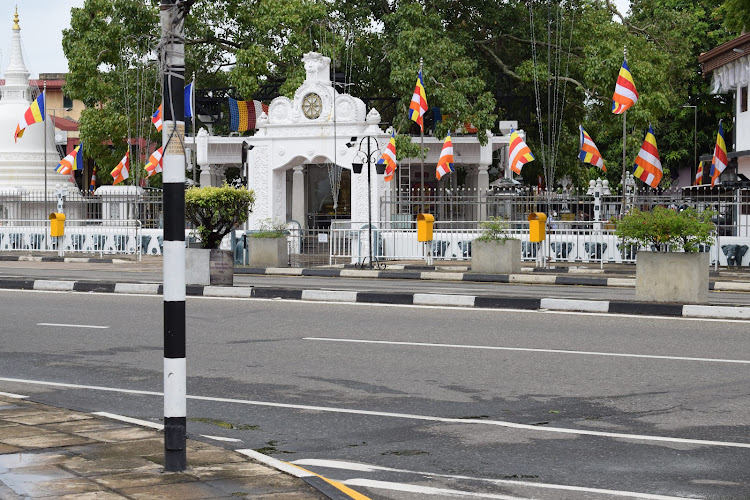
Matara Bodiya & Hakmana Road
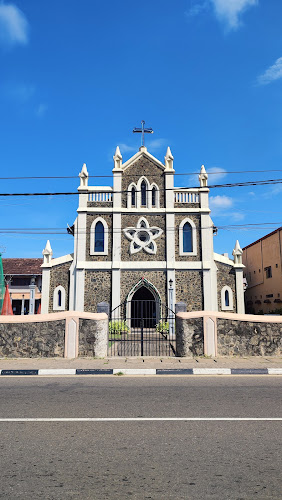
The Shrine of Our Lady of Matara
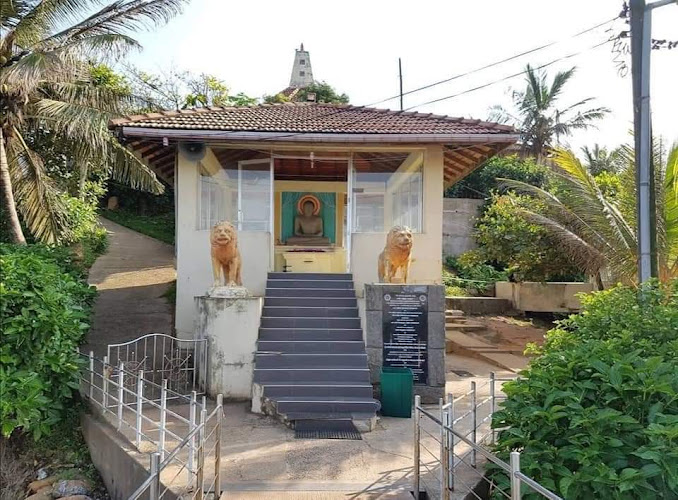
Parewi Duwa Temple
Find Accommodations Nearby
Recommended Tours & Activities
Visitor Reviews
There are no reviews yet. Be the first one to write one.
Share Your Experience
Have you visited Nilwala River? Help other travelers by leaving a review.