
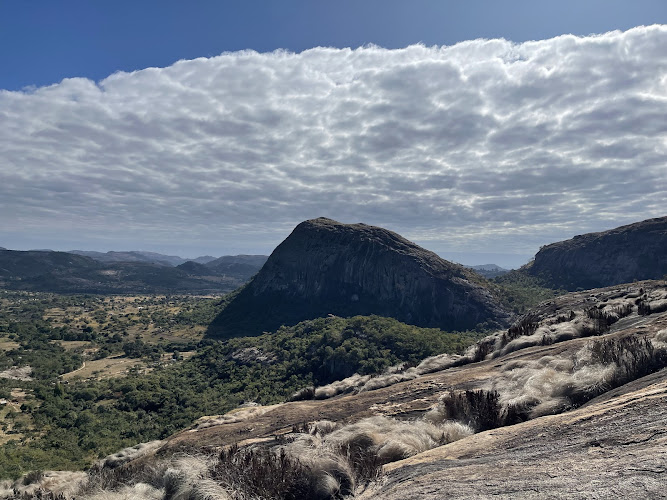
Ngomakurira Mountain
About Ngomakurira Mountain
Description
Ngomakurira Mountain, often affectionately called “Domboshava’s big brother,” is one of those places that quietly takes your breath away before you even realize it. Located about 40 kilometers northeast of Harare, this granite giant rises out of the Chinamora Communal Lands like a sleeping guardian of history and spirituality. The name “Ngomakurira” loosely translates to “the sound of drums,” and honestly, it fits perfectly. When the wind sweeps across the rocks, it hums and echoes in a way that feels almost alive—like the mountain itself is whispering stories from centuries past.
This site isn’t just another hiking spot; it’s a sacred place for many locals. For generations, people have come here to pray, meditate, and hold traditional ceremonies, especially rainmaking rituals. You’ll often find small groups of worshippers dressed in white, singing softly as they climb to the top. It’s a beautiful reminder that Ngomakurira isn’t just a destination—it’s a living, breathing part of Zimbabwe’s cultural soul.
The mountain’s terrain is a mix of smooth granite slopes, shaded woodland trails, and ancient rock art sites that date back hundreds of years. Some of the paintings are faint now, weathered by time, but they still tell vivid stories of the San people who once called this place home. If you’re the kind of traveler who loves places that blend nature, history, and spirituality, Ngomakurira will speak to you in ways few places can.
Personally, I remember my first hike up there—it was one of those days when the air felt heavy with the scent of rain, and the granite shimmered like silver under the sun. I wasn’t in a rush. I wanted to take it all in: the distant chatter of birds, the rhythmic drumming from a prayer group somewhere higher up, and that strange, peaceful silence that settles in once you stop to breathe. There’s something grounding about it. It’s not just a mountain; it’s an experience that lingers with you long after you’ve left.
Key Features
- Ancient Rock Art: The mountain shelters centuries-old San paintings depicting animals, hunters, and spiritual symbols—an open-air gallery of prehistoric storytelling.
- Spiritual Significance: A sacred site for local communities, especially Zionist and apostolic groups who visit for prayer and meditation.
- Challenging Hikes: The trails range from gentle slopes to steep climbs, making it suitable for both casual walkers and experienced hikers.
- Panoramic Views: From the summit, you can see rolling granite hills, distant villages, and endless stretches of Zimbabwean countryside.
- Peaceful Atmosphere: Despite its popularity, it retains a tranquil charm—ideal for reflection or a quiet day out in nature.
- Local Culture: Visitors can often witness traditional ceremonies or interact with locals who share stories about the mountain’s history and meaning.
It’s worth mentioning that while most people absolutely love the place, a few find the hike tougher than expected or wish for better signage. Fair point. The trail can be a bit tricky in spots, especially after rain when the granite gets slick. But that’s all part of the adventure, right? Just bring good shoes, take your time, and you’ll be fine.
Best Time to Visit
If you can, aim to visit Ngomakurira between May and August. That’s the dry season in Zimbabwe, when the skies are clear and the temperatures are mild enough for long hikes without feeling like you’ve stepped into an oven. The mornings are crisp, the afternoons warm, and the sunsets—well, those are pure magic. The light hits the granite just right, turning it into this glowing amber color that’s impossible not to photograph (even if you’re not much of a photographer).
That said, there’s also something special about visiting just after the rains, around November or December. The grass is greener, the air smells fresh, and the streams trickle softly through the valleys. It’s a little more slippery underfoot, sure, but the reward is a landscape bursting with life. I once went in early December and ended up watching a troop of monkeys scampering across the rocks while a thunderstorm rolled in the distance. It’s those little moments that stick with you.
How to Get There
Getting to Ngomakurira is fairly straightforward if you’re coming from Harare. The drive takes about an hour, depending on traffic and your sense of adventure. You’ll head northeast through the Domboshawa area, passing small villages and roadside stalls selling fresh produce and handmade crafts. The last stretch is on a dirt road, which can get a bit bumpy, but it’s all part of the journey.
There’s a small entrance gate managed by the National Museums and Monuments of Zimbabwe, where you’ll pay a modest fee before heading up. Parking is available near the base, though it’s not paved, and the facilities are basic—don’t expect a full-service visitor center. Still, the simplicity adds to the charm. You’re here for the mountain, after all, not the amenities.
If you don’t have your own car, you can hire a local taxi or arrange transport through a Harare-based tour operator. Some even offer guided hikes, which can be a great way to learn more about the site’s history and cultural importance. Just make sure to confirm your ride back—mobile reception can be patchy up there.
Tips for Visiting
Here’s where a little insider advice goes a long way. I’ve learned (sometimes the hard way) that a great hike isn’t just about the trail—it’s about how you prepare for it. So, before you lace up your boots, keep these in mind:
- Start early: The sun gets pretty intense by midday, so it’s best to begin your climb in the morning. You’ll also have the place mostly to yourself for those first peaceful hours.
- Bring water and snacks: There are no shops or kiosks once you start hiking. A couple of bottles of water and some fruit or energy bars will do wonders.
- Wear proper shoes: The granite can be slippery, especially after rain. Hiking boots or shoes with good grip are a must.
- Respect the site: Remember, this mountain is sacred to many. Avoid loud music, littering, or disturbing prayer groups. It’s a shared space of reverence and beauty.
- Carry cash: Entrance fees are small but usually paid in cash. It’s Zimbabwe—sometimes card machines just don’t cooperate.
- Check the weather: If there’s rain in the forecast, delay your hike. The rock faces can turn treacherously slick in minutes.
- Take your time: Don’t rush to the top. Stop, breathe, look around. Some of the best views aren’t from the summit but halfway up, where the landscape opens like a giant canvas.
And here’s a small personal tip—bring a notebook or journal. There’s something about sitting on a warm rock, watching the horizon fade into gold, that makes you want to write things down. Maybe it’s the silence, maybe it’s the view, or maybe it’s just the feeling of being part of something ancient and enduring. Either way, Ngomakurira has a way of stirring thoughts you didn’t know you had.
For families, the mountain is surprisingly kid-friendly, as long as you keep an eye on the little ones near the steeper sections. The lower trails are gentle enough for children, and they’ll love spotting the rock art or chasing the tiny lizards that dart across the stones. It’s an easy way to get them off screens and into something real.
At the end of the day, Ngomakurira Mountain isn’t just a place to tick off your travel list—it’s a reminder of how landscapes can hold memory, faith, and beauty all at once. Whether you’re there for the hike, the history, or just to clear your head, you’ll leave feeling lighter somehow. And maybe, if you listen closely enough, you’ll hear those ancient drums too.
Key Features
- Key Features
- Best Time to Visit
- How to Get There
- Tips for Visiting
More Details
Updated December 1, 2025
Table of Contents
Description
Ngomakurira Mountain, often affectionately called “Domboshava’s big brother,” is one of those places that quietly takes your breath away before you even realize it. Located about 40 kilometers northeast of Harare, this granite giant rises out of the Chinamora Communal Lands like a sleeping guardian of history and spirituality. The name “Ngomakurira” loosely translates to “the sound of drums,” and honestly, it fits perfectly. When the wind sweeps across the rocks, it hums and echoes in a way that feels almost alive—like the mountain itself is whispering stories from centuries past.
This site isn’t just another hiking spot; it’s a sacred place for many locals. For generations, people have come here to pray, meditate, and hold traditional ceremonies, especially rainmaking rituals. You’ll often find small groups of worshippers dressed in white, singing softly as they climb to the top. It’s a beautiful reminder that Ngomakurira isn’t just a destination—it’s a living, breathing part of Zimbabwe’s cultural soul.
The mountain’s terrain is a mix of smooth granite slopes, shaded woodland trails, and ancient rock art sites that date back hundreds of years. Some of the paintings are faint now, weathered by time, but they still tell vivid stories of the San people who once called this place home. If you’re the kind of traveler who loves places that blend nature, history, and spirituality, Ngomakurira will speak to you in ways few places can.
Personally, I remember my first hike up there—it was one of those days when the air felt heavy with the scent of rain, and the granite shimmered like silver under the sun. I wasn’t in a rush. I wanted to take it all in: the distant chatter of birds, the rhythmic drumming from a prayer group somewhere higher up, and that strange, peaceful silence that settles in once you stop to breathe. There’s something grounding about it. It’s not just a mountain; it’s an experience that lingers with you long after you’ve left.
Key Features
- Ancient Rock Art: The mountain shelters centuries-old San paintings depicting animals, hunters, and spiritual symbols—an open-air gallery of prehistoric storytelling.
- Spiritual Significance: A sacred site for local communities, especially Zionist and apostolic groups who visit for prayer and meditation.
- Challenging Hikes: The trails range from gentle slopes to steep climbs, making it suitable for both casual walkers and experienced hikers.
- Panoramic Views: From the summit, you can see rolling granite hills, distant villages, and endless stretches of Zimbabwean countryside.
- Peaceful Atmosphere: Despite its popularity, it retains a tranquil charm—ideal for reflection or a quiet day out in nature.
- Local Culture: Visitors can often witness traditional ceremonies or interact with locals who share stories about the mountain’s history and meaning.
It’s worth mentioning that while most people absolutely love the place, a few find the hike tougher than expected or wish for better signage. Fair point. The trail can be a bit tricky in spots, especially after rain when the granite gets slick. But that’s all part of the adventure, right? Just bring good shoes, take your time, and you’ll be fine.
Best Time to Visit
If you can, aim to visit Ngomakurira between May and August. That’s the dry season in Zimbabwe, when the skies are clear and the temperatures are mild enough for long hikes without feeling like you’ve stepped into an oven. The mornings are crisp, the afternoons warm, and the sunsets—well, those are pure magic. The light hits the granite just right, turning it into this glowing amber color that’s impossible not to photograph (even if you’re not much of a photographer).
That said, there’s also something special about visiting just after the rains, around November or December. The grass is greener, the air smells fresh, and the streams trickle softly through the valleys. It’s a little more slippery underfoot, sure, but the reward is a landscape bursting with life. I once went in early December and ended up watching a troop of monkeys scampering across the rocks while a thunderstorm rolled in the distance. It’s those little moments that stick with you.
How to Get There
Getting to Ngomakurira is fairly straightforward if you’re coming from Harare. The drive takes about an hour, depending on traffic and your sense of adventure. You’ll head northeast through the Domboshawa area, passing small villages and roadside stalls selling fresh produce and handmade crafts. The last stretch is on a dirt road, which can get a bit bumpy, but it’s all part of the journey.
There’s a small entrance gate managed by the National Museums and Monuments of Zimbabwe, where you’ll pay a modest fee before heading up. Parking is available near the base, though it’s not paved, and the facilities are basic—don’t expect a full-service visitor center. Still, the simplicity adds to the charm. You’re here for the mountain, after all, not the amenities.
If you don’t have your own car, you can hire a local taxi or arrange transport through a Harare-based tour operator. Some even offer guided hikes, which can be a great way to learn more about the site’s history and cultural importance. Just make sure to confirm your ride back—mobile reception can be patchy up there.
Tips for Visiting
Here’s where a little insider advice goes a long way. I’ve learned (sometimes the hard way) that a great hike isn’t just about the trail—it’s about how you prepare for it. So, before you lace up your boots, keep these in mind:
- Start early: The sun gets pretty intense by midday, so it’s best to begin your climb in the morning. You’ll also have the place mostly to yourself for those first peaceful hours.
- Bring water and snacks: There are no shops or kiosks once you start hiking. A couple of bottles of water and some fruit or energy bars will do wonders.
- Wear proper shoes: The granite can be slippery, especially after rain. Hiking boots or shoes with good grip are a must.
- Respect the site: Remember, this mountain is sacred to many. Avoid loud music, littering, or disturbing prayer groups. It’s a shared space of reverence and beauty.
- Carry cash: Entrance fees are small but usually paid in cash. It’s Zimbabwe—sometimes card machines just don’t cooperate.
- Check the weather: If there’s rain in the forecast, delay your hike. The rock faces can turn treacherously slick in minutes.
- Take your time: Don’t rush to the top. Stop, breathe, look around. Some of the best views aren’t from the summit but halfway up, where the landscape opens like a giant canvas.
And here’s a small personal tip—bring a notebook or journal. There’s something about sitting on a warm rock, watching the horizon fade into gold, that makes you want to write things down. Maybe it’s the silence, maybe it’s the view, or maybe it’s just the feeling of being part of something ancient and enduring. Either way, Ngomakurira has a way of stirring thoughts you didn’t know you had.
For families, the mountain is surprisingly kid-friendly, as long as you keep an eye on the little ones near the steeper sections. The lower trails are gentle enough for children, and they’ll love spotting the rock art or chasing the tiny lizards that dart across the stones. It’s an easy way to get them off screens and into something real.
At the end of the day, Ngomakurira Mountain isn’t just a place to tick off your travel list—it’s a reminder of how landscapes can hold memory, faith, and beauty all at once. Whether you’re there for the hike, the history, or just to clear your head, you’ll leave feeling lighter somehow. And maybe, if you listen closely enough, you’ll hear those ancient drums too.
Key Highlights
- Key Features
- Best Time to Visit
- How to Get There
- Tips for Visiting
Location
Places to Stay Near Ngomakurira Mountain
Find and Book a Tour
Explore More Travel Guides
No reviews found! Be the first to review!
Traveler Reviews for Ngomakurira Mountain
There are no reviews yet. Be the first one to write one.
Have you visited Ngomakurira Mountain? Help other travelers by sharing your review.
You Might Also Like
Find Accommodations Nearby
Recommended Tours & Activities
Visitor Reviews
There are no reviews yet. Be the first one to write one.
Share Your Experience
Have you visited Ngomakurira Mountain? Help other travelers by leaving a review.