About Newarke Houses Museum

Description

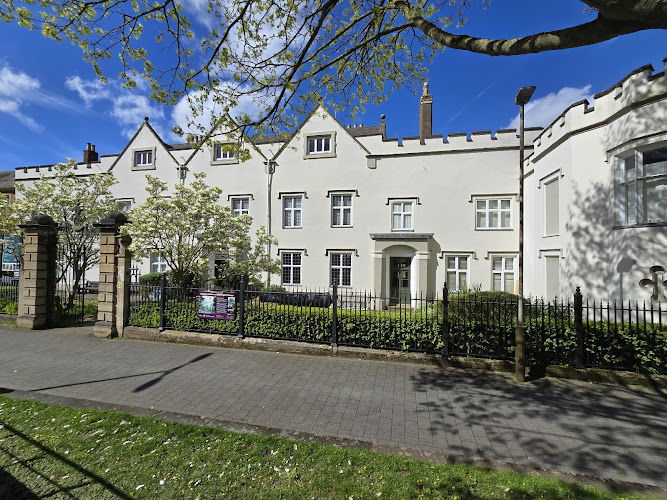
The Newarke Houses Museum offers travelers a genuinely immersive journey through Leicester's fascinating past, and honestly, it's one of those places that surprises you in the best way possible. Housed within two beautifully preserved historic buildings, this museum tells the story of Leicester and its people through centuries of change, war, and everyday life. And when I say it's more than just your typical walk-through-glass-cases experience, I mean it. What makes this place special is how it brings history to life through interactive exhibitions that don't talk down to visitors. You're not just reading plaques on walls here. The museum focuses heavily on social history, which means you get to see how real people actually lived, worked, and survived through different eras. The Royal Leicestershire Regiment collection is particularly moving, offering insight into the lives of soldiers who served from the area across multiple conflicts. But here's the thing that caught me off guard - the historic gardens. Most people don't expect a museum to have outdoor spaces that are worth spending time in, but the gardens at Newarke Houses are genuinely lovely. They've been restored to reflect different historical periods, and during warmer months they provide this peaceful escape right in the middle of the city. It's the kind of place where you can sit for a bit and actually process what you've just seen inside. The museum sits in Leicester's cultural quarter, which has been quietly transforming over recent years. You'll find yourself in an area rich with medieval history, surrounded by other significant sites that tell the broader story of this often-overlooked English city. The buildings themselves date back to the 16th century, and just walking through their rooms gives you this tangible connection to the past that's hard to replicate.

Key Features

  • Two interconnected historic houses dating from different periods, giving visitors the chance to see how architecture and domestic life evolved over centuries
  • Interactive exhibitions focused on Leicester's social history, including recreated period rooms that show how different classes of people lived from Victorian times through the 20th century
  • Extensive Royal Leicestershire Regiment collection featuring uniforms, medals, personal letters, and artifacts that chronicle the regiment's service from formation through to amalgamation
  • Restored historic gardens designed to represent different time periods, offering a peaceful outdoor component that's rare for city museums
  • Hands-on displays and activities particularly suited for families, though adults traveling solo will find plenty to engage with as well
  • Regular temporary exhibitions that dive deeper into specific aspects of local history, from Leicester's industrial heritage to personal stories of immigration and community
  • Free admission, which is increasingly rare and makes this an accessible option for budget-conscious travelers
  • Collection of everyday objects that illuminate how ordinary people lived - things like toys, household items, and clothing that major museums often overlook
  • Memorial gardens dedicated to those who served in various conflicts, providing a contemplative space for reflection
  • Educational programs and workshops that run throughout the year, though these are primarily aimed at school groups rather than general visitors

Best Time to Visit

Timing your visit to Newarke Houses Museum really depends on what kind of experience you're after. The gardens are obviously at their best between late spring and early autumn - roughly May through September - when everything's in bloom and you can actually enjoy sitting outside. I'd say June and July are particularly nice if you want to combine the indoor exhibitions with outdoor exploration. That said, visiting during the quieter winter months has its own appeal. The museum sees fewer crowds from November through February, meaning you can take your time with the exhibitions without feeling rushed or fighting for space in the smaller rooms. There's something atmospheric about exploring these old houses during grey English weather anyway - it somehow feels more authentic to the historical experience. Weekday mornings are generally your best bet if you want to avoid school groups and weekend crowds. The museum opens at 11am most days, and arriving right at opening gives you at least an hour or two of relative peace before things pick up. School holidays can get busy, particularly during the summer break and around Easter, so if you're sensitive to noise and chaos, maybe plan around those periods. The museum also hosts special events throughout the year - heritage weekends, remembrance ceremonies, and seasonal activities. These can be worth timing your visit around if you're interested in deeper engagement with specific topics. But honestly, even on a random Tuesday afternoon, there's enough here to warrant a solid two to three hour visit. Weather doesn't matter as much as you might think since most of the experience is indoors, but again, if you want to appreciate the gardens properly, don't come during a typical English downpour. Check the forecast if the outdoor spaces are important to your visit.

How to Get There

Getting to Newarke Houses Museum is straightforward enough, though Leicester's city center layout can be a bit confusing if it's your first time. The museum sits fairly close to Leicester's main attractions, making it easy to combine with other sightseeing. If you're arriving by train, Leicester Railway Station is about a 15-minute walk away. It's not the most scenic walk you'll ever take, but it's flat and well-signposted once you know you're heading toward the city center and then the cultural quarter. Just head north through the city center, and you'll find the museum near the Magazine Gateway, which is this striking medieval stone archway that's hard to miss. For those driving, parking in Leicester city center can be challenging and expensive. There are several multi-story car parks within reasonable walking distance, but honestly, I'd recommend using park and ride facilities if you're coming from outside the city. The St Margaret's car park is probably your closest option if you insist on driving into the center, but expect to pay typical city parking rates. Local bus services run frequently to the city center from various parts of Leicester and surrounding areas. The Newarke Houses Museum is within easy walking distance of most central bus stops. If you're staying anywhere in Leicester itself, you'll likely find a direct bus route that gets you close enough for a short walk. The museum is also accessible by bicycle, and Leicester has been improving its cycling infrastructure in recent years. There are bike racks available near the museum entrance. Walking from other Leicester attractions is often the easiest option. From the Cathedral or Guildhall, it's less than ten minutes on foot. The area forms part of a compact heritage trail that many visitors follow, so you'll probably find yourself naturally flowing between sites anyway.

Tips for Visiting

First things first - admission is free, but they do appreciate donations. The museum relies on visitor contributions to maintain the collections and buildings, so if you've enjoyed your visit, dropping something in the donation box helps ensure it stays open for future travelers. Give yourself more time than you think you'll need. I know everyone says that about museums, but seriously, if you actually engage with the exhibitions rather than just skimming through, you're looking at two to three hours minimum. And that's before you factor in the gardens. People who rush through in 45 minutes are missing the point entirely. The museum layout can be slightly confusing because you're moving between two separate buildings with different floor levels and periods. Take a floor plan at the entrance if available, or don't be shy about asking staff for directions. I've gotten turned around in there myself more than once. Photography is generally allowed in most areas, but flash photography might be restricted in certain galleries to protect sensitive artifacts. Just check the signage or ask staff if you're unsure. Some of the period rooms create really atmospheric photos, particularly if you're into that sort of thing. Wear comfortable shoes. The buildings have original flooring in places, which means uneven surfaces and stairs that weren't designed with modern accessibility standards in mind. If you have mobility issues, speak with staff when you arrive - they can advise on the best route through the museum and which areas might be difficult to access. The museum has a small shop selling local history books, gifts, and souvenirs. It's worth a browse if you're interested in Leicester's history or looking for something more meaningful than typical tourist tat. They stock some excellent local history publications you won't find elsewhere. If you're traveling with children, pick up one of the family activity trails at the entrance. These self-guided worksheets keep kids engaged and help them focus on specific objects and stories rather than just running through the galleries. Though honestly, the interactive elements are engaging enough that most kids naturally get drawn in anyway. Toilets and basic facilities are available but remember this is a historic building, so don't expect modern shopping center standards. Everything's clean and functional, just not necessarily spacious or brand new. Consider combining your visit with the nearby Magazine Gateway and the sections of Leicester's old town walls. They're literally right there, and together they help paint a fuller picture of Leicester's medieval past. The whole area rewards exploration beyond just the museum itself. Staff members are generally knowledgeable and approachable. Don't hesitate to ask questions - they're often passionate about local history and happy to share insights that aren't covered in the exhibition labels. Some of my most interesting learning moments in museums have come from casual conversations with attendants who've worked there for years. Finally, check the website before visiting to see if any temporary exhibitions are running. These change regularly and often explore fascinating specific aspects of Leicester's history in depth. Timing your visit to coincide with a temporary exhibition that interests you can significantly enhance the overall experience.

Key Features

  • Two interconnected historic houses dating from different periods, giving visitors the chance to see how architecture and domestic life evolved over centuries
  • Interactive exhibitions focused on Leicester's social history, including recreated period rooms that show how different classes of people lived from Victorian times through the 20th century
  • Extensive Royal Leicestershire Regiment collection featuring uniforms, medals, personal letters, and artifacts that chronicle the regiment's service from formation through to amalgamation
  • Restored historic gardens designed to represent different time periods, offering a peaceful outdoor component that's rare for city museums
  • Hands-on displays and activities particularly suited for families, though adults traveling solo will find plenty to engage with as well
  • Regular temporary exhibitions that dive deeper into specific aspects of local history, from Leicester's industrial heritage to personal stories of immigration and community
  • Free admission, which is increasingly rare and makes this an accessible option for budget-conscious travelers
  • Collection of everyday objects that illuminate how ordinary people lived - things like toys, household items, and clothing that major museums often overlook

More Details

Updated January 18, 2026

Description

The Newarke Houses Museum offers travelers a genuinely immersive journey through Leicester’s fascinating past, and honestly, it’s one of those places that surprises you in the best way possible. Housed within two beautifully preserved historic buildings, this museum tells the story of Leicester and its people through centuries of change, war, and everyday life. And when I say it’s more than just your typical walk-through-glass-cases experience, I mean it.

What makes this place special is how it brings history to life through interactive exhibitions that don’t talk down to visitors. You’re not just reading plaques on walls here. The museum focuses heavily on social history, which means you get to see how real people actually lived, worked, and survived through different eras. The Royal Leicestershire Regiment collection is particularly moving, offering insight into the lives of soldiers who served from the area across multiple conflicts.

But here’s the thing that caught me off guard – the historic gardens. Most people don’t expect a museum to have outdoor spaces that are worth spending time in, but the gardens at Newarke Houses are genuinely lovely. They’ve been restored to reflect different historical periods, and during warmer months they provide this peaceful escape right in the middle of the city. It’s the kind of place where you can sit for a bit and actually process what you’ve just seen inside.

The museum sits in Leicester’s cultural quarter, which has been quietly transforming over recent years. You’ll find yourself in an area rich with medieval history, surrounded by other significant sites that tell the broader story of this often-overlooked English city. The buildings themselves date back to the 16th century, and just walking through their rooms gives you this tangible connection to the past that’s hard to replicate.

Key Features

  • Two interconnected historic houses dating from different periods, giving visitors the chance to see how architecture and domestic life evolved over centuries
  • Interactive exhibitions focused on Leicester’s social history, including recreated period rooms that show how different classes of people lived from Victorian times through the 20th century
  • Extensive Royal Leicestershire Regiment collection featuring uniforms, medals, personal letters, and artifacts that chronicle the regiment’s service from formation through to amalgamation
  • Restored historic gardens designed to represent different time periods, offering a peaceful outdoor component that’s rare for city museums
  • Hands-on displays and activities particularly suited for families, though adults traveling solo will find plenty to engage with as well
  • Regular temporary exhibitions that dive deeper into specific aspects of local history, from Leicester’s industrial heritage to personal stories of immigration and community
  • Free admission, which is increasingly rare and makes this an accessible option for budget-conscious travelers
  • Collection of everyday objects that illuminate how ordinary people lived – things like toys, household items, and clothing that major museums often overlook
  • Memorial gardens dedicated to those who served in various conflicts, providing a contemplative space for reflection
  • Educational programs and workshops that run throughout the year, though these are primarily aimed at school groups rather than general visitors

Best Time to Visit

Timing your visit to Newarke Houses Museum really depends on what kind of experience you’re after. The gardens are obviously at their best between late spring and early autumn – roughly May through September – when everything’s in bloom and you can actually enjoy sitting outside. I’d say June and July are particularly nice if you want to combine the indoor exhibitions with outdoor exploration.

That said, visiting during the quieter winter months has its own appeal. The museum sees fewer crowds from November through February, meaning you can take your time with the exhibitions without feeling rushed or fighting for space in the smaller rooms. There’s something atmospheric about exploring these old houses during grey English weather anyway – it somehow feels more authentic to the historical experience.

Weekday mornings are generally your best bet if you want to avoid school groups and weekend crowds. The museum opens at 11am most days, and arriving right at opening gives you at least an hour or two of relative peace before things pick up. School holidays can get busy, particularly during the summer break and around Easter, so if you’re sensitive to noise and chaos, maybe plan around those periods.

The museum also hosts special events throughout the year – heritage weekends, remembrance ceremonies, and seasonal activities. These can be worth timing your visit around if you’re interested in deeper engagement with specific topics. But honestly, even on a random Tuesday afternoon, there’s enough here to warrant a solid two to three hour visit.

Weather doesn’t matter as much as you might think since most of the experience is indoors, but again, if you want to appreciate the gardens properly, don’t come during a typical English downpour. Check the forecast if the outdoor spaces are important to your visit.

How to Get There

Getting to Newarke Houses Museum is straightforward enough, though Leicester’s city center layout can be a bit confusing if it’s your first time. The museum sits fairly close to Leicester’s main attractions, making it easy to combine with other sightseeing.

If you’re arriving by train, Leicester Railway Station is about a 15-minute walk away. It’s not the most scenic walk you’ll ever take, but it’s flat and well-signposted once you know you’re heading toward the city center and then the cultural quarter. Just head north through the city center, and you’ll find the museum near the Magazine Gateway, which is this striking medieval stone archway that’s hard to miss.

For those driving, parking in Leicester city center can be challenging and expensive. There are several multi-story car parks within reasonable walking distance, but honestly, I’d recommend using park and ride facilities if you’re coming from outside the city. The St Margaret’s car park is probably your closest option if you insist on driving into the center, but expect to pay typical city parking rates.

Local bus services run frequently to the city center from various parts of Leicester and surrounding areas. The Newarke Houses Museum is within easy walking distance of most central bus stops. If you’re staying anywhere in Leicester itself, you’ll likely find a direct bus route that gets you close enough for a short walk.

The museum is also accessible by bicycle, and Leicester has been improving its cycling infrastructure in recent years. There are bike racks available near the museum entrance.

Walking from other Leicester attractions is often the easiest option. From the Cathedral or Guildhall, it’s less than ten minutes on foot. The area forms part of a compact heritage trail that many visitors follow, so you’ll probably find yourself naturally flowing between sites anyway.

Tips for Visiting

First things first – admission is free, but they do appreciate donations. The museum relies on visitor contributions to maintain the collections and buildings, so if you’ve enjoyed your visit, dropping something in the donation box helps ensure it stays open for future travelers.

Give yourself more time than you think you’ll need. I know everyone says that about museums, but seriously, if you actually engage with the exhibitions rather than just skimming through, you’re looking at two to three hours minimum. And that’s before you factor in the gardens. People who rush through in 45 minutes are missing the point entirely.

The museum layout can be slightly confusing because you’re moving between two separate buildings with different floor levels and periods. Take a floor plan at the entrance if available, or don’t be shy about asking staff for directions. I’ve gotten turned around in there myself more than once.

Photography is generally allowed in most areas, but flash photography might be restricted in certain galleries to protect sensitive artifacts. Just check the signage or ask staff if you’re unsure. Some of the period rooms create really atmospheric photos, particularly if you’re into that sort of thing.

Wear comfortable shoes. The buildings have original flooring in places, which means uneven surfaces and stairs that weren’t designed with modern accessibility standards in mind. If you have mobility issues, speak with staff when you arrive – they can advise on the best route through the museum and which areas might be difficult to access.

The museum has a small shop selling local history books, gifts, and souvenirs. It’s worth a browse if you’re interested in Leicester’s history or looking for something more meaningful than typical tourist tat. They stock some excellent local history publications you won’t find elsewhere.

If you’re traveling with children, pick up one of the family activity trails at the entrance. These self-guided worksheets keep kids engaged and help them focus on specific objects and stories rather than just running through the galleries. Though honestly, the interactive elements are engaging enough that most kids naturally get drawn in anyway.

Toilets and basic facilities are available but remember this is a historic building, so don’t expect modern shopping center standards. Everything’s clean and functional, just not necessarily spacious or brand new.

Consider combining your visit with the nearby Magazine Gateway and the sections of Leicester’s old town walls. They’re literally right there, and together they help paint a fuller picture of Leicester’s medieval past. The whole area rewards exploration beyond just the museum itself.

Staff members are generally knowledgeable and approachable. Don’t hesitate to ask questions – they’re often passionate about local history and happy to share insights that aren’t covered in the exhibition labels. Some of my most interesting learning moments in museums have come from casual conversations with attendants who’ve worked there for years.

Finally, check the website before visiting to see if any temporary exhibitions are running. These change regularly and often explore fascinating specific aspects of Leicester’s history in depth. Timing your visit to coincide with a temporary exhibition that interests you can significantly enhance the overall experience.

Key Highlights

  • Two interconnected historic houses dating from different periods, giving visitors the chance to see how architecture and domestic life evolved over centuries
  • Interactive exhibitions focused on Leicester's social history, including recreated period rooms that show how different classes of people lived from Victorian times through the 20th century
  • Extensive Royal Leicestershire Regiment collection featuring uniforms, medals, personal letters, and artifacts that chronicle the regiment's service from formation through to amalgamation
  • Restored historic gardens designed to represent different time periods, offering a peaceful outdoor component that's rare for city museums
  • Hands-on displays and activities particularly suited for families, though adults traveling solo will find plenty to engage with as well
  • Regular temporary exhibitions that dive deeper into specific aspects of local history, from Leicester's industrial heritage to personal stories of immigration and community
  • Free admission, which is increasingly rare and makes this an accessible option for budget-conscious travelers
  • Collection of everyday objects that illuminate how ordinary people lived – things like toys, household items, and clothing that major museums often overlook

Location

Places to Stay Near Newarke Houses Museum

Find and Book a Tour

Explore More Travel Guides

No reviews found! Be the first to review!

Traveler Reviews for Newarke Houses Museum

There are no reviews yet. Be the first one to write one.

Share Your Experience

Have you visited Newarke Houses Museum? Help other travelers by sharing your review.

Find Accommodations Nearby

Recommended Tours & Activities

Visitor Reviews

There are no reviews yet. Be the first one to write one.

Share Your Experience

Have you visited Newarke Houses Museum? Help other travelers by leaving a review.