Retro Computer Museum
About Retro Computer Museum
Description
The Retro Computer Museum stands as a testament to how far technology has traveled in just a few decades, and honestly, it's pretty mind-blowing when you see it all laid out in one place. This nonprofit institution houses an impressive collection of computers and gaming consoles spanning from the 1960s right up to more recent decades, creating a timeline that'll make anyone who grew up during the early computing era feel simultaneously old and nostalgic. Walking through these halls feels like stepping into a time machine, except instead of a DeLorean, you're surrounded by beige plastic boxes that once represented the cutting edge of human innovation. I remember my uncle showing me his old Commodore 64 when I was a kid, and seeing similar machines displayed here brought back memories of those chunky keyboards and the endless patience required to load programs from cassette tapes. The museum doesn't just focus on computers though. Their gaming console collection is particularly impressive, showcasing the evolution of home entertainment from simple Pong-style systems to the sophisticated machines that paved the way for today's gaming industry. And the best part? Many of these exhibits aren't just for looking at. The museum includes a functioning arcade where visitors can actually play vintage games, experiencing firsthand what passed for entertainment before smartphones and high-definition graphics. Beyond the main exhibition space, there's also a specialized library for those who want to dive deeper into computing history or research specific aspects of technological development. It's the kind of place where tech enthusiasts can genuinely geek out over technical manuals and documentation that most people would find drier than week-old toast.Key Features
The museum offers several standout elements that make it worth visiting, whether you're a hardcore tech enthusiast or just someone looking for an interesting afternoon activity:- Extensive computer collection ranging from massive mainframe-era machines to early personal computers that revolutionized how people worked and played
- Gaming console exhibit featuring systems from multiple generations, including rare and obscure models you won't find in typical museums
- Fully functional arcade area where visitors can play classic games on original hardware - not emulations or reproductions
- Specialized research library containing technical documentation, manuals, magazines, and historical materials about computing history
- Family-friendly environment that appeals to both kids discovering retro tech for the first time and adults reliving their youth
- Wheelchair accessible throughout, with accessible parking, entrance, and restroom facilities
- Gender-neutral restroom options available for all visitors
- Free parking on-site, which is honestly becoming rarer than a working Atari Jaguar these days
- Hands-on exhibits that let you interact with technology rather than just staring at it behind glass
- Knowledgeable staff and volunteers who actually lived through many of these technological eras and can share personal stories
Best Time to Visit
Timing your visit to the Retro Computer Museum can make a significant difference in your experience. Weekday mornings tend to be the quietest times, perfect if you're the type who likes to read every placard and really absorb the information without crowds rushing you along. But honestly, the museum never gets overwhelmingly packed like some major tourist attractions. Weekends naturally draw more families and local visitors, which actually adds to the atmosphere in some ways. There's something entertaining about watching kids try to figure out how to use a rotary phone or a joystick with a single button. Their confusion is hilarious and also makes you feel ancient. The museum occasionally hosts special events and themed days focusing on particular eras of computing or specific gaming systems. These events are absolutely worth planning around if you're interested in a specific topic. You'll get to meet other enthusiasts and sometimes even developers or engineers who worked on the original systems. Weather doesn't really factor into your visit since everything's indoors, which makes this an excellent rainy day destination. And unlike outdoor attractions, you won't be fighting with seasonal crowds or dealing with extreme temperatures. Getting tickets in advance is recommended according to their policies, though this seems to be more about helping them manage visitor flow than any actual capacity issues. It takes literally five minutes to book online, so there's no real reason not to do it before you arrive. If you're planning a visit during school vacation periods or holiday weekends, expect slightly larger crowds. But we're talking "moderately busy" not "Disney World in July" levels here.How to Get There
The museum's accessibility makes it reasonably straightforward to reach whether you're driving or using alternative transportation methods. For those coming by car, the free parking lot is a major convenience that shouldn't be underestimated - especially if you've spent any time visiting museums in major cities where parking can cost more than admission. The facility is wheelchair accessible with designated parking spaces close to the entrance, and the entire museum has been designed with accessibility in mind. This isn't one of those older buildings that's been awkwardly retrofitted with a single wheelchair ramp as an afterthought. If you're relying on public transportation or ride-sharing services, you'll want to plan your route in advance based on your specific location. The drop-off area is clearly marked and easy to find. For travelers coming from out of town, the museum makes a great addition to a broader itinerary. It's the sort of attraction that works well as a half-day activity, leaving you time to explore other nearby destinations or grab a meal at local restaurants. Speaking of which, the museum itself doesn't have an on-site restaurant, so plan accordingly if you're visiting during meal times. I'd suggest allowing yourself at least two to three hours to properly explore the collection, though serious enthusiasts could easily spend an entire day here. The arcade alone can eat up more time than you'd expect, especially if you get competitive with whoever you're traveling with.Tips for Visiting
Here's where I share some practical advice that'll help you make the most of your museum experience. First off, wear comfortable shoes. I know that sounds obvious, but you'll be doing more standing and walking than you might expect, especially if you're the type who gets absorbed in reading exhibit descriptions and examining details. Bring your phone or camera because you'll absolutely want photos. The visual contrast between different computing eras is striking when you see them side by side, and these make great social media content if you're into that sort of thing. Plus, your friends who work in tech will appreciate seeing what their industry looked like before Silicon Valley became synonymous with hoodies and venture capital. If you're visiting with kids, prepare them for the fact that "old" technology won't work the same way modern devices do. Young children who've grown up with touchscreens sometimes find physical keyboards and joysticks genuinely confusing. It's educational in an unexpected way. The arcade section uses tokens or a similar system for game play, so check the current policy when you arrive. Having some small bills or change ready can save time, though they likely have change machines available. Don't skip the library section just because it sounds boring. Even if you're not planning to do serious research, browsing through old computer magazines and catalogs provides fascinating insight into how people thought about technology in different eras. The advertisements alone are worth the visit. Engage with the staff and volunteers. Many of them have personal connections to the technology on display and can share stories you won't find on any informational placard. I've found that museum volunteers at specialized institutions like this one are often incredibly passionate and knowledgeable. Plan your visit around having enough time to really explore rather than rushing through. This isn't the kind of museum where you can speed-walk through and claim you've "seen it." The value comes from taking time to appreciate how each technological advancement built on what came before. If you have any vintage computers or gaming equipment gathering dust in your attic, consider asking about donation opportunities. Nonprofit museums like this one often rely on donations to expand their collections, and your old junk might be their historical treasure. Finally, check their website or call ahead to confirm hours and any special requirements before making the trip. Museum schedules can change, and advance tickets are recommended anyway. Nothing's worse than driving an hour to find a closed door because you didn't verify the information first. The Retro Computer Museum offers something genuinely unique - a chance to see technological history preserved and accessible in ways that future generations might not have. Whether you're an old-school gamer, a tech professional interested in industry history, or just someone looking for an interesting and educational outing, this museum delivers an experience that's both nostalgic and enlightening.Key Features
- Extensive computer collection ranging from massive mainframe-era machines to early personal computers that revolutionized how people worked and played
- Gaming console exhibit featuring systems from multiple generations, including rare and obscure models you won't find in typical museums
- Fully functional arcade area where visitors can play classic games on original hardware - not emulations or reproductions
- Specialized research library containing technical documentation, manuals, magazines, and historical materials about computing history
- Family-friendly environment that appeals to both kids discovering retro tech for the first time and adults reliving their youth
- Wheelchair accessible throughout, with accessible parking, entrance, and restroom facilities
- Gender-neutral restroom options available for all visitors
- Free parking on-site, which is honestly becoming rarer than a working Atari Jaguar these days
More Details
Updated January 18, 2026
Table of Contents
Description
The Retro Computer Museum stands as a testament to how far technology has traveled in just a few decades, and honestly, it’s pretty mind-blowing when you see it all laid out in one place. This nonprofit institution houses an impressive collection of computers and gaming consoles spanning from the 1960s right up to more recent decades, creating a timeline that’ll make anyone who grew up during the early computing era feel simultaneously old and nostalgic.
Walking through these halls feels like stepping into a time machine, except instead of a DeLorean, you’re surrounded by beige plastic boxes that once represented the cutting edge of human innovation. I remember my uncle showing me his old Commodore 64 when I was a kid, and seeing similar machines displayed here brought back memories of those chunky keyboards and the endless patience required to load programs from cassette tapes.
The museum doesn’t just focus on computers though. Their gaming console collection is particularly impressive, showcasing the evolution of home entertainment from simple Pong-style systems to the sophisticated machines that paved the way for today’s gaming industry. And the best part? Many of these exhibits aren’t just for looking at. The museum includes a functioning arcade where visitors can actually play vintage games, experiencing firsthand what passed for entertainment before smartphones and high-definition graphics.
Beyond the main exhibition space, there’s also a specialized library for those who want to dive deeper into computing history or research specific aspects of technological development. It’s the kind of place where tech enthusiasts can genuinely geek out over technical manuals and documentation that most people would find drier than week-old toast.
Key Features
The museum offers several standout elements that make it worth visiting, whether you’re a hardcore tech enthusiast or just someone looking for an interesting afternoon activity:
- Extensive computer collection ranging from massive mainframe-era machines to early personal computers that revolutionized how people worked and played
- Gaming console exhibit featuring systems from multiple generations, including rare and obscure models you won’t find in typical museums
- Fully functional arcade area where visitors can play classic games on original hardware – not emulations or reproductions
- Specialized research library containing technical documentation, manuals, magazines, and historical materials about computing history
- Family-friendly environment that appeals to both kids discovering retro tech for the first time and adults reliving their youth
- Wheelchair accessible throughout, with accessible parking, entrance, and restroom facilities
- Gender-neutral restroom options available for all visitors
- Free parking on-site, which is honestly becoming rarer than a working Atari Jaguar these days
- Hands-on exhibits that let you interact with technology rather than just staring at it behind glass
- Knowledgeable staff and volunteers who actually lived through many of these technological eras and can share personal stories
Best Time to Visit
Timing your visit to the Retro Computer Museum can make a significant difference in your experience. Weekday mornings tend to be the quietest times, perfect if you’re the type who likes to read every placard and really absorb the information without crowds rushing you along. But honestly, the museum never gets overwhelmingly packed like some major tourist attractions.
Weekends naturally draw more families and local visitors, which actually adds to the atmosphere in some ways. There’s something entertaining about watching kids try to figure out how to use a rotary phone or a joystick with a single button. Their confusion is hilarious and also makes you feel ancient.
The museum occasionally hosts special events and themed days focusing on particular eras of computing or specific gaming systems. These events are absolutely worth planning around if you’re interested in a specific topic. You’ll get to meet other enthusiasts and sometimes even developers or engineers who worked on the original systems.
Weather doesn’t really factor into your visit since everything’s indoors, which makes this an excellent rainy day destination. And unlike outdoor attractions, you won’t be fighting with seasonal crowds or dealing with extreme temperatures.
Getting tickets in advance is recommended according to their policies, though this seems to be more about helping them manage visitor flow than any actual capacity issues. It takes literally five minutes to book online, so there’s no real reason not to do it before you arrive.
If you’re planning a visit during school vacation periods or holiday weekends, expect slightly larger crowds. But we’re talking “moderately busy” not “Disney World in July” levels here.
How to Get There
The museum’s accessibility makes it reasonably straightforward to reach whether you’re driving or using alternative transportation methods. For those coming by car, the free parking lot is a major convenience that shouldn’t be underestimated – especially if you’ve spent any time visiting museums in major cities where parking can cost more than admission.
The facility is wheelchair accessible with designated parking spaces close to the entrance, and the entire museum has been designed with accessibility in mind. This isn’t one of those older buildings that’s been awkwardly retrofitted with a single wheelchair ramp as an afterthought.
If you’re relying on public transportation or ride-sharing services, you’ll want to plan your route in advance based on your specific location. The drop-off area is clearly marked and easy to find.
For travelers coming from out of town, the museum makes a great addition to a broader itinerary. It’s the sort of attraction that works well as a half-day activity, leaving you time to explore other nearby destinations or grab a meal at local restaurants. Speaking of which, the museum itself doesn’t have an on-site restaurant, so plan accordingly if you’re visiting during meal times.
I’d suggest allowing yourself at least two to three hours to properly explore the collection, though serious enthusiasts could easily spend an entire day here. The arcade alone can eat up more time than you’d expect, especially if you get competitive with whoever you’re traveling with.
Tips for Visiting
Here’s where I share some practical advice that’ll help you make the most of your museum experience. First off, wear comfortable shoes. I know that sounds obvious, but you’ll be doing more standing and walking than you might expect, especially if you’re the type who gets absorbed in reading exhibit descriptions and examining details.
Bring your phone or camera because you’ll absolutely want photos. The visual contrast between different computing eras is striking when you see them side by side, and these make great social media content if you’re into that sort of thing. Plus, your friends who work in tech will appreciate seeing what their industry looked like before Silicon Valley became synonymous with hoodies and venture capital.
If you’re visiting with kids, prepare them for the fact that “old” technology won’t work the same way modern devices do. Young children who’ve grown up with touchscreens sometimes find physical keyboards and joysticks genuinely confusing. It’s educational in an unexpected way.
The arcade section uses tokens or a similar system for game play, so check the current policy when you arrive. Having some small bills or change ready can save time, though they likely have change machines available.
Don’t skip the library section just because it sounds boring. Even if you’re not planning to do serious research, browsing through old computer magazines and catalogs provides fascinating insight into how people thought about technology in different eras. The advertisements alone are worth the visit.
Engage with the staff and volunteers. Many of them have personal connections to the technology on display and can share stories you won’t find on any informational placard. I’ve found that museum volunteers at specialized institutions like this one are often incredibly passionate and knowledgeable.
Plan your visit around having enough time to really explore rather than rushing through. This isn’t the kind of museum where you can speed-walk through and claim you’ve “seen it.” The value comes from taking time to appreciate how each technological advancement built on what came before.
If you have any vintage computers or gaming equipment gathering dust in your attic, consider asking about donation opportunities. Nonprofit museums like this one often rely on donations to expand their collections, and your old junk might be their historical treasure.
Finally, check their website or call ahead to confirm hours and any special requirements before making the trip. Museum schedules can change, and advance tickets are recommended anyway. Nothing’s worse than driving an hour to find a closed door because you didn’t verify the information first.
The Retro Computer Museum offers something genuinely unique – a chance to see technological history preserved and accessible in ways that future generations might not have. Whether you’re an old-school gamer, a tech professional interested in industry history, or just someone looking for an interesting and educational outing, this museum delivers an experience that’s both nostalgic and enlightening.
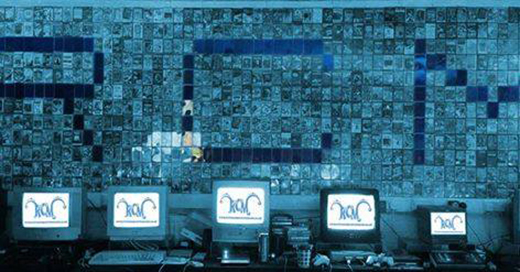
Key Highlights
- Extensive computer collection ranging from massive mainframe-era machines to early personal computers that revolutionized how people worked and played
- Gaming console exhibit featuring systems from multiple generations, including rare and obscure models you won't find in typical museums
- Fully functional arcade area where visitors can play classic games on original hardware – not emulations or reproductions
- Specialized research library containing technical documentation, manuals, magazines, and historical materials about computing history
- Family-friendly environment that appeals to both kids discovering retro tech for the first time and adults reliving their youth
- Wheelchair accessible throughout, with accessible parking, entrance, and restroom facilities
- Gender-neutral restroom options available for all visitors
- Free parking on-site, which is honestly becoming rarer than a working Atari Jaguar these days
Location
Places to Stay Near Retro Computer Museum
Find and Book a Tour
Explore More Travel Guides
No reviews found! Be the first to review!
Traveler Reviews for Retro Computer Museum
There are no reviews yet. Be the first one to write one.
Have you visited Retro Computer Museum? Help other travelers by sharing your review.
Find Accommodations Nearby
Recommended Tours & Activities
Visitor Reviews
There are no reviews yet. Be the first one to write one.
Share Your Experience
Have you visited Retro Computer Museum? Help other travelers by leaving a review.
