
Neendakara Port
About Neendakara Port
Description
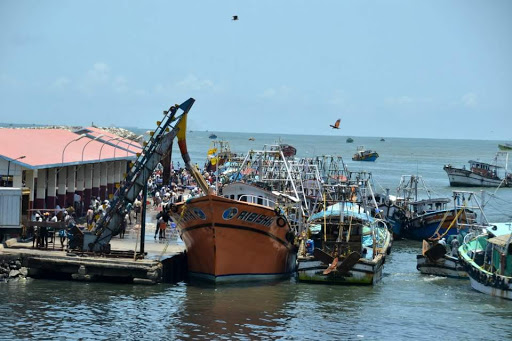
Neendakara Port is not a glossy postcard destination, and honestly, that’s its charm. This working fishing port on the Arabian Sea shows Kerala at its most honest—busy, salty, loud, and sometimes a bit messy. It functions primarily as a fishing harbor, but travelers who wander in often leave with a deeper understanding of coastal life rather than just a few photos. The port plays a key role in Kerala’s marine economy, handling thousands of tonnes of fish every year and supporting a massive community of fishermen, traders, ice plant workers, and transporters.
From early morning, long before most tourists wake up, Neendakara is already alive. Boats return from night fishing, engines coughing, hulls heavy with sardines, mackerel, tuna, and sometimes shrimp. And yes, the smell hits you first. But give it a minute. That sharp, fishy air fades into the background, replaced by something more interesting—the rhythm of commerce, shouted negotiations, clanking metal baskets, and seabirds fighting over scraps like they own the place.
What makes Neendakara Port stand out for travelers is that it doesn’t perform for visitors. There’s no attempt to sanitize or stage anything. You are stepping into real life. And real life includes wet floors, chaotic traffic of handcarts, and workers who look at you curiously but keep doing their job. Some visitors love that rawness. Others feel overwhelmed. Both reactions are fair.
The port also holds historical weight. It has long been one of the most important fishing hubs in southern Kerala, particularly after the introduction of mechanized fishing. Over time, ice plants, processing units, and export facilities grew around it, turning Neendakara into a nerve center for seafood trade. If you’ve ever eaten Kerala fish curry in another part of India or even abroad, chances are the fish passed through a place like this.
And then there’s the sea itself. Stand near the harbor mouth and watch waves roll in, boats lining up to enter, fishermen scanning the water with tired eyes. It’s oddly calming, despite the chaos behind you. I remember standing there once, shoes damp, thinking how travel doesn’t always need comfort. Sometimes it just needs honesty.
Key Features
- One of Kerala’s major mechanized fishing ports with daily boat landings
- Early-morning fish auctions that are intense, fast, and fascinating to watch
- A wide variety of seafood including sardines, mackerel, tuna, anchovies, and shrimp
- Strong connection to local livelihoods, employing thousands directly and indirectly
- Unfiltered look at coastal working life rather than a tourist-friendly setup
- Constant activity, especially between 4:30 am and 9:00 am
- Seabird activity that photographers quietly obsess over
- Proximity to beaches and backwater stretches, making it easy to pair with other stops
Best Time to Visit
If timing matters anywhere, it’s here. The best time to visit Neendakara Port is early morning. And when I say early, I mean it. Between 5:00 am and 8:00 am is when the port is at its peak. Boats are unloading, auctions are in full swing, and the entire place feels electric. Arrive later in the day and you’ll still see activity, but it’s more spread out, less dramatic.
Season-wise, the months from October to March are generally easier for travelers. The weather is kinder, humidity slightly forgiving, and fishing activity is consistent. During the monsoon months, especially June to August, fishing bans and rough seas reduce activity. Some people like the quieter mood then, but if you’re visiting specifically to see the port in action, avoid those weeks.
Also worth noting—this is not a sunset spot in the romantic sense. Sunrises, yes. Golden light bouncing off wet decks and silver fish scales is something else. Sunsets tend to be more subdued here, with fewer boats and less movement.
How to Get There
Neendakara Port is well connected by road and fairly easy to reach if you’re already exploring southern Kerala. The nearest major town is Kollam, and from there, local transport options are plenty. Buses run frequently, and auto-rickshaws know the port well. Just say “Neendakara harbor” and you’ll be understood.
For those coming from farther away, the nearest railway station is Kollam Junction. From the station, it’s a straightforward drive. Travelers using cabs should plan to arrive early, as some drivers hesitate to enter the port area during peak hours due to congestion. Walking the last stretch can actually be faster—and more interesting.
If you’re driving yourself, patience is key. Roads near the port can get clogged, especially in the morning. Parking isn’t neatly marked, and you may need to ask locals where it’s okay to leave your vehicle. They’re usually helpful, even if the directions come with wild hand gestures and half sentences.
Tips for Visiting
First thing first—dress for the place, not for photos. Wear clothes you don’t mind getting dirty and footwear that can handle wet, slippery surfaces. This isn’t a place for white sneakers. I learned that the hard way once and spent the rest of the day smelling like fish and regret.
Be respectful. You are a guest in someone’s workplace. Don’t block paths, don’t touch the fish unless invited, and always ask before taking close-up photos of people. Some fishermen are fine with it. Others aren’t. Read the room.
Carry cash in small denominations if you plan to buy fish. And yes, visitors can buy fish, though it helps to bring a local friend or at least observe how things work before jumping in. Prices move fast, negotiations are loud, and hesitation can cost you.
If you’re sensitive to smells, bring a scarf or mask. But also know that after ten minutes, your brain kind of gives up and accepts it. Human bodies are weird like that.
Travelers interested in food should plan their visit alongside a cooking experience or homestay. Seeing where the fish comes from and then eating it a few hours later hits different. It connects dots in a way guidebooks never manage.
And finally, don’t rush. Neendakara Port isn’t about ticking a box. Spend time observing the small things—the teamwork on a boat, the way prices are shouted and agreed upon in seconds, the quiet pride in a good catch. It may not be pretty in the traditional sense, but it stays with you. And that, for many travelers, is the whole point.
Key Features
- One of Kerala’s major mechanized fishing ports with daily boat landings
- Early-morning fish auctions that are intense, fast, and fascinating to watch
- A wide variety of seafood including sardines, mackerel, tuna, anchovies, and shrimp
- Strong connection to local livelihoods, employing thousands directly and indirectly
- Unfiltered look at coastal working life rather than a tourist-friendly setup
- Constant activity, especially between 4:30 am and 9:00 am
- Seabird activity that photographers quietly obsess over
- Proximity to beaches and backwater stretches, making it easy to pair with other stops
More Details
Updated January 1, 2026
Table of Contents
Description
Neendakara Port is not a glossy postcard destination, and honestly, that’s its charm. This working fishing port on the Arabian Sea shows Kerala at its most honest—busy, salty, loud, and sometimes a bit messy. It functions primarily as a fishing harbor, but travelers who wander in often leave with a deeper understanding of coastal life rather than just a few photos. The port plays a key role in Kerala’s marine economy, handling thousands of tonnes of fish every year and supporting a massive community of fishermen, traders, ice plant workers, and transporters.
From early morning, long before most tourists wake up, Neendakara is already alive. Boats return from night fishing, engines coughing, hulls heavy with sardines, mackerel, tuna, and sometimes shrimp. And yes, the smell hits you first. But give it a minute. That sharp, fishy air fades into the background, replaced by something more interesting—the rhythm of commerce, shouted negotiations, clanking metal baskets, and seabirds fighting over scraps like they own the place.
What makes Neendakara Port stand out for travelers is that it doesn’t perform for visitors. There’s no attempt to sanitize or stage anything. You are stepping into real life. And real life includes wet floors, chaotic traffic of handcarts, and workers who look at you curiously but keep doing their job. Some visitors love that rawness. Others feel overwhelmed. Both reactions are fair.
The port also holds historical weight. It has long been one of the most important fishing hubs in southern Kerala, particularly after the introduction of mechanized fishing. Over time, ice plants, processing units, and export facilities grew around it, turning Neendakara into a nerve center for seafood trade. If you’ve ever eaten Kerala fish curry in another part of India or even abroad, chances are the fish passed through a place like this.
And then there’s the sea itself. Stand near the harbor mouth and watch waves roll in, boats lining up to enter, fishermen scanning the water with tired eyes. It’s oddly calming, despite the chaos behind you. I remember standing there once, shoes damp, thinking how travel doesn’t always need comfort. Sometimes it just needs honesty.
Key Features
- One of Kerala’s major mechanized fishing ports with daily boat landings
- Early-morning fish auctions that are intense, fast, and fascinating to watch
- A wide variety of seafood including sardines, mackerel, tuna, anchovies, and shrimp
- Strong connection to local livelihoods, employing thousands directly and indirectly
- Unfiltered look at coastal working life rather than a tourist-friendly setup
- Constant activity, especially between 4:30 am and 9:00 am
- Seabird activity that photographers quietly obsess over
- Proximity to beaches and backwater stretches, making it easy to pair with other stops
Best Time to Visit
If timing matters anywhere, it’s here. The best time to visit Neendakara Port is early morning. And when I say early, I mean it. Between 5:00 am and 8:00 am is when the port is at its peak. Boats are unloading, auctions are in full swing, and the entire place feels electric. Arrive later in the day and you’ll still see activity, but it’s more spread out, less dramatic.
Season-wise, the months from October to March are generally easier for travelers. The weather is kinder, humidity slightly forgiving, and fishing activity is consistent. During the monsoon months, especially June to August, fishing bans and rough seas reduce activity. Some people like the quieter mood then, but if you’re visiting specifically to see the port in action, avoid those weeks.
Also worth noting—this is not a sunset spot in the romantic sense. Sunrises, yes. Golden light bouncing off wet decks and silver fish scales is something else. Sunsets tend to be more subdued here, with fewer boats and less movement.
How to Get There
Neendakara Port is well connected by road and fairly easy to reach if you’re already exploring southern Kerala. The nearest major town is Kollam, and from there, local transport options are plenty. Buses run frequently, and auto-rickshaws know the port well. Just say “Neendakara harbor” and you’ll be understood.
For those coming from farther away, the nearest railway station is Kollam Junction. From the station, it’s a straightforward drive. Travelers using cabs should plan to arrive early, as some drivers hesitate to enter the port area during peak hours due to congestion. Walking the last stretch can actually be faster—and more interesting.
If you’re driving yourself, patience is key. Roads near the port can get clogged, especially in the morning. Parking isn’t neatly marked, and you may need to ask locals where it’s okay to leave your vehicle. They’re usually helpful, even if the directions come with wild hand gestures and half sentences.
Tips for Visiting
First thing first—dress for the place, not for photos. Wear clothes you don’t mind getting dirty and footwear that can handle wet, slippery surfaces. This isn’t a place for white sneakers. I learned that the hard way once and spent the rest of the day smelling like fish and regret.
Be respectful. You are a guest in someone’s workplace. Don’t block paths, don’t touch the fish unless invited, and always ask before taking close-up photos of people. Some fishermen are fine with it. Others aren’t. Read the room.
Carry cash in small denominations if you plan to buy fish. And yes, visitors can buy fish, though it helps to bring a local friend or at least observe how things work before jumping in. Prices move fast, negotiations are loud, and hesitation can cost you.
If you’re sensitive to smells, bring a scarf or mask. But also know that after ten minutes, your brain kind of gives up and accepts it. Human bodies are weird like that.
Travelers interested in food should plan their visit alongside a cooking experience or homestay. Seeing where the fish comes from and then eating it a few hours later hits different. It connects dots in a way guidebooks never manage.
And finally, don’t rush. Neendakara Port isn’t about ticking a box. Spend time observing the small things—the teamwork on a boat, the way prices are shouted and agreed upon in seconds, the quiet pride in a good catch. It may not be pretty in the traditional sense, but it stays with you. And that, for many travelers, is the whole point.
Key Highlights
- One of Kerala’s major mechanized fishing ports with daily boat landings
- Early-morning fish auctions that are intense, fast, and fascinating to watch
- A wide variety of seafood including sardines, mackerel, tuna, anchovies, and shrimp
- Strong connection to local livelihoods, employing thousands directly and indirectly
- Unfiltered look at coastal working life rather than a tourist-friendly setup
- Constant activity, especially between 4:30 am and 9:00 am
- Seabird activity that photographers quietly obsess over
- Proximity to beaches and backwater stretches, making it easy to pair with other stops
Location
Places to Stay Near Neendakara Port
Find and Book a Tour
Explore More Travel Guides
No reviews found! Be the first to review!
Traveler Reviews for Neendakara Port
There are no reviews yet. Be the first one to write one.
Have you visited Neendakara Port? Help other travelers by sharing your review.
You Might Also Like
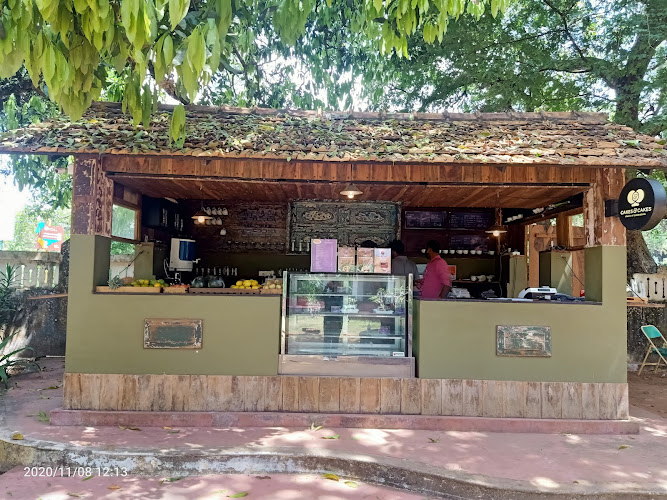
8Point ArtCafe
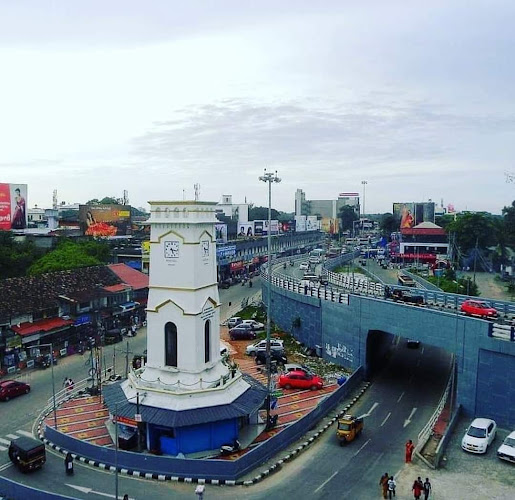
Chinnakada Clock Tower
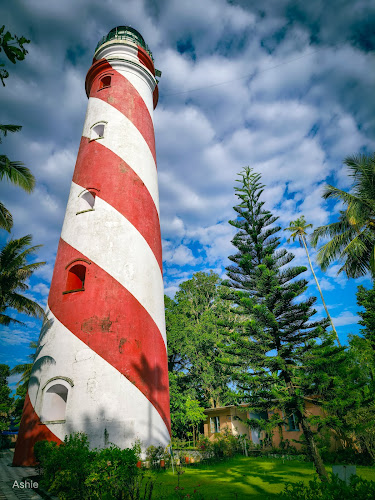
Thangassery Light House
Find Accommodations Nearby
Recommended Tours & Activities
Visitor Reviews
There are no reviews yet. Be the first one to write one.
Share Your Experience
Have you visited Neendakara Port? Help other travelers by leaving a review.