
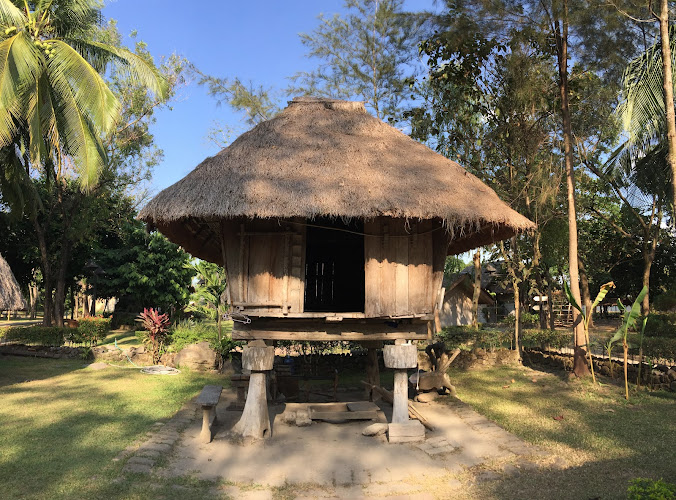
Nayong Pilipino Clark
About Nayong Pilipino Clark
Description
Nayong Pilipino Clark stands as a cultural theme park that takes visitors on an immersive journey through the Philippines' rich history and diverse heritage. Located in Clark, Pampanga, this attraction offers travelers a unique opportunity to experience the entire archipelago in one place without having to island-hop across the country's 7,641 islands. The park showcases detailed replicas of traditional Filipino houses from various regions, each telling its own story about the communities that built them and the lives lived within their walls. I've always been fascinated by how some places can capture the essence of an entire nation, and this park does exactly that. You'll find authentic reproductions of ancestral homes, from the iconic Ifugao fale to the stately bahay na bato of the Spanish colonial era. The museum component adds depth to the experience, housing artifacts and exhibits that trace the country's journey from pre-colonial times through Spanish occupation, American rule, and into modern independence. What makes Nayong Pilipino Clark particularly special is its commitment to preserving cultural practices that might otherwise fade into history. The park regularly hosts traditional performances and demonstrations that bring Filipino customs to life in ways that textbooks simply can't match. And honestly, there's something profound about watching skilled artisans practice crafts that have been passed down through generations. The park underwent significant renovation efforts to enhance visitor experience and preserve the structures. While some visitors have noted that certain areas still show signs of wear or are undergoing continuous improvement, many find the authentic atmosphere and educational value well worth the visit. It's not Disneyland—nor is it trying to be—and that's precisely what gives it character.Key Features
The park's attractions offer diverse experiences that appeal to history enthusiasts, families, and curious travelers alike:- Regional house replicas representing different Philippine provinces and ethnic groups, constructed using traditional methods and materials
- A comprehensive museum featuring historical artifacts, photographs, and interactive displays chronicling Filipino heritage
- Live cultural performances showcasing traditional dances, music, and theatrical presentations from various regions
- Artisan workshops where skilled craftspeople demonstrate indigenous techniques in weaving, pottery, and other traditional arts
- Landscaped gardens featuring native Philippine plants and trees that provide shade and natural beauty throughout the grounds
- Photo opportunities at iconic Filipino architectural landmarks recreated in miniature scale
- Educational programs and guided tours that provide context and stories behind the exhibits
- Open-air layouts that allow for a self-paced exploration experience suited to different visitor interests
- Cultural immersion activities where visitors can try on traditional clothing or participate in age-old customs
- Souvenir shops offering locally-made handicrafts and products that support Filipino artisans
Best Time to Visit
Timing your visit to Nayong Pilipino Clark can significantly impact your experience. The cooler months from November through February provide the most comfortable weather for walking around the outdoor exhibits. During these months, you won't be battling the intense heat that characterizes the Philippine summer, which typically runs from March to May. But here's the thing—if you visit during the hot season, you'll encounter fewer crowds, which means more personal space to appreciate the exhibits and better photo opportunities without strangers in your shots. Just bring a good hat, sunscreen, and plenty of water. I'd recommend starting early in the morning, around 9 AM when the park opens, to maximize cooler hours. Weekdays generally offer a more peaceful experience compared to weekends when local families and school groups tend to visit. If you're someone who prefers a quieter, more contemplative visit, Tuesday through Thursday would be your sweet spot. However, weekend visits often coincide with special cultural performances and demonstrations, so there's a trade-off to consider. The rainy season from June to October brings its own challenges, with afternoon downpours being fairly common. Yet the post-rain atmosphere can be magical, with fresh air and lush greenery that photographs beautifully. Plus, the park's covered areas and museum sections provide shelter during sudden showers. Special Filipino holidays and festivals can transform the park into an even more lively cultural celebration. Independence Day in June, for example, often features enhanced programming and special events. National Arts Month in February also brings additional cultural demonstrations and exhibits.How to Get There
Getting to Nayong Pilipino Clark is relatively straightforward, especially if you're already in the Central Luzon region. The park sits within the Clark Freeport Zone, which is approximately 80 kilometers north of Manila—about a two-hour drive depending on traffic conditions. For travelers coming from Manila, the most convenient option involves taking a bus from various terminals like Cubao, Pasay, or nearby areas. Victory Liner and other bus companies operate regular routes to Clark and Angeles City. Just inform the conductor you're headed to Nayong Pilipino Clark, and they'll typically drop you at a nearby point where you can catch a tricycle or taxi for the final leg. If you're driving yourself, take the North Luzon Expressway (NLEX) and exit at the Clark North or Clark South exits. The park is well-signposted once you're within the Freeport Zone. Parking is available on-site, though spaces can fill up during weekends and holidays. Taxi or ride-sharing services from Manila are another option, though admittedly more expensive. The advantage is door-to-door convenience without dealing with transfers. If you're splitting the cost among several travel companions, it becomes more economical. For international travelers or those coming from other Philippine regions, Clark International Airport is just a short ride away—roughly 10 to 15 minutes by car. This makes the park an excellent first or last stop on a Philippine itinerary. Many visitors combine their trip with other Clark attractions or use it as a jumping-off point for exploring Pampanga province. Local tricycles are readily available within Clark for short-distance travel, and drivers are generally familiar with the park's location. Just negotiate the fare before departing to avoid misunderstandings.Tips for Visiting
Planning ahead can transform a good visit into a great one. First off, wear comfortable walking shoes—seriously, this isn't the place for flip-flops or fashion sandals. You'll be covering considerable ground on various surfaces, and your feet will thank you for proper footwear. Bring enough cash because while some vendors might accept cards, cash remains king in many parts of the park. There are ATMs in the broader Clark area, but you don't want to waste time searching for one when you could be exploring. The sun in the Philippines is no joke, even during cooler months. A wide-brimmed hat, sunglasses, and high-SPF sunscreen are essential unless you fancy resembling a lobster by day's end. And because I learned this the hard way—reapply that sunscreen every few hours. Consider hiring a guide if you're genuinely interested in understanding the cultural and historical significance of what you're seeing. Self-guided exploration is fine, but a knowledgeable guide can share stories and details that aren't on any placard. The relatively small additional cost adds tremendous value to the educational experience. Pack light snacks and water, though there are food options available within or near the park. Staying hydrated is crucial, especially if you're visiting during warmer months. A small backpack with essentials is perfect for keeping your hands free while exploring. Photography enthusiasts should bring proper equipment, as the park offers countless photogenic scenes. Early morning or late afternoon light creates the best conditions for capturing the architectural details and landscapes. But remember, some indoor museum areas might have photography restrictions, so always check before snapping away. Allocate at least three to four hours for a thorough visit. Rushing through defeats the purpose of cultural immersion. If you're particularly interested in history or architecture, you could easily spend an entire day here without exhausting all there is to see and learn. Check the park's schedule before visiting to catch any special performances or demonstrations. These events often happen at specific times and add considerable depth to the experience. Missing a traditional dance performance or artisan demonstration would be a shame if it was scheduled during your visit. Respect the cultural exhibits by not climbing on structures or touching delicate artifacts unless explicitly permitted. These replicas and items represent important cultural heritage, and preserving them for future visitors matters. Finally, keep an open mind and heart. Nayong Pilipino Clark isn't a polished commercial theme park—it's a cultural preservation effort with all the imperfections and authenticity that entails. Some areas might need maintenance, and facilities might not match modern mall standards. But the genuine attempt to preserve and share Filipino heritage makes up for any shortcomings in infrastructure. You're here to learn, experience, and connect with a culture that spans thousands of years and hundreds of distinct communities.Key Features
- Miniature and replica displays of iconic Philippine landmarks
- Recreated indigenous village exhibits representing regional cultures
- Cultural performances and occasional live demonstrations
- Photo-friendly themed areas and architectural replicas
- Located within Clark Freeport Zone with easy access from Angeles/Clark
More Details
Updated January 18, 2026
Table of Contents
Description
Nayong Pilipino Clark stands as a cultural theme park that takes visitors on an immersive journey through the Philippines’ rich history and diverse heritage. Located in Clark, Pampanga, this attraction offers travelers a unique opportunity to experience the entire archipelago in one place without having to island-hop across the country’s 7,641 islands. The park showcases detailed replicas of traditional Filipino houses from various regions, each telling its own story about the communities that built them and the lives lived within their walls.
I’ve always been fascinated by how some places can capture the essence of an entire nation, and this park does exactly that. You’ll find authentic reproductions of ancestral homes, from the iconic Ifugao fale to the stately bahay na bato of the Spanish colonial era. The museum component adds depth to the experience, housing artifacts and exhibits that trace the country’s journey from pre-colonial times through Spanish occupation, American rule, and into modern independence.
What makes Nayong Pilipino Clark particularly special is its commitment to preserving cultural practices that might otherwise fade into history. The park regularly hosts traditional performances and demonstrations that bring Filipino customs to life in ways that textbooks simply can’t match. And honestly, there’s something profound about watching skilled artisans practice crafts that have been passed down through generations.
The park underwent significant renovation efforts to enhance visitor experience and preserve the structures. While some visitors have noted that certain areas still show signs of wear or are undergoing continuous improvement, many find the authentic atmosphere and educational value well worth the visit. It’s not Disneyland—nor is it trying to be—and that’s precisely what gives it character.
Key Features
The park’s attractions offer diverse experiences that appeal to history enthusiasts, families, and curious travelers alike:
- Regional house replicas representing different Philippine provinces and ethnic groups, constructed using traditional methods and materials
- A comprehensive museum featuring historical artifacts, photographs, and interactive displays chronicling Filipino heritage
- Live cultural performances showcasing traditional dances, music, and theatrical presentations from various regions
- Artisan workshops where skilled craftspeople demonstrate indigenous techniques in weaving, pottery, and other traditional arts
- Landscaped gardens featuring native Philippine plants and trees that provide shade and natural beauty throughout the grounds
- Photo opportunities at iconic Filipino architectural landmarks recreated in miniature scale
- Educational programs and guided tours that provide context and stories behind the exhibits
- Open-air layouts that allow for a self-paced exploration experience suited to different visitor interests
- Cultural immersion activities where visitors can try on traditional clothing or participate in age-old customs
- Souvenir shops offering locally-made handicrafts and products that support Filipino artisans
Best Time to Visit
Timing your visit to Nayong Pilipino Clark can significantly impact your experience. The cooler months from November through February provide the most comfortable weather for walking around the outdoor exhibits. During these months, you won’t be battling the intense heat that characterizes the Philippine summer, which typically runs from March to May.
But here’s the thing—if you visit during the hot season, you’ll encounter fewer crowds, which means more personal space to appreciate the exhibits and better photo opportunities without strangers in your shots. Just bring a good hat, sunscreen, and plenty of water. I’d recommend starting early in the morning, around 9 AM when the park opens, to maximize cooler hours.
Weekdays generally offer a more peaceful experience compared to weekends when local families and school groups tend to visit. If you’re someone who prefers a quieter, more contemplative visit, Tuesday through Thursday would be your sweet spot. However, weekend visits often coincide with special cultural performances and demonstrations, so there’s a trade-off to consider.
The rainy season from June to October brings its own challenges, with afternoon downpours being fairly common. Yet the post-rain atmosphere can be magical, with fresh air and lush greenery that photographs beautifully. Plus, the park’s covered areas and museum sections provide shelter during sudden showers.
Special Filipino holidays and festivals can transform the park into an even more lively cultural celebration. Independence Day in June, for example, often features enhanced programming and special events. National Arts Month in February also brings additional cultural demonstrations and exhibits.
How to Get There
Getting to Nayong Pilipino Clark is relatively straightforward, especially if you’re already in the Central Luzon region. The park sits within the Clark Freeport Zone, which is approximately 80 kilometers north of Manila—about a two-hour drive depending on traffic conditions.
For travelers coming from Manila, the most convenient option involves taking a bus from various terminals like Cubao, Pasay, or nearby areas. Victory Liner and other bus companies operate regular routes to Clark and Angeles City. Just inform the conductor you’re headed to Nayong Pilipino Clark, and they’ll typically drop you at a nearby point where you can catch a tricycle or taxi for the final leg.
If you’re driving yourself, take the North Luzon Expressway (NLEX) and exit at the Clark North or Clark South exits. The park is well-signposted once you’re within the Freeport Zone. Parking is available on-site, though spaces can fill up during weekends and holidays.
Taxi or ride-sharing services from Manila are another option, though admittedly more expensive. The advantage is door-to-door convenience without dealing with transfers. If you’re splitting the cost among several travel companions, it becomes more economical.
For international travelers or those coming from other Philippine regions, Clark International Airport is just a short ride away—roughly 10 to 15 minutes by car. This makes the park an excellent first or last stop on a Philippine itinerary. Many visitors combine their trip with other Clark attractions or use it as a jumping-off point for exploring Pampanga province.
Local tricycles are readily available within Clark for short-distance travel, and drivers are generally familiar with the park’s location. Just negotiate the fare before departing to avoid misunderstandings.
Tips for Visiting
Planning ahead can transform a good visit into a great one. First off, wear comfortable walking shoes—seriously, this isn’t the place for flip-flops or fashion sandals. You’ll be covering considerable ground on various surfaces, and your feet will thank you for proper footwear.
Bring enough cash because while some vendors might accept cards, cash remains king in many parts of the park. There are ATMs in the broader Clark area, but you don’t want to waste time searching for one when you could be exploring.
The sun in the Philippines is no joke, even during cooler months. A wide-brimmed hat, sunglasses, and high-SPF sunscreen are essential unless you fancy resembling a lobster by day’s end. And because I learned this the hard way—reapply that sunscreen every few hours.
Consider hiring a guide if you’re genuinely interested in understanding the cultural and historical significance of what you’re seeing. Self-guided exploration is fine, but a knowledgeable guide can share stories and details that aren’t on any placard. The relatively small additional cost adds tremendous value to the educational experience.
Pack light snacks and water, though there are food options available within or near the park. Staying hydrated is crucial, especially if you’re visiting during warmer months. A small backpack with essentials is perfect for keeping your hands free while exploring.
Photography enthusiasts should bring proper equipment, as the park offers countless photogenic scenes. Early morning or late afternoon light creates the best conditions for capturing the architectural details and landscapes. But remember, some indoor museum areas might have photography restrictions, so always check before snapping away.
Allocate at least three to four hours for a thorough visit. Rushing through defeats the purpose of cultural immersion. If you’re particularly interested in history or architecture, you could easily spend an entire day here without exhausting all there is to see and learn.
Check the park’s schedule before visiting to catch any special performances or demonstrations. These events often happen at specific times and add considerable depth to the experience. Missing a traditional dance performance or artisan demonstration would be a shame if it was scheduled during your visit.
Respect the cultural exhibits by not climbing on structures or touching delicate artifacts unless explicitly permitted. These replicas and items represent important cultural heritage, and preserving them for future visitors matters.
Finally, keep an open mind and heart. Nayong Pilipino Clark isn’t a polished commercial theme park—it’s a cultural preservation effort with all the imperfections and authenticity that entails. Some areas might need maintenance, and facilities might not match modern mall standards. But the genuine attempt to preserve and share Filipino heritage makes up for any shortcomings in infrastructure. You’re here to learn, experience, and connect with a culture that spans thousands of years and hundreds of distinct communities.
Key Highlights
- Miniature and replica displays of iconic Philippine landmarks
- Recreated indigenous village exhibits representing regional cultures
- Cultural performances and occasional live demonstrations
- Photo-friendly themed areas and architectural replicas
- Located within Clark Freeport Zone with easy access from Angeles/Clark
Location
Places to Stay Near Nayong Pilipino Clark
Find and Book a Tour
Explore More Travel Guides
No reviews found! Be the first to review!
Traveler Reviews for Nayong Pilipino Clark
There are no reviews yet. Be the first one to write one.
Have you visited Nayong Pilipino Clark? Help other travelers by sharing your review.
Nearby Attractions
You Might Also Like
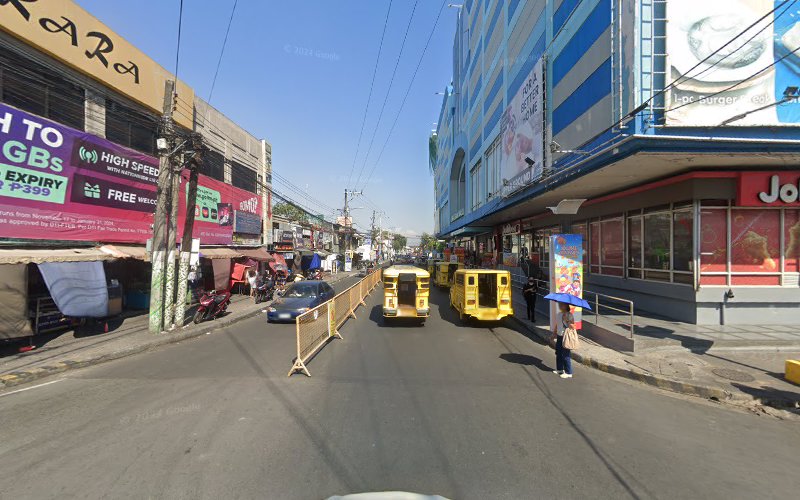
Angeles City Zero Kilometer
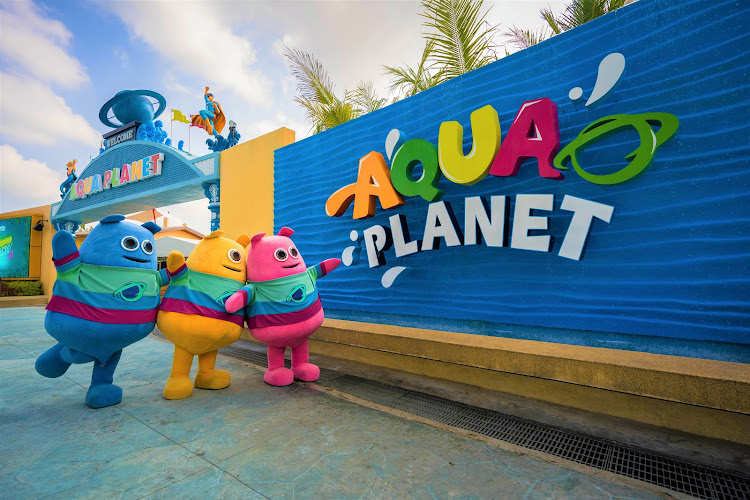
Clark Aqua Planet
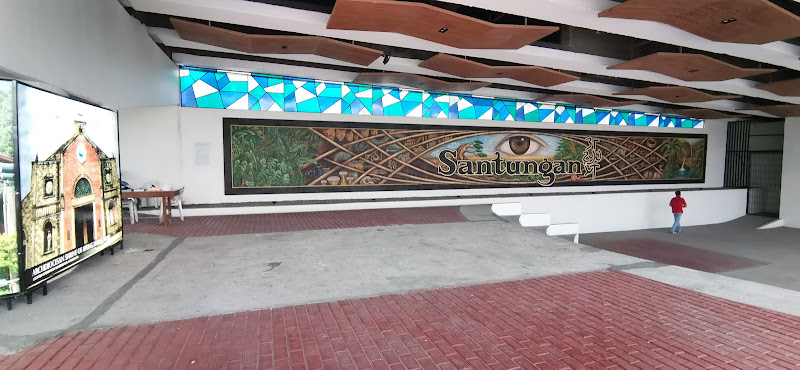
Santungan
Find Accommodations Nearby
Recommended Tours & Activities
Visitor Reviews
There are no reviews yet. Be the first one to write one.
Share Your Experience
Have you visited Nayong Pilipino Clark? Help other travelers by leaving a review.