
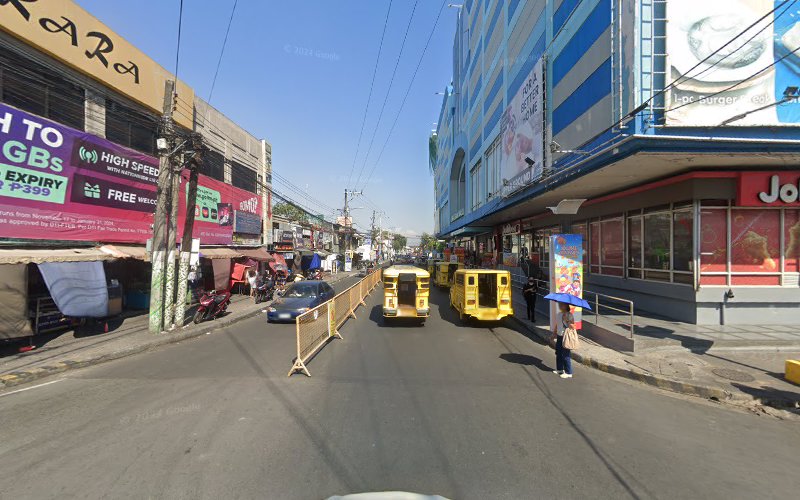
Angeles City Zero Kilometer
About Angeles City Zero Kilometer
Description
The Angeles City Zero Kilometer marker stands as an unassuming yet historically significant landmark right in the heart of the city. When travelers think about Angeles City, they usually picture the bustling nightlife or the proximity to Mount Pinatubo, but this modest monument tells a different story altogether. It's essentially the point from which all distances within the city are measured, making it quite literally the center of everything in Angeles. I've always been fascinated by these kilometer zero markers scattered across different cities in the Philippines. They're like quiet witnesses to urban evolution, standing there while everything else changes around them. The Angeles City version doesn't shout for attention with flashy displays or elaborate structures, which is kind of refreshing honestly. Instead, it offers visitors a genuine glimpse into how the city was planned and developed over the decades. What makes this spot particularly interesting is its location in what locals consider the old downtown area. You're standing at a place that was once considered the absolute center of commerce and community life. And while the city has expanded far beyond this original hub, there's something grounding about visiting this marker. It's like touching base with the city's roots before you venture out to explore everything else Angeles has to offer. The monument itself might not take up much of your time – we're talking maybe 10 to 15 minutes for a quick photo and some reflection – but it serves as an excellent orientation point for understanding the city's layout. Plus, it's genuinely child-friendly, making it a simple stop for families who want to add a bit of educational value to their trip without dealing with complicated exhibits or long walking tours.Key Features
The Angeles City Zero Kilometer marker presents several noteworthy characteristics that travelers should know about: • The marker serves as the official measuring point for all road distances within Angeles City, giving it practical significance beyond just being a monument • Located in the historic downtown area where you can still see remnants of old Angeles architecture and urban planning from earlier decades • Perfect photo opportunity that won't require you to navigate through crowds since it's not as heavily trafficked as other tourist spots in the area • Provides an excellent starting point for walking tours of the older parts of Angeles City if you're into urban exploration • The surrounding area includes several local eateries and small businesses that give you a more authentic taste of daily life in Angeles • Safe and accessible location that families with young children can visit without concern about difficult terrain or heavy tourist congestion • Represents a tangible connection to the city's development history and urban planning heritage • The marker area is maintained and clean, reflecting the city's efforts to preserve its historical landmarks • Serves as a useful landmark when giving or receiving directions from locals who often reference it when explaining locationsBest Time to Visit
Honestly, the best time to visit the Zero Kilometer marker is really whenever you happen to be in the downtown area. But if we're being specific here, early morning around 7 to 9 AM offers the most comfortable experience. The temperature hasn't reached its midday peak yet, and you'll find the streets less congested with traffic and people going about their business. Late afternoon between 4 and 6 PM works well too, especially if you're combining your visit with an exploration of the nearby local restaurants and shops. The harsh sunlight starts mellowing out, which makes for better photographs and a more pleasant walking experience overall. I'd probably avoid the midday hours from 11 AM to 2 PM during the dry season. Angeles City can get incredibly hot, and standing in an open area without much shade isn't exactly comfortable when the sun's beating down at full strength. Been there, regretted that decision more than once. As for the time of year, the dry season from November to April generally provides better visiting conditions. You won't have to worry about sudden downpours interrupting your visit or making the area slippery. That said, the rainy season has its own charm if you don't mind the occasional shower. Just bring an umbrella and maybe plan your visit for late morning when rain is less likely. Weekdays tend to be quieter than weekends, though the difference isn't as dramatic as you'd see at major tourist attractions. The marker area doesn't really get "crowded" in the traditional sense, but weekday mornings offer the most peaceful experience if you prefer having the place mostly to yourself.How to Get There
Getting to the Angeles City Zero Kilometer marker is straightforward, which is one of its major advantages. If you're staying anywhere in the city proper, you're probably within a reasonable distance already. Tricycles are your friend here. These motorized three-wheeled vehicles are everywhere in Angeles City, and any driver will know exactly where the Zero Kilometer marker is. Just tell them "Zero Kilometer downtown" or show them the location on your phone if there's a language barrier. The fare shouldn't set you back more than 50 to 100 pesos depending on where you're coming from within the city. Always agree on the price before you start the journey though – this saves awkward negotiations at the end. If you're coming from Clark, which is where many tourists base themselves, you can catch a jeepney heading to Angeles City proper. Ask the driver to let you off near the old municipal area, and the marker will be within walking distance. The jeepney ride costs around 15 to 25 pesos, making it an incredibly budget-friendly option. For those who prefer the comfort of ride-hailing apps, Grab operates in Angeles City and can take you directly to the coordinates. This option costs more but eliminates any confusion about directions or pricing. Walking is totally viable if you're already in the downtown area. The streets around the marker are relatively pedestrian-friendly during daylight hours, and you might stumble upon interesting local spots along the way. I've had some of my best food discoveries while wandering around this part of the city on foot. If you've rented a car or motorcycle, parking can be found on nearby streets. Just be mindful of any parking restrictions and don't block business entrances. The locals are generally understanding of tourists, but common courtesy goes a long way.Tips for Visiting
First thing you should know – this isn't going to be a half-day affair. The Zero Kilometer marker itself is a quick stop, so plan accordingly. I've seen travelers show up expecting some elaborate park or museum and looking disappointed when they realize it's essentially a monument you can photograph in minutes. Instead, think of it as part of a larger downtown exploration rather than a standalone destination. Bring your camera or smartphone because this is genuinely a unique photo opportunity. The marker makes for an interesting backdrop, and you'll probably want to document your visit to this less-common tourist spot. Early morning or late afternoon light works best for photography, avoiding those harsh shadows you get at noon. Dress comfortably and practically. You'll likely be standing on pavement or walking around the area, so proper footwear matters. And since there isn't much shade, wearing a hat and sunscreen during sunny weather is just common sense. I learned this the hard way after spending too much time in the midday sun without protection – not fun. Combine your visit with exploring the surrounding old downtown area. There are some fascinating older buildings nearby, and several local restaurants serve authentic Kapampangan cuisine that you won't find in the touristy areas. The marker serves as an excellent starting point for a walking tour if you're interested in local architecture and everyday Filipino life. Bring small bills for any purchases or tricycle rides. Many vendors and drivers around this area don't carry much change, and trying to break a 1000 peso note for a 50 peso ride creates unnecessary hassle for everyone involved. If you're visiting with kids, this is actually a great educational opportunity. Talk to them about how cities are organized, how distances are measured, and why having a central reference point matters for urban planning. It's a low-pressure way to add some learning to your vacation without the formality of a museum visit. Don't expect tourist facilities like information centers or souvenir shops right at the marker. This is a working part of the city where regular folks go about their daily business. The authenticity is actually the appeal here – you're seeing real Angeles City, not a manufactured tourist experience. Respect the local area. Remember that you're in a neighborhood where people live and work. Keep noise levels reasonable, don't block sidewalks or doorways for extended periods, and dispose of any trash properly. These small considerations make a big difference in how tourists are perceived by locals. Consider hiring a local guide if you're interested in the deeper history of Angeles City. While the marker itself is self-explanatory, understanding its context within the city's development adds layers of appreciation. Some local guides offer downtown walking tours that include the Zero Kilometer marker along with other historical points of interest. And finally, manage your expectations appropriately. This isn't going to be the highlight of your Angeles City trip, and that's perfectly okay. It's a small, meaningful stop that adds depth to your understanding of the city's geography and history. Sometimes the most memorable travel experiences come from these understated moments rather than the big-ticket attractions everyone talks about.Key Features
- Historic central marker denoting the city’s zero kilometer point
- Located at the busy intersection of Sto Rosario St. and Cor. Plaridel St.
- Easy to visit as part of a walking tour of downtown Angeles
- Provides photographic opportunities with surrounding colonial and urban streetscapes
- Close to local markets, eateries, and civic landmarks
More Details
Updated January 18, 2026
Table of Contents
Description
The Angeles City Zero Kilometer marker stands as an unassuming yet historically significant landmark right in the heart of the city. When travelers think about Angeles City, they usually picture the bustling nightlife or the proximity to Mount Pinatubo, but this modest monument tells a different story altogether. It’s essentially the point from which all distances within the city are measured, making it quite literally the center of everything in Angeles.
I’ve always been fascinated by these kilometer zero markers scattered across different cities in the Philippines. They’re like quiet witnesses to urban evolution, standing there while everything else changes around them. The Angeles City version doesn’t shout for attention with flashy displays or elaborate structures, which is kind of refreshing honestly. Instead, it offers visitors a genuine glimpse into how the city was planned and developed over the decades.
What makes this spot particularly interesting is its location in what locals consider the old downtown area. You’re standing at a place that was once considered the absolute center of commerce and community life. And while the city has expanded far beyond this original hub, there’s something grounding about visiting this marker. It’s like touching base with the city’s roots before you venture out to explore everything else Angeles has to offer.
The monument itself might not take up much of your time – we’re talking maybe 10 to 15 minutes for a quick photo and some reflection – but it serves as an excellent orientation point for understanding the city’s layout. Plus, it’s genuinely child-friendly, making it a simple stop for families who want to add a bit of educational value to their trip without dealing with complicated exhibits or long walking tours.
Key Features
The Angeles City Zero Kilometer marker presents several noteworthy characteristics that travelers should know about:
• The marker serves as the official measuring point for all road distances within Angeles City, giving it practical significance beyond just being a monument
• Located in the historic downtown area where you can still see remnants of old Angeles architecture and urban planning from earlier decades
• Perfect photo opportunity that won’t require you to navigate through crowds since it’s not as heavily trafficked as other tourist spots in the area
• Provides an excellent starting point for walking tours of the older parts of Angeles City if you’re into urban exploration
• The surrounding area includes several local eateries and small businesses that give you a more authentic taste of daily life in Angeles
• Safe and accessible location that families with young children can visit without concern about difficult terrain or heavy tourist congestion
• Represents a tangible connection to the city’s development history and urban planning heritage
• The marker area is maintained and clean, reflecting the city’s efforts to preserve its historical landmarks
• Serves as a useful landmark when giving or receiving directions from locals who often reference it when explaining locations
Best Time to Visit
Honestly, the best time to visit the Zero Kilometer marker is really whenever you happen to be in the downtown area. But if we’re being specific here, early morning around 7 to 9 AM offers the most comfortable experience. The temperature hasn’t reached its midday peak yet, and you’ll find the streets less congested with traffic and people going about their business.
Late afternoon between 4 and 6 PM works well too, especially if you’re combining your visit with an exploration of the nearby local restaurants and shops. The harsh sunlight starts mellowing out, which makes for better photographs and a more pleasant walking experience overall.
I’d probably avoid the midday hours from 11 AM to 2 PM during the dry season. Angeles City can get incredibly hot, and standing in an open area without much shade isn’t exactly comfortable when the sun’s beating down at full strength. Been there, regretted that decision more than once.
As for the time of year, the dry season from November to April generally provides better visiting conditions. You won’t have to worry about sudden downpours interrupting your visit or making the area slippery. That said, the rainy season has its own charm if you don’t mind the occasional shower. Just bring an umbrella and maybe plan your visit for late morning when rain is less likely.
Weekdays tend to be quieter than weekends, though the difference isn’t as dramatic as you’d see at major tourist attractions. The marker area doesn’t really get “crowded” in the traditional sense, but weekday mornings offer the most peaceful experience if you prefer having the place mostly to yourself.
How to Get There
Getting to the Angeles City Zero Kilometer marker is straightforward, which is one of its major advantages. If you’re staying anywhere in the city proper, you’re probably within a reasonable distance already.
Tricycles are your friend here. These motorized three-wheeled vehicles are everywhere in Angeles City, and any driver will know exactly where the Zero Kilometer marker is. Just tell them “Zero Kilometer downtown” or show them the location on your phone if there’s a language barrier. The fare shouldn’t set you back more than 50 to 100 pesos depending on where you’re coming from within the city. Always agree on the price before you start the journey though – this saves awkward negotiations at the end.
If you’re coming from Clark, which is where many tourists base themselves, you can catch a jeepney heading to Angeles City proper. Ask the driver to let you off near the old municipal area, and the marker will be within walking distance. The jeepney ride costs around 15 to 25 pesos, making it an incredibly budget-friendly option.
For those who prefer the comfort of ride-hailing apps, Grab operates in Angeles City and can take you directly to the coordinates. This option costs more but eliminates any confusion about directions or pricing.
Walking is totally viable if you’re already in the downtown area. The streets around the marker are relatively pedestrian-friendly during daylight hours, and you might stumble upon interesting local spots along the way. I’ve had some of my best food discoveries while wandering around this part of the city on foot.
If you’ve rented a car or motorcycle, parking can be found on nearby streets. Just be mindful of any parking restrictions and don’t block business entrances. The locals are generally understanding of tourists, but common courtesy goes a long way.
Tips for Visiting
First thing you should know – this isn’t going to be a half-day affair. The Zero Kilometer marker itself is a quick stop, so plan accordingly. I’ve seen travelers show up expecting some elaborate park or museum and looking disappointed when they realize it’s essentially a monument you can photograph in minutes. Instead, think of it as part of a larger downtown exploration rather than a standalone destination.
Bring your camera or smartphone because this is genuinely a unique photo opportunity. The marker makes for an interesting backdrop, and you’ll probably want to document your visit to this less-common tourist spot. Early morning or late afternoon light works best for photography, avoiding those harsh shadows you get at noon.
Dress comfortably and practically. You’ll likely be standing on pavement or walking around the area, so proper footwear matters. And since there isn’t much shade, wearing a hat and sunscreen during sunny weather is just common sense. I learned this the hard way after spending too much time in the midday sun without protection – not fun.
Combine your visit with exploring the surrounding old downtown area. There are some fascinating older buildings nearby, and several local restaurants serve authentic Kapampangan cuisine that you won’t find in the touristy areas. The marker serves as an excellent starting point for a walking tour if you’re interested in local architecture and everyday Filipino life.
Bring small bills for any purchases or tricycle rides. Many vendors and drivers around this area don’t carry much change, and trying to break a 1000 peso note for a 50 peso ride creates unnecessary hassle for everyone involved.
If you’re visiting with kids, this is actually a great educational opportunity. Talk to them about how cities are organized, how distances are measured, and why having a central reference point matters for urban planning. It’s a low-pressure way to add some learning to your vacation without the formality of a museum visit.
Don’t expect tourist facilities like information centers or souvenir shops right at the marker. This is a working part of the city where regular folks go about their daily business. The authenticity is actually the appeal here – you’re seeing real Angeles City, not a manufactured tourist experience.
Respect the local area. Remember that you’re in a neighborhood where people live and work. Keep noise levels reasonable, don’t block sidewalks or doorways for extended periods, and dispose of any trash properly. These small considerations make a big difference in how tourists are perceived by locals.
Consider hiring a local guide if you’re interested in the deeper history of Angeles City. While the marker itself is self-explanatory, understanding its context within the city’s development adds layers of appreciation. Some local guides offer downtown walking tours that include the Zero Kilometer marker along with other historical points of interest.
And finally, manage your expectations appropriately. This isn’t going to be the highlight of your Angeles City trip, and that’s perfectly okay. It’s a small, meaningful stop that adds depth to your understanding of the city’s geography and history. Sometimes the most memorable travel experiences come from these understated moments rather than the big-ticket attractions everyone talks about.
Key Highlights
- Historic central marker denoting the city’s zero kilometer point
- Located at the busy intersection of Sto Rosario St. and Cor. Plaridel St.
- Easy to visit as part of a walking tour of downtown Angeles
- Provides photographic opportunities with surrounding colonial and urban streetscapes
- Close to local markets, eateries, and civic landmarks
Location
Places to Stay Near Angeles City Zero Kilometer
Find and Book a Tour
Explore More Travel Guides
No reviews found! Be the first to review!
Traveler Reviews for Angeles City Zero Kilometer
There are no reviews yet. Be the first one to write one.
Have you visited Angeles City Zero Kilometer? Help other travelers by sharing your review.
Nearby Attractions
You Might Also Like

Insectlandia

Big Bang Games and Amusement

Clark Aqua Planet
Find Accommodations Nearby
Recommended Tours & Activities
Visitor Reviews
There are no reviews yet. Be the first one to write one.
Share Your Experience
Have you visited Angeles City Zero Kilometer? Help other travelers by leaving a review.