
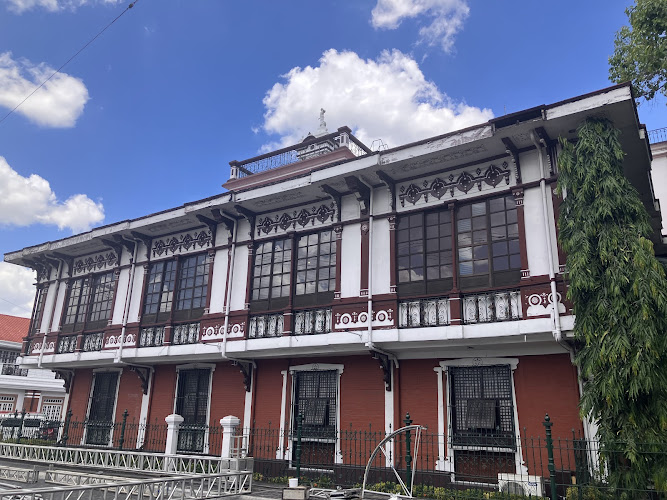
Pamintuan Mansion
About Pamintuan Mansion
Description
The Pamintuan Mansion stands as one of the Philippines' most captivating heritage museums, and honestly, it's the kind of place that makes you wish you'd paid more attention in history class. This stunning example of Filipino-Spanish colonial architecture has been transformed into a carefully curated museum that tells stories of a bygone era through its impressive collection of period furnishings, vintage antiques, and art pieces that span several generations. When you step through the doors of this elegant mansion, you're essentially walking into a time capsule. The building itself has witnessed some of the most significant moments in Philippine history, and the walls could probably tell you stories that no textbook ever captured quite right. But what really sets this place apart from other museums I've visited is how it manages to make history feel personal rather than just a series of dates and events you're supposed to memorize. The mansion houses multiple galleries spread throughout its rooms, each dedicated to different aspects of Filipino heritage and culture. The original architecture has been preserved with remarkable care, and you can still see the craftsmanship that went into creating these spaces over a century ago. The high ceilings, ornate woodwork, and period-appropriate furnishings create an atmosphere that's both educational and genuinely enchanting. What strikes most visitors is how the museum manages to balance preservation with accessibility. You're not just looking at artifacts behind glass – though there's plenty of that too – but experiencing how wealthy Filipino families lived during the Spanish and American colonial periods. The furniture arrangements, the dining settings, the personal items scattered throughout the rooms all contribute to this immersive experience that makes the past feel remarkably present.Key Features
The Pamintuan Mansion offers several distinctive features that make it worth the visit:- Extensive collection of vintage Filipino and Spanish colonial furniture showcasing exquisite craftsmanship from the 18th and 19th centuries
- Multiple themed galleries displaying different periods of Philippine history and cultural development
- Original architectural elements including intricately carved wooden staircases, capiz shell windows, and traditional tile flooring
- Rare antique collections featuring household items, religious artifacts, and decorative pieces that illustrate daily life during the colonial period
- Art galleries showcasing works from Filipino masters and period paintings that document historical events
- Period-appropriate room settings that recreate authentic living spaces from different eras
- Historical photographs and documents that provide context to the exhibited items
- Wheelchair accessible facilities including designated parking and restrooms, making it one of the more inclusive heritage sites in the region
- Family-friendly exhibitions with visual displays that engage younger visitors without dumbing down the historical content
- Well-maintained grounds that reflect traditional Filipino garden aesthetics
Best Time to Visit
Timing your visit to the Pamintuan Mansion can really make a difference in your experience, and I learned this the hard way during my first attempt when I showed up during a particularly crowded weekend afternoon. The absolute best time to visit is during weekday mornings, particularly Tuesday through Thursday between 9 AM and 11 AM. You'll find the galleries much less crowded, which means you can actually take your time appreciating the details without feeling rushed or having to crane your neck around tour groups. The natural lighting during these hours also does wonders for photography, streaming through those gorgeous capiz windows in ways that make the whole place feel magical. If weekdays aren't possible for your schedule, early Saturday mornings right when they open can work too. Just avoid Sunday afternoons – that's when local families typically visit, and while there's something lovely about seeing kids engage with history, it does make for a more chaotic viewing experience. Weather-wise, the dry season from November through April offers the most comfortable visiting conditions. The mansion does have some climate control, but not throughout all areas, and trust me, trying to appreciate antique furniture while sweating profusely isn't anyone's idea of a good time. December and January can be particularly pleasant since the cooler temperatures make exploring the entire property more enjoyable. And here's something most travel guides won't tell you – avoid visiting during major holidays or festival periods unless you specifically want that crowded experience. The mansion becomes significantly busier during Christmas, Holy Week, and local celebration dates. Some people enjoy that energy, but if you're like me and prefer a more contemplative museum experience, you'll want to schedule around these dates. The museum occasionally hosts special exhibitions and cultural events, which can be fantastic opportunities to see additional collections or experience traditional performances. Check their schedule ahead of time because these events can either enhance your visit tremendously or make it more crowded than you'd prefer, depending on your interests.How to Get There
Getting to the Pamintuan Mansion requires a bit of planning, but it's definitely manageable even if you're not particularly familiar with the area. For those flying in, the nearest major airport is Clark International Airport, which is actually quite convenient – about a 30-minute drive depending on traffic. From there, you can grab a taxi or use ride-sharing apps, which have become increasingly reliable in the region. Just make sure your driver knows exactly where you're headed because "the old mansion" might get you blank stares, while "Pamintuan Mansion" or "Aries Pamintuan Heritage Museum" tends to register more clearly. If you're coming from Manila, the journey takes roughly 90 minutes to two hours by car via the North Luzon Expressway. But let's be real – with Manila traffic, you should probably add an extra hour buffer to that estimate, especially if you're traveling during rush hours. The drive itself isn't particularly scenic until you get closer to your destination, so bring entertainment for the ride. Public transportation is possible but requires some patience and local knowledge. Buses heading north from Manila can drop you in the general area, but you'll likely need to take a tricycle or jeepney for the final leg. This option definitely saves money compared to private transport, though it'll add time to your journey. For travelers already in the Pampanga region, tricycles are everywhere and drivers generally know the mansion well. The fare should be reasonable, but agree on the price before starting your journey to avoid any awkward negotiations later. Parking is available on-site and wheelchair accessible, which is a huge plus if you're driving yourself or traveling with family members who need easier access. The parking area isn't massive, so arriving early gives you better options.Tips for Visiting
Let me share some practical advice that'll make your Pamintuan Mansion experience much smoother, based on what I've learned through visits and talking with regular visitors. First off, wear comfortable shoes. I know this sounds obvious, but you'd be surprised how many people show up in completely inappropriate footwear. You'll be walking on original tile floors, climbing stairs, and potentially spending two to three hours on your feet. Save the fancy shoes for somewhere else. Photography policies can vary, so ask about current rules when you arrive. Some areas allow photos without flash, while others may have restrictions to protect sensitive artifacts. Rather than assuming and potentially getting called out by museum staff, just clarify upfront. And please, actually follow whatever rules they set – these artifacts are irreplaceable. Bring a light jacket or shawl even if it's warm outside. Some gallery spaces can get surprisingly cool with air conditioning, while others might be warmer. Layering gives you flexibility to stay comfortable throughout your visit. The museum has restroom facilities, which is great, but they're not located in every section. Use them when you see them rather than assuming there'll be another one around the next corner. This is especially important if you're visiting with children. Speaking of kids, the mansion is genuinely good for families, but younger children might get restless after an hour or so. Consider bringing a small notebook and pencils so they can sketch things that interest them – it keeps them engaged while helping them observe more carefully. Just establish clear rules about touching nothing before you enter. Don't rush through the exhibits. I've seen too many visitors speed through like they're checking boxes on a list, and they miss so much. This isn't the kind of place where more is better – slowing down and really looking at individual pieces will give you a much richer experience than trying to see everything superficially. If you're interested in the historical context beyond what's written on the plaques, consider timing your visit to coincide with a guided tour if available. The stories and details that knowledgeable guides can provide add layers of understanding you simply won't get from reading labels alone. Bring water in a sealed container, but be mindful about where you drink it. Most museums understandably don't want beverages near priceless antiques. There are usually designated areas where you can hydrate, so step outside the galleries when you need a sip. The lighting in heritage buildings can be dim to protect sensitive materials, so if you struggle with vision in lower light conditions, consider that when planning your visit. Morning hours typically offer better natural light filtering through the windows. Leave large bags in your vehicle if possible. While there's usually accommodation for necessary items, bulky backpacks and large purses create risks around delicate furnishings and make navigating the spaces more difficult. Finally, respect the space and other visitors. Keep your voice down, stay off your phone except for photos, and remember that you're walking through someone's carefully preserved legacy. The Pamintuan Mansion isn't just a tourist attraction – it's a cultural treasure that deserves your attention and respect. The mansion typically doesn't have an on-site restaurant, so plan to eat before or after your visit. There are dining options in the surrounding area where you can grab a meal and discuss everything you've just seen, which honestly makes for a nice way to process the experience anyway.Key Features
- Extensive collection of vintage Filipino and Spanish colonial furniture showcasing exquisite craftsmanship from the 18th and 19th centuries
- Multiple themed galleries displaying different periods of Philippine history and cultural development
- Original architectural elements including intricately carved wooden staircases, capiz shell windows, and traditional tile flooring
- Rare antique collections featuring household items, religious artifacts, and decorative pieces that illustrate daily life during the colonial period
- Art galleries showcasing works from Filipino masters and period paintings that document historical events
- Period-appropriate room settings that recreate authentic living spaces from different eras
- Historical photographs and documents that provide context to the exhibited items
- Wheelchair accessible facilities including designated parking and restrooms, making it one of the more inclusive heritage sites in the region
More Details
Updated January 18, 2026
Table of Contents
Description
The Pamintuan Mansion stands as one of the Philippines’ most captivating heritage museums, and honestly, it’s the kind of place that makes you wish you’d paid more attention in history class. This stunning example of Filipino-Spanish colonial architecture has been transformed into a carefully curated museum that tells stories of a bygone era through its impressive collection of period furnishings, vintage antiques, and art pieces that span several generations.
When you step through the doors of this elegant mansion, you’re essentially walking into a time capsule. The building itself has witnessed some of the most significant moments in Philippine history, and the walls could probably tell you stories that no textbook ever captured quite right. But what really sets this place apart from other museums I’ve visited is how it manages to make history feel personal rather than just a series of dates and events you’re supposed to memorize.
The mansion houses multiple galleries spread throughout its rooms, each dedicated to different aspects of Filipino heritage and culture. The original architecture has been preserved with remarkable care, and you can still see the craftsmanship that went into creating these spaces over a century ago. The high ceilings, ornate woodwork, and period-appropriate furnishings create an atmosphere that’s both educational and genuinely enchanting.
What strikes most visitors is how the museum manages to balance preservation with accessibility. You’re not just looking at artifacts behind glass – though there’s plenty of that too – but experiencing how wealthy Filipino families lived during the Spanish and American colonial periods. The furniture arrangements, the dining settings, the personal items scattered throughout the rooms all contribute to this immersive experience that makes the past feel remarkably present.
Key Features
The Pamintuan Mansion offers several distinctive features that make it worth the visit:
- Extensive collection of vintage Filipino and Spanish colonial furniture showcasing exquisite craftsmanship from the 18th and 19th centuries
- Multiple themed galleries displaying different periods of Philippine history and cultural development
- Original architectural elements including intricately carved wooden staircases, capiz shell windows, and traditional tile flooring
- Rare antique collections featuring household items, religious artifacts, and decorative pieces that illustrate daily life during the colonial period
- Art galleries showcasing works from Filipino masters and period paintings that document historical events
- Period-appropriate room settings that recreate authentic living spaces from different eras
- Historical photographs and documents that provide context to the exhibited items
- Wheelchair accessible facilities including designated parking and restrooms, making it one of the more inclusive heritage sites in the region
- Family-friendly exhibitions with visual displays that engage younger visitors without dumbing down the historical content
- Well-maintained grounds that reflect traditional Filipino garden aesthetics
Best Time to Visit
Timing your visit to the Pamintuan Mansion can really make a difference in your experience, and I learned this the hard way during my first attempt when I showed up during a particularly crowded weekend afternoon.
The absolute best time to visit is during weekday mornings, particularly Tuesday through Thursday between 9 AM and 11 AM. You’ll find the galleries much less crowded, which means you can actually take your time appreciating the details without feeling rushed or having to crane your neck around tour groups. The natural lighting during these hours also does wonders for photography, streaming through those gorgeous capiz windows in ways that make the whole place feel magical.
If weekdays aren’t possible for your schedule, early Saturday mornings right when they open can work too. Just avoid Sunday afternoons – that’s when local families typically visit, and while there’s something lovely about seeing kids engage with history, it does make for a more chaotic viewing experience.
Weather-wise, the dry season from November through April offers the most comfortable visiting conditions. The mansion does have some climate control, but not throughout all areas, and trust me, trying to appreciate antique furniture while sweating profusely isn’t anyone’s idea of a good time. December and January can be particularly pleasant since the cooler temperatures make exploring the entire property more enjoyable.
And here’s something most travel guides won’t tell you – avoid visiting during major holidays or festival periods unless you specifically want that crowded experience. The mansion becomes significantly busier during Christmas, Holy Week, and local celebration dates. Some people enjoy that energy, but if you’re like me and prefer a more contemplative museum experience, you’ll want to schedule around these dates.
The museum occasionally hosts special exhibitions and cultural events, which can be fantastic opportunities to see additional collections or experience traditional performances. Check their schedule ahead of time because these events can either enhance your visit tremendously or make it more crowded than you’d prefer, depending on your interests.
How to Get There
Getting to the Pamintuan Mansion requires a bit of planning, but it’s definitely manageable even if you’re not particularly familiar with the area.
For those flying in, the nearest major airport is Clark International Airport, which is actually quite convenient – about a 30-minute drive depending on traffic. From there, you can grab a taxi or use ride-sharing apps, which have become increasingly reliable in the region. Just make sure your driver knows exactly where you’re headed because “the old mansion” might get you blank stares, while “Pamintuan Mansion” or “Aries Pamintuan Heritage Museum” tends to register more clearly.
If you’re coming from Manila, the journey takes roughly 90 minutes to two hours by car via the North Luzon Expressway. But let’s be real – with Manila traffic, you should probably add an extra hour buffer to that estimate, especially if you’re traveling during rush hours. The drive itself isn’t particularly scenic until you get closer to your destination, so bring entertainment for the ride.
Public transportation is possible but requires some patience and local knowledge. Buses heading north from Manila can drop you in the general area, but you’ll likely need to take a tricycle or jeepney for the final leg. This option definitely saves money compared to private transport, though it’ll add time to your journey.
For travelers already in the Pampanga region, tricycles are everywhere and drivers generally know the mansion well. The fare should be reasonable, but agree on the price before starting your journey to avoid any awkward negotiations later.
Parking is available on-site and wheelchair accessible, which is a huge plus if you’re driving yourself or traveling with family members who need easier access. The parking area isn’t massive, so arriving early gives you better options.
Tips for Visiting
Let me share some practical advice that’ll make your Pamintuan Mansion experience much smoother, based on what I’ve learned through visits and talking with regular visitors.
First off, wear comfortable shoes. I know this sounds obvious, but you’d be surprised how many people show up in completely inappropriate footwear. You’ll be walking on original tile floors, climbing stairs, and potentially spending two to three hours on your feet. Save the fancy shoes for somewhere else.
Photography policies can vary, so ask about current rules when you arrive. Some areas allow photos without flash, while others may have restrictions to protect sensitive artifacts. Rather than assuming and potentially getting called out by museum staff, just clarify upfront. And please, actually follow whatever rules they set – these artifacts are irreplaceable.
Bring a light jacket or shawl even if it’s warm outside. Some gallery spaces can get surprisingly cool with air conditioning, while others might be warmer. Layering gives you flexibility to stay comfortable throughout your visit.
The museum has restroom facilities, which is great, but they’re not located in every section. Use them when you see them rather than assuming there’ll be another one around the next corner. This is especially important if you’re visiting with children.
Speaking of kids, the mansion is genuinely good for families, but younger children might get restless after an hour or so. Consider bringing a small notebook and pencils so they can sketch things that interest them – it keeps them engaged while helping them observe more carefully. Just establish clear rules about touching nothing before you enter.
Don’t rush through the exhibits. I’ve seen too many visitors speed through like they’re checking boxes on a list, and they miss so much. This isn’t the kind of place where more is better – slowing down and really looking at individual pieces will give you a much richer experience than trying to see everything superficially.
If you’re interested in the historical context beyond what’s written on the plaques, consider timing your visit to coincide with a guided tour if available. The stories and details that knowledgeable guides can provide add layers of understanding you simply won’t get from reading labels alone.
Bring water in a sealed container, but be mindful about where you drink it. Most museums understandably don’t want beverages near priceless antiques. There are usually designated areas where you can hydrate, so step outside the galleries when you need a sip.
The lighting in heritage buildings can be dim to protect sensitive materials, so if you struggle with vision in lower light conditions, consider that when planning your visit. Morning hours typically offer better natural light filtering through the windows.
Leave large bags in your vehicle if possible. While there’s usually accommodation for necessary items, bulky backpacks and large purses create risks around delicate furnishings and make navigating the spaces more difficult.
Finally, respect the space and other visitors. Keep your voice down, stay off your phone except for photos, and remember that you’re walking through someone’s carefully preserved legacy. The Pamintuan Mansion isn’t just a tourist attraction – it’s a cultural treasure that deserves your attention and respect.
The mansion typically doesn’t have an on-site restaurant, so plan to eat before or after your visit. There are dining options in the surrounding area where you can grab a meal and discuss everything you’ve just seen, which honestly makes for a nice way to process the experience anyway.
Key Highlights
- Extensive collection of vintage Filipino and Spanish colonial furniture showcasing exquisite craftsmanship from the 18th and 19th centuries
- Multiple themed galleries displaying different periods of Philippine history and cultural development
- Original architectural elements including intricately carved wooden staircases, capiz shell windows, and traditional tile flooring
- Rare antique collections featuring household items, religious artifacts, and decorative pieces that illustrate daily life during the colonial period
- Art galleries showcasing works from Filipino masters and period paintings that document historical events
- Period-appropriate room settings that recreate authentic living spaces from different eras
- Historical photographs and documents that provide context to the exhibited items
- Wheelchair accessible facilities including designated parking and restrooms, making it one of the more inclusive heritage sites in the region
Location
Places to Stay Near Pamintuan Mansion
Find and Book a Tour
Explore More Travel Guides
No reviews found! Be the first to review!
Traveler Reviews for Pamintuan Mansion
There are no reviews yet. Be the first one to write one.
Have you visited Pamintuan Mansion? Help other travelers by sharing your review.
You Might Also Like
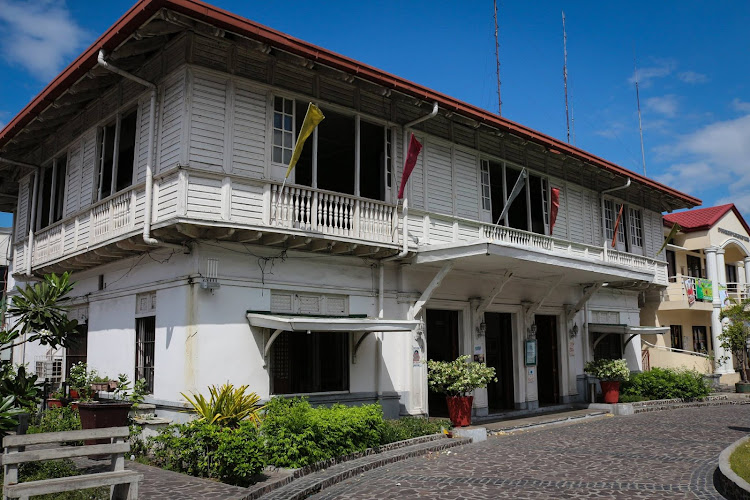
Museu ning Ángeles
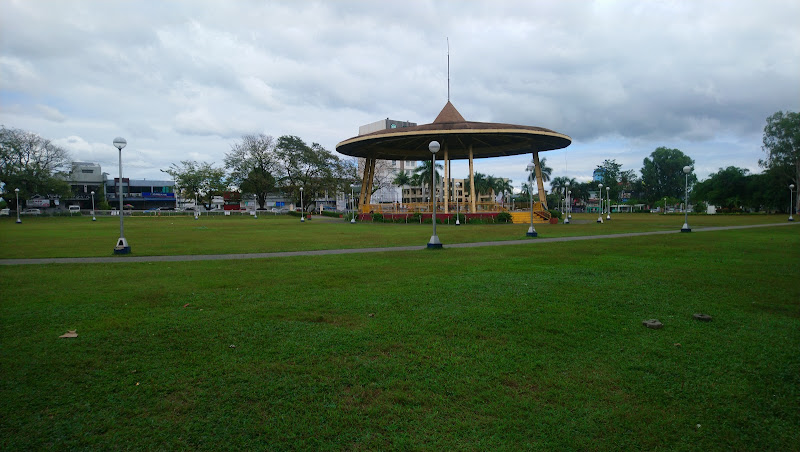
Bayanihan Park
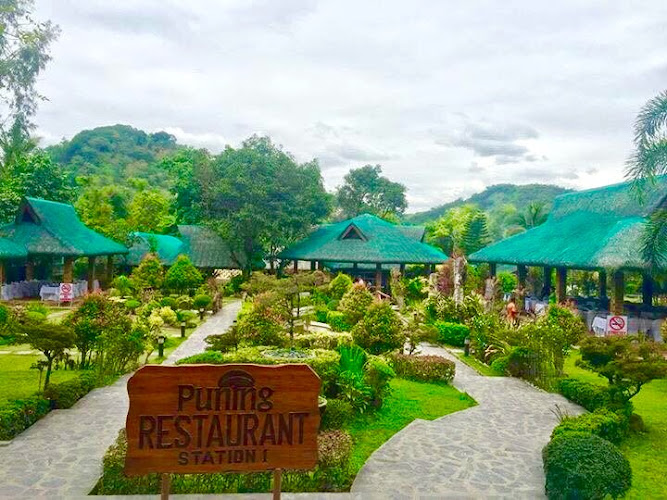
Puning Hot Spring and Restaurant
Find Accommodations Nearby
Recommended Tours & Activities
Visitor Reviews
There are no reviews yet. Be the first one to write one.
Share Your Experience
Have you visited Pamintuan Mansion? Help other travelers by leaving a review.