
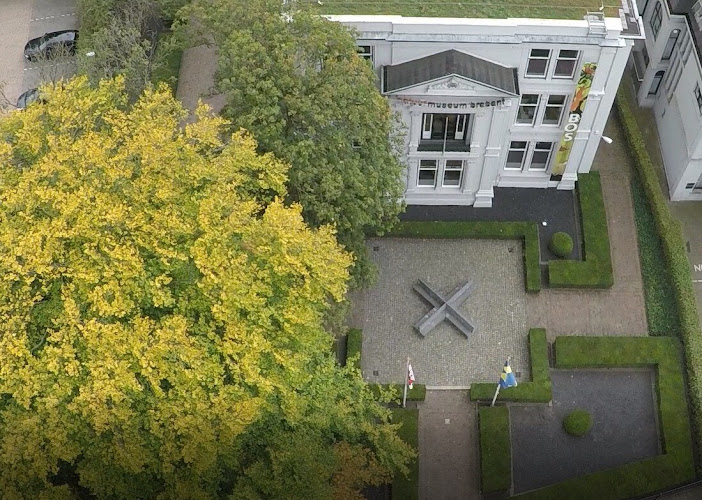
Natuurmuseum Brabant
About Natuurmuseum Brabant
Description
Natuurmuseum Brabant in Tilburg is a compact, family-oriented natural history museum that leans into curiosity rather than overwhelm. It presents a well-curated collection of animal specimens, hands-on displays and rotating temporary exhibitions that keep repeat visits interesting. The place feels lived-in rather than glossy; some rooms show the tidy order of a research collection, others display playful setups aimed squarely at kids. It is the sort of museum that quietly rewards slow explorers — those who like to bend down and peer into cases, trace the labels, or follow an oddball anecdote about a specimen.
The museum wears two hats. On one side it acts as a local repository of natural history with taxidermy, bones, skulls and mounted birds that tell stories about Dutch landscapes, past and present. On the other side it functions as an educational hub with workshops, school programs and short-term exhibitions designed to spark questions rather than supply final answers. Visitors will find a small but thoughtful shop selling field guides, kid-friendly kits and a few locally made souvenirs, plus a café where a hot drink and a modest menu help families regroup between exhibits.
Accessibility has been considered: entrances, parking and restrooms are wheelchair friendly and the layout is relatively straightforward for visitors with mobility needs. Wi-Fi and basic amenities are available, which makes it easy for parents to look things up on the fly, check the timetable for the next workshop, or upload that slightly smug photo of a child holding a fossil. The museum’s scale is part of its charm. It is not designed to be an exhaustive national institution but rather an intimate, practical place where curiosity about nature is actively encouraged.
For travelers in Tilburg or those on a North Brabant itinerary, Natuurmuseum Brabant is a sensible stop. It pairs well with a relaxed afternoon in the city or a rainy-day plan when outdoor activities are off the table. And yes, children tend to light up here — the displays are tactile and the temporary exhibitions often introduce themes that kids can relate to, from local birds to insects or the oddities of natural selection. Adults who enjoy natural history, amateur science, or simply an uncomplicated museum experience will also find plenty to appreciate.
Key Features
- Family-friendly exhibits and learning programs aimed at children and school groups
- Collection of animal specimens including mounted birds, skeletal displays and preserved specimens
- Rotating temporary exhibitions that refresh the visitor experience several times a year
- Small on-site shop offering books, field guides and kid-oriented discovery kits
- Café with seating for families and light meals to refuel between galleries
- Wheelchair accessible entrance, parking and restrooms for greater inclusivity
- Free Wi-Fi and practical visitor amenities to support planning and sharing
- Educational workshops, guided activities and occasional special events
Best Time to Visit
The best time to visit Natuurmuseum Brabant depends on what the traveler wants from the day. For quieter exploration, weekday mornings — shortly after opening — tend to be calm and ideal for reading labels and taking photos without the jostle of school groups or family crowds. Late afternoons on weekdays are also pleasant if one prefers a shorter visit with a cup of coffee in the café afterwards.
Weekends are lively. Families and local visitors often show up in mornings and early afternoons, particularly when a temporary exhibition or a hands-on workshop is on the schedule. That can be wonderful if you’re looking for energy and children’s programming, but expect some queues at interactive stations and a fuller café. If the aim is to experience a particular temporary exhibition, check the museum’s calendar in advance and try to arrive within the first hour of opening on the event day to avoid peak crowds.
Seasonally, the museum is a strong rainy-day option. Spring and autumn bring school excursions, so midweek visits outside school term times will feel emptier. If the traveler wants to combine the museum with other Tilburg highlights, plan a morning at Natuurmuseum Brabant and an afternoon stroll through nearby neighborhoods or markets; the museum’s modest size makes it easy to fit into a broader day plan without feeling overwhelmed.
How to Get There
Natuurmuseum Brabant is situated in Tilburg city and is easy to reach by public transport, car or bicycle. From the main station many visitors report a short tram or bus ride followed by a brief walk; local routes are frequent and the city is compact enough that taxis or a short cycle are simple options. For travelers who prefer to drive, there is wheelchair-accessible parking available close to the entrance, and the streets around the museum are straightforward to navigate. Cyclists will appreciate that Tilburg is bike-friendly and there are places to park a bicycle not far from the building.
When arriving by public transport, it is worth checking tram or bus timetables on the day — services can vary outside peak hours. For those carrying young children or stroller gear, a taxi from the station may shave off hassle and take little time. The museum’s location makes it a convenient stop between other Tilburg attractions, so combining a visit with nearby cafés, parks or galleries is usually convenient.
Tips for Visiting
Plan time, but not too much. The museum’s scale makes two hours a generous estimate for families who like to linger; many visitors find a relaxed 60–90 minute visit is just right. Bring small snacks if traveling with young children — the café offers light options but can get busy, and a short snack stop between exhibits keeps everyone cheerful.
If a temporary exhibition is the main draw, arrive early on weekends or during school holidays. Workshops and children’s activities can fill up quickly, so book ahead if registration is required. The museum team tends to run concise, well-structured sessions rather than marathon activities, which parents often appreciate.
Photography is usually allowed for personal use; however visitors should respect any exhibit signs prohibiting flash or tripods. That said, candid shots of kids peering into cases or of curious displays make for charming travel photos. The small shop is worth a glance — it stocks a surprising range of field guides and kid-friendly kits that make excellent lightweight souvenirs or gifts for young naturalists.
Accessibility matters here: wheelchair users report a straightforward entrance and accessible restrooms, but if one has specific mobility needs it’s wise to call ahead and ask about the layout of a particular exhibition. The museum staff are typically helpful and able to accommodate requests for information or assistance.
For travelers who like to combine learning with play, ask at the desk about family trails or activity sheets. These small extras can transform a casual walk-through into an engaging scavenger hunt for children. And if the visitor happens to be a fan of quieter, offbeat museum experiences, try visiting on a weekday afternoon when the noise level is low and the cases feel almost private.
A small heads-up about scale: the museum is not vast. That is deliberate — exhibits are chosen for clarity and engagement rather than for volume. Visitors expecting a huge national museum might be surprised, but most people appreciate the approachable size and the way the museum makes complex natural history accessible without feeling condescending.
Finally, don’t be shy about lingering in the café with a map or a guidebook. The museum rewards a slow curiosity. It is that combination of practical amenities, kid-friendly programming and a genuine interest in local nature that often turns first-time visitors into repeat guests. Travelers who come with an open mind will likely leave with new facts, a fresh perspective on regional wildlife, and maybe a small item from the shop that keeps the memory alive.
Key Features
- Family-friendly exhibits and learning programs aimed at children and school groups
- Collection of animal specimens including mounted birds, skeletal displays and preserved specimens
- Rotating temporary exhibitions that refresh the visitor experience several times a year
- Small on-site shop offering books, field guides and kid-oriented discovery kits
- Café with seating for families and light meals to refuel between galleries
- Wheelchair accessible entrance, parking and restrooms for greater inclusivity
- Free Wi-Fi and practical visitor amenities to support planning and sharing
- Educational workshops, guided activities and occasional special events
More Details
Updated August 30, 2025
Table of Contents
Description
Natuurmuseum Brabant in Tilburg is a compact, family-oriented natural history museum that leans into curiosity rather than overwhelm. It presents a well-curated collection of animal specimens, hands-on displays and rotating temporary exhibitions that keep repeat visits interesting. The place feels lived-in rather than glossy; some rooms show the tidy order of a research collection, others display playful setups aimed squarely at kids. It is the sort of museum that quietly rewards slow explorers — those who like to bend down and peer into cases, trace the labels, or follow an oddball anecdote about a specimen.
The museum wears two hats. On one side it acts as a local repository of natural history with taxidermy, bones, skulls and mounted birds that tell stories about Dutch landscapes, past and present. On the other side it functions as an educational hub with workshops, school programs and short-term exhibitions designed to spark questions rather than supply final answers. Visitors will find a small but thoughtful shop selling field guides, kid-friendly kits and a few locally made souvenirs, plus a café where a hot drink and a modest menu help families regroup between exhibits.
Accessibility has been considered: entrances, parking and restrooms are wheelchair friendly and the layout is relatively straightforward for visitors with mobility needs. Wi-Fi and basic amenities are available, which makes it easy for parents to look things up on the fly, check the timetable for the next workshop, or upload that slightly smug photo of a child holding a fossil. The museum’s scale is part of its charm. It is not designed to be an exhaustive national institution but rather an intimate, practical place where curiosity about nature is actively encouraged.
For travelers in Tilburg or those on a North Brabant itinerary, Natuurmuseum Brabant is a sensible stop. It pairs well with a relaxed afternoon in the city or a rainy-day plan when outdoor activities are off the table. And yes, children tend to light up here — the displays are tactile and the temporary exhibitions often introduce themes that kids can relate to, from local birds to insects or the oddities of natural selection. Adults who enjoy natural history, amateur science, or simply an uncomplicated museum experience will also find plenty to appreciate.
Key Features
- Family-friendly exhibits and learning programs aimed at children and school groups
- Collection of animal specimens including mounted birds, skeletal displays and preserved specimens
- Rotating temporary exhibitions that refresh the visitor experience several times a year
- Small on-site shop offering books, field guides and kid-oriented discovery kits
- Café with seating for families and light meals to refuel between galleries
- Wheelchair accessible entrance, parking and restrooms for greater inclusivity
- Free Wi-Fi and practical visitor amenities to support planning and sharing
- Educational workshops, guided activities and occasional special events
Best Time to Visit
The best time to visit Natuurmuseum Brabant depends on what the traveler wants from the day. For quieter exploration, weekday mornings — shortly after opening — tend to be calm and ideal for reading labels and taking photos without the jostle of school groups or family crowds. Late afternoons on weekdays are also pleasant if one prefers a shorter visit with a cup of coffee in the café afterwards.
Weekends are lively. Families and local visitors often show up in mornings and early afternoons, particularly when a temporary exhibition or a hands-on workshop is on the schedule. That can be wonderful if you’re looking for energy and children’s programming, but expect some queues at interactive stations and a fuller café. If the aim is to experience a particular temporary exhibition, check the museum’s calendar in advance and try to arrive within the first hour of opening on the event day to avoid peak crowds.
Seasonally, the museum is a strong rainy-day option. Spring and autumn bring school excursions, so midweek visits outside school term times will feel emptier. If the traveler wants to combine the museum with other Tilburg highlights, plan a morning at Natuurmuseum Brabant and an afternoon stroll through nearby neighborhoods or markets; the museum’s modest size makes it easy to fit into a broader day plan without feeling overwhelmed.
How to Get There
Natuurmuseum Brabant is situated in Tilburg city and is easy to reach by public transport, car or bicycle. From the main station many visitors report a short tram or bus ride followed by a brief walk; local routes are frequent and the city is compact enough that taxis or a short cycle are simple options. For travelers who prefer to drive, there is wheelchair-accessible parking available close to the entrance, and the streets around the museum are straightforward to navigate. Cyclists will appreciate that Tilburg is bike-friendly and there are places to park a bicycle not far from the building.
When arriving by public transport, it is worth checking tram or bus timetables on the day — services can vary outside peak hours. For those carrying young children or stroller gear, a taxi from the station may shave off hassle and take little time. The museum’s location makes it a convenient stop between other Tilburg attractions, so combining a visit with nearby cafés, parks or galleries is usually convenient.
Tips for Visiting
Plan time, but not too much. The museum’s scale makes two hours a generous estimate for families who like to linger; many visitors find a relaxed 60–90 minute visit is just right. Bring small snacks if traveling with young children — the café offers light options but can get busy, and a short snack stop between exhibits keeps everyone cheerful.
If a temporary exhibition is the main draw, arrive early on weekends or during school holidays. Workshops and children’s activities can fill up quickly, so book ahead if registration is required. The museum team tends to run concise, well-structured sessions rather than marathon activities, which parents often appreciate.
Photography is usually allowed for personal use; however visitors should respect any exhibit signs prohibiting flash or tripods. That said, candid shots of kids peering into cases or of curious displays make for charming travel photos. The small shop is worth a glance — it stocks a surprising range of field guides and kid-friendly kits that make excellent lightweight souvenirs or gifts for young naturalists.
Accessibility matters here: wheelchair users report a straightforward entrance and accessible restrooms, but if one has specific mobility needs it’s wise to call ahead and ask about the layout of a particular exhibition. The museum staff are typically helpful and able to accommodate requests for information or assistance.
For travelers who like to combine learning with play, ask at the desk about family trails or activity sheets. These small extras can transform a casual walk-through into an engaging scavenger hunt for children. And if the visitor happens to be a fan of quieter, offbeat museum experiences, try visiting on a weekday afternoon when the noise level is low and the cases feel almost private.
A small heads-up about scale: the museum is not vast. That is deliberate — exhibits are chosen for clarity and engagement rather than for volume. Visitors expecting a huge national museum might be surprised, but most people appreciate the approachable size and the way the museum makes complex natural history accessible without feeling condescending.
Finally, don’t be shy about lingering in the café with a map or a guidebook. The museum rewards a slow curiosity. It is that combination of practical amenities, kid-friendly programming and a genuine interest in local nature that often turns first-time visitors into repeat guests. Travelers who come with an open mind will likely leave with new facts, a fresh perspective on regional wildlife, and maybe a small item from the shop that keeps the memory alive.
Key Highlights
- Family-friendly exhibits and learning programs aimed at children and school groups
- Collection of animal specimens including mounted birds, skeletal displays and preserved specimens
- Rotating temporary exhibitions that refresh the visitor experience several times a year
- Small on-site shop offering books, field guides and kid-oriented discovery kits
- Café with seating for families and light meals to refuel between galleries
- Wheelchair accessible entrance, parking and restrooms for greater inclusivity
- Free Wi-Fi and practical visitor amenities to support planning and sharing
- Educational workshops, guided activities and occasional special events
Location
Places to Stay Near Natuurmuseum Brabant
Find and Book a Tour
Explore More Travel Guides
No reviews found! Be the first to review!
Traveler Reviews for Natuurmuseum Brabant
There are no reviews yet. Be the first one to write one.
Have you visited Natuurmuseum Brabant? Help other travelers by sharing your review.
You Might Also Like
Kempentoren
Escaperoom de uitdaging van

Rail Park Tilburg
Find Accommodations Nearby
Recommended Tours & Activities
Visitor Reviews
There are no reviews yet. Be the first one to write one.
Share Your Experience
Have you visited Natuurmuseum Brabant? Help other travelers by leaving a review.