
National Trust – The Homewood
About National Trust – The Homewood
Description
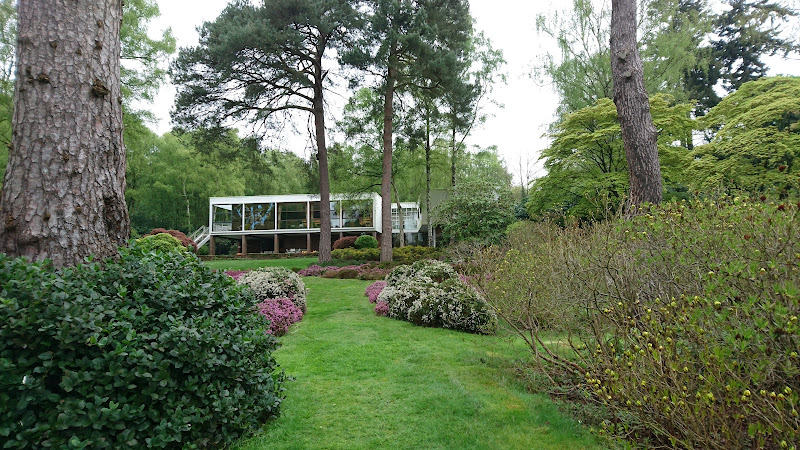
Let me tell you about one of Britain's most fascinating architectural gems that I recently had the pleasure of exploring. The Homewood stands as a striking example of early 20th-century modernist design, breaking away from traditional country house aesthetics. What makes this place truly special is how it seamlessly blends avant-garde architecture with the surrounding landscape. Built between 1937 and 1938, this remarkable Cubist-style residence represents the vision of young architect Patrick Gwynne, who designed it for his family when he was just in his early twenties. The clean lines and geometric shapes of the building might initially seem at odds with its garden setting, but trust me - it works beautifully. The house appears to float above the ground on pillars (we architects call these piloti), creating this amazing visual effect that still feels contemporary nearly a century later. Inside, you'll discover an incredibly forward-thinking living space that was way ahead of its time.Key Features
• Innovative raised design with the main living areas elevated on columns • Original 1930s furniture and fittings carefully preserved • Expansive floor-to-ceiling windows offering panoramic garden views • Meticulously maintained modernist gardens spanning several acres • Historic kitchen featuring original built-in appliances and storage solutions • Unique circular dining room with rotating serving hatch • Custom-designed furniture that perfectly complements the architecture • Original architect's studio where Patrick Gwynne worked until 1984 • Period-authentic art deco bathroom fixtures • Groundbreaking heating and ventilation systems for its timeBest Time to Visit
From my experience, late spring through early autumn offers the most rewarding visits to The Homewood. The gardens really come alive between May and September, and the large windows allow natural light to flood the interior spaces most dramatically during these months. Summer afternoons are particularly magical, as the sun casts interesting shadows through the geometric architecture onto the grounds. I'd recommend planning your visit for a clear day since the interaction between the building and natural light is such a crucial part of experiencing this architectural masterpiece. The property offers limited tours throughout the year, typically running from March to November, with more frequent slots available during peak summer months.How to Get There
Getting to The Homewood requires a bit of planning since visits are strictly by pre-booked guided tours only. The property sits in Surrey, and you'll find it's actually quite accessible despite its secluded feeling. If you're driving, there's dedicated parking available for visitors. Those relying on public transport can take a train from London, followed by a short taxi ride or bus journey to the property. I should mention that you absolutely must book your tour in advance - this isn't a place where you can just show up hoping to get in. The intimate tour groups help preserve the special atmosphere of the house and ensure everyone gets a proper chance to appreciate its unique features.Tips for Visiting
Having been here several times, I've picked up some helpful tips that'll make your visit even better. First off, wear comfortable shoes - you'll be doing quite a bit of standing during the tour, and there's the gardens to explore too. Bring a camera (though interior photos are limited), as the architecture provides some fantastic photo opportunities. The tours last approximately 2 hours, so plan accordingly. I'd suggest arriving about 15 minutes early to get oriented and maybe grab a quick glimpse of the exterior. Since the house maintains many original features, it can get quite warm during summer months - dress in layers that you can adjust easily. Don't rush through the gardens after your house tour - they're an integral part of the design and deserve proper exploration. The guides are incredibly knowledgeable, so don't be shy about asking questions. They love sharing interesting details about the house's history and architectural significance. Also, keep in mind that some areas of the house have steps and different levels - it's just part of that innovative 1930s design. While there are adaptations for accessibility, it's worth checking ahead if you have specific requirements. And ya know what? Pack a small notebook - you might want to jot down some of the fascinating architectural details or innovative design solutions that could inspire your own home improvements!Key Features
- Key Features
- Best Time to Visit
- How to Get There
- Tips for Visiting
More Details
Updated June 20, 2025
Table of Contents
Description
Let me tell you about one of Britain’s most fascinating architectural gems that I recently had the pleasure of exploring. The Homewood stands as a striking example of early 20th-century modernist design, breaking away from traditional country house aesthetics. What makes this place truly special is how it seamlessly blends avant-garde architecture with the surrounding landscape. Built between 1937 and 1938, this remarkable Cubist-style residence represents the vision of young architect Patrick Gwynne, who designed it for his family when he was just in his early twenties.
The clean lines and geometric shapes of the building might initially seem at odds with its garden setting, but trust me – it works beautifully. The house appears to float above the ground on pillars (we architects call these piloti), creating this amazing visual effect that still feels contemporary nearly a century later. Inside, you’ll discover an incredibly forward-thinking living space that was way ahead of its time.
Key Features
• Innovative raised design with the main living areas elevated on columns
• Original 1930s furniture and fittings carefully preserved
• Expansive floor-to-ceiling windows offering panoramic garden views
• Meticulously maintained modernist gardens spanning several acres
• Historic kitchen featuring original built-in appliances and storage solutions
• Unique circular dining room with rotating serving hatch
• Custom-designed furniture that perfectly complements the architecture
• Original architect’s studio where Patrick Gwynne worked until 1984
• Period-authentic art deco bathroom fixtures
• Groundbreaking heating and ventilation systems for its time
Best Time to Visit
From my experience, late spring through early autumn offers the most rewarding visits to The Homewood. The gardens really come alive between May and September, and the large windows allow natural light to flood the interior spaces most dramatically during these months. Summer afternoons are particularly magical, as the sun casts interesting shadows through the geometric architecture onto the grounds.
I’d recommend planning your visit for a clear day since the interaction between the building and natural light is such a crucial part of experiencing this architectural masterpiece. The property offers limited tours throughout the year, typically running from March to November, with more frequent slots available during peak summer months.
How to Get There
Getting to The Homewood requires a bit of planning since visits are strictly by pre-booked guided tours only. The property sits in Surrey, and you’ll find it’s actually quite accessible despite its secluded feeling. If you’re driving, there’s dedicated parking available for visitors. Those relying on public transport can take a train from London, followed by a short taxi ride or bus journey to the property.
I should mention that you absolutely must book your tour in advance – this isn’t a place where you can just show up hoping to get in. The intimate tour groups help preserve the special atmosphere of the house and ensure everyone gets a proper chance to appreciate its unique features.
Tips for Visiting
Having been here several times, I’ve picked up some helpful tips that’ll make your visit even better. First off, wear comfortable shoes – you’ll be doing quite a bit of standing during the tour, and there’s the gardens to explore too. Bring a camera (though interior photos are limited), as the architecture provides some fantastic photo opportunities.
The tours last approximately 2 hours, so plan accordingly. I’d suggest arriving about 15 minutes early to get oriented and maybe grab a quick glimpse of the exterior. Since the house maintains many original features, it can get quite warm during summer months – dress in layers that you can adjust easily.
Don’t rush through the gardens after your house tour – they’re an integral part of the design and deserve proper exploration. The guides are incredibly knowledgeable, so don’t be shy about asking questions. They love sharing interesting details about the house’s history and architectural significance.
Also, keep in mind that some areas of the house have steps and different levels – it’s just part of that innovative 1930s design. While there are adaptations for accessibility, it’s worth checking ahead if you have specific requirements. And ya know what? Pack a small notebook – you might want to jot down some of the fascinating architectural details or innovative design solutions that could inspire your own home improvements!
Key Highlights
- Key Features
- Best Time to Visit
- How to Get There
- Tips for Visiting
Location
Places to Stay Near National Trust - The Homewood
Find and Book a Tour
Explore More Travel Guides
No reviews found! Be the first to review!
Traveler Reviews for National Trust – The Homewood
There are no reviews yet. Be the first one to write one.
Have you visited National Trust – The Homewood? Help other travelers by sharing your review.
You Might Also Like

National Trust – Claremont Landscape Garden

High Ropes at The Oakwood
Find Accommodations Nearby
Recommended Tours & Activities
Visitor Reviews
There are no reviews yet. Be the first one to write one.
Share Your Experience
Have you visited National Trust – The Homewood? Help other travelers by leaving a review.