
National Trust – Gawthorpe Hall
About National Trust – Gawthorpe Hall
Description
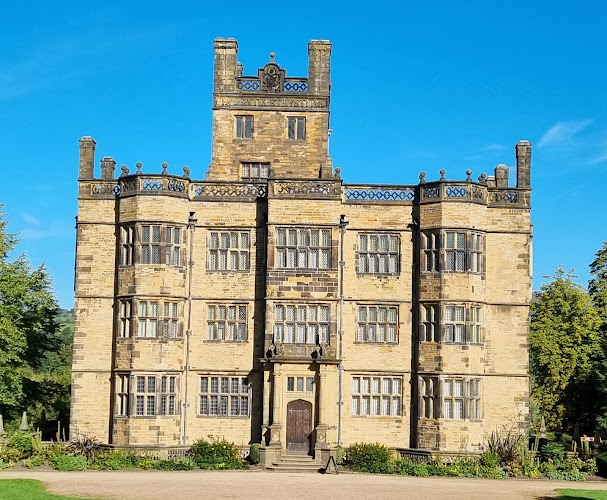
Gawthorpe Hall is one of those rare gems that manages to blend history, art, and a touch of literary mystique in a way that feels both grand and surprisingly intimate. Originally built in the early 1600s as an Elizabethan manor, it later received a Victorian makeover that added a dash of drama without losing the charm of its Jacobean roots. If you’re into houses that tell stories, this one’s a storyteller’s dream. The Shuttleworth family, who called it home for centuries, left behind a fascinating legacy, including connections to the Brontë sisters—yes, that Brontë family—making it a magnet for literature buffs and history lovers alike.
Walking through Gawthorpe Hall, you’ll notice the intricate seventeenth-century oak panelling and the ornate plaster ceilings, which are like stepping into a time capsule. The Victorian influence is evident in the redesigned rooms by Sir Charles Barry, the same architect who worked on the Palace of Westminster, so you know you’re in for some architectural eye candy. But it’s not just the building itself that captivates; the house also boasts an impressive collection of portraits and textiles. The textile collection is particularly noteworthy, offering a rare glimpse into the craftsmanship and styles that have evolved over centuries. It’s like a quiet museum nestled inside a home, where every fabric and painting has a story to tell.
Outside, the hall is surrounded by landscaped gardens and woodlands that provide a peaceful retreat from the hustle and bustle of modern life. Whether you’re a keen gardener or just someone who enjoys a good stroll, the grounds offer a lovely setting to unwind. It’s the kind of place where you might find yourself lingering longer than planned, just soaking in the atmosphere and imagining the lives once lived within those walls.
Key Features
- Elizabethan architecture with Victorian-era enhancements by Sir Charles Barry
- Rich collection of seventeenth-century oak panelling and decorative plasterwork
- Portrait and textile collections showcasing historical craftsmanship and family heritage
- Strong literary connections to the Brontë family, adding a unique cultural layer
- Expansive landscaped gardens and woodlands perfect for leisurely walks
- Wheelchair accessible entrance, parking, and restrooms, making it welcoming for all visitors
- Onsite amenities including restrooms and easy payment options like credit, debit, and mobile NFC
- Family-friendly environment with activities and spaces suitable for children
Best Time to Visit
Picking the right time to visit Gawthorpe Hall can really shape your experience. Spring and early summer are absolute winners if you want to see the gardens in full bloom—there’s something about the fresh greenery and floral scents that just lifts the whole vibe of the place. Plus, the longer daylight hours mean you’ve got more time to explore both inside and out without rushing. Autumn’s another great option if you’re into those warm, golden hues and a bit of crisp air. The hall takes on a cozy, almost storybook feel as the leaves change color.
Winter visits can be a bit quieter and more reflective, though some rooms might feel a tad chilly despite the history oozing from every corner. If you’re the kind who enjoys fewer crowds and a more contemplative atmosphere, then off-peak times might suit you just fine. Just keep in mind that some parts of the gardens might look a little bare during the colder months.
How to Get There
Getting to Gawthorpe Hall is pretty straightforward, whether you’re coming by car or public transport. If you’re driving, there’s wheelchair accessible parking right on site, which is a huge plus if you’re traveling with family or friends who need it. The hall is located near Burnley in Lancashire, so if you’re coming from Manchester or Liverpool, expect about an hour’s drive depending on traffic.
For those relying on public transport, buses run regularly to Padiham, the nearby town, and from there it’s a short taxi ride or a decent walk to the hall itself. Just a heads up—if you’re carrying little ones or lots of gear, the walk might feel longer than it looks on the map, so plan accordingly. The accessibility features at the entrance and inside the hall mean you won’t have to worry too much about mobility issues once you’re there.
Tips for Visiting
Here’s a little insider advice to make your visit to Gawthorpe Hall smoother and more enjoyable. First off, take your time. It’s tempting to rush through the rooms, but the real magic is in the details—the hand-painted wallpaper, the delicate embroidery on the textiles, and the stories behind each portrait. Don’t be shy about asking the staff questions; they’re usually full of fascinating tidbits that don’t always make it into the guidebooks.
Also, wear comfortable shoes. Between the house tours and wandering the gardens, you’ll be on your feet more than you might expect. If you’re visiting with kids, the hall is surprisingly good for keeping them engaged, with enough space to explore and plenty of visual treats that spark curiosity.
Photography is generally allowed, but be mindful of any signs restricting flash or tripods—those old interiors don’t take kindly to harsh lighting or clumsy equipment. And if you’re a fan of textiles or historical fashion, don’t miss the dedicated displays; they’re a real highlight and often overlooked by the casual visitor.
Lastly, check the National Trust’s calendar before you go. Gawthorpe Hall sometimes hosts special events, exhibitions, or workshops that can add a whole new dimension to your visit. Whether it’s a textile workshop or a literary talk, these experiences can turn a simple day out into a memorable adventure.
Key Features
- Elizabethan architecture with Victorian-era enhancements by Sir Charles Barry
- Rich collection of seventeenth-century oak panelling and decorative plasterwork
- Portrait and textile collections showcasing historical craftsmanship and family heritage
- Strong literary connections to the Brontë family, adding a unique cultural layer
- Expansive landscaped gardens and woodlands perfect for leisurely walks
- Wheelchair accessible entrance, parking, and restrooms, making it welcoming for all visitors
- Onsite amenities including restrooms and easy payment options like credit, debit, and mobile NFC
- Family-friendly environment with activities and spaces suitable for children
More Details
Updated July 13, 2025
Table of Contents
Description
Gawthorpe Hall is one of those rare gems that manages to blend history, art, and a touch of literary mystique in a way that feels both grand and surprisingly intimate. Originally built in the early 1600s as an Elizabethan manor, it later received a Victorian makeover that added a dash of drama without losing the charm of its Jacobean roots. If you’re into houses that tell stories, this one’s a storyteller’s dream. The Shuttleworth family, who called it home for centuries, left behind a fascinating legacy, including connections to the Brontë sisters—yes, that Brontë family—making it a magnet for literature buffs and history lovers alike.
Walking through Gawthorpe Hall, you’ll notice the intricate seventeenth-century oak panelling and the ornate plaster ceilings, which are like stepping into a time capsule. The Victorian influence is evident in the redesigned rooms by Sir Charles Barry, the same architect who worked on the Palace of Westminster, so you know you’re in for some architectural eye candy. But it’s not just the building itself that captivates; the house also boasts an impressive collection of portraits and textiles. The textile collection is particularly noteworthy, offering a rare glimpse into the craftsmanship and styles that have evolved over centuries. It’s like a quiet museum nestled inside a home, where every fabric and painting has a story to tell.
Outside, the hall is surrounded by landscaped gardens and woodlands that provide a peaceful retreat from the hustle and bustle of modern life. Whether you’re a keen gardener or just someone who enjoys a good stroll, the grounds offer a lovely setting to unwind. It’s the kind of place where you might find yourself lingering longer than planned, just soaking in the atmosphere and imagining the lives once lived within those walls.
Key Features
- Elizabethan architecture with Victorian-era enhancements by Sir Charles Barry
- Rich collection of seventeenth-century oak panelling and decorative plasterwork
- Portrait and textile collections showcasing historical craftsmanship and family heritage
- Strong literary connections to the Brontë family, adding a unique cultural layer
- Expansive landscaped gardens and woodlands perfect for leisurely walks
- Wheelchair accessible entrance, parking, and restrooms, making it welcoming for all visitors
- Onsite amenities including restrooms and easy payment options like credit, debit, and mobile NFC
- Family-friendly environment with activities and spaces suitable for children
Best Time to Visit
Picking the right time to visit Gawthorpe Hall can really shape your experience. Spring and early summer are absolute winners if you want to see the gardens in full bloom—there’s something about the fresh greenery and floral scents that just lifts the whole vibe of the place. Plus, the longer daylight hours mean you’ve got more time to explore both inside and out without rushing. Autumn’s another great option if you’re into those warm, golden hues and a bit of crisp air. The hall takes on a cozy, almost storybook feel as the leaves change color.
Winter visits can be a bit quieter and more reflective, though some rooms might feel a tad chilly despite the history oozing from every corner. If you’re the kind who enjoys fewer crowds and a more contemplative atmosphere, then off-peak times might suit you just fine. Just keep in mind that some parts of the gardens might look a little bare during the colder months.
How to Get There
Getting to Gawthorpe Hall is pretty straightforward, whether you’re coming by car or public transport. If you’re driving, there’s wheelchair accessible parking right on site, which is a huge plus if you’re traveling with family or friends who need it. The hall is located near Burnley in Lancashire, so if you’re coming from Manchester or Liverpool, expect about an hour’s drive depending on traffic.
For those relying on public transport, buses run regularly to Padiham, the nearby town, and from there it’s a short taxi ride or a decent walk to the hall itself. Just a heads up—if you’re carrying little ones or lots of gear, the walk might feel longer than it looks on the map, so plan accordingly. The accessibility features at the entrance and inside the hall mean you won’t have to worry too much about mobility issues once you’re there.
Tips for Visiting
Here’s a little insider advice to make your visit to Gawthorpe Hall smoother and more enjoyable. First off, take your time. It’s tempting to rush through the rooms, but the real magic is in the details—the hand-painted wallpaper, the delicate embroidery on the textiles, and the stories behind each portrait. Don’t be shy about asking the staff questions; they’re usually full of fascinating tidbits that don’t always make it into the guidebooks.
Also, wear comfortable shoes. Between the house tours and wandering the gardens, you’ll be on your feet more than you might expect. If you’re visiting with kids, the hall is surprisingly good for keeping them engaged, with enough space to explore and plenty of visual treats that spark curiosity.
Photography is generally allowed, but be mindful of any signs restricting flash or tripods—those old interiors don’t take kindly to harsh lighting or clumsy equipment. And if you’re a fan of textiles or historical fashion, don’t miss the dedicated displays; they’re a real highlight and often overlooked by the casual visitor.
Lastly, check the National Trust’s calendar before you go. Gawthorpe Hall sometimes hosts special events, exhibitions, or workshops that can add a whole new dimension to your visit. Whether it’s a textile workshop or a literary talk, these experiences can turn a simple day out into a memorable adventure.
Key Highlights
- Elizabethan architecture with Victorian-era enhancements by Sir Charles Barry
- Rich collection of seventeenth-century oak panelling and decorative plasterwork
- Portrait and textile collections showcasing historical craftsmanship and family heritage
- Strong literary connections to the Brontë family, adding a unique cultural layer
- Expansive landscaped gardens and woodlands perfect for leisurely walks
- Wheelchair accessible entrance, parking, and restrooms, making it welcoming for all visitors
- Onsite amenities including restrooms and easy payment options like credit, debit, and mobile NFC
- Family-friendly environment with activities and spaces suitable for children
Location
Places to Stay Near National Trust - Gawthorpe Hall
Find and Book a Tour
Explore More Travel Guides
No reviews found! Be the first to review!
Traveler Reviews for National Trust – Gawthorpe Hall
There are no reviews yet. Be the first one to write one.
Have you visited National Trust – Gawthorpe Hall? Help other travelers by sharing your review.
You Might Also Like

Air Unlimited Burnley
Healey Wood
Scott Park
Find Accommodations Nearby
Recommended Tours & Activities
Visitor Reviews
There are no reviews yet. Be the first one to write one.
Share Your Experience
Have you visited National Trust – Gawthorpe Hall? Help other travelers by leaving a review.