
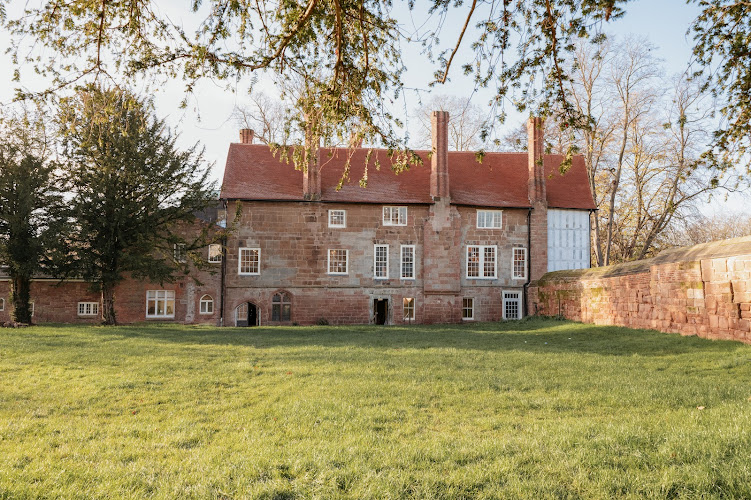
National Trust, Charterhouse, Coventry
About National Trust, Charterhouse, Coventry
Description
National Trust, Charterhouse in Coventry is the kind of place that sneaks up on you. One minute you’re thinking, oh, another historic building, and the next you’re standing in a quiet courtyard wondering how on earth this much history survived everything Coventry has been through. And yes, that includes the Blitz, post-war rebuilding, and the usual urban chaos. Charterhouse feels like a pause button. You step inside and the city noise just sort of…drops away.
This heritage museum sits on the site of a former Carthusian monastery, founded back in the 14th century. That alone is impressive, but what really sticks is how many lives the place has lived since then. Monks, Elizabethan gentlemen, industrialists, and now curious travelers with cameras and coffee cups. It’s layered history, not polished-flat history, and that’s why it works.
The National Trust has taken a careful approach here. Instead of over-curating every corner, they’ve left room for you to think, wander, and sometimes just sit. There are interpretation panels and guided tours if you want context (and honestly, you probably do), but there’s also space for wandering off mentally. I remember sitting in the gardens longer than planned because the place felt calm in a way that’s hard to fake.
Travelers often come to Coventry for the cathedral or transport links, then discover Charterhouse almost by accident. And that’s a shame, because it deserves to be a reason, not an afterthought. As a museum, it tells stories of faith, power, and survival. As a garden space, it gives your legs and your brain a break. As a National Trust site, it carries that familiar mix of gentle authority and welcoming warmth. Not perfect, but honest.
It’s also surprisingly family-friendly. Kids aren’t shushed into silence here, and there’s enough open space to let them burn off energy. Accessibility has clearly been thought through too, which matters more than people admit. Wheelchair access, accessible toilets, proper seating. The basics done right, which makes a big difference on a day out.
Key Features
- Historic Charterhouse buildings with centuries of layered use and stories
- Peaceful gardens that feel removed from the surrounding city
- Heritage museum displays focusing on monastic life and later residents
- National Trust-led guided tours for deeper historical context
- On-site café for light meals, drinks, and the essential sit-down moment
- Wheelchair accessible entrance, restrooms, and seating throughout
- Family-friendly layout with space for children to explore
- On-site parking, which in Coventry feels like a small miracle
Best Time to Visit
If you ask me, late spring and early summer are when Charterhouse really shows off. The gardens come into their own, flowers doing their thing, bees buzzing like they’ve got important meetings to attend. The light hits the old stone just right too. Autumn has its charm, more muted, more thoughtful. Winter is quieter, colder obviously, but there’s something quite powerful about walking through a former monastery on a grey day. It suits the mood.
Weekdays tend to be calmer, especially outside school holidays. That said, weekends have a nice hum to them. Families, couples, solo wanderers like me pretending to be deep in thought. It rarely feels overcrowded though. The space absorbs people well, if that makes sense.
Morning visits are ideal if you want that hushed, reflective atmosphere. Afternoons are better if you’re combining the visit with the café and a longer garden stroll. And if you can time it with a guided tour, do it. Even if you think you’re not a tour person. I used to say that too, until a volunteer pointed out details I would’ve walked past without a clue.
How to Get There
Getting to National Trust, Charterhouse Coventry is refreshingly straightforward. The site sits close enough to central Coventry to be accessible, but far enough to feel separate once you arrive. If you’re driving, on-site parking removes a lot of stress. No circling side streets or arguing with sat navs that have clearly given up on life.
Public transport users won’t feel stranded either. Coventry is well connected by train and bus, and from there it’s a manageable onward journey. Some people choose to walk from the city centre, especially on a nice day. It’s not a bad option if you enjoy seeing how old and new Coventry rub along together. And sometimes clash. That contrast actually makes arriving at Charterhouse more satisfying.
Cyclists can also make it work, though you’ll want to check routes in advance. The surrounding roads vary from calm to “pay attention now”, depending on the approach. Still, arriving under your own steam does add a sense of achievement. Or maybe that’s just me justifying being stubborn about transport choices.
Tips for Visiting
First tip: give yourself more time than you think you’ll need. Charterhouse looks modest on paper, but it has a way of slowing you down. Plan for at least a couple of hours, longer if you like gardens or get lost reading interpretation panels like I do.
Second, talk to the staff and volunteers. They’re not robots delivering rehearsed lines. Many have personal connections to the place or deep knowledge they’re itching to share. Ask questions. Even simple ones. You’ll often get stories that aren’t on the signs.
If you’re visiting with kids, let them lead part of the visit. The open spaces and tactile elements work better when they’re allowed a bit of freedom. And yes, there are changing tables, which is one of those details you don’t appreciate until you really, really do.
Accessibility-wise, Charterhouse does a solid job. Still, it’s worth checking ahead if you have specific needs, especially for guided tours. Staff are usually happy to adapt when they can. I’ve seen them go out of their way, which says a lot.
Don’t skip the café, even if it’s just for a drink. Sitting down halfway through helps reset your brain. And it gives you a chance to look back at the buildings with fresh eyes. I’ve had some of my best “oh wow” moments with a mug in hand.
Finally, manage expectations. This isn’t a flashy, high-tech museum. Some displays are understated, some stories take effort to piece together. But that’s kind of the point. National Trust, Charterhouse Coventry rewards curiosity, patience, and a willingness to lean in. If you bring that, you’ll leave with more than just photos. You’ll leave feeling like you’ve brushed up against something quietly important. And honestly, those are the places I remember longest.
Key Features
- Historic Charterhouse buildings with centuries of layered use and stories
- Peaceful gardens that feel removed from the surrounding city
- Heritage museum displays focusing on monastic life and later residents
- National Trust-led guided tours for deeper historical context
- On-site café for light meals, drinks, and the essential sit-down moment
- Wheelchair accessible entrance, restrooms, and seating throughout
- Family-friendly layout with space for children to explore
- On-site parking, which in Coventry feels like a small miracle
More Details
Updated December 31, 2025
Table of Contents
- Description
- Key Features
- Best Time to Visit
- How to Get There
- Tips for Visiting
- Key Highlights
- Location
- Places to Stay Near National Trust, Charterhouse, Coventry
- Find and Book a Tour
- Explore More Travel Guides
- Nearby Places You Might Like
- Traveler Reviews for National Trust, Charterhouse, Coventry
- Share Your Experience
Description
National Trust, Charterhouse in Coventry is the kind of place that sneaks up on you. One minute you’re thinking, oh, another historic building, and the next you’re standing in a quiet courtyard wondering how on earth this much history survived everything Coventry has been through. And yes, that includes the Blitz, post-war rebuilding, and the usual urban chaos. Charterhouse feels like a pause button. You step inside and the city noise just sort of…drops away.
This heritage museum sits on the site of a former Carthusian monastery, founded back in the 14th century. That alone is impressive, but what really sticks is how many lives the place has lived since then. Monks, Elizabethan gentlemen, industrialists, and now curious travelers with cameras and coffee cups. It’s layered history, not polished-flat history, and that’s why it works.
The National Trust has taken a careful approach here. Instead of over-curating every corner, they’ve left room for you to think, wander, and sometimes just sit. There are interpretation panels and guided tours if you want context (and honestly, you probably do), but there’s also space for wandering off mentally. I remember sitting in the gardens longer than planned because the place felt calm in a way that’s hard to fake.
Travelers often come to Coventry for the cathedral or transport links, then discover Charterhouse almost by accident. And that’s a shame, because it deserves to be a reason, not an afterthought. As a museum, it tells stories of faith, power, and survival. As a garden space, it gives your legs and your brain a break. As a National Trust site, it carries that familiar mix of gentle authority and welcoming warmth. Not perfect, but honest.
It’s also surprisingly family-friendly. Kids aren’t shushed into silence here, and there’s enough open space to let them burn off energy. Accessibility has clearly been thought through too, which matters more than people admit. Wheelchair access, accessible toilets, proper seating. The basics done right, which makes a big difference on a day out.
Key Features
- Historic Charterhouse buildings with centuries of layered use and stories
- Peaceful gardens that feel removed from the surrounding city
- Heritage museum displays focusing on monastic life and later residents
- National Trust-led guided tours for deeper historical context
- On-site café for light meals, drinks, and the essential sit-down moment
- Wheelchair accessible entrance, restrooms, and seating throughout
- Family-friendly layout with space for children to explore
- On-site parking, which in Coventry feels like a small miracle
Best Time to Visit
If you ask me, late spring and early summer are when Charterhouse really shows off. The gardens come into their own, flowers doing their thing, bees buzzing like they’ve got important meetings to attend. The light hits the old stone just right too. Autumn has its charm, more muted, more thoughtful. Winter is quieter, colder obviously, but there’s something quite powerful about walking through a former monastery on a grey day. It suits the mood.
Weekdays tend to be calmer, especially outside school holidays. That said, weekends have a nice hum to them. Families, couples, solo wanderers like me pretending to be deep in thought. It rarely feels overcrowded though. The space absorbs people well, if that makes sense.
Morning visits are ideal if you want that hushed, reflective atmosphere. Afternoons are better if you’re combining the visit with the café and a longer garden stroll. And if you can time it with a guided tour, do it. Even if you think you’re not a tour person. I used to say that too, until a volunteer pointed out details I would’ve walked past without a clue.
How to Get There
Getting to National Trust, Charterhouse Coventry is refreshingly straightforward. The site sits close enough to central Coventry to be accessible, but far enough to feel separate once you arrive. If you’re driving, on-site parking removes a lot of stress. No circling side streets or arguing with sat navs that have clearly given up on life.
Public transport users won’t feel stranded either. Coventry is well connected by train and bus, and from there it’s a manageable onward journey. Some people choose to walk from the city centre, especially on a nice day. It’s not a bad option if you enjoy seeing how old and new Coventry rub along together. And sometimes clash. That contrast actually makes arriving at Charterhouse more satisfying.
Cyclists can also make it work, though you’ll want to check routes in advance. The surrounding roads vary from calm to “pay attention now”, depending on the approach. Still, arriving under your own steam does add a sense of achievement. Or maybe that’s just me justifying being stubborn about transport choices.
Tips for Visiting
First tip: give yourself more time than you think you’ll need. Charterhouse looks modest on paper, but it has a way of slowing you down. Plan for at least a couple of hours, longer if you like gardens or get lost reading interpretation panels like I do.
Second, talk to the staff and volunteers. They’re not robots delivering rehearsed lines. Many have personal connections to the place or deep knowledge they’re itching to share. Ask questions. Even simple ones. You’ll often get stories that aren’t on the signs.
If you’re visiting with kids, let them lead part of the visit. The open spaces and tactile elements work better when they’re allowed a bit of freedom. And yes, there are changing tables, which is one of those details you don’t appreciate until you really, really do.
Accessibility-wise, Charterhouse does a solid job. Still, it’s worth checking ahead if you have specific needs, especially for guided tours. Staff are usually happy to adapt when they can. I’ve seen them go out of their way, which says a lot.
Don’t skip the café, even if it’s just for a drink. Sitting down halfway through helps reset your brain. And it gives you a chance to look back at the buildings with fresh eyes. I’ve had some of my best “oh wow” moments with a mug in hand.
Finally, manage expectations. This isn’t a flashy, high-tech museum. Some displays are understated, some stories take effort to piece together. But that’s kind of the point. National Trust, Charterhouse Coventry rewards curiosity, patience, and a willingness to lean in. If you bring that, you’ll leave with more than just photos. You’ll leave feeling like you’ve brushed up against something quietly important. And honestly, those are the places I remember longest.
Key Highlights
- Historic Charterhouse buildings with centuries of layered use and stories
- Peaceful gardens that feel removed from the surrounding city
- Heritage museum displays focusing on monastic life and later residents
- National Trust-led guided tours for deeper historical context
- On-site café for light meals, drinks, and the essential sit-down moment
- Wheelchair accessible entrance, restrooms, and seating throughout
- Family-friendly layout with space for children to explore
- On-site parking, which in Coventry feels like a small miracle
Location
Places to Stay Near National Trust, Charterhouse, Coventry
Find and Book a Tour
Explore More Travel Guides
No reviews found! Be the first to review!
Traveler Reviews for National Trust, Charterhouse, Coventry
There are no reviews yet. Be the first one to write one.
Have you visited National Trust, Charterhouse, Coventry? Help other travelers by sharing your review.
You Might Also Like
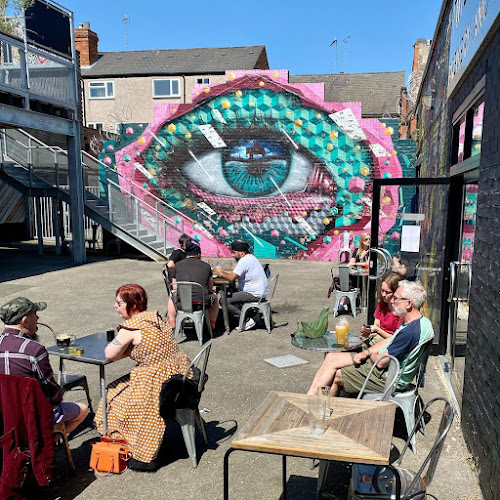
FarGo Village

Allesley Hall Dr

Midland Air Museum
Find Accommodations Nearby
Recommended Tours & Activities
Visitor Reviews
There are no reviews yet. Be the first one to write one.
Share Your Experience
Have you visited National Trust, Charterhouse, Coventry? Help other travelers by leaving a review.