
National Stadium
About National Stadium
Description
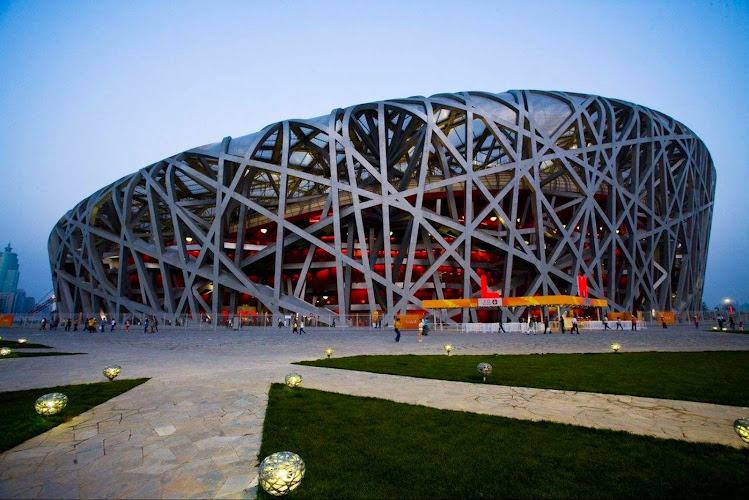
The National Stadium stands as one of Beijing's most remarkable architectural achievements, though calling it just a stadium feels like an understatement. Most people know it better as the Bird's Nest, and honestly, once you see it in person, you'll understand why that nickname stuck. The intricate lattice of steel beams twisting around the structure really does look like someone scaled up a bird's nest to absolutely massive proportions. Built for the 2008 Summer Olympics, this place became an instant icon and remains one of those structures that photographs simply can't do justice. You've got to stand beneath those interwoven steel beams, crane your neck upward, and just take in the sheer audacity of the design. The architects Herzog & de Meuron, working with Chinese artist Ai Weiwei, created something that manages to feel both futuristic and organic at the same time. These days, the stadium hosts major sporting events, concerts, and cultural performances. And while it might not be as buzzing with activity as during those Olympic weeks back in 2008, there's still plenty happening here. The facility has adapted remarkably well to life after the Games, which honestly is more than you can say for many Olympic venues around the world that just sit there gathering dust. Walking around the Olympic Green area where the stadium sits, you'll find yourself in a space that feels both monumental and weirdly peaceful. The surrounding park has become a favorite spot for locals doing their morning exercises, flying kites, or just enjoying some open space in an otherwise packed city. The contrast between the cutting-edge architecture and everyday life happening around it creates this interesting dynamic that feels very Beijing.Key Features
The National Stadium offers visitors a range of experiences and amenities that make it worth the trip: • The architectural design itself features 42,000 tons of steel arranged in a seemingly chaotic but carefully calculated pattern that's become one of the world's most photographed structures • Stadium tours take you through areas most visitors never see during events, including the VIP sections and areas where Olympic athletes once prepared for their competitions • The main arena can hold up to 80,000 spectators during major events and has hosted everyone from international football matches to concerts by global music stars • Wheelchair accessibility throughout the facility makes it genuinely approachable for all visitors, with proper entrance ramps, dedicated parking areas, and accessible restrooms • A museum inside showcases Olympic memorabilia and interactive exhibits that let you experience what it might feel like to compete in various Olympic events • The exterior lighting system transforms the structure at night into a glowing spectacle that changes colors for different events and seasons • Modern payment systems accept both cards and mobile payments, making transactions straightforward for international visitors • Family-friendly facilities include changing tables and clean restrooms, which believe me, can be a relief after you've been exploring Beijing all day • The surrounding Olympic Park provides additional walking paths, water features, and viewing angles perfect for photography enthusiasts • On-site services ensure you won't have to leave the complex for basic needs during your visitBest Time to Visit
Timing your visit to the National Stadium really depends on what kind of experience you're after. Spring months from April through May offer probably the most comfortable weather for walking around the exterior and exploring the Olympic Park area. The temperatures haven't gotten oppressive yet, and you'll often see clear blue skies that make for spectacular photos. But here's the thing - visiting during an actual event gives you an entirely different experience than just touring the facility. Major concerts and sporting events happen throughout the year, and experiencing the stadium filled with 80,000 people is genuinely electric. Check the event schedule before you plan your Beijing trip because catching a show here might become the highlight of your visit. Summer can be brutally hot and crowded, especially during Chinese school holidays. I wouldn't necessarily avoid it, but come prepared with sun protection and patience. The upside? Summer evenings often feature spectacular events and the night-time illumination looks particularly stunning against warm summer skies. Autumn, particularly September and October, rivals spring as an ideal visiting period. The weather's cooled down, the summer tourist rush has eased, and there's often a packed events calendar as venues ramp up programming before winter. Winter visits have their own appeal despite the cold. The structure looks striking against snow, and you'll encounter far fewer crowds during regular tour hours. Just bundle up because Beijing winters don't mess around. That wind whipping across the Olympic Green will cut right through you. Weekdays generally see lighter tourist traffic than weekends, though this matters less if you're attending an event. Early mornings offer the best light for photography and the calmest atmosphere for contemplative viewing.How to Get There
Getting to the National Stadium is refreshingly straightforward thanks to Beijing's excellent public transportation system. The subway remains your best option - take Line 8 and get off at Olympic Sports Center Station or Olympic Green Station. Both put you within easy walking distance of the stadium, and you can't really miss it once you're in the area because, well, it's enormous. Taxis work fine too, and most drivers know exactly where you mean when you say "Bird's Nest" even if your Mandarin pronunciation leaves something to be desired. Using ride-hailing apps like Didi makes this even easier since you can just point at your destination on the map. Traffic can be unpredictable though, so factor in extra time if you're trying to catch an event with a specific start time. Bus routes 82, 207, 380, 406, 408, 415, 518, and 628 all stop near the Olympic Park area. Buses cost less than the subway but take longer and can be confusing if you don't read Chinese characters. The subway's honestly your friend here. If you're staying in central Beijing, the journey typically takes 30-45 minutes depending on your starting point and which subway lines you need to transfer between. The Olympic Green area is north of the city center, so plan accordingly. Some hotels offer shuttle services to major tourist sites including the Olympic area, so check with your accommodation. Private tours also typically include the National Stadium as part of Olympic Park itineraries, which handles all the transportation logistics for you. During major events, expect the transportation system around the stadium to be absolutely packed. Arrive early and prepare for crowds when leaving. The subway stations can get overwhelmed after big concerts with everyone trying to leave at once.Tips for Visiting
Purchase tickets in advance for both tours and events whenever possible. Day-of-availability isn't guaranteed, especially during peak tourist seasons, and you'll save yourself potential disappointment. The official ticketing system accepts international credit cards, making advance purchases relatively painless. Bring your passport or keep a photo copy on your phone. Security checks happen for most visits, and you might need identification. This goes double for event days when security understandably gets more thorough. The Olympic Park area is massive, and you'll do more walking than you might anticipate. Comfortable shoes aren't just recommended - they're essential. I learned this the hard way wearing new sneakers that looked great but destroyed my feet halfway through exploring the grounds. Photography enthusiasts should visit at different times of day if possible. The morning light hits the structure beautifully from the east, while evening illumination creates entirely different photographic opportunities. The golden hour before sunset offers particularly stunning conditions. Download a translation app before arriving. While major tourist areas have English signage, many exhibits and information plaques use primarily Chinese. Having instant translation capabilities enhances your understanding considerably. Food and drink options exist on-site, but they're limited compared to what you'll find in the city. Bring water, especially during warmer months, and consider eating before or after your stadium visit unless you're attending an event. The surrounding Olympic Park deserves exploration time beyond just the stadium itself. The Water Cube (now called the Ice Cube) sits nearby and makes for interesting comparison in terms of Olympic architecture. Budget at least 2-3 hours for a thorough visit to the entire Olympic Green area. Weather in Beijing can change quickly. Check forecasts and bring layers or rain protection as needed. The open areas around the stadium offer limited shelter from sudden weather shifts. Visit the bathrooms before starting your tour because opportunities become limited once you're in certain sections of the facility. The restrooms are clean and well-maintained, so take advantage of them. For families with young children, the interactive museum areas provide engaging breaks from just walking and looking. The exhibits designed to simulate Olympic sports are particularly popular with kids and give them something hands-on to enjoy. If you're visiting during winter, the outdoor portions of any tour can be genuinely freezing. The architecture remains impressive in cold weather, but you won't enjoy it much if you're shivering uncontrollably. Consider timing your visit to see both day and night views if your schedule allows. The transformation when the lighting system activates after dark really is spectacular and offers a completely different perspective on the architecture.Key Features
- Iconic interlaced steel ‘bird’s nest’ exterior designed by Herzog & de Meuron
- Main arena that hosted the 2008 Olympic opening and closing ceremonies
- Capacity around 80,000 (up to ~91,000 with temporary seating)
- Guided tours and event programming (concerts, sports, seasonal events)
- Adjacent Olympic Green park with walking paths and photo vantage points
More Details
Updated March 30, 2026
Table of Contents
Description
The National Stadium stands as one of Beijing’s most remarkable architectural achievements, though calling it just a stadium feels like an understatement. Most people know it better as the Bird’s Nest, and honestly, once you see it in person, you’ll understand why that nickname stuck. The intricate lattice of steel beams twisting around the structure really does look like someone scaled up a bird’s nest to absolutely massive proportions.
Built for the 2008 Summer Olympics, this place became an instant icon and remains one of those structures that photographs simply can’t do justice. You’ve got to stand beneath those interwoven steel beams, crane your neck upward, and just take in the sheer audacity of the design. The architects Herzog & de Meuron, working with Chinese artist Ai Weiwei, created something that manages to feel both futuristic and organic at the same time.
These days, the stadium hosts major sporting events, concerts, and cultural performances. And while it might not be as buzzing with activity as during those Olympic weeks back in 2008, there’s still plenty happening here. The facility has adapted remarkably well to life after the Games, which honestly is more than you can say for many Olympic venues around the world that just sit there gathering dust.
Walking around the Olympic Green area where the stadium sits, you’ll find yourself in a space that feels both monumental and weirdly peaceful. The surrounding park has become a favorite spot for locals doing their morning exercises, flying kites, or just enjoying some open space in an otherwise packed city. The contrast between the cutting-edge architecture and everyday life happening around it creates this interesting dynamic that feels very Beijing.
Key Features
The National Stadium offers visitors a range of experiences and amenities that make it worth the trip:
• The architectural design itself features 42,000 tons of steel arranged in a seemingly chaotic but carefully calculated pattern that’s become one of the world’s most photographed structures
• Stadium tours take you through areas most visitors never see during events, including the VIP sections and areas where Olympic athletes once prepared for their competitions
• The main arena can hold up to 80,000 spectators during major events and has hosted everyone from international football matches to concerts by global music stars
• Wheelchair accessibility throughout the facility makes it genuinely approachable for all visitors, with proper entrance ramps, dedicated parking areas, and accessible restrooms
• A museum inside showcases Olympic memorabilia and interactive exhibits that let you experience what it might feel like to compete in various Olympic events
• The exterior lighting system transforms the structure at night into a glowing spectacle that changes colors for different events and seasons
• Modern payment systems accept both cards and mobile payments, making transactions straightforward for international visitors
• Family-friendly facilities include changing tables and clean restrooms, which believe me, can be a relief after you’ve been exploring Beijing all day
• The surrounding Olympic Park provides additional walking paths, water features, and viewing angles perfect for photography enthusiasts
• On-site services ensure you won’t have to leave the complex for basic needs during your visit
Best Time to Visit
Timing your visit to the National Stadium really depends on what kind of experience you’re after. Spring months from April through May offer probably the most comfortable weather for walking around the exterior and exploring the Olympic Park area. The temperatures haven’t gotten oppressive yet, and you’ll often see clear blue skies that make for spectacular photos.
But here’s the thing – visiting during an actual event gives you an entirely different experience than just touring the facility. Major concerts and sporting events happen throughout the year, and experiencing the stadium filled with 80,000 people is genuinely electric. Check the event schedule before you plan your Beijing trip because catching a show here might become the highlight of your visit.
Summer can be brutally hot and crowded, especially during Chinese school holidays. I wouldn’t necessarily avoid it, but come prepared with sun protection and patience. The upside? Summer evenings often feature spectacular events and the night-time illumination looks particularly stunning against warm summer skies.
Autumn, particularly September and October, rivals spring as an ideal visiting period. The weather’s cooled down, the summer tourist rush has eased, and there’s often a packed events calendar as venues ramp up programming before winter.
Winter visits have their own appeal despite the cold. The structure looks striking against snow, and you’ll encounter far fewer crowds during regular tour hours. Just bundle up because Beijing winters don’t mess around. That wind whipping across the Olympic Green will cut right through you.
Weekdays generally see lighter tourist traffic than weekends, though this matters less if you’re attending an event. Early mornings offer the best light for photography and the calmest atmosphere for contemplative viewing.
How to Get There
Getting to the National Stadium is refreshingly straightforward thanks to Beijing’s excellent public transportation system. The subway remains your best option – take Line 8 and get off at Olympic Sports Center Station or Olympic Green Station. Both put you within easy walking distance of the stadium, and you can’t really miss it once you’re in the area because, well, it’s enormous.
Taxis work fine too, and most drivers know exactly where you mean when you say “Bird’s Nest” even if your Mandarin pronunciation leaves something to be desired. Using ride-hailing apps like Didi makes this even easier since you can just point at your destination on the map. Traffic can be unpredictable though, so factor in extra time if you’re trying to catch an event with a specific start time.
Bus routes 82, 207, 380, 406, 408, 415, 518, and 628 all stop near the Olympic Park area. Buses cost less than the subway but take longer and can be confusing if you don’t read Chinese characters. The subway’s honestly your friend here.
If you’re staying in central Beijing, the journey typically takes 30-45 minutes depending on your starting point and which subway lines you need to transfer between. The Olympic Green area is north of the city center, so plan accordingly.
Some hotels offer shuttle services to major tourist sites including the Olympic area, so check with your accommodation. Private tours also typically include the National Stadium as part of Olympic Park itineraries, which handles all the transportation logistics for you.
During major events, expect the transportation system around the stadium to be absolutely packed. Arrive early and prepare for crowds when leaving. The subway stations can get overwhelmed after big concerts with everyone trying to leave at once.
Tips for Visiting
Purchase tickets in advance for both tours and events whenever possible. Day-of-availability isn’t guaranteed, especially during peak tourist seasons, and you’ll save yourself potential disappointment. The official ticketing system accepts international credit cards, making advance purchases relatively painless.
Bring your passport or keep a photo copy on your phone. Security checks happen for most visits, and you might need identification. This goes double for event days when security understandably gets more thorough.
The Olympic Park area is massive, and you’ll do more walking than you might anticipate. Comfortable shoes aren’t just recommended – they’re essential. I learned this the hard way wearing new sneakers that looked great but destroyed my feet halfway through exploring the grounds.
Photography enthusiasts should visit at different times of day if possible. The morning light hits the structure beautifully from the east, while evening illumination creates entirely different photographic opportunities. The golden hour before sunset offers particularly stunning conditions.
Download a translation app before arriving. While major tourist areas have English signage, many exhibits and information plaques use primarily Chinese. Having instant translation capabilities enhances your understanding considerably.
Food and drink options exist on-site, but they’re limited compared to what you’ll find in the city. Bring water, especially during warmer months, and consider eating before or after your stadium visit unless you’re attending an event.
The surrounding Olympic Park deserves exploration time beyond just the stadium itself. The Water Cube (now called the Ice Cube) sits nearby and makes for interesting comparison in terms of Olympic architecture. Budget at least 2-3 hours for a thorough visit to the entire Olympic Green area.
Weather in Beijing can change quickly. Check forecasts and bring layers or rain protection as needed. The open areas around the stadium offer limited shelter from sudden weather shifts.
Visit the bathrooms before starting your tour because opportunities become limited once you’re in certain sections of the facility. The restrooms are clean and well-maintained, so take advantage of them.
For families with young children, the interactive museum areas provide engaging breaks from just walking and looking. The exhibits designed to simulate Olympic sports are particularly popular with kids and give them something hands-on to enjoy.
If you’re visiting during winter, the outdoor portions of any tour can be genuinely freezing. The architecture remains impressive in cold weather, but you won’t enjoy it much if you’re shivering uncontrollably.
Consider timing your visit to see both day and night views if your schedule allows. The transformation when the lighting system activates after dark really is spectacular and offers a completely different perspective on the architecture.
Key Highlights
- Iconic interlaced steel ‘bird’s nest’ exterior designed by Herzog & de Meuron
- Main arena that hosted the 2008 Olympic opening and closing ceremonies
- Capacity around 80,000 (up to ~91,000 with temporary seating)
- Guided tours and event programming (concerts, sports, seasonal events)
- Adjacent Olympic Green park with walking paths and photo vantage points
Location
Places to Stay Near National Stadium
Find and Book a Tour
Explore More Travel Guides
No reviews found! Be the first to review!
National Stadium is a prominent attractions located in Chaoyang.
Visit us at: 1 Guojiatiyuchang S Rd, Chaoyang, China, 100101.
Traveler Reviews for National Stadium
There are no reviews yet. Be the first one to write one.
Have you visited National Stadium? Help other travelers by sharing your review.
Nearby Attractions
You Might Also Like

798 Art District
Beijing Zoo
Beijing Ming City Wall Ruins Park
Find Accommodations Nearby
Recommended Tours & Activities
Visitor Reviews
There are no reviews yet. Be the first one to write one.
Share Your Experience
Have you visited National Stadium? Help other travelers by leaving a review.