

National Shrine of Our Mother of Perpetual Help
About National Shrine of Our Mother of Perpetual Help
Description
There’s something quietly magnetic about the National Shrine of Our Mother of Perpetual Help—more commonly called Baclaran Church by locals. Maybe it’s the way the morning light filters through its rose window, painting soft colors on the pews, or maybe it’s the hum of prayers that never really stop echoing through its walls. This isn’t just another church; it’s one of the most visited and spiritually charged places in the Philippines. Every Wednesday, thousands gather here for the famous Perpetual Help novena, a tradition that’s been alive since the 1940s. If you’ve ever been caught in the sea of devotees flowing down Roxas Boulevard toward Baclaran, you’ll know what I mean—it’s a living, breathing act of faith.
The shrine is dedicated to Our Mother of Perpetual Help, whose icon rests above the main altar. The image, believed to be miraculous by many, has drawn pilgrims from all over the world. And while the church’s modern Romanesque design might not scream “ancient,” it has a kind of timeless dignity. The 24-bell carillon that rings through the air adds to the solemn yet uplifting mood, reminding everyone that this place is alive with devotion. The architecture balances simplicity with grandeur, and that’s part of its charm—it’s welcoming, not intimidating.
Despite the crowds, there’s a sense of order and peace. I remember sitting quietly one Wednesday morning, watching people from all walks of life—vendors, students, professionals, even tourists—light candles and whisper prayers. It’s humbling, honestly. You don’t have to be Catholic to feel the weight of history and hope here. The shrine has seen decades of change around it, yet it remains a constant—a spiritual anchor in the ever-busy Manila landscape.
Key Features
- Icon of Our Mother of Perpetual Help: The heart of the shrine, this centuries-old icon is believed to be miraculous and is the focal point of devotion for millions.
- Modern Romanesque Architecture: A blend of classic church design with contemporary elements, featuring a striking façade and a spacious interior.
- 24-Bell Carillon: The melodic chime of its bells marks special moments throughout the day, adding a musical layer to the spiritual atmosphere.
- Colorful Rose Window: A stunning circular stained glass window that filters sunlight into a kaleidoscope of colors inside the church.
- Wheelchair Accessibility: The shrine is fully accessible, with ramps, wide entrances, and accessible restrooms for visitors with mobility needs.
- Onsite Services: Regular Masses, confessions, and novenas are held throughout the week, with Wednesdays being the busiest for devotees.
- Quiet Reflection Areas: Despite the crowds, there are peaceful corners where visitors can sit, meditate, or simply breathe in the calm.
- Community Outreach: The Redemptorist community runs various programs supporting the poor and marginalized, reflecting the shrine’s mission of compassion.
Best Time to Visit
If you’re hoping to experience the shrine in its full spiritual intensity, go on a Wednesday—the day of the Perpetual Help novena. But be warned: it gets packed. Thousands of devotees come together, creating a sea of faith that’s both overwhelming and beautiful. If you prefer a quieter visit, early mornings on weekdays are ideal. The air is cooler, the crowds are thinner, and you can take your time soaking in the atmosphere without feeling rushed.
Christmas season is another special time here. The church grounds are often decorated with lights and nativity displays, and the carols ringing out during Simbang Gabi (the Filipino dawn Mass tradition) are something you’ll never forget. I once attended a dawn Mass here, and the combination of candlelight, music, and sleepy but joyful faces made it one of my favorite Manila memories.
On the other hand, if you’re not a fan of big crowds, avoid Wednesday evenings and major feast days like the Feast of Our Mother of Perpetual Help in June. Still, there’s a quiet magic in witnessing the devotion of thousands—it’s one of those experiences that stays with you long after you’ve left.
How to Get There
Reaching the National Shrine of Our Mother of Perpetual Help is pretty straightforward, especially since it’s one of the most well-known landmarks in Metro Manila. If you’re coming from the airport, it’s just a short drive away—about 10 to 15 minutes depending on traffic (and yes, Manila traffic can test your patience). Jeepneys, buses, and the LRT Line 1 all pass near the area. The Baclaran LRT Station is the closest stop, and from there, it’s just a short walk to the shrine.
For those taking a taxi or a ride-hailing app, simply mention “Baclaran Church” and your driver will know exactly where to go. It’s that iconic. If you’re driving, parking can be tricky during peak hours, but there are nearby lots and street parking options if you’re patient. And if you’re a first-timer, I’d suggest arriving early to explore the nearby market stalls—Baclaran is famous for its bargain shopping, from clothes to religious items. It’s chaotic but in a strangely charming way.
Tips for Visiting
First things first: dress modestly. It’s a place of worship, after all, and while tourists are welcome, respect is key. Light, comfortable clothing is best since the Philippines can get hot and humid, especially around midday. Bring a fan or a small towel—it’s a local trick for surviving the heat while waiting for Mass or novena to start.
If you want to participate in the novena, arrive early to find a seat. The pews fill up fast, and standing for an hour-long service can be tiring. I learned that the hard way on my first visit! Also, bring some coins or small bills if you plan to light candles or make an offering. The candle area is a colorful sight—hundreds of flickering lights symbolizing prayers sent skyward.
Photography is allowed in most areas, but be mindful during services. It’s easy to get caught up in the moment, especially when you see the sunlight hitting the altar just right, but remember that for many, this is sacred ground. If you’re traveling with kids, keep them close—Baclaran can get crowded, and it’s easy to lose sight of each other in the flow of people.
For those with mobility challenges, the shrine is well-equipped with ramps and accessible restrooms, which is a huge plus. There’s also a sense of community here that’s hard to describe until you experience it. Even if you’re just sitting quietly, someone might hand you a prayer book or offer a smile. It’s that kind of place—warm, unpretentious, and deeply human.
And here’s a personal tip: after your visit, take a short walk to the nearby food stalls. Try the local kakanin (rice cakes) or a cup of taho (sweet tofu snack). It’s a small but delightful way to end your pilgrimage or sightseeing trip. Sometimes, the best travel memories come from those little moments outside the main attraction.
Whether you’re visiting for spiritual reasons or simply curious about one of Manila’s most iconic landmarks, the National Shrine of Our Mother of Perpetual Help offers something rare—a glimpse into the heart of Filipino faith and resilience. It’s not just a church; it’s a living story of devotion, community, and hope that continues to unfold every single day. And honestly, even if you’re not religious, it’s hard not to feel moved by the energy of this place. It’s one of those spots that quietly stays with you long after you’ve gone home.
Key Features
- Key Features
- Best Time to Visit
- How to Get There
- Tips for Visiting
More Details
Updated November 7, 2025
Table of Contents
- Description
- Key Features
- Best Time to Visit
- How to Get There
- Tips for Visiting
- Key Highlights
- Location
- Places to Stay Near National Shrine of Our Mother of Perpetual Help
- Find and Book a Tour
- Explore More Travel Guides
- Nearby Places You Might Like
- Traveler Reviews for National Shrine of Our Mother of Perpetual Help
- Share Your Experience
Description
There’s something quietly magnetic about the National Shrine of Our Mother of Perpetual Help—more commonly called Baclaran Church by locals. Maybe it’s the way the morning light filters through its rose window, painting soft colors on the pews, or maybe it’s the hum of prayers that never really stop echoing through its walls. This isn’t just another church; it’s one of the most visited and spiritually charged places in the Philippines. Every Wednesday, thousands gather here for the famous Perpetual Help novena, a tradition that’s been alive since the 1940s. If you’ve ever been caught in the sea of devotees flowing down Roxas Boulevard toward Baclaran, you’ll know what I mean—it’s a living, breathing act of faith.
The shrine is dedicated to Our Mother of Perpetual Help, whose icon rests above the main altar. The image, believed to be miraculous by many, has drawn pilgrims from all over the world. And while the church’s modern Romanesque design might not scream “ancient,” it has a kind of timeless dignity. The 24-bell carillon that rings through the air adds to the solemn yet uplifting mood, reminding everyone that this place is alive with devotion. The architecture balances simplicity with grandeur, and that’s part of its charm—it’s welcoming, not intimidating.
Despite the crowds, there’s a sense of order and peace. I remember sitting quietly one Wednesday morning, watching people from all walks of life—vendors, students, professionals, even tourists—light candles and whisper prayers. It’s humbling, honestly. You don’t have to be Catholic to feel the weight of history and hope here. The shrine has seen decades of change around it, yet it remains a constant—a spiritual anchor in the ever-busy Manila landscape.
Key Features
- Icon of Our Mother of Perpetual Help: The heart of the shrine, this centuries-old icon is believed to be miraculous and is the focal point of devotion for millions.
- Modern Romanesque Architecture: A blend of classic church design with contemporary elements, featuring a striking façade and a spacious interior.
- 24-Bell Carillon: The melodic chime of its bells marks special moments throughout the day, adding a musical layer to the spiritual atmosphere.
- Colorful Rose Window: A stunning circular stained glass window that filters sunlight into a kaleidoscope of colors inside the church.
- Wheelchair Accessibility: The shrine is fully accessible, with ramps, wide entrances, and accessible restrooms for visitors with mobility needs.
- Onsite Services: Regular Masses, confessions, and novenas are held throughout the week, with Wednesdays being the busiest for devotees.
- Quiet Reflection Areas: Despite the crowds, there are peaceful corners where visitors can sit, meditate, or simply breathe in the calm.
- Community Outreach: The Redemptorist community runs various programs supporting the poor and marginalized, reflecting the shrine’s mission of compassion.
Best Time to Visit
If you’re hoping to experience the shrine in its full spiritual intensity, go on a Wednesday—the day of the Perpetual Help novena. But be warned: it gets packed. Thousands of devotees come together, creating a sea of faith that’s both overwhelming and beautiful. If you prefer a quieter visit, early mornings on weekdays are ideal. The air is cooler, the crowds are thinner, and you can take your time soaking in the atmosphere without feeling rushed.
Christmas season is another special time here. The church grounds are often decorated with lights and nativity displays, and the carols ringing out during Simbang Gabi (the Filipino dawn Mass tradition) are something you’ll never forget. I once attended a dawn Mass here, and the combination of candlelight, music, and sleepy but joyful faces made it one of my favorite Manila memories.
On the other hand, if you’re not a fan of big crowds, avoid Wednesday evenings and major feast days like the Feast of Our Mother of Perpetual Help in June. Still, there’s a quiet magic in witnessing the devotion of thousands—it’s one of those experiences that stays with you long after you’ve left.
How to Get There
Reaching the National Shrine of Our Mother of Perpetual Help is pretty straightforward, especially since it’s one of the most well-known landmarks in Metro Manila. If you’re coming from the airport, it’s just a short drive away—about 10 to 15 minutes depending on traffic (and yes, Manila traffic can test your patience). Jeepneys, buses, and the LRT Line 1 all pass near the area. The Baclaran LRT Station is the closest stop, and from there, it’s just a short walk to the shrine.
For those taking a taxi or a ride-hailing app, simply mention “Baclaran Church” and your driver will know exactly where to go. It’s that iconic. If you’re driving, parking can be tricky during peak hours, but there are nearby lots and street parking options if you’re patient. And if you’re a first-timer, I’d suggest arriving early to explore the nearby market stalls—Baclaran is famous for its bargain shopping, from clothes to religious items. It’s chaotic but in a strangely charming way.
Tips for Visiting
First things first: dress modestly. It’s a place of worship, after all, and while tourists are welcome, respect is key. Light, comfortable clothing is best since the Philippines can get hot and humid, especially around midday. Bring a fan or a small towel—it’s a local trick for surviving the heat while waiting for Mass or novena to start.
If you want to participate in the novena, arrive early to find a seat. The pews fill up fast, and standing for an hour-long service can be tiring. I learned that the hard way on my first visit! Also, bring some coins or small bills if you plan to light candles or make an offering. The candle area is a colorful sight—hundreds of flickering lights symbolizing prayers sent skyward.
Photography is allowed in most areas, but be mindful during services. It’s easy to get caught up in the moment, especially when you see the sunlight hitting the altar just right, but remember that for many, this is sacred ground. If you’re traveling with kids, keep them close—Baclaran can get crowded, and it’s easy to lose sight of each other in the flow of people.
For those with mobility challenges, the shrine is well-equipped with ramps and accessible restrooms, which is a huge plus. There’s also a sense of community here that’s hard to describe until you experience it. Even if you’re just sitting quietly, someone might hand you a prayer book or offer a smile. It’s that kind of place—warm, unpretentious, and deeply human.
And here’s a personal tip: after your visit, take a short walk to the nearby food stalls. Try the local kakanin (rice cakes) or a cup of taho (sweet tofu snack). It’s a small but delightful way to end your pilgrimage or sightseeing trip. Sometimes, the best travel memories come from those little moments outside the main attraction.
Whether you’re visiting for spiritual reasons or simply curious about one of Manila’s most iconic landmarks, the National Shrine of Our Mother of Perpetual Help offers something rare—a glimpse into the heart of Filipino faith and resilience. It’s not just a church; it’s a living story of devotion, community, and hope that continues to unfold every single day. And honestly, even if you’re not religious, it’s hard not to feel moved by the energy of this place. It’s one of those spots that quietly stays with you long after you’ve gone home.
Key Highlights
- Key Features
- Best Time to Visit
- How to Get There
- Tips for Visiting
Location
Places to Stay Near National Shrine of Our Mother of Perpetual Help
Find and Book a Tour
Explore More Travel Guides
No reviews found! Be the first to review!
Traveler Reviews for National Shrine of Our Mother of Perpetual Help
There are no reviews yet. Be the first one to write one.
Have you visited National Shrine of Our Mother of Perpetual Help? Help other travelers by sharing your review.
You Might Also Like

Solaire Resort
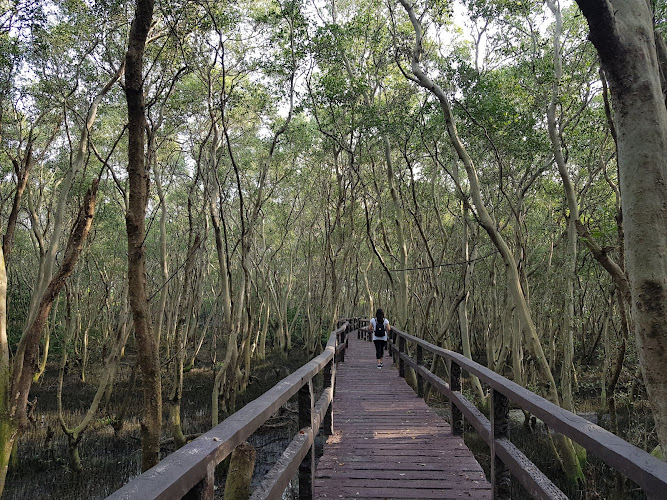
Las Piñas-Parañaque Wetland Park
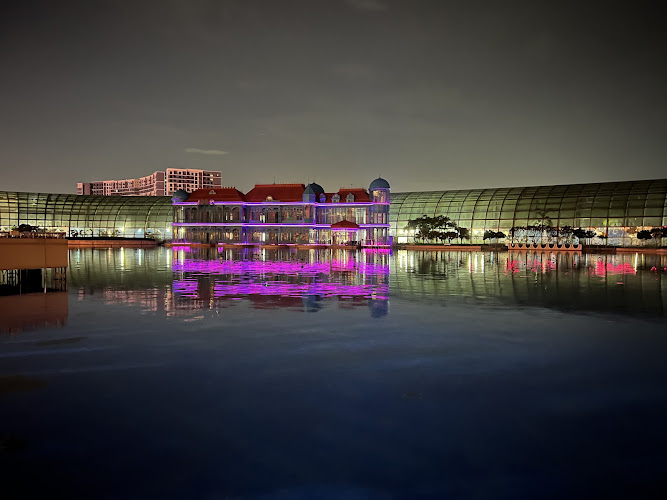
The Fountain at Okada Manila
Find Accommodations Nearby
Recommended Tours & Activities
Visitor Reviews
There are no reviews yet. Be the first one to write one.
Share Your Experience
Have you visited National Shrine of Our Mother of Perpetual Help? Help other travelers by leaving a review.