
Las Piñas-Parañaque Wetland Park
About Las Piñas-Parañaque Wetland Park
Description
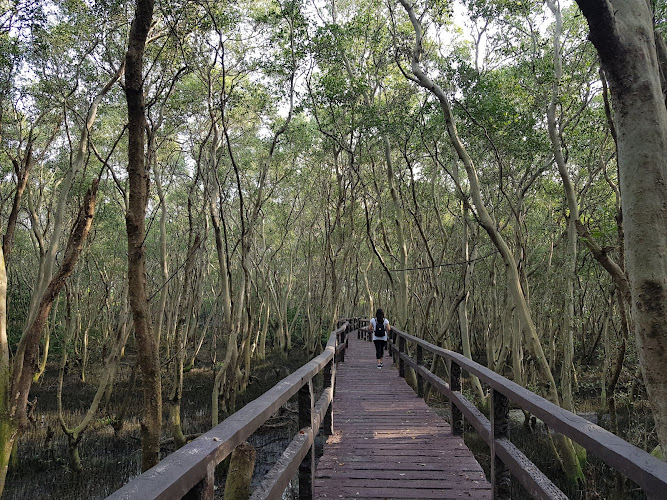
The Las Piñas–Parañaque Wetland Park, often called by locals as LPPWP, is one of those rare patches of wild serenity that somehow survived in the middle of Metro Manila’s relentless urban sprawl. It’s not your typical park with manicured lawns and snack kiosks every few steps—this is a living, breathing wetland where nature still writes its own script. The air feels different here, a mix of salt, mud, and mangrove leaves, and if you pause long enough, you’ll hear the chatter of migratory birds that have traveled thousands of miles just to rest on its shores.
What makes this place remarkable is how it manages to feel both raw and peaceful at the same time. The wetlands stretch across two reclaimed islands—Freedom Island and Long Island—and together they form a protected habitat recognized internationally as a Ramsar site. That means it’s globally important for biodiversity, especially for migratory birds along the East Asian–Australasian Flyway. You’ll find egrets, herons, sandpipers, and sometimes even rare species like the Chinese egret, which is a treat for birdwatchers with a keen eye.
I remember my first visit here—it was a humid morning, the kind that makes your shirt stick to your back. I wasn’t expecting much, to be honest. But then, as I walked along the trail, I caught sight of hundreds of birds lifting off the mudflats in unison. It was like watching a living cloud take flight. That moment alone made the trip worth it. And that’s the thing about this park—it doesn’t try to impress you with flash; it quietly humbles you with life.
Of course, not everything is perfect. Some areas still bear the scars of pollution from nearby developments, and depending on the season, parts of the trail can get muddy or even flooded. But if you’re the kind of traveler who appreciates authenticity over comfort, this place will speak to you. It’s where the city’s chaos fades and the rhythm of the tides takes over.
Key Features
- Birdwatching Paradise: Home to more than 80 species of migratory and resident birds, making it one of the best birding spots in Luzon.
- Mangrove Forests: The park shelters 11 species of mangroves that act as natural barriers against storm surges and provide nurseries for marine life.
- Eco Trails: Several walking and cycling paths allow visitors to explore the wetlands up close while staying mindful of the delicate ecosystem.
- Educational Center: The park serves as a hub for environmental education, often hosting school trips, clean-up drives, and nature talks.
- Picnic and Rest Areas: Shaded picnic tables are scattered around, perfect for families or groups looking to unwind after a walk.
- Accessibility: The entrance and main trails are wheelchair-accessible, making it inclusive for visitors of all abilities.
- Pet-Friendly Zones: There’s even a designated dog park area, so your furry companions can enjoy the fresh air too.
Every corner of this place seems to whisper stories—of tides, of migration, of resilience. And if you slow down enough, you’ll realize that the wetlands aren’t just a refuge for birds; they’re a reminder that nature can still coexist with the city, if we let it.
Best Time to Visit
If you’re planning a trip, timing is everything. The best months to visit the Las Piñas–Parañaque Wetland Park are between November and March, when migratory birds from as far as Siberia and China flock to the area to escape the cold. Early mornings are magical—cooler temperatures, softer light, and more bird activity. Bring binoculars if you have them; you’ll want to see the details on those wings.
During the rainy season (June to September), the park takes on a different character. The mangroves look greener, the air feels heavier, and the trails can get slippery. It’s not the most comfortable time to visit, but if you don’t mind a little mud, it’s a fantastic time for photography. The reflections on the flooded flats are surreal.
Weekdays are generally quieter. On weekends, especially when the weather’s nice, expect to see families, cyclists, and nature enthusiasts wandering around. And honestly, that’s part of the charm—seeing people reconnect with nature, even if just for a few hours.
How to Get There
Getting to the Las Piñas–Parañaque Wetland Park is easier than most people think. From most parts of Metro Manila, you can take a jeepney or bus heading toward the Coastal Road or the Parañaque area. If you’re driving, there’s parking available near the entrance, though it can fill up quickly on weekends. Ride-hailing services like Grab also drop off passengers right at the main gate if you simply pin the park’s name as your destination.
For those who prefer a bit of adventure, cycling to the park is a rewarding experience. There are designated bike lanes leading toward the area, and the coastal breeze makes the ride surprisingly pleasant. Just make sure to bring water and sunscreen—it can get hot once the sun’s up.
Public transportation is improving around the area, but still, plan your trip ahead. The park’s location along Manila Bay means it’s slightly off the main commuter routes, which is probably why it has managed to stay relatively peaceful compared to other attractions in the city.
Tips for Visiting
Here’s where a little planning goes a long way. The Las Piñas–Parañaque Wetland Park isn’t a theme park—it’s a natural habitat. So, a few simple tips can make your visit more enjoyable and respectful to the environment:
- Bring binoculars and a camera. You’ll regret it if you don’t. The birdlife here is incredible, and some species are rarely seen elsewhere in the region.
- Wear comfortable shoes. Trails can be uneven or muddy, especially after rain. A good pair of walking shoes or sandals with grip will save you from slipping.
- Pack light but smart. Bring water, snacks, insect repellent, and maybe a hat. There are shaded areas, but the sun can be unforgiving.
- Respect wildlife. Keep noise to a minimum. Don’t feed the birds or disturb their nesting areas—it’s their home, after all.
- Join a guided tour. Local guides often share insights about the mangroves, bird species, and conservation efforts. It adds so much depth to the experience.
- Clean as you go. It’s heartbreaking to see litter in such a precious ecosystem. Bring a small trash bag and take your waste with you.
- Check the tide schedule. Low tide is the best time for birdwatching since the mudflats are exposed and full of feeding birds.
- Stay for sunset. If you can, linger until late afternoon. Watching the sun dip behind Manila Bay while the birds return to roost—it’s a quiet kind of magic you won’t forget.
Personally, I think what makes this place special isn’t just its biodiversity—it’s the feeling of being somewhere that still belongs to nature, even in a city that never seems to sleep. You’ll walk away with muddy shoes, maybe a few mosquito bites, but also a deeper appreciation for the fragile beauty that still exists around us.
So, if you ever find yourself craving a break from the noise and concrete, take a short trip to the Las Piñas–Parañaque Wetland Park. It’s not glamorous, but it’s real—and sometimes, that’s exactly what the soul needs.
Key Features
- Key Features
- Best Time to Visit
- How to Get There
- Tips for Visiting
More Details
Updated November 7, 2025
Table of Contents
Description
The Las Piñas–Parañaque Wetland Park, often called by locals as LPPWP, is one of those rare patches of wild serenity that somehow survived in the middle of Metro Manila’s relentless urban sprawl. It’s not your typical park with manicured lawns and snack kiosks every few steps—this is a living, breathing wetland where nature still writes its own script. The air feels different here, a mix of salt, mud, and mangrove leaves, and if you pause long enough, you’ll hear the chatter of migratory birds that have traveled thousands of miles just to rest on its shores.
What makes this place remarkable is how it manages to feel both raw and peaceful at the same time. The wetlands stretch across two reclaimed islands—Freedom Island and Long Island—and together they form a protected habitat recognized internationally as a Ramsar site. That means it’s globally important for biodiversity, especially for migratory birds along the East Asian–Australasian Flyway. You’ll find egrets, herons, sandpipers, and sometimes even rare species like the Chinese egret, which is a treat for birdwatchers with a keen eye.
I remember my first visit here—it was a humid morning, the kind that makes your shirt stick to your back. I wasn’t expecting much, to be honest. But then, as I walked along the trail, I caught sight of hundreds of birds lifting off the mudflats in unison. It was like watching a living cloud take flight. That moment alone made the trip worth it. And that’s the thing about this park—it doesn’t try to impress you with flash; it quietly humbles you with life.
Of course, not everything is perfect. Some areas still bear the scars of pollution from nearby developments, and depending on the season, parts of the trail can get muddy or even flooded. But if you’re the kind of traveler who appreciates authenticity over comfort, this place will speak to you. It’s where the city’s chaos fades and the rhythm of the tides takes over.
Key Features
- Birdwatching Paradise: Home to more than 80 species of migratory and resident birds, making it one of the best birding spots in Luzon.
- Mangrove Forests: The park shelters 11 species of mangroves that act as natural barriers against storm surges and provide nurseries for marine life.
- Eco Trails: Several walking and cycling paths allow visitors to explore the wetlands up close while staying mindful of the delicate ecosystem.
- Educational Center: The park serves as a hub for environmental education, often hosting school trips, clean-up drives, and nature talks.
- Picnic and Rest Areas: Shaded picnic tables are scattered around, perfect for families or groups looking to unwind after a walk.
- Accessibility: The entrance and main trails are wheelchair-accessible, making it inclusive for visitors of all abilities.
- Pet-Friendly Zones: There’s even a designated dog park area, so your furry companions can enjoy the fresh air too.
Every corner of this place seems to whisper stories—of tides, of migration, of resilience. And if you slow down enough, you’ll realize that the wetlands aren’t just a refuge for birds; they’re a reminder that nature can still coexist with the city, if we let it.
Best Time to Visit
If you’re planning a trip, timing is everything. The best months to visit the Las Piñas–Parañaque Wetland Park are between November and March, when migratory birds from as far as Siberia and China flock to the area to escape the cold. Early mornings are magical—cooler temperatures, softer light, and more bird activity. Bring binoculars if you have them; you’ll want to see the details on those wings.
During the rainy season (June to September), the park takes on a different character. The mangroves look greener, the air feels heavier, and the trails can get slippery. It’s not the most comfortable time to visit, but if you don’t mind a little mud, it’s a fantastic time for photography. The reflections on the flooded flats are surreal.
Weekdays are generally quieter. On weekends, especially when the weather’s nice, expect to see families, cyclists, and nature enthusiasts wandering around. And honestly, that’s part of the charm—seeing people reconnect with nature, even if just for a few hours.
How to Get There
Getting to the Las Piñas–Parañaque Wetland Park is easier than most people think. From most parts of Metro Manila, you can take a jeepney or bus heading toward the Coastal Road or the Parañaque area. If you’re driving, there’s parking available near the entrance, though it can fill up quickly on weekends. Ride-hailing services like Grab also drop off passengers right at the main gate if you simply pin the park’s name as your destination.
For those who prefer a bit of adventure, cycling to the park is a rewarding experience. There are designated bike lanes leading toward the area, and the coastal breeze makes the ride surprisingly pleasant. Just make sure to bring water and sunscreen—it can get hot once the sun’s up.
Public transportation is improving around the area, but still, plan your trip ahead. The park’s location along Manila Bay means it’s slightly off the main commuter routes, which is probably why it has managed to stay relatively peaceful compared to other attractions in the city.
Tips for Visiting
Here’s where a little planning goes a long way. The Las Piñas–Parañaque Wetland Park isn’t a theme park—it’s a natural habitat. So, a few simple tips can make your visit more enjoyable and respectful to the environment:
- Bring binoculars and a camera. You’ll regret it if you don’t. The birdlife here is incredible, and some species are rarely seen elsewhere in the region.
- Wear comfortable shoes. Trails can be uneven or muddy, especially after rain. A good pair of walking shoes or sandals with grip will save you from slipping.
- Pack light but smart. Bring water, snacks, insect repellent, and maybe a hat. There are shaded areas, but the sun can be unforgiving.
- Respect wildlife. Keep noise to a minimum. Don’t feed the birds or disturb their nesting areas—it’s their home, after all.
- Join a guided tour. Local guides often share insights about the mangroves, bird species, and conservation efforts. It adds so much depth to the experience.
- Clean as you go. It’s heartbreaking to see litter in such a precious ecosystem. Bring a small trash bag and take your waste with you.
- Check the tide schedule. Low tide is the best time for birdwatching since the mudflats are exposed and full of feeding birds.
- Stay for sunset. If you can, linger until late afternoon. Watching the sun dip behind Manila Bay while the birds return to roost—it’s a quiet kind of magic you won’t forget.
Personally, I think what makes this place special isn’t just its biodiversity—it’s the feeling of being somewhere that still belongs to nature, even in a city that never seems to sleep. You’ll walk away with muddy shoes, maybe a few mosquito bites, but also a deeper appreciation for the fragile beauty that still exists around us.
So, if you ever find yourself craving a break from the noise and concrete, take a short trip to the Las Piñas–Parañaque Wetland Park. It’s not glamorous, but it’s real—and sometimes, that’s exactly what the soul needs.
Key Highlights
- Key Features
- Best Time to Visit
- How to Get There
- Tips for Visiting
Location
Places to Stay Near Las Piñas-Parañaque Wetland Park
Find and Book a Tour
Explore More Travel Guides
No reviews found! Be the first to review!
Traveler Reviews for Las Piñas-Parañaque Wetland Park
There are no reviews yet. Be the first one to write one.
Have you visited Las Piñas-Parañaque Wetland Park? Help other travelers by sharing your review.
You Might Also Like

Barangay Don Galo Arch

Nightmares Manila

Palacio de Memoria
Find Accommodations Nearby
Recommended Tours & Activities
Visitor Reviews
There are no reviews yet. Be the first one to write one.
Share Your Experience
Have you visited Las Piñas-Parañaque Wetland Park? Help other travelers by leaving a review.