

National Museum of Rural Life
About National Museum of Rural Life
Description
The National Museum of Rural Life offers travelers a genuine glimpse into Scotland's agricultural heritage that goes far beyond what you'd typically expect from a museum visit. This isn't one of those places where you shuffle past dusty displays behind glass cases—though there are plenty of fascinating artifacts to admire. What makes this destination really special is how it brings farming history to life through an authentic 1950s working farm that still operates today. When I first heard about a museum dedicated to rural life, I'll admit I wasn't entirely convinced it would hold my attention for more than an hour or so. But here's the thing about this place—it manages to capture something essential about Scotland's character and history that you won't find in the castles and distilleries that dominate most tourist itineraries. Agriculture shaped this nation for centuries, and understanding that connection helps visitors appreciate the landscape and culture in ways they might not have considered before. The museum spans both indoor exhibition spaces and outdoor farm areas, covering over 170 acres of countryside. You'll find historic buildings that have been carefully preserved and relocated here, farm animals that kids absolutely adore, and machinery collections that reveal just how dramatically farming has transformed over the past century. And the tractor collection? It's surprisingly impressive, even if you've never given agricultural equipment a second thought in your life. What strikes most visitors is how the museum balances education with entertainment. The interactive displays keep children engaged while adults discover fascinating details about rural communities, farming innovations, and the daily lives of agricultural workers throughout Scottish history. It's one of those rare attractions where different generations actually enjoy themselves together rather than merely tolerating each other's interests.Key Features
- A fully operational 1950s working farm where visitors can observe traditional farming practices and seasonal agricultural work as it would have been conducted decades ago
- An extensive collection of vintage tractors and agricultural machinery showcasing the evolution of farming technology from horse-drawn implements to modern mechanized equipment
- Live farm animals including cattle, sheep, pigs, and poultry that provide hands-on learning opportunities particularly valuable for urban children who've never encountered livestock up close
- Historic farm buildings relocated from various parts of Scotland, including cottages, steadings, and outbuildings that illustrate traditional rural architecture and living conditions
- Indoor exhibition galleries featuring thousands of objects related to Scottish rural life, from household items to specialized farming tools that tell stories of innovation and adaptation
- Interactive displays designed specifically for families allowing children to try their hand at activities like butter churning, grain grinding, and other traditional farming tasks
- Seasonal demonstrations of rural crafts and farming techniques performed by knowledgeable staff who can answer questions and share insights about agricultural heritage
- Extensive grounds perfect for walking and exploring with trails that wind through fields and farmland offering peaceful countryside views
- Special events throughout the year including lambing season activities, harvest celebrations, and historical reenactments that bring different eras of farming to life
- Accessible facilities ensuring visitors with mobility challenges can experience the majority of the site including adapted pathways and viewing areas
Best Time to Visit
Timing your visit to the National Museum of Rural Life can significantly impact your experience, and honestly, each season offers something distinct worth considering. Spring, particularly late March through May, brings the excitement of lambing season when you'll see newborn animals taking their wobbly first steps. There's something genuinely heartwarming about watching kids' faces light up when they spot a lamb that's just hours old. The farm feels most alive during this period with renewed energy everywhere you look. Summer months from June through August bring the warmest weather and longest days, making it ideal for families who want to spend maximum time exploring the outdoor areas. The farm operates at full capacity during these months with more demonstrations scheduled and special activities running throughout the week. But here's the trade-off—it's also the busiest season. You'll encounter more crowds, particularly during school holidays when families flock here for day trips. If you don't mind sharing the experience with others and appreciate a livelier atmosphere, summer works perfectly fine. Autumn presents my personal favorite time to visit. September and October offer that sweet spot where the weather remains generally pleasant but crowds thin out considerably. The harvest activities create educational opportunities as visitors can learn about traditional crop gathering and preservation methods. The countryside takes on those beautiful golden and amber tones that make photography particularly rewarding. Plus, children are back in school during weekdays, meaning you might find yourself with relatively uncrowded access to exhibits and animals. Winter visits require more preparation since Scottish weather can be unpredictable and occasionally harsh. However, the museum maintains year-round operations with indoor exhibitions providing shelter when conditions outside become unpleasant. December brings festive events that celebrate traditional rural Christmas customs, offering a different perspective on holiday celebrations. Just dress appropriately in layers and waterproof clothing because you'll likely encounter rain regardless of which season you choose. Weekday visits generally provide more relaxed experiences compared to weekends when local families visit in larger numbers. If your schedule allows flexibility, arriving mid-morning on a Tuesday or Wednesday gives you the best chance of exploring at your own pace without feeling rushed or crowded out of popular areas.How to Get There
Getting to the National Museum of Rural Life requires a bit of planning since it's located in East Kilbride, about ten miles south of Glasgow city center. But don't let that distance discourage you—the journey is straightforward once you understand your options. If you're driving, which frankly offers the most convenient approach, you'll find the museum well-signposted from major roads around Glasgow. From the city center, take the M77 motorway heading south and follow signs toward East Kilbride. The museum provides free parking on-site, which is a blessing considering how many Scottish attractions charge premium rates for parking these days. The lot accommodates a decent number of vehicles, though arriving early during peak season ensures you won't be circling looking for spaces. For travelers relying on public transport, the journey involves a combination of train and bus. From Glasgow Central Station, you can catch a train to East Kilbride station, which takes roughly 25 minutes. From there, you'll need to hop on a local bus that stops near the museum entrance. The bus journey adds another 15-20 minutes depending on traffic and timing. While this route takes longer than driving, it's perfectly manageable and allows you to enjoy the changing landscape as you leave the city behind. Taxis or ride-sharing services from Glasgow provide another option, particularly if you're traveling as a group where splitting the fare makes economic sense. The journey typically costs between £25-35 depending on pickup location and traffic conditions. Some visitors prefer booking a return taxi in advance since getting one from the museum can sometimes involve waiting. If you're staying in East Kilbride itself, local buses run regularly past the museum making access quite simple. The town offers several accommodation options that might appeal to budget-conscious travelers wanting to avoid Glasgow's higher hotel prices while still maintaining easy access to both the city and rural attractions.Tips for Visiting
Planning ahead really enhances your experience at the National Museum of Rural Life, so here are some practical suggestions based on what works best for most travelers. First and foremost, wear appropriate footwear. I can't stress this enough—you're visiting a working farm with unpaved paths that turn muddy after rain, which happens frequently in Scotland. Those cute canvas sneakers or fashionable boots won't cut it. Bring proper walking shoes or wellington boots if you own them. The museum shop sells wellies if you arrive unprepared, but they're not cheap. Dress in layers regardless of what the weather forecast promises. Scottish weather changes quickly, and you'll be moving between indoor heated spaces and outdoor farm areas. A waterproof jacket should be considered essential equipment rather than optional gear. I learned this lesson the hard way during my first visit when unexpected rain caught me completely unprepared and miserable. The on-site restaurant serves decent food at reasonable prices, but bringing your own picnic makes economic sense for families. Designated picnic areas allow visitors to enjoy meals outdoors when weather cooperates, and honestly, eating lunch with a view of grazing sheep beats most restaurant experiences. Just be mindful about not feeding the animals anything from your lunch—they have strict diets for good reason. Allow at least three to four hours for your visit if you want to properly explore both indoor and outdoor areas. Rushing through in ninety minutes means you'll miss significant portions of what makes this place worthwhile. The working farm alone deserves substantial time, particularly if children want to observe animals and participate in activities. Check the museum's event schedule before your visit since special demonstrations and seasonal activities occur throughout the year. Watching traditional crafts being performed or learning about specific farming techniques adds depth to the experience that static exhibits alone can't provide. These demonstrations run at specific times, so planning your day around them maximizes what you'll gain from the visit. The museum offers family discount tickets that provide better value than purchasing individual admissions. Booking tickets online in advance sometimes includes small discounts and guarantees entry during busy periods when capacity limits might apply. It also speeds up the entrance process so you're not standing in queues when you'd rather be exploring. Photography enthusiasts should bring proper cameras since the farm provides excellent opportunities for capturing rural scenes and animal portraits. The lighting can be challenging in some indoor exhibition spaces, so adjusting your camera settings accordingly helps. And parents should note that children absolutely love interacting with animals, which means you'll probably take about three hundred photos of your kids petting sheep whether you planned to or not. The gift shop stocks locally made products and agricultural-themed souvenirs that make more meaningful mementos than typical tourist tat. If you're looking for gifts that actually reflect Scottish rural heritage rather than mass-produced nonsense, you'll find some worthwhile options here. Finally, engage with the staff and volunteers who work at the museum. They possess tremendous knowledge about farming history and rural life, and most genuinely enjoy sharing their expertise with curious visitors. Don't hesitate to ask questions—their insights often prove more valuable than any written display information.Key Features
- Working historic farm with livestock and seasonal newborn animals
- Restored farmhouse and rural buildings illustrating everyday rural life
- Interactive indoor galleries covering Scottish agricultural history
- Trails and outdoor play/picnic areas set in rolling South Lanarkshire countryside
- Café, museum shop and regular special events and demonstrations
More Details
Updated March 30, 2026
Table of Contents
Description
The National Museum of Rural Life offers travelers a genuine glimpse into Scotland’s agricultural heritage that goes far beyond what you’d typically expect from a museum visit. This isn’t one of those places where you shuffle past dusty displays behind glass cases—though there are plenty of fascinating artifacts to admire. What makes this destination really special is how it brings farming history to life through an authentic 1950s working farm that still operates today.
When I first heard about a museum dedicated to rural life, I’ll admit I wasn’t entirely convinced it would hold my attention for more than an hour or so. But here’s the thing about this place—it manages to capture something essential about Scotland’s character and history that you won’t find in the castles and distilleries that dominate most tourist itineraries. Agriculture shaped this nation for centuries, and understanding that connection helps visitors appreciate the landscape and culture in ways they might not have considered before.
The museum spans both indoor exhibition spaces and outdoor farm areas, covering over 170 acres of countryside. You’ll find historic buildings that have been carefully preserved and relocated here, farm animals that kids absolutely adore, and machinery collections that reveal just how dramatically farming has transformed over the past century. And the tractor collection? It’s surprisingly impressive, even if you’ve never given agricultural equipment a second thought in your life.
What strikes most visitors is how the museum balances education with entertainment. The interactive displays keep children engaged while adults discover fascinating details about rural communities, farming innovations, and the daily lives of agricultural workers throughout Scottish history. It’s one of those rare attractions where different generations actually enjoy themselves together rather than merely tolerating each other’s interests.
Key Features
- A fully operational 1950s working farm where visitors can observe traditional farming practices and seasonal agricultural work as it would have been conducted decades ago
- An extensive collection of vintage tractors and agricultural machinery showcasing the evolution of farming technology from horse-drawn implements to modern mechanized equipment
- Live farm animals including cattle, sheep, pigs, and poultry that provide hands-on learning opportunities particularly valuable for urban children who’ve never encountered livestock up close
- Historic farm buildings relocated from various parts of Scotland, including cottages, steadings, and outbuildings that illustrate traditional rural architecture and living conditions
- Indoor exhibition galleries featuring thousands of objects related to Scottish rural life, from household items to specialized farming tools that tell stories of innovation and adaptation
- Interactive displays designed specifically for families allowing children to try their hand at activities like butter churning, grain grinding, and other traditional farming tasks
- Seasonal demonstrations of rural crafts and farming techniques performed by knowledgeable staff who can answer questions and share insights about agricultural heritage
- Extensive grounds perfect for walking and exploring with trails that wind through fields and farmland offering peaceful countryside views
- Special events throughout the year including lambing season activities, harvest celebrations, and historical reenactments that bring different eras of farming to life
- Accessible facilities ensuring visitors with mobility challenges can experience the majority of the site including adapted pathways and viewing areas
Best Time to Visit
Timing your visit to the National Museum of Rural Life can significantly impact your experience, and honestly, each season offers something distinct worth considering. Spring, particularly late March through May, brings the excitement of lambing season when you’ll see newborn animals taking their wobbly first steps. There’s something genuinely heartwarming about watching kids’ faces light up when they spot a lamb that’s just hours old. The farm feels most alive during this period with renewed energy everywhere you look.
Summer months from June through August bring the warmest weather and longest days, making it ideal for families who want to spend maximum time exploring the outdoor areas. The farm operates at full capacity during these months with more demonstrations scheduled and special activities running throughout the week. But here’s the trade-off—it’s also the busiest season. You’ll encounter more crowds, particularly during school holidays when families flock here for day trips. If you don’t mind sharing the experience with others and appreciate a livelier atmosphere, summer works perfectly fine.
Autumn presents my personal favorite time to visit. September and October offer that sweet spot where the weather remains generally pleasant but crowds thin out considerably. The harvest activities create educational opportunities as visitors can learn about traditional crop gathering and preservation methods. The countryside takes on those beautiful golden and amber tones that make photography particularly rewarding. Plus, children are back in school during weekdays, meaning you might find yourself with relatively uncrowded access to exhibits and animals.
Winter visits require more preparation since Scottish weather can be unpredictable and occasionally harsh. However, the museum maintains year-round operations with indoor exhibitions providing shelter when conditions outside become unpleasant. December brings festive events that celebrate traditional rural Christmas customs, offering a different perspective on holiday celebrations. Just dress appropriately in layers and waterproof clothing because you’ll likely encounter rain regardless of which season you choose.
Weekday visits generally provide more relaxed experiences compared to weekends when local families visit in larger numbers. If your schedule allows flexibility, arriving mid-morning on a Tuesday or Wednesday gives you the best chance of exploring at your own pace without feeling rushed or crowded out of popular areas.
How to Get There
Getting to the National Museum of Rural Life requires a bit of planning since it’s located in East Kilbride, about ten miles south of Glasgow city center. But don’t let that distance discourage you—the journey is straightforward once you understand your options.
If you’re driving, which frankly offers the most convenient approach, you’ll find the museum well-signposted from major roads around Glasgow. From the city center, take the M77 motorway heading south and follow signs toward East Kilbride. The museum provides free parking on-site, which is a blessing considering how many Scottish attractions charge premium rates for parking these days. The lot accommodates a decent number of vehicles, though arriving early during peak season ensures you won’t be circling looking for spaces.
For travelers relying on public transport, the journey involves a combination of train and bus. From Glasgow Central Station, you can catch a train to East Kilbride station, which takes roughly 25 minutes. From there, you’ll need to hop on a local bus that stops near the museum entrance. The bus journey adds another 15-20 minutes depending on traffic and timing. While this route takes longer than driving, it’s perfectly manageable and allows you to enjoy the changing landscape as you leave the city behind.
Taxis or ride-sharing services from Glasgow provide another option, particularly if you’re traveling as a group where splitting the fare makes economic sense. The journey typically costs between £25-35 depending on pickup location and traffic conditions. Some visitors prefer booking a return taxi in advance since getting one from the museum can sometimes involve waiting.
If you’re staying in East Kilbride itself, local buses run regularly past the museum making access quite simple. The town offers several accommodation options that might appeal to budget-conscious travelers wanting to avoid Glasgow’s higher hotel prices while still maintaining easy access to both the city and rural attractions.
Tips for Visiting
Planning ahead really enhances your experience at the National Museum of Rural Life, so here are some practical suggestions based on what works best for most travelers. First and foremost, wear appropriate footwear. I can’t stress this enough—you’re visiting a working farm with unpaved paths that turn muddy after rain, which happens frequently in Scotland. Those cute canvas sneakers or fashionable boots won’t cut it. Bring proper walking shoes or wellington boots if you own them. The museum shop sells wellies if you arrive unprepared, but they’re not cheap.
Dress in layers regardless of what the weather forecast promises. Scottish weather changes quickly, and you’ll be moving between indoor heated spaces and outdoor farm areas. A waterproof jacket should be considered essential equipment rather than optional gear. I learned this lesson the hard way during my first visit when unexpected rain caught me completely unprepared and miserable.
The on-site restaurant serves decent food at reasonable prices, but bringing your own picnic makes economic sense for families. Designated picnic areas allow visitors to enjoy meals outdoors when weather cooperates, and honestly, eating lunch with a view of grazing sheep beats most restaurant experiences. Just be mindful about not feeding the animals anything from your lunch—they have strict diets for good reason.
Allow at least three to four hours for your visit if you want to properly explore both indoor and outdoor areas. Rushing through in ninety minutes means you’ll miss significant portions of what makes this place worthwhile. The working farm alone deserves substantial time, particularly if children want to observe animals and participate in activities.
Check the museum’s event schedule before your visit since special demonstrations and seasonal activities occur throughout the year. Watching traditional crafts being performed or learning about specific farming techniques adds depth to the experience that static exhibits alone can’t provide. These demonstrations run at specific times, so planning your day around them maximizes what you’ll gain from the visit.
The museum offers family discount tickets that provide better value than purchasing individual admissions. Booking tickets online in advance sometimes includes small discounts and guarantees entry during busy periods when capacity limits might apply. It also speeds up the entrance process so you’re not standing in queues when you’d rather be exploring.
Photography enthusiasts should bring proper cameras since the farm provides excellent opportunities for capturing rural scenes and animal portraits. The lighting can be challenging in some indoor exhibition spaces, so adjusting your camera settings accordingly helps. And parents should note that children absolutely love interacting with animals, which means you’ll probably take about three hundred photos of your kids petting sheep whether you planned to or not.
The gift shop stocks locally made products and agricultural-themed souvenirs that make more meaningful mementos than typical tourist tat. If you’re looking for gifts that actually reflect Scottish rural heritage rather than mass-produced nonsense, you’ll find some worthwhile options here.
Finally, engage with the staff and volunteers who work at the museum. They possess tremendous knowledge about farming history and rural life, and most genuinely enjoy sharing their expertise with curious visitors. Don’t hesitate to ask questions—their insights often prove more valuable than any written display information.
Key Highlights
- Working historic farm with livestock and seasonal newborn animals
- Restored farmhouse and rural buildings illustrating everyday rural life
- Interactive indoor galleries covering Scottish agricultural history
- Trails and outdoor play/picnic areas set in rolling South Lanarkshire countryside
- Café, museum shop and regular special events and demonstrations
Location
Places to Stay Near National Museum of Rural Life
Find and Book a Tour
Explore More Travel Guides
No reviews found! Be the first to review!
National Museum of Rural Life is a prominent museums located in Glasgow.
Visit us at: Wester Kittochside Philipshill Road East Kilbride, Glasgow G76 9HR, Regno Unito.
Traveler Reviews for National Museum of Rural Life
There are no reviews yet. Be the first one to write one.
Have you visited National Museum of Rural Life? Help other travelers by sharing your review.
Nearby Attractions
You Might Also Like
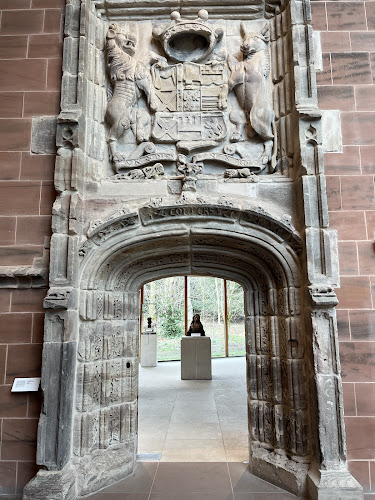
The Burrell Collection

Glasgow Botanic Gardens

McLennan Arch
Find Accommodations Nearby
Recommended Tours & Activities
Visitor Reviews
There are no reviews yet. Be the first one to write one.
Share Your Experience
Have you visited National Museum of Rural Life? Help other travelers by leaving a review.