

National Museum of Medieval Art
About National Museum of Medieval Art
History and Significance
The National Museum of Medieval Art was established in the late 20th century, born out of a desire to preserve and celebrate the rich artistic heritage of Albania. The museum is housed in a stunning architectural building that reflects the historical significance of the region. Its inception marked a crucial moment in recognizing the importance of medieval art in Albania's cultural identity. Over the decades, it has become a vital institution for scholars, artists, and art enthusiasts who are eager to explore the intricate details of medieval art. This collection showcases how the 13th and 14th centuries were pivotal in shaping the country's artistic landscape, highlighting the influences of Byzantine and Gothic styles.
As you step into the National Museum of Medieval Art, you are immediately transported back in time, where every piece tells a story. The museum's establishment was not just about showcasing art; it was a commitment to preserving the heritage of the region's medieval period. This institution has played a vital role in educating the public about the historical significance of various artworks, including altarpieces and sculptures that have adorned churches and monasteries throughout Albania. By focusing on the artistic achievements of the time, the museum emphasizes the cultural connections between Albania and the broader context of medieval Europe, making it a significant attraction for those interested in art and history.
Main Attractions and Activities
The National Museum of Medieval Art boasts an extensive collection that includes paintings, sculptures, and various forms of decorative art from the medieval period. Among its main attractions are the remarkable works of art by renowned artists like Onufri and the Zografi brothers, whose pieces continue to captivate visitors. The museum's galleries are designed to provide an immersive experience, allowing guests to appreciate the intricate details of each piece, from the vibrant colors of the paintings to the delicate craftsmanship of wooden and metal sculptures. Special exhibitions also feature modern interpretations of medieval themes, making the museum a dynamic space for artistic exploration. Visitors can engage in various activities, from guided tours that delve into the historical context of the artworks to workshops that allow for hands-on experiences with medieval techniques. The museum also hosts lectures and events that explore medieval art and its significance, making it a hub for learning and creativity. The collection of medieval art is not just about admiration; it invites discussion and appreciation of the techniques used by artists of the time. Whether you're an art aficionado or a curious traveler, the National Museum of Medieval Art offers a plethora of attractions that satisfy every kind of visitor.Visitor Experience
Visiting the National Museum of Medieval Art is an experience that transcends mere observation; it offers a journey through time and culture. Upon entering, guests are greeted by friendly staff who are eager to share their knowledge about the exhibits. The layout of the museum is thoughtfully designed, guiding visitors through various periods of medieval art while maintaining a sense of flow and coherence. Each gallery tells its own story, showcasing the evolution of styles and techniques from the early Middle Ages to the Renaissance. Moreover, the museum's spacious environment allows for a comfortable viewing experience, even during busy periods. The atmosphere within the museum is both serene and inspiring, encouraging visitors to take their time as they explore each piece of art. Interactive displays and information plaques provide context, enriching the viewer's understanding of the historical significance of the works on display. Many visitors find themselves captivated by the intricate details of the altarpieces and sculptures, often spending hours in quiet contemplation. The museum's commitment to accessibility ensures that everyone can enjoy this cultural gem in Korçë, making it a must-visit destination for both locals and tourists alike.Tips for Visitors
To make the most of your visit to the National Museum of Medieval Art, it’s beneficial to plan. Start by checking the museum’s official website for any special exhibitions or events that might be taking place during your visit. Consider allocating a few hours to explore the extensive collection, as there’s a lot to see and appreciate. Additionally, wearing comfortable shoes is advisable, as you’ll want to stroll through the galleries without feeling rushed. Engaging with museum staff can also enhance your experience; they are often filled with insights and anecdotes that can enrich your understanding of the artwork. Another tip is to bring a camera, as the architectural beauty of the museum building itself presents numerous photo opportunities. However, remember to check the photography policies, as some pieces might have restrictions. Lastly, if you have a particular interest in medieval art, consider joining a guided tour, as it can provide a deeper appreciation of the collection and the stories behind the works of art. By planning your visit with these tips in mind, you’ll ensure a memorable and enriching experience at the National Museum of Medieval Art.Accessibility and Facilities
The National Museum of Medieval Art is designed to be accessible to all visitors, regardless of mobility needs. The museum features ramps and elevators, making it easy for everyone to navigate through the galleries. The layout is spacious, allowing for comfortable movement even during peak visiting times. Additionally, the museum provides rest areas where visitors can take a break and reflect on the artworks they’ve seen. For those with sensory sensitivities, quiet zones are available, ensuring a pleasant experience for all. Facilities at the museum include clean restrooms and a café where visitors can relax and enjoy refreshments. The availability of audio guides enhances the visitor experience, providing insights and detailed descriptions of the collection of medieval art. Furthermore, the museum shop offers a variety of souvenirs, including prints of famous artworks and books on medieval history, allowing guests to take a piece of their experience home with them. Overall, the National Museum of Medieval Art prioritizes accessibility and comfort, making it a welcoming environment for all.Unique Features
One of the unique features of the National Museum of Medieval Art is its focus on Albania's rich iconography. The museum showcases a remarkable collection of paintings and sculptures that reflect the country’s cultural heritage during the medieval period. The works of art are not only visually stunning but also hold significant historical value, as they depict the evolution of religious themes and local traditions. The presence of altarpieces and icons created by renowned artists like Onufri adds a distinct character to the collection, making it a standout feature among other art museums in the region. Moreover, the architectural design of the museum building itself is a unique feature, blending traditional elements with modern aesthetics. This thoughtful design creates a harmonious space that complements the artworks on display. The museum also regularly hosts temporary exhibitions that spotlight specific themes or artists, keeping the experience fresh and engaging for repeat visitors. As a result, the National Museum of Medieval Art offers a unique glimpse into Albania's artistic journey, making it a must-visit destination for art lovers and history enthusiasts alike.Overall Impressions
The overall impression of the National Museum of Medieval Art is one of awe and appreciation. The museum stands as a testament to Albania's rich artistic history, with its extensive collection of medieval art captivating visitors from all walks of life. The thoughtful curation of the exhibitions, combined with the museum's excellent facilities, ensures that every visitor leaves with a newfound understanding of the significance of medieval art. Each piece within the museum tells a story, inviting exploration and contemplation, making the experience both educational and inspiring. Additionally, the ambiance of the museum creates a welcoming environment where art and history come to life. Visitors often remark on the friendly staff and the enriching atmosphere that encourages questions and discussions about the artworks. The National Museum of Medieval Art has successfully positioned itself as a cultural hub, bringing together history, artistry, and community engagement. Whether you’re a resident or a tourist, this museum leaves a lasting impression, encouraging all to delve deeper into the beauty and complexity of medieval art.Pros and Cons
Like any attraction, the National Museum of Medieval Art has its pros and cons. On the positive side, the museum's collection is extensive and diverse, showcasing some of the finest examples of medieval art from Albania and beyond. The knowledgeable staff and engaging exhibitions enhance the visitor experience, providing context and meaning to the artworks. The accessibility features ensure that everyone can enjoy the museum, making it a welcoming place for all. Additionally, the beautiful setting in Korçë adds to the overall charm of the visit. On the downside, some visitors may find that the museum can get crowded during peak tourist seasons, which might detract from the overall experience. The signage, while informative, could benefit from additional multilingual options to cater to international visitors. Furthermore, while the café offers a nice respite, some might find the menu limited. Despite these minor drawbacks, the National Museum of Medieval Art remains a must-visit destination for anyone interested in exploring the richness of medieval art and history in Albania.Key Features
- Extensive collection of icons spanning 13th–18th centuries
- Fresco fragments and restored mural sections from regional churches
- Liturgical objects and ecclesiastical silverware
- Textiles and carved wooden ecclesiastical furniture
- Well‑curated displays with historical and artistic interpretation
More Details
Updated May 6, 2025
Table of Contents
- History and Significance
- Main Attractions and Activities
- Visitor Experience
- Tips for Visitors
- Accessibility and Facilities
- Unique Features
- Overall Impressions
- Pros and Cons
- Key Highlights
- Location
- Places to Stay Near National Museum of Medieval Art
- Find and Book a Tour
- Explore More Travel Guides
- Nearby Places You Might Like
- Traveler Reviews for National Museum of Medieval Art
- Share Your Experience
History and Significance
The National Museum of Medieval Art was established in the late 20th century, born out of a desire to preserve and celebrate the rich artistic heritage of Albania. The museum is housed in a stunning architectural building that reflects the historical significance of the region. Its inception marked a crucial moment in recognizing the importance of medieval art in Albania’s cultural identity. Over the decades, it has become a vital institution for scholars, artists, and art enthusiasts who are eager to explore the intricate details of medieval art. This collection showcases how the 13th and 14th centuries were pivotal in shaping the country’s artistic landscape, highlighting the influences of Byzantine and Gothic styles.
As you step into the National Museum of Medieval Art, you are immediately transported back in time, where every piece tells a story. The museum’s establishment was not just about showcasing art; it was a commitment to preserving the heritage of the region’s medieval period. This institution has played a vital role in educating the public about the historical significance of various artworks, including altarpieces and sculptures that have adorned churches and monasteries throughout Albania. By focusing on the artistic achievements of the time, the museum emphasizes the cultural connections between Albania and the broader context of medieval Europe, making it a significant attraction for those interested in art and history.
Main Attractions and Activities
The National Museum of Medieval Art boasts an extensive collection that includes paintings, sculptures, and various forms of decorative art from the medieval period. Among its main attractions are the remarkable works of art by renowned artists like Onufri and the Zografi brothers, whose pieces continue to captivate visitors. The museum’s galleries are designed to provide an immersive experience, allowing guests to appreciate the intricate details of each piece, from the vibrant colors of the paintings to the delicate craftsmanship of wooden and metal sculptures. Special exhibitions also feature modern interpretations of medieval themes, making the museum a dynamic space for artistic exploration.
Visitors can engage in various activities, from guided tours that delve into the historical context of the artworks to workshops that allow for hands-on experiences with medieval techniques. The museum also hosts lectures and events that explore medieval art and its significance, making it a hub for learning and creativity. The collection of medieval art is not just about admiration; it invites discussion and appreciation of the techniques used by artists of the time. Whether you’re an art aficionado or a curious traveler, the National Museum of Medieval Art offers a plethora of attractions that satisfy every kind of visitor.
Visitor Experience
Visiting the National Museum of Medieval Art is an experience that transcends mere observation; it offers a journey through time and culture. Upon entering, guests are greeted by friendly staff who are eager to share their knowledge about the exhibits. The layout of the museum is thoughtfully designed, guiding visitors through various periods of medieval art while maintaining a sense of flow and coherence. Each gallery tells its own story, showcasing the evolution of styles and techniques from the early Middle Ages to the Renaissance. Moreover, the museum’s spacious environment allows for a comfortable viewing experience, even during busy periods.
The atmosphere within the museum is both serene and inspiring, encouraging visitors to take their time as they explore each piece of art. Interactive displays and information plaques provide context, enriching the viewer’s understanding of the historical significance of the works on display. Many visitors find themselves captivated by the intricate details of the altarpieces and sculptures, often spending hours in quiet contemplation. The museum’s commitment to accessibility ensures that everyone can enjoy this cultural gem in Korçë, making it a must-visit destination for both locals and tourists alike.
Tips for Visitors
To make the most of your visit to the National Museum of Medieval Art, it’s beneficial to plan. Start by checking the museum’s official website for any special exhibitions or events that might be taking place during your visit. Consider allocating a few hours to explore the extensive collection, as there’s a lot to see and appreciate. Additionally, wearing comfortable shoes is advisable, as you’ll want to stroll through the galleries without feeling rushed. Engaging with museum staff can also enhance your experience; they are often filled with insights and anecdotes that can enrich your understanding of the artwork.
Another tip is to bring a camera, as the architectural beauty of the museum building itself presents numerous photo opportunities. However, remember to check the photography policies, as some pieces might have restrictions. Lastly, if you have a particular interest in medieval art, consider joining a guided tour, as it can provide a deeper appreciation of the collection and the stories behind the works of art. By planning your visit with these tips in mind, you’ll ensure a memorable and enriching experience at the National Museum of Medieval Art.
Accessibility and Facilities
The National Museum of Medieval Art is designed to be accessible to all visitors, regardless of mobility needs. The museum features ramps and elevators, making it easy for everyone to navigate through the galleries. The layout is spacious, allowing for comfortable movement even during peak visiting times. Additionally, the museum provides rest areas where visitors can take a break and reflect on the artworks they’ve seen. For those with sensory sensitivities, quiet zones are available, ensuring a pleasant experience for all.
Facilities at the museum include clean restrooms and a café where visitors can relax and enjoy refreshments. The availability of audio guides enhances the visitor experience, providing insights and detailed descriptions of the collection of medieval art. Furthermore, the museum shop offers a variety of souvenirs, including prints of famous artworks and books on medieval history, allowing guests to take a piece of their experience home with them. Overall, the National Museum of Medieval Art prioritizes accessibility and comfort, making it a welcoming environment for all.
Unique Features
One of the unique features of the National Museum of Medieval Art is its focus on Albania’s rich iconography. The museum showcases a remarkable collection of paintings and sculptures that reflect the country’s cultural heritage during the medieval period. The works of art are not only visually stunning but also hold significant historical value, as they depict the evolution of religious themes and local traditions. The presence of altarpieces and icons created by renowned artists like Onufri adds a distinct character to the collection, making it a standout feature among other art museums in the region.
Moreover, the architectural design of the museum building itself is a unique feature, blending traditional elements with modern aesthetics. This thoughtful design creates a harmonious space that complements the artworks on display. The museum also regularly hosts temporary exhibitions that spotlight specific themes or artists, keeping the experience fresh and engaging for repeat visitors. As a result, the National Museum of Medieval Art offers a unique glimpse into Albania’s artistic journey, making it a must-visit destination for art lovers and history enthusiasts alike.
Overall Impressions
The overall impression of the National Museum of Medieval Art is one of awe and appreciation. The museum stands as a testament to Albania’s rich artistic history, with its extensive collection of medieval art captivating visitors from all walks of life. The thoughtful curation of the exhibitions, combined with the museum’s excellent facilities, ensures that every visitor leaves with a newfound understanding of the significance of medieval art. Each piece within the museum tells a story, inviting exploration and contemplation, making the experience both educational and inspiring.
Additionally, the ambiance of the museum creates a welcoming environment where art and history come to life. Visitors often remark on the friendly staff and the enriching atmosphere that encourages questions and discussions about the artworks. The National Museum of Medieval Art has successfully positioned itself as a cultural hub, bringing together history, artistry, and community engagement. Whether you’re a resident or a tourist, this museum leaves a lasting impression, encouraging all to delve deeper into the beauty and complexity of medieval art.
Pros and Cons
Like any attraction, the National Museum of Medieval Art has its pros and cons. On the positive side, the museum’s collection is extensive and diverse, showcasing some of the finest examples of medieval art from Albania and beyond. The knowledgeable staff and engaging exhibitions enhance the visitor experience, providing context and meaning to the artworks. The accessibility features ensure that everyone can enjoy the museum, making it a welcoming place for all. Additionally, the beautiful setting in Korçë adds to the overall charm of the visit.
On the downside, some visitors may find that the museum can get crowded during peak tourist seasons, which might detract from the overall experience. The signage, while informative, could benefit from additional multilingual options to cater to international visitors. Furthermore, while the café offers a nice respite, some might find the menu limited. Despite these minor drawbacks, the National Museum of Medieval Art remains a must-visit destination for anyone interested in exploring the richness of medieval art and history in Albania.
Key Highlights
- Extensive collection of icons spanning 13th–18th centuries
- Fresco fragments and restored mural sections from regional churches
- Liturgical objects and ecclesiastical silverware
- Textiles and carved wooden ecclesiastical furniture
- Well‑curated displays with historical and artistic interpretation
Location
Places to Stay Near National Museum of Medieval Art
Find and Book a Tour
Explore More Travel Guides
No reviews found! Be the first to review!
Traveler Reviews for National Museum of Medieval Art
There are no reviews yet. Be the first one to write one.
Have you visited National Museum of Medieval Art? Help other travelers by sharing your review.
Nearby Attractions
You Might Also Like
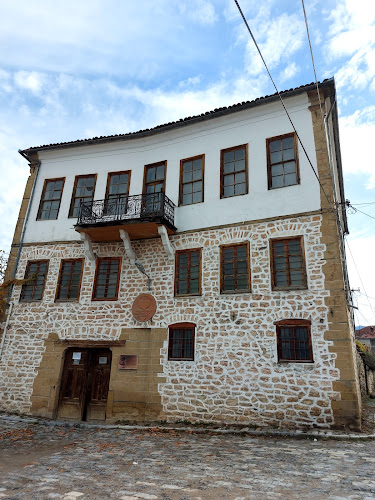
Archaeological Museum, Korça

Vila Cofiel
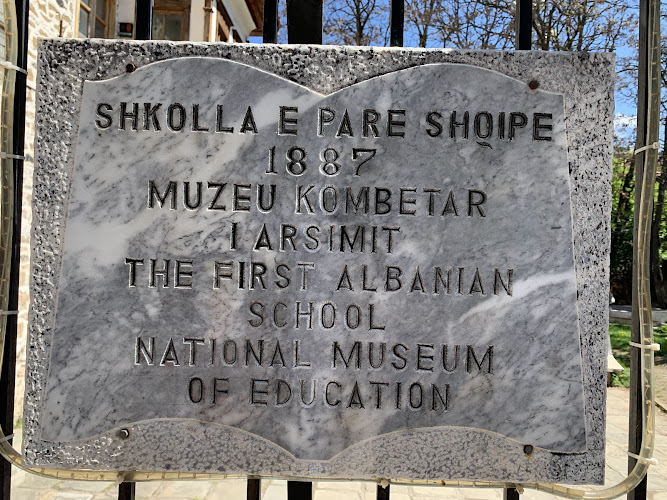
Museum of Education
Find Accommodations Nearby
Recommended Tours & Activities
Visitor Reviews
There are no reviews yet. Be the first one to write one.
Share Your Experience
Have you visited National Museum of Medieval Art? Help other travelers by leaving a review.