

National Museum of Abeokuta
About National Museum of Abeokuta
Description
The National Museum of Abeokuta is one of those places that quietly surprises you. It doesn’t scream for attention like some of the bigger, more commercialized museums, but that’s actually part of its charm. Tucked away in the heart of Abeokuta, it stands as a cultural treasure chest, preserving stories, artifacts, and traditions that give you a clearer picture of Nigeria’s past. It’s not a massive space where you get lost in endless corridors, but rather an intimate setting where each exhibit feels personal, almost conversational. You walk in and immediately sense that this isn’t just about looking at old objects—it’s about connecting with the people who lived, built, and shaped the history of this region.
Now, to be honest, the museum has its strengths and a few weaknesses. Some of the displays could do with a little more polish, and you might notice that certain exhibits feel dated. But on the flip side, there’s a raw authenticity here. You’re not getting a glossy, over-curated experience—you’re getting something real. And if you’re the type who loves digging into history without the fluff, you’ll probably appreciate that. It’s also worth mentioning that the staff are usually very welcoming and happy to share insights, which adds warmth to the whole experience.
Families often find it a good stop because it’s manageable in size, educational, and not overwhelming for kids. The museum is also accessible, with restrooms and wheelchair-friendly facilities, which makes it easier for a wider range of visitors to enjoy. If you’re traveling through Ogun State and curious about Nigeria’s cultural and historical layers, this is a stop worth making. Even if you only spend an hour or two, you’ll walk away with a deeper appreciation for the stories that shaped Abeokuta and beyond.
Key Features
- Collection of artifacts that highlight Nigeria’s pre-colonial and colonial history.
- Exhibits showcasing traditional Yoruba culture, including tools, clothing, and crafts.
- Guided tours available for those who want a deeper understanding of the displays.
- Wheelchair accessible restrooms and general accessibility features.
- Educational environment suitable for children and school groups.
- Friendly staff who often provide context and storytelling beyond the exhibits.
- Compact layout that makes it easy to explore without feeling rushed or overwhelmed.
Best Time to Visit
Honestly, there isn’t a strict “bad” time to visit the National Museum of Abeokuta, but a few tips can help you plan better. Weekdays are generally quieter, which means you’ll have more space and time to really engage with the exhibits. If you’re like me and prefer a more reflective, unhurried experience, a weekday morning is ideal. Weekends can be busier, especially if school groups or families are visiting, but even then, it doesn’t reach the chaos of larger tourist attractions.
Weather-wise, Abeokuta can get pretty hot, especially in the dry season, so visiting earlier in the day is more comfortable. The rainy season (around April to October) brings lush greenery to the surrounding area, which makes the journey to the museum more scenic, though you’ll want to plan around sudden downpours. If you’re combining your museum visit with other attractions in Abeokuta, like Olumo Rock, timing your trip in the cooler hours of the morning or late afternoon makes for a more enjoyable day overall.
How to Get There
Getting to the National Museum of Abeokuta is relatively straightforward, especially if you’re already in Ogun State. If you’re coming from Lagos, the drive takes about 1.5 to 2 hours depending on traffic, and honestly, it’s a trip worth making if you’re into history. Public transport options like buses and taxis are available, but for comfort and ease, hiring a private car or using a ride-hailing service is the better call.
Within Abeokuta itself, the museum is centrally located, so it’s easy to find. Local taxis and motorcycle taxis (okadas) can get you there quickly. Just be prepared for a bit of haggling if you’re taking local transport—it’s part of the experience, and honestly, kind of fun once you get the hang of it. For first-time visitors, I’d recommend pairing the museum trip with nearby attractions so you can make a full day out of it.
Tips for Visiting
Here’s where I get a bit personal, because these are things I’ve learned the hard way while traveling. First off, don’t rush through the museum. It might not look huge, but taking your time to read the descriptions and listen to the staff makes a world of difference. I once breezed through a smaller museum thinking I’d seen it all, only to realize later that I’d missed the real gems hidden in the details.
Bring a bottle of water with you, especially if you’re visiting during the hotter months—it’s easy to underestimate how quickly the heat can sneak up on you. Comfortable shoes are a must, even though the museum itself is not sprawling. Chances are you’ll want to explore the surrounding parts of Abeokuta, and trust me, your feet will thank you.
Photography rules can vary, so always ask before snapping pictures. Some museums are strict, while others are more relaxed, but it’s better to check than to get called out mid-photo. If you’re traveling with kids, the museum is a great educational stop, but keep in mind their attention span—plan for breaks or combine the visit with something more active afterward, like climbing Olumo Rock, to balance things out.
Lastly, go in with an open mind. The museum isn’t about flashy displays or high-tech installations. It’s about history told in a straightforward, sometimes understated way. And that’s actually what makes it special. If you’re the type who enjoys peeling back the layers of a place and understanding its roots, you’ll find this visit rewarding. Plus, you’ll walk away with stories and knowledge that most casual tourists miss entirely.
Key Features
- Collection of artifacts that highlight Nigeria’s pre-colonial and colonial history.
- Exhibits showcasing traditional Yoruba culture, including tools, clothing, and crafts.
- Guided tours available for those who want a deeper understanding of the displays.
- Wheelchair accessible restrooms and general accessibility features.
- Educational environment suitable for children and school groups.
- Friendly staff who often provide context and storytelling beyond the exhibits.
- Compact layout that makes it easy to explore without feeling rushed or overwhelmed.
More Details
Updated September 30, 2025
Table of Contents
Description
The National Museum of Abeokuta is one of those places that quietly surprises you. It doesn’t scream for attention like some of the bigger, more commercialized museums, but that’s actually part of its charm. Tucked away in the heart of Abeokuta, it stands as a cultural treasure chest, preserving stories, artifacts, and traditions that give you a clearer picture of Nigeria’s past. It’s not a massive space where you get lost in endless corridors, but rather an intimate setting where each exhibit feels personal, almost conversational. You walk in and immediately sense that this isn’t just about looking at old objects—it’s about connecting with the people who lived, built, and shaped the history of this region.
Now, to be honest, the museum has its strengths and a few weaknesses. Some of the displays could do with a little more polish, and you might notice that certain exhibits feel dated. But on the flip side, there’s a raw authenticity here. You’re not getting a glossy, over-curated experience—you’re getting something real. And if you’re the type who loves digging into history without the fluff, you’ll probably appreciate that. It’s also worth mentioning that the staff are usually very welcoming and happy to share insights, which adds warmth to the whole experience.
Families often find it a good stop because it’s manageable in size, educational, and not overwhelming for kids. The museum is also accessible, with restrooms and wheelchair-friendly facilities, which makes it easier for a wider range of visitors to enjoy. If you’re traveling through Ogun State and curious about Nigeria’s cultural and historical layers, this is a stop worth making. Even if you only spend an hour or two, you’ll walk away with a deeper appreciation for the stories that shaped Abeokuta and beyond.
Key Features
- Collection of artifacts that highlight Nigeria’s pre-colonial and colonial history.
- Exhibits showcasing traditional Yoruba culture, including tools, clothing, and crafts.
- Guided tours available for those who want a deeper understanding of the displays.
- Wheelchair accessible restrooms and general accessibility features.
- Educational environment suitable for children and school groups.
- Friendly staff who often provide context and storytelling beyond the exhibits.
- Compact layout that makes it easy to explore without feeling rushed or overwhelmed.
Best Time to Visit
Honestly, there isn’t a strict “bad” time to visit the National Museum of Abeokuta, but a few tips can help you plan better. Weekdays are generally quieter, which means you’ll have more space and time to really engage with the exhibits. If you’re like me and prefer a more reflective, unhurried experience, a weekday morning is ideal. Weekends can be busier, especially if school groups or families are visiting, but even then, it doesn’t reach the chaos of larger tourist attractions.
Weather-wise, Abeokuta can get pretty hot, especially in the dry season, so visiting earlier in the day is more comfortable. The rainy season (around April to October) brings lush greenery to the surrounding area, which makes the journey to the museum more scenic, though you’ll want to plan around sudden downpours. If you’re combining your museum visit with other attractions in Abeokuta, like Olumo Rock, timing your trip in the cooler hours of the morning or late afternoon makes for a more enjoyable day overall.
How to Get There
Getting to the National Museum of Abeokuta is relatively straightforward, especially if you’re already in Ogun State. If you’re coming from Lagos, the drive takes about 1.5 to 2 hours depending on traffic, and honestly, it’s a trip worth making if you’re into history. Public transport options like buses and taxis are available, but for comfort and ease, hiring a private car or using a ride-hailing service is the better call.
Within Abeokuta itself, the museum is centrally located, so it’s easy to find. Local taxis and motorcycle taxis (okadas) can get you there quickly. Just be prepared for a bit of haggling if you’re taking local transport—it’s part of the experience, and honestly, kind of fun once you get the hang of it. For first-time visitors, I’d recommend pairing the museum trip with nearby attractions so you can make a full day out of it.
Tips for Visiting
Here’s where I get a bit personal, because these are things I’ve learned the hard way while traveling. First off, don’t rush through the museum. It might not look huge, but taking your time to read the descriptions and listen to the staff makes a world of difference. I once breezed through a smaller museum thinking I’d seen it all, only to realize later that I’d missed the real gems hidden in the details.
Bring a bottle of water with you, especially if you’re visiting during the hotter months—it’s easy to underestimate how quickly the heat can sneak up on you. Comfortable shoes are a must, even though the museum itself is not sprawling. Chances are you’ll want to explore the surrounding parts of Abeokuta, and trust me, your feet will thank you.
Photography rules can vary, so always ask before snapping pictures. Some museums are strict, while others are more relaxed, but it’s better to check than to get called out mid-photo. If you’re traveling with kids, the museum is a great educational stop, but keep in mind their attention span—plan for breaks or combine the visit with something more active afterward, like climbing Olumo Rock, to balance things out.
Lastly, go in with an open mind. The museum isn’t about flashy displays or high-tech installations. It’s about history told in a straightforward, sometimes understated way. And that’s actually what makes it special. If you’re the type who enjoys peeling back the layers of a place and understanding its roots, you’ll find this visit rewarding. Plus, you’ll walk away with stories and knowledge that most casual tourists miss entirely.
Key Highlights
- Collection of artifacts that highlight Nigeria’s pre-colonial and colonial history.
- Exhibits showcasing traditional Yoruba culture, including tools, clothing, and crafts.
- Guided tours available for those who want a deeper understanding of the displays.
- Wheelchair accessible restrooms and general accessibility features.
- Educational environment suitable for children and school groups.
- Friendly staff who often provide context and storytelling beyond the exhibits.
- Compact layout that makes it easy to explore without feeling rushed or overwhelmed.
Location
Places to Stay Near National Museum of Abeokuta
Find and Book a Tour
Explore More Travel Guides
No reviews found! Be the first to review!
Traveler Reviews for National Museum of Abeokuta
There are no reviews yet. Be the first one to write one.
Have you visited National Museum of Abeokuta? Help other travelers by sharing your review.
You Might Also Like
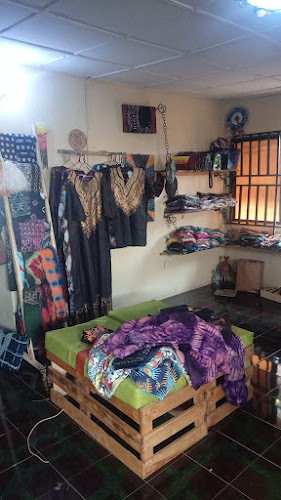
Alara Art centre

Mariam Babangida Park

Fun Arena
Find Accommodations Nearby
Recommended Tours & Activities
Visitor Reviews
There are no reviews yet. Be the first one to write one.
Share Your Experience
Have you visited National Museum of Abeokuta? Help other travelers by leaving a review.