
Olumo Rock Tourist Centre
About Olumo Rock Tourist Centre
Description
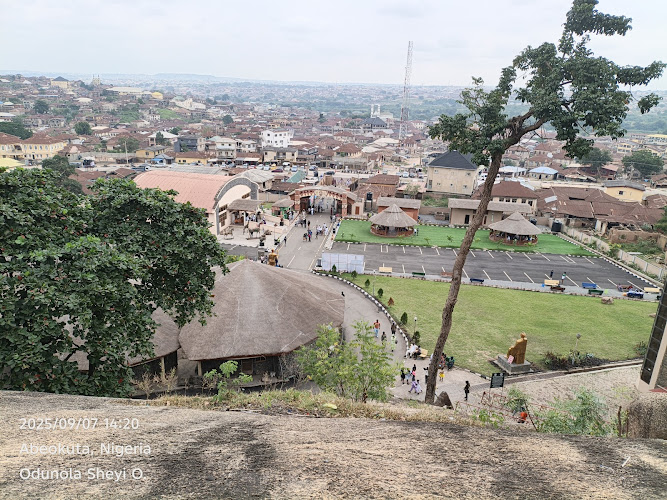
Olumo Rock Tourist Centre in Abeokuta is one of those places that feels like it carries the weight of history on its shoulders. Rising high above the city, this massive granite outcrop isn’t just a pretty sight—it’s a living monument to the resilience of the Egba people who once found refuge within its caves during inter-tribal wars in the 19th century. Standing at about 137 meters above sea level, the rock dominates the skyline and offers a perspective that’s both humbling and inspiring. To be honest, the first time I climbed it, I half expected it to be just another “big rock” experience, but I left with a deeper appreciation for its cultural significance and the stories etched into its stone walls.
The tourist centre itself has evolved into more than just a climb. There’s a mix of history, adventure, and a touch of spirituality that makes the experience unique. Some visitors rave about the panoramic views from the top, while others focus on the sense of connection to the ancestors who once hid there. Of course, not everyone walks away completely blown away—some find the facilities a bit underwhelming or the climb tougher than expected—but that’s the reality of any landmark that draws thousands of visitors a year. For me, the imperfections are part of its charm. You don’t come here for polished perfection; you come for authenticity, for the rawness of history meeting nature.
It’s also surprisingly family-friendly. Kids tend to love the adventure of climbing, and there are guides who share stories that bring the rock to life in ways you won’t find in textbooks. Accessibility has been improved over the years too, with paved paths and even an elevator for those who can’t manage the traditional climb. So whether you’re a history buff, an adventure seeker, or just someone who wants to stand on top of Abeokuta and take in the view, Olumo Rock offers something worth your time.
Key Features
- A 137-meter-high granite outcrop with sweeping views of Abeokuta
- Deep historical ties to the Egba people and their survival during wars
- Caves, shrines, and carvings that tell centuries-old stories
- Guided tours that blend folklore, history, and local culture
- Elevator access for visitors who prefer not to climb
- Family-friendly environment with areas suitable for kids
- Onsite services including guides, shops, and small eateries
Best Time to Visit
If you’re planning a trip, the dry season between November and March is hands down the best time to go. The weather is cooler, the skies are clearer, and the climb feels less like a sweaty endurance test. I once made the mistake of visiting during the rainy season, and while the mist over the city was magical, the rocks were slippery and the whole experience felt like a balancing act. That said, if you don’t mind a little drizzle and fewer crowds, the rainy months can give you a quieter, more introspective visit. Just bring sturdy shoes and a raincoat.
Early mornings are ideal if you want to beat the sun and the tour buses. Watching the city wake up from the top of Olumo Rock is something you won’t forget. Sunsets are equally breathtaking, but you’ll want to time your descent carefully so you’re not navigating the paths in the dark.
How to Get There
Getting to Olumo Rock is fairly straightforward if you’re already in Abeokuta. The landmark is right in the heart of the city, so you can hop in a taxi, use a ride-hailing app, or even take a local bus if you’re feeling adventurous. From Lagos, it’s about a two-hour drive depending on traffic, which makes it a popular day trip option. I’ve done the Lagos-to-Abeokuta run a few times, and while the roads are generally fine, you’ll want to leave early to avoid the infamous Lagos traffic.
For those who prefer organized travel, there are tour operators that include Olumo Rock as part of a broader cultural itinerary, often pairing it with visits to local markets or historical sites. Personally, I like going solo or with a small group of friends, because it gives you the freedom to linger at the top for as long as you want.
Tips for Visiting
Here are a few things I’ve learned (sometimes the hard way) that might make your visit smoother:
- Wear comfortable shoes: The climb isn’t Everest, but it’s still a workout. Sneakers or sturdy sandals are your best bet.
- Bring cash: Card payments can be hit or miss, so carry some naira for entry fees, guides, or snacks.
- Hire a guide: Honestly, the stories and history they share are half the experience. Without one, you’re just climbing a rock.
- Stay hydrated: Carry a bottle of water, especially if you’re visiting in the heat of the day.
- Respect the shrines: Parts of the rock are still used for traditional worship. Be mindful and avoid disturbing sacred areas.
- Pack light: A small backpack is fine, but you don’t want to be lugging heavy gear up the rock.
- Go early: The morning light is beautiful, and you’ll avoid the midday rush.
And here’s a personal tip: don’t rush the climb. Pause along the way, listen to the guides, and take in the views at each level. The journey up is just as rewarding as the view from the top. Olumo Rock isn’t just about reaching the summit; it’s about connecting with the layers of history and culture that make this landmark so special.
Key Features
- A 137-meter-high granite outcrop with sweeping views of Abeokuta
- Deep historical ties to the Egba people and their survival during wars
- Caves, shrines, and carvings that tell centuries-old stories
- Guided tours that blend folklore, history, and local culture
- Elevator access for visitors who prefer not to climb
- Family-friendly environment with areas suitable for kids
- Onsite services including guides, shops, and small eateries
More Details
Updated September 30, 2025
Table of Contents
Description
Olumo Rock Tourist Centre in Abeokuta is one of those places that feels like it carries the weight of history on its shoulders. Rising high above the city, this massive granite outcrop isn’t just a pretty sight—it’s a living monument to the resilience of the Egba people who once found refuge within its caves during inter-tribal wars in the 19th century. Standing at about 137 meters above sea level, the rock dominates the skyline and offers a perspective that’s both humbling and inspiring. To be honest, the first time I climbed it, I half expected it to be just another “big rock” experience, but I left with a deeper appreciation for its cultural significance and the stories etched into its stone walls.
The tourist centre itself has evolved into more than just a climb. There’s a mix of history, adventure, and a touch of spirituality that makes the experience unique. Some visitors rave about the panoramic views from the top, while others focus on the sense of connection to the ancestors who once hid there. Of course, not everyone walks away completely blown away—some find the facilities a bit underwhelming or the climb tougher than expected—but that’s the reality of any landmark that draws thousands of visitors a year. For me, the imperfections are part of its charm. You don’t come here for polished perfection; you come for authenticity, for the rawness of history meeting nature.
It’s also surprisingly family-friendly. Kids tend to love the adventure of climbing, and there are guides who share stories that bring the rock to life in ways you won’t find in textbooks. Accessibility has been improved over the years too, with paved paths and even an elevator for those who can’t manage the traditional climb. So whether you’re a history buff, an adventure seeker, or just someone who wants to stand on top of Abeokuta and take in the view, Olumo Rock offers something worth your time.
Key Features
- A 137-meter-high granite outcrop with sweeping views of Abeokuta
- Deep historical ties to the Egba people and their survival during wars
- Caves, shrines, and carvings that tell centuries-old stories
- Guided tours that blend folklore, history, and local culture
- Elevator access for visitors who prefer not to climb
- Family-friendly environment with areas suitable for kids
- Onsite services including guides, shops, and small eateries
Best Time to Visit
If you’re planning a trip, the dry season between November and March is hands down the best time to go. The weather is cooler, the skies are clearer, and the climb feels less like a sweaty endurance test. I once made the mistake of visiting during the rainy season, and while the mist over the city was magical, the rocks were slippery and the whole experience felt like a balancing act. That said, if you don’t mind a little drizzle and fewer crowds, the rainy months can give you a quieter, more introspective visit. Just bring sturdy shoes and a raincoat.
Early mornings are ideal if you want to beat the sun and the tour buses. Watching the city wake up from the top of Olumo Rock is something you won’t forget. Sunsets are equally breathtaking, but you’ll want to time your descent carefully so you’re not navigating the paths in the dark.
How to Get There
Getting to Olumo Rock is fairly straightforward if you’re already in Abeokuta. The landmark is right in the heart of the city, so you can hop in a taxi, use a ride-hailing app, or even take a local bus if you’re feeling adventurous. From Lagos, it’s about a two-hour drive depending on traffic, which makes it a popular day trip option. I’ve done the Lagos-to-Abeokuta run a few times, and while the roads are generally fine, you’ll want to leave early to avoid the infamous Lagos traffic.
For those who prefer organized travel, there are tour operators that include Olumo Rock as part of a broader cultural itinerary, often pairing it with visits to local markets or historical sites. Personally, I like going solo or with a small group of friends, because it gives you the freedom to linger at the top for as long as you want.
Tips for Visiting
Here are a few things I’ve learned (sometimes the hard way) that might make your visit smoother:
- Wear comfortable shoes: The climb isn’t Everest, but it’s still a workout. Sneakers or sturdy sandals are your best bet.
- Bring cash: Card payments can be hit or miss, so carry some naira for entry fees, guides, or snacks.
- Hire a guide: Honestly, the stories and history they share are half the experience. Without one, you’re just climbing a rock.
- Stay hydrated: Carry a bottle of water, especially if you’re visiting in the heat of the day.
- Respect the shrines: Parts of the rock are still used for traditional worship. Be mindful and avoid disturbing sacred areas.
- Pack light: A small backpack is fine, but you don’t want to be lugging heavy gear up the rock.
- Go early: The morning light is beautiful, and you’ll avoid the midday rush.
And here’s a personal tip: don’t rush the climb. Pause along the way, listen to the guides, and take in the views at each level. The journey up is just as rewarding as the view from the top. Olumo Rock isn’t just about reaching the summit; it’s about connecting with the layers of history and culture that make this landmark so special.
Key Highlights
- A 137-meter-high granite outcrop with sweeping views of Abeokuta
- Deep historical ties to the Egba people and their survival during wars
- Caves, shrines, and carvings that tell centuries-old stories
- Guided tours that blend folklore, history, and local culture
- Elevator access for visitors who prefer not to climb
- Family-friendly environment with areas suitable for kids
- Onsite services including guides, shops, and small eateries
Location
Places to Stay Near Olumo Rock Tourist Centre
Find and Book a Tour
Explore More Travel Guides
No reviews found! Be the first to review!
Traveler Reviews for Olumo Rock Tourist Centre
There are no reviews yet. Be the first one to write one.
Have you visited Olumo Rock Tourist Centre? Help other travelers by sharing your review.
You Might Also Like

Somorin car park

Enugada Roundabout

Olusegun Obasanjo Presidential Library (OOPL)
Find Accommodations Nearby
Recommended Tours & Activities
Visitor Reviews
There are no reviews yet. Be the first one to write one.
Share Your Experience
Have you visited Olumo Rock Tourist Centre? Help other travelers by leaving a review.