

National Museum Guillermo Valencia
About National Museum Guillermo Valencia
Description
The National Museum Guillermo Valencia in Popayán stands as a quietly proud tribute to one of Colombia’s most influential literary figures and to the cultural layers of the Cauca region. Housed in an 18th-century colonial building that has seen more history than many towns, the museum blends local history, literary heritage, and a small but thoughtful collection that helps visitors understand why Guillermo Valencia matters beyond textbooks. Travelers who wander into this museum often come for the poet, but leave with a sense of the city itself — its past elites, its religious art, its civic life, and little domestic details that make Popayán feel lived-in rather than staged.
Rather than shouting for attention, the museum invites a steady sort of curiosity. Exhibits include manuscripts, family heirlooms, period furniture, and photographs that sketch Valencia’s life and times. And yes, there are artifacts that speak to the broader history of Popayán and Cauca: colonial decorative objects, documents tied to local politics, and materials that show how the city’s identity was woven out of faith, scholarship, and regional trade. It is not a cavernous national institution with endless galleries; instead it is intimate, human-scale, and — dare it be said — a little bit like visiting someone’s well-kept old house where every object tells a story.
The museum’s atmosphere rewards slow exploration. Visitors will notice the creak of original floorboards, the framed letters whose ink has browned with time, and small curatorial notes that connect the poet’s verses to the social world he inhabited. For those who love literary tourism, this place is a gem: it contextualizes Valencia as poet, public figure, and member of an influential family, offering glimpses into early 20th-century life in Popayán that are often missing from more generic history museums.
Practical note: the building is child-friendly in spirit — families with kids find the displays digestible — though the site lacks a restaurant and does not have an official wheelchair-accessible parking lot. Restroom facilities are available. The museum’s small scale means lines are rare, but it also means some displays can feel cramped on busy days. The staff are generally helpful and, in the writer’s experience, willing to chat about local anecdotes if approached with curiosity rather than formality.
Visitors seeking the classic Popayán circuit — cathedral, plazas, colonial streets — will find the museum an excellent companion stop. It enhances a walk through the historic center, planting seed ideas that make the city’s churches, plazas, and old houses resonate with new meaning. And for photographers, the museum’s architectural details and collection pieces provide low-key but compelling subjects. It’s not a flashy stop, but that’s the point. Intimate museums like this one often reward patient visitors with moments of real connection.
Key Features
- Dedicated Guillermo Valencia collection featuring manuscripts, personal items, and photographic archives related to his life and work.
- Colonial 18th-century architecture offering authentic historic ambiance and photogenic interiors.
- Exhibits that link literary history to Popayán’s civic, religious, and social past — useful for contextual learning.
- Child-friendly displays and approachable explanations that make the museum suitable for families.
- On-site restrooms for visitor convenience; note that there is no restaurant inside the museum.
- Small-scale layout that allows for a relaxed visit without crowds most of the time.
- Informal, knowledgeable staff who often share local stories and little-known facts about Valencia and Popayán.
- Located in Popayán’s historic center, making it easy to combine with walking tours, churches, and nearby plazas.
Best Time to Visit
The museum is best visited during the dry season months when walking around Popayán’s historic center is more pleasant. Typically, late December through March and July to August offer comfortable weather and clearer skies for strolling between attractions. Early mornings right after opening hours are ideal: the air is cooler, the light in the old rooms feels cleaner, and the museum is almost always quiet, which is perfect for reading original manuscripts without elbowing through crowds.
Plan visits mid-week when possible. Weekends attract more local families and school groups, which can change the pace and sometimes make small galleries feel full. If the traveler’s calendar only allows weekend stops, aim for late afternoons when the museum tends to thin out. And a heads-up — during Holy Week Popayán becomes intensely busy with religious processions and visitors. That’s a beautiful time to experience local culture, but it’s not the calming museum day most people picture. If the goal is leisurely reading of curatorial notes and time to reflect on the displays, avoid the busiest festival days.
How to Get There
The National Museum Guillermo Valencia sits within easy reach of Popayán’s central areas. Visitors staying in the historic center will likely reach the museum on foot with a short, scenic walk through colonial streets and past churches. That walk is part of the experience; it offers context and builds anticipation. Public buses and taxis serve the city well, so those coming from further neighborhoods or arriving from the bus terminal can get a taxi directly to the museum district.
For day-trippers coming from nearby towns in the department of Cauca, regular intercity buses arrive at Popayán’s main terminal; once in town, taxis are inexpensive and quick. Drivers in Popayán generally know the museum by name, but it helps to mention nearby landmarks or the historic center since addresses in the colonial quarter can sometimes be less practical than pointing to a plaza or church. Park-and-walk is common for those renting a car, but remember the museum does not provide a wheelchair-accessible parking lot — park options in the center vary, and some spots require a short cobbled walk.
Tips for Visiting
Buy a ticket on arrival; the museum’s admissions are modest and the staff will usually provide a basic map or guide. Guided tours may be available at certain times — and they are worth it if one wants anecdotes and connections the plaques don’t cover. The writer once took a local-guided tour and left with a favorite story about a letter Valencia sent that hinted at a national political scandal. Small anecdotes like that change the way one reads a poem.
Carry small bills for admission and for tipping guides. Bring a notebook or a phone for photos where permitted — but check signage, since archival rooms sometimes restrict flash photography. Dress comfortably: the colonial rooms can feel cool, especially in the early morning or late afternoon. Good walking shoes help; the streets outside are cobbled and charming but can be slippery after rain.
Engage with the staff. They tend to be proud of little-known facts: a donated manuscript, an unusual family heirloom, or the story of how a certain item survived an earthquake. Those conversations often open doors to neighborhood recommendations like a low-key bakery or an artisan shop not in guidebooks. And if the traveler enjoys poetry or historic letters, linger. The museum’s small size makes long, quiet reads possible — a real treat for those who savor slow travel.
Families with children should plan for short, focused visits. The museum is good for kids but not a day-long entertainment spot; instead, mix it with a nearby park or plaza for breaks. Since there is no restaurant on site, plan to grab a bite before or after; the historic center brims with cafes and local eateries offering empanadas, tamales, and coffee — perfect for debriefing what the family just saw.
Accessibility-conscious visitors should note that while the museum provides restrooms, the lack of a designated wheelchair-accessible parking lot and the historic layout may pose challenges for some. Contacting the museum in advance is recommended to ask about specific accessibility accommodations at the time of visit.
Finally, don’t rush. Popayán rewards slow attention, and the National Museum Guillermo Valencia exemplifies that. Leave time to sit on a nearby bench, flip through a small pamphlet in the museum shop, and watch the city carry on. The museum offers context that makes the rest of Popayán more meaningful — and that, for many travelers, is precisely the kind of cultural insight that turns an ordinary sightseeing day into one that lingers in memory.
Key Features
- Dedicated Guillermo Valencia collection featuring manuscripts, personal items, and photographic archives related to his life and work.
- Colonial 18th-century architecture offering authentic historic ambiance and photogenic interiors.
- Exhibits that link literary history to Popayán’s civic, religious, and social past — useful for contextual learning.
- Child-friendly displays and approachable explanations that make the museum suitable for families.
- On-site restrooms for visitor convenience; note that there is no restaurant inside the museum.
- Small-scale layout that allows for a relaxed visit without crowds most of the time.
- Informal, knowledgeable staff who often share local stories and little-known facts about Valencia and Popayán.
- Located in Popayán’s historic center, making it easy to combine with walking tours, churches, and nearby plazas.
More Details
Updated August 29, 2025
Table of Contents
- Description
- Key Features
- Best Time to Visit
- How to Get There
- Tips for Visiting
- Key Highlights
- Location
- Places to Stay Near National Museum Guillermo Valencia
- Find and Book a Tour
- Explore More Travel Guides
- Nearby Places You Might Like
- Traveler Reviews for National Museum Guillermo Valencia
- Share Your Experience
Description
The National Museum Guillermo Valencia in Popayán stands as a quietly proud tribute to one of Colombia’s most influential literary figures and to the cultural layers of the Cauca region. Housed in an 18th-century colonial building that has seen more history than many towns, the museum blends local history, literary heritage, and a small but thoughtful collection that helps visitors understand why Guillermo Valencia matters beyond textbooks. Travelers who wander into this museum often come for the poet, but leave with a sense of the city itself — its past elites, its religious art, its civic life, and little domestic details that make Popayán feel lived-in rather than staged.
Rather than shouting for attention, the museum invites a steady sort of curiosity. Exhibits include manuscripts, family heirlooms, period furniture, and photographs that sketch Valencia’s life and times. And yes, there are artifacts that speak to the broader history of Popayán and Cauca: colonial decorative objects, documents tied to local politics, and materials that show how the city’s identity was woven out of faith, scholarship, and regional trade. It is not a cavernous national institution with endless galleries; instead it is intimate, human-scale, and — dare it be said — a little bit like visiting someone’s well-kept old house where every object tells a story.
The museum’s atmosphere rewards slow exploration. Visitors will notice the creak of original floorboards, the framed letters whose ink has browned with time, and small curatorial notes that connect the poet’s verses to the social world he inhabited. For those who love literary tourism, this place is a gem: it contextualizes Valencia as poet, public figure, and member of an influential family, offering glimpses into early 20th-century life in Popayán that are often missing from more generic history museums.
Practical note: the building is child-friendly in spirit — families with kids find the displays digestible — though the site lacks a restaurant and does not have an official wheelchair-accessible parking lot. Restroom facilities are available. The museum’s small scale means lines are rare, but it also means some displays can feel cramped on busy days. The staff are generally helpful and, in the writer’s experience, willing to chat about local anecdotes if approached with curiosity rather than formality.
Visitors seeking the classic Popayán circuit — cathedral, plazas, colonial streets — will find the museum an excellent companion stop. It enhances a walk through the historic center, planting seed ideas that make the city’s churches, plazas, and old houses resonate with new meaning. And for photographers, the museum’s architectural details and collection pieces provide low-key but compelling subjects. It’s not a flashy stop, but that’s the point. Intimate museums like this one often reward patient visitors with moments of real connection.
Key Features
- Dedicated Guillermo Valencia collection featuring manuscripts, personal items, and photographic archives related to his life and work.
- Colonial 18th-century architecture offering authentic historic ambiance and photogenic interiors.
- Exhibits that link literary history to Popayán’s civic, religious, and social past — useful for contextual learning.
- Child-friendly displays and approachable explanations that make the museum suitable for families.
- On-site restrooms for visitor convenience; note that there is no restaurant inside the museum.
- Small-scale layout that allows for a relaxed visit without crowds most of the time.
- Informal, knowledgeable staff who often share local stories and little-known facts about Valencia and Popayán.
- Located in Popayán’s historic center, making it easy to combine with walking tours, churches, and nearby plazas.
Best Time to Visit
The museum is best visited during the dry season months when walking around Popayán’s historic center is more pleasant. Typically, late December through March and July to August offer comfortable weather and clearer skies for strolling between attractions. Early mornings right after opening hours are ideal: the air is cooler, the light in the old rooms feels cleaner, and the museum is almost always quiet, which is perfect for reading original manuscripts without elbowing through crowds.
Plan visits mid-week when possible. Weekends attract more local families and school groups, which can change the pace and sometimes make small galleries feel full. If the traveler’s calendar only allows weekend stops, aim for late afternoons when the museum tends to thin out. And a heads-up — during Holy Week Popayán becomes intensely busy with religious processions and visitors. That’s a beautiful time to experience local culture, but it’s not the calming museum day most people picture. If the goal is leisurely reading of curatorial notes and time to reflect on the displays, avoid the busiest festival days.
How to Get There
The National Museum Guillermo Valencia sits within easy reach of Popayán’s central areas. Visitors staying in the historic center will likely reach the museum on foot with a short, scenic walk through colonial streets and past churches. That walk is part of the experience; it offers context and builds anticipation. Public buses and taxis serve the city well, so those coming from further neighborhoods or arriving from the bus terminal can get a taxi directly to the museum district.
For day-trippers coming from nearby towns in the department of Cauca, regular intercity buses arrive at Popayán’s main terminal; once in town, taxis are inexpensive and quick. Drivers in Popayán generally know the museum by name, but it helps to mention nearby landmarks or the historic center since addresses in the colonial quarter can sometimes be less practical than pointing to a plaza or church. Park-and-walk is common for those renting a car, but remember the museum does not provide a wheelchair-accessible parking lot — park options in the center vary, and some spots require a short cobbled walk.
Tips for Visiting
Buy a ticket on arrival; the museum’s admissions are modest and the staff will usually provide a basic map or guide. Guided tours may be available at certain times — and they are worth it if one wants anecdotes and connections the plaques don’t cover. The writer once took a local-guided tour and left with a favorite story about a letter Valencia sent that hinted at a national political scandal. Small anecdotes like that change the way one reads a poem.
Carry small bills for admission and for tipping guides. Bring a notebook or a phone for photos where permitted — but check signage, since archival rooms sometimes restrict flash photography. Dress comfortably: the colonial rooms can feel cool, especially in the early morning or late afternoon. Good walking shoes help; the streets outside are cobbled and charming but can be slippery after rain.
Engage with the staff. They tend to be proud of little-known facts: a donated manuscript, an unusual family heirloom, or the story of how a certain item survived an earthquake. Those conversations often open doors to neighborhood recommendations like a low-key bakery or an artisan shop not in guidebooks. And if the traveler enjoys poetry or historic letters, linger. The museum’s small size makes long, quiet reads possible — a real treat for those who savor slow travel.
Families with children should plan for short, focused visits. The museum is good for kids but not a day-long entertainment spot; instead, mix it with a nearby park or plaza for breaks. Since there is no restaurant on site, plan to grab a bite before or after; the historic center brims with cafes and local eateries offering empanadas, tamales, and coffee — perfect for debriefing what the family just saw.
Accessibility-conscious visitors should note that while the museum provides restrooms, the lack of a designated wheelchair-accessible parking lot and the historic layout may pose challenges for some. Contacting the museum in advance is recommended to ask about specific accessibility accommodations at the time of visit.
Finally, don’t rush. Popayán rewards slow attention, and the National Museum Guillermo Valencia exemplifies that. Leave time to sit on a nearby bench, flip through a small pamphlet in the museum shop, and watch the city carry on. The museum offers context that makes the rest of Popayán more meaningful — and that, for many travelers, is precisely the kind of cultural insight that turns an ordinary sightseeing day into one that lingers in memory.
Key Highlights
- Dedicated Guillermo Valencia collection featuring manuscripts, personal items, and photographic archives related to his life and work.
- Colonial 18th-century architecture offering authentic historic ambiance and photogenic interiors.
- Exhibits that link literary history to Popayán’s civic, religious, and social past — useful for contextual learning.
- Child-friendly displays and approachable explanations that make the museum suitable for families.
- On-site restrooms for visitor convenience; note that there is no restaurant inside the museum.
- Small-scale layout that allows for a relaxed visit without crowds most of the time.
- Informal, knowledgeable staff who often share local stories and little-known facts about Valencia and Popayán.
- Located in Popayán’s historic center, making it easy to combine with walking tours, churches, and nearby plazas.
Location
Places to Stay Near National Museum Guillermo Valencia
Find and Book a Tour
Explore More Travel Guides
No reviews found! Be the first to review!
Traveler Reviews for National Museum Guillermo Valencia
There are no reviews yet. Be the first one to write one.
Have you visited National Museum Guillermo Valencia? Help other travelers by sharing your review.
You Might Also Like
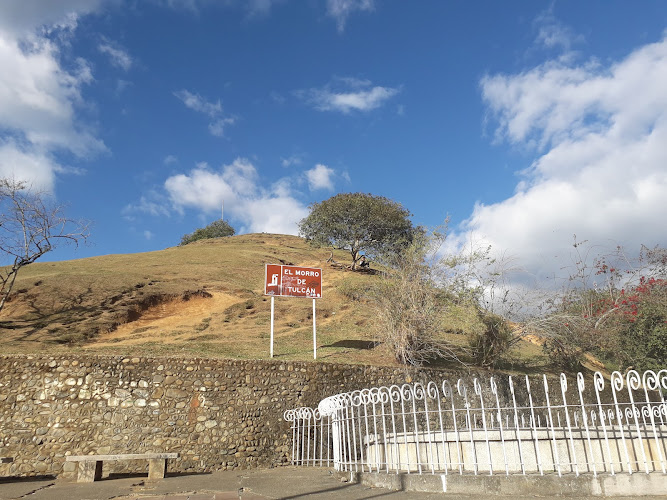
El Morro de Tulcán
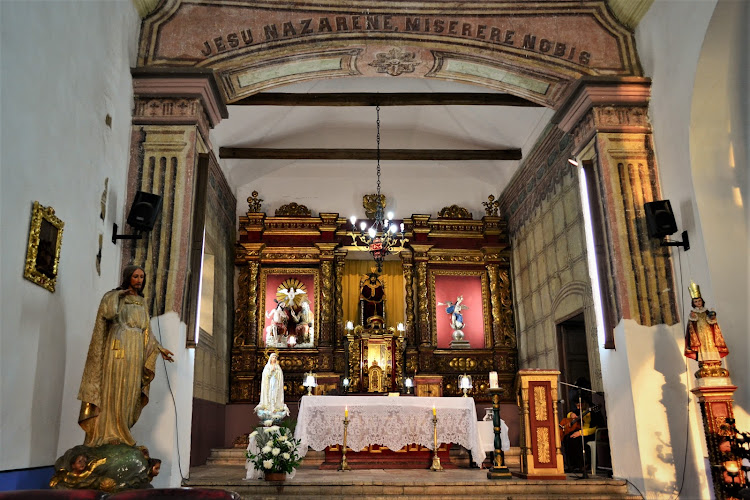
Ermita de Jesús de Nazareno

Museo Casa Mosquera
Find Accommodations Nearby
Recommended Tours & Activities
Visitor Reviews
There are no reviews yet. Be the first one to write one.
Share Your Experience
Have you visited National Museum Guillermo Valencia? Help other travelers by leaving a review.