About El Morro de Tulcán

Description

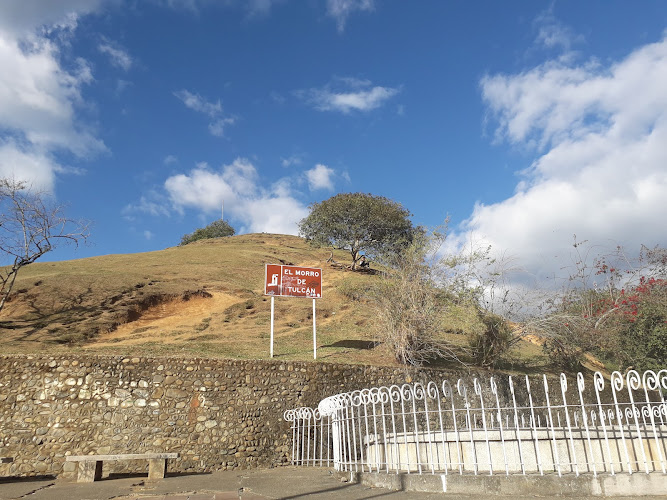
El Morro de Tulcán, often simply called “El Morro,” is one of those places that quietly takes your breath away, not because it’s flashy or overly grand, but because it carries centuries of history right under your feet. This grassy mound in Popayán, Colombia, is more than just a hill—it’s an ancient pre-Columbian pyramid built by indigenous peoples somewhere between 1600 and 500 BCE. Imagine that: long before Spanish colonizers ever set foot here, this site was already sacred ground. Standing atop it today, you can almost feel the pulse of time, the whispers of the people who once walked these slopes.

For years, a statue of Sebastián de Belalcázar, the Spanish conquistador who founded Popayán, stood at its summit. But in 2020, locals removed it, reclaiming the hill’s indigenous identity and sparking conversations about heritage and memory. Whether you see this act as symbolic or political, it undeniably adds another layer of meaning to the site. El Morro de Tulcán isn’t just a viewpoint—it’s a living dialogue between Colombia’s past and present.

When you climb to the top, the view of Popayán is nothing short of stunning. The city’s white colonial buildings stretch below, framed by the rolling green of the Cauca Valley and distant Andean peaks. I remember sitting there one late afternoon, watching the sun melt into the horizon, the rooftops glowing in golden light. It was quiet except for the faint hum of the city below—a moment that felt both timeless and grounding. It’s easy to see why locals and travelers alike come here to think, to breathe, or just to watch the sunset do its thing.

Of course, not everyone finds the climb easy. The path can be a bit steep and uneven, especially after rain when the grass turns slick. And while it’s not wheelchair accessible, families often visit with kids who love the open space to run around. There’s a kind of simple joy in that—seeing children play on ground that’s held human stories for millennia. It’s a reminder that history doesn’t always have to sit behind glass; sometimes, it’s right there beneath your shoes.

Key Features

  • Pre-Columbian Pyramid: Built by indigenous societies long before Spanish colonization, El Morro is considered the only known pyramid structure in the region of Popayán.
  • Panoramic Views: Offers sweeping views of Popayán’s whitewashed architecture and surrounding mountains—especially magical at sunset.
  • Cultural Significance: Serves as a symbol of indigenous heritage and a reminder of Colombia’s layered history.
  • Peaceful Atmosphere: A favorite local spot for reflection, jogging, or simply relaxing on the grass.
  • Free Access: No entrance fee, making it an accessible stop for travelers exploring Popayán’s historical core.
  • Nearby Attractions: Close to Pueblito Patojo, a charming miniature replica of the city’s landmarks, perfect for a short post-visit stroll.

Best Time to Visit

If you ask me, the best time to visit El Morro de Tulcán is late afternoon, just before sunset. The light softens, the air cools, and the city below glows in warm tones that photographers dream about. Mornings are lovely too—especially if you prefer quiet moments and fewer people—but the sunsets are what truly make this place unforgettable.

Weather-wise, Popayán enjoys a mild climate year-round, though the rainy season (March to May and October to November) can make the hill a little muddy. Bring sturdy shoes if you plan to climb after rain. Dry months are more comfortable for sitting on the grass and enjoying a picnic, which is something locals often do. Honestly, there’s no bad time to go—it just depends on whether you want solitude or the shared energy of others watching the day fade away.

How to Get There

Getting to El Morro de Tulcán is pretty straightforward if you’re already in Popayán. The hill sits just a short distance from the city center, so you can easily walk or take a quick taxi ride. Most visitors prefer walking, especially since the route passes through some of Popayán’s prettiest colonial streets. If you’re driving, there’s a free parking area nearby, though it can fill up quickly on weekends when locals come to unwind.

Public transportation isn’t really necessary unless you’re staying farther out of town. And honestly, walking gives you a better feel for the city’s rhythm—the pastel walls, the cobblestone streets, the faint smell of coffee drifting from corner cafés. Once you reach the base of the hill, a short but steep path leads you to the top. It’s not a long climb, maybe ten minutes at a relaxed pace, but it’s enough to get your heart pumping a bit. The reward at the top? A 360-degree view that makes every step worth it.

Tips for Visiting

Here’s some friendly advice from someone who’s been there (and learned a few things the hard way):

  • Go for the sunset: The view is jaw-dropping as the sun dips behind the Andes. Bring a light jacket—it can get breezy up there.
  • Wear comfortable shoes: The grassy slope can be slippery, especially after rain. Sneakers or hiking sandals work best.
  • Bring water and snacks: There aren’t any vendors on the hill itself, so pack a bottle of water if you plan to stay a while.
  • Watch your belongings: Like many open public spaces, it’s wise to keep an eye on your stuff, especially in the evenings.
  • Respect the site: Remember, this isn’t just a park—it’s an ancient burial mound. Treat it with the reverence it deserves.
  • Combine your visit: After exploring El Morro, head to Popayán’s historic center for a coffee or local dessert like salpicón payanés. It’s the perfect way to round off the day.

If you’re into photography, bring your camera or even just your phone—because honestly, the views are too good not to capture. I once spent an entire hour just trying to get the perfect shot of the city bathed in that golden hour light, and I still go back to those photos whenever I need a little mental escape. But don’t forget to put the camera down too. Sometimes the best memories are the ones you just sit and soak in.

El Morro de Tulcán isn’t a flashy tourist attraction with ticket booths and guided tours. It’s simple, raw, and real. It’s the kind of place that sneaks up on you, where the combination of history, nature, and quiet beauty leaves an impression that lingers long after you’ve gone. Whether you’re a history buff, a casual traveler, or someone just looking for a peaceful spot to watch the world go by, this ancient hill in Popayán is absolutely worth your time.

Key Features

  • Key Features
  • Best Time to Visit
  • How to Get There
  • Tips for Visiting

More Details

Updated November 9, 2025


Description

El Morro de Tulcán, often simply called “El Morro,” is one of those places that quietly takes your breath away, not because it’s flashy or overly grand, but because it carries centuries of history right under your feet. This grassy mound in Popayán, Colombia, is more than just a hill—it’s an ancient pre-Columbian pyramid built by indigenous peoples somewhere between 1600 and 500 BCE. Imagine that: long before Spanish colonizers ever set foot here, this site was already sacred ground. Standing atop it today, you can almost feel the pulse of time, the whispers of the people who once walked these slopes.

For years, a statue of Sebastián de Belalcázar, the Spanish conquistador who founded Popayán, stood at its summit. But in 2020, locals removed it, reclaiming the hill’s indigenous identity and sparking conversations about heritage and memory. Whether you see this act as symbolic or political, it undeniably adds another layer of meaning to the site. El Morro de Tulcán isn’t just a viewpoint—it’s a living dialogue between Colombia’s past and present.

When you climb to the top, the view of Popayán is nothing short of stunning. The city’s white colonial buildings stretch below, framed by the rolling green of the Cauca Valley and distant Andean peaks. I remember sitting there one late afternoon, watching the sun melt into the horizon, the rooftops glowing in golden light. It was quiet except for the faint hum of the city below—a moment that felt both timeless and grounding. It’s easy to see why locals and travelers alike come here to think, to breathe, or just to watch the sunset do its thing.

Of course, not everyone finds the climb easy. The path can be a bit steep and uneven, especially after rain when the grass turns slick. And while it’s not wheelchair accessible, families often visit with kids who love the open space to run around. There’s a kind of simple joy in that—seeing children play on ground that’s held human stories for millennia. It’s a reminder that history doesn’t always have to sit behind glass; sometimes, it’s right there beneath your shoes.

Key Features

  • Pre-Columbian Pyramid: Built by indigenous societies long before Spanish colonization, El Morro is considered the only known pyramid structure in the region of Popayán.
  • Panoramic Views: Offers sweeping views of Popayán’s whitewashed architecture and surrounding mountains—especially magical at sunset.
  • Cultural Significance: Serves as a symbol of indigenous heritage and a reminder of Colombia’s layered history.
  • Peaceful Atmosphere: A favorite local spot for reflection, jogging, or simply relaxing on the grass.
  • Free Access: No entrance fee, making it an accessible stop for travelers exploring Popayán’s historical core.
  • Nearby Attractions: Close to Pueblito Patojo, a charming miniature replica of the city’s landmarks, perfect for a short post-visit stroll.

Best Time to Visit

If you ask me, the best time to visit El Morro de Tulcán is late afternoon, just before sunset. The light softens, the air cools, and the city below glows in warm tones that photographers dream about. Mornings are lovely too—especially if you prefer quiet moments and fewer people—but the sunsets are what truly make this place unforgettable.

Weather-wise, Popayán enjoys a mild climate year-round, though the rainy season (March to May and October to November) can make the hill a little muddy. Bring sturdy shoes if you plan to climb after rain. Dry months are more comfortable for sitting on the grass and enjoying a picnic, which is something locals often do. Honestly, there’s no bad time to go—it just depends on whether you want solitude or the shared energy of others watching the day fade away.

How to Get There

Getting to El Morro de Tulcán is pretty straightforward if you’re already in Popayán. The hill sits just a short distance from the city center, so you can easily walk or take a quick taxi ride. Most visitors prefer walking, especially since the route passes through some of Popayán’s prettiest colonial streets. If you’re driving, there’s a free parking area nearby, though it can fill up quickly on weekends when locals come to unwind.

Public transportation isn’t really necessary unless you’re staying farther out of town. And honestly, walking gives you a better feel for the city’s rhythm—the pastel walls, the cobblestone streets, the faint smell of coffee drifting from corner cafés. Once you reach the base of the hill, a short but steep path leads you to the top. It’s not a long climb, maybe ten minutes at a relaxed pace, but it’s enough to get your heart pumping a bit. The reward at the top? A 360-degree view that makes every step worth it.

Tips for Visiting

Here’s some friendly advice from someone who’s been there (and learned a few things the hard way):

  • Go for the sunset: The view is jaw-dropping as the sun dips behind the Andes. Bring a light jacket—it can get breezy up there.
  • Wear comfortable shoes: The grassy slope can be slippery, especially after rain. Sneakers or hiking sandals work best.
  • Bring water and snacks: There aren’t any vendors on the hill itself, so pack a bottle of water if you plan to stay a while.
  • Watch your belongings: Like many open public spaces, it’s wise to keep an eye on your stuff, especially in the evenings.
  • Respect the site: Remember, this isn’t just a park—it’s an ancient burial mound. Treat it with the reverence it deserves.
  • Combine your visit: After exploring El Morro, head to Popayán’s historic center for a coffee or local dessert like salpicón payanés. It’s the perfect way to round off the day.

If you’re into photography, bring your camera or even just your phone—because honestly, the views are too good not to capture. I once spent an entire hour just trying to get the perfect shot of the city bathed in that golden hour light, and I still go back to those photos whenever I need a little mental escape. But don’t forget to put the camera down too. Sometimes the best memories are the ones you just sit and soak in.

El Morro de Tulcán isn’t a flashy tourist attraction with ticket booths and guided tours. It’s simple, raw, and real. It’s the kind of place that sneaks up on you, where the combination of history, nature, and quiet beauty leaves an impression that lingers long after you’ve gone. Whether you’re a history buff, a casual traveler, or someone just looking for a peaceful spot to watch the world go by, this ancient hill in Popayán is absolutely worth your time.

Key Highlights

  • Key Features
  • Best Time to Visit
  • How to Get There
  • Tips for Visiting

Location

Places to Stay Near El Morro de Tulcán

Find and Book a Tour

Explore More Travel Guides

No reviews found! Be the first to review!

Traveler Reviews for El Morro de Tulcán

There are no reviews yet. Be the first one to write one.

Share Your Experience

Have you visited El Morro de Tulcán? Help other travelers by sharing your review.

Find Accommodations Nearby

Recommended Tours & Activities

Visitor Reviews

There are no reviews yet. Be the first one to write one.

Share Your Experience

Have you visited El Morro de Tulcán? Help other travelers by leaving a review.