
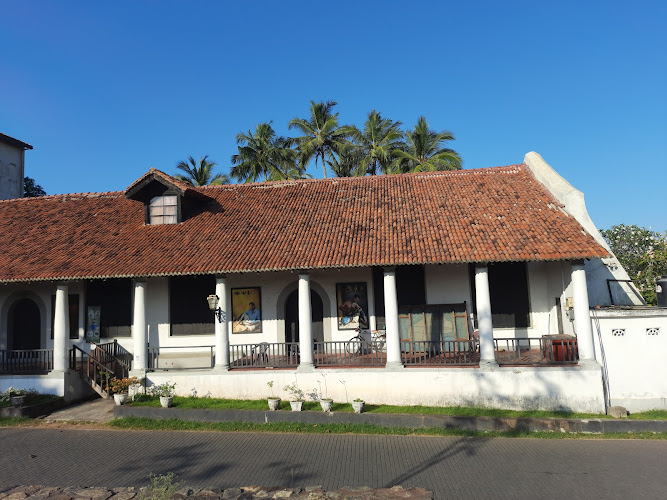
National Museum Galle
About National Museum Galle
Description
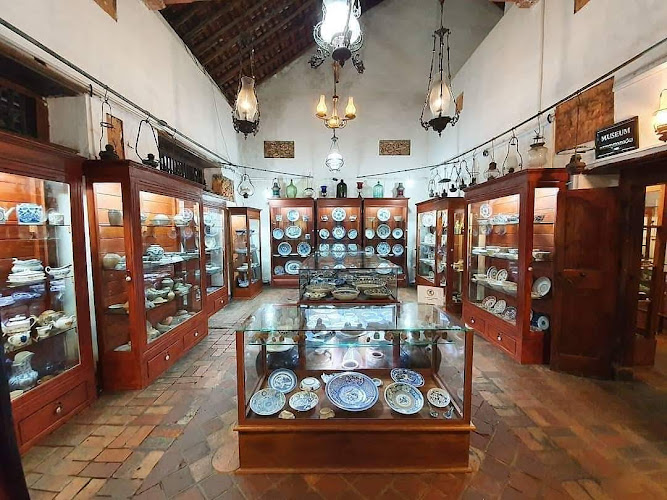
The National Museum of Galle is housed in a fascinating Dutch building dating back to 1656, making it one of the oldest structures standing inside the Galle Fort. This place isn’t just your typical museum—it's like stepping into a time capsule that whispers stories of colonial times and the diverse cultural threads that have woven Sri Lanka’s history. Walking through its single-storey colonnaded mansion, you’ll find yourself surrounded by an eclectic collection of artifacts that range from intricately carved masks to pieces of ship equipment and even old armor. It’s a pretty cool spot for anyone who’s curious about the Portuguese, Dutch, and Chinese influences that shaped the region.
Now, I gotta admit, the building itself is a bit weathered around the edges, which adds this authentic, lived-in vibe that you don’t get in shiny modern museums. Some might find it a bit modest compared to larger national museums, but that’s part of its charm. The displays feel personal and intimate rather than overwhelming, making it easier to soak in the history without feeling rushed or lost in a sea of exhibits.
One thing that really stuck with me was how the museum showcases everyday objects alongside grander historical pieces. You’ll see traditional furniture that tells a story about the lifestyle back then, alongside delicate turtle shell ware and ebony carvings that highlight local craftsmanship. It’s a reminder that history isn’t just about big events or famous figures—it’s about the small details that shaped daily life.
Whether you’re a history buff or just someone looking to escape the beach crowds for a few hours, this museum offers a quiet, reflective space with a genuine connection to the past. Just don’t expect flashy tech or interactive exhibits—this is old-school history told through real artifacts and the sturdy walls of a building that has seen centuries roll by.
Key Features
- Historic Dutch colonial architecture from 1656, the oldest building in Galle Fort still standing
- Extensive collection of Portuguese, Dutch, and Chinese heritage artifacts
- Traditional furniture and household items that offer a glimpse into colonial-era life
- Unique displays of ship equipment and armor, reflecting Galle’s maritime history
- Carvings, masks, and delicate turtle shell ware showcasing local artisan skills
- Quiet, intimate museum atmosphere perfect for thoughtful exploration
- Located within the UNESCO-listed Galle Fort, making it easy to combine with other historical sightseeing
Best Time to Visit
Picking the right time to visit the National Museum of Galle can totally change your experience. The dry season, from December to March, is hands down the best time to wander through the museum and the surrounding Galle Fort without worrying about sudden downpours or humidity that can make you wilt faster than you’d like. Mornings tend to be cooler and less crowded, so if you’re an early riser, you’ll get the place almost to yourself—perfect for taking photos or just soaking up the atmosphere without distractions.
But hey, if you happen to visit during the off-season, don’t sweat it too much. The museum is indoors, so a little rain won’t ruin your day. Just bring a light jacket and maybe plan some nearby cafe stops to warm up afterward. Also, keep in mind that weekends and public holidays can get busy with local visitors, so if you prefer a quieter vibe, weekdays are your friend.
How to Get There
Getting to the National Museum of Galle is pretty straightforward once you’re in the Galle Fort area. The museum sits right inside the fort, which is a compact and walkable zone. If you’re staying nearby, you can stroll over from most hotels or guesthouses within the fort walls—just follow the cobblestone streets and the occasional signposts pointing toward the museum.
If you’re coming from outside Galle, the town is well connected by train and bus from Colombo and other major cities. From the Galle bus or train station, tuk-tuks are your best bet for a quick ride to the fort. Just make sure to agree on a fare beforehand; I’ve learned the hard way that tuk-tuk drivers sometimes have their own ideas about “reasonable” prices.
For those road tripping, there’s parking available outside the fort, but you’ll need to walk a bit to reach the museum since vehicles aren’t allowed inside the fort walls. Trust me, the walk is part of the charm—those historic streets are begging to be explored on foot anyway.
Tips for Visiting
Alright, here’s the lowdown from someone who’s been there a couple of times. First off, wear comfy shoes. The museum floors and surrounding fort streets are old and uneven, so you’ll thank yourself later. Also, bring a hat and water, especially if you plan to explore the fort afterward—Sri Lanka’s sun can be relentless.
Don’t rush through the exhibits. Take your time to really look at the details—sometimes the smaller artifacts tell the juiciest stories. And if you can, try to catch a local guide or grab a brochure at the entrance. The history here is layered and complex, and a bit of context goes a long way in making the visit more meaningful.
One quirky tip: keep an eye out for the old Dutch inscriptions and architectural details around the building. They’re subtle but fascinating if you have a keen eye for history and design. It’s like the building itself is part of the exhibit.
Lastly, don’t forget your camera! The museum’s rustic charm and the fort’s scenic views make for some memorable shots. Just be mindful of any photography restrictions inside the museum. And if you get peckish, the fort has plenty of cafes nearby where you can refuel with some local snacks or a strong cup of Sri Lankan tea.
Visiting the National Museum of Galle isn’t just about ticking off a tourist spot; it’s about stepping into a story that’s been unfolding for centuries. So, go with an open mind, a curious heart, and maybe a bit of patience for the quirks that come with a place that’s seen a lot of history—and you’ll walk away with a richer appreciation for this corner of Sri Lanka.
Key Features
- Historic Dutch colonial architecture from 1656, the oldest building in Galle Fort still standing
- Extensive collection of Portuguese, Dutch, and Chinese heritage artifacts
- Traditional furniture and household items that offer a glimpse into colonial-era life
- Unique displays of ship equipment and armor, reflecting Galle’s maritime history
- Carvings, masks, and delicate turtle shell ware showcasing local artisan skills
- Quiet, intimate museum atmosphere perfect for thoughtful exploration
- Located within the UNESCO-listed Galle Fort, making it easy to combine with other historical sightseeing
More Details
Updated July 17, 2025
Table of Contents
Description
The National Museum of Galle is housed in a fascinating Dutch building dating back to 1656, making it one of the oldest structures standing inside the Galle Fort. This place isn’t just your typical museum—it’s like stepping into a time capsule that whispers stories of colonial times and the diverse cultural threads that have woven Sri Lanka’s history. Walking through its single-storey colonnaded mansion, you’ll find yourself surrounded by an eclectic collection of artifacts that range from intricately carved masks to pieces of ship equipment and even old armor. It’s a pretty cool spot for anyone who’s curious about the Portuguese, Dutch, and Chinese influences that shaped the region.
Now, I gotta admit, the building itself is a bit weathered around the edges, which adds this authentic, lived-in vibe that you don’t get in shiny modern museums. Some might find it a bit modest compared to larger national museums, but that’s part of its charm. The displays feel personal and intimate rather than overwhelming, making it easier to soak in the history without feeling rushed or lost in a sea of exhibits.
One thing that really stuck with me was how the museum showcases everyday objects alongside grander historical pieces. You’ll see traditional furniture that tells a story about the lifestyle back then, alongside delicate turtle shell ware and ebony carvings that highlight local craftsmanship. It’s a reminder that history isn’t just about big events or famous figures—it’s about the small details that shaped daily life.
Whether you’re a history buff or just someone looking to escape the beach crowds for a few hours, this museum offers a quiet, reflective space with a genuine connection to the past. Just don’t expect flashy tech or interactive exhibits—this is old-school history told through real artifacts and the sturdy walls of a building that has seen centuries roll by.
Key Features
- Historic Dutch colonial architecture from 1656, the oldest building in Galle Fort still standing
- Extensive collection of Portuguese, Dutch, and Chinese heritage artifacts
- Traditional furniture and household items that offer a glimpse into colonial-era life
- Unique displays of ship equipment and armor, reflecting Galle’s maritime history
- Carvings, masks, and delicate turtle shell ware showcasing local artisan skills
- Quiet, intimate museum atmosphere perfect for thoughtful exploration
- Located within the UNESCO-listed Galle Fort, making it easy to combine with other historical sightseeing
Best Time to Visit
Picking the right time to visit the National Museum of Galle can totally change your experience. The dry season, from December to March, is hands down the best time to wander through the museum and the surrounding Galle Fort without worrying about sudden downpours or humidity that can make you wilt faster than you’d like. Mornings tend to be cooler and less crowded, so if you’re an early riser, you’ll get the place almost to yourself—perfect for taking photos or just soaking up the atmosphere without distractions.
But hey, if you happen to visit during the off-season, don’t sweat it too much. The museum is indoors, so a little rain won’t ruin your day. Just bring a light jacket and maybe plan some nearby cafe stops to warm up afterward. Also, keep in mind that weekends and public holidays can get busy with local visitors, so if you prefer a quieter vibe, weekdays are your friend.
How to Get There
Getting to the National Museum of Galle is pretty straightforward once you’re in the Galle Fort area. The museum sits right inside the fort, which is a compact and walkable zone. If you’re staying nearby, you can stroll over from most hotels or guesthouses within the fort walls—just follow the cobblestone streets and the occasional signposts pointing toward the museum.
If you’re coming from outside Galle, the town is well connected by train and bus from Colombo and other major cities. From the Galle bus or train station, tuk-tuks are your best bet for a quick ride to the fort. Just make sure to agree on a fare beforehand; I’ve learned the hard way that tuk-tuk drivers sometimes have their own ideas about “reasonable” prices.
For those road tripping, there’s parking available outside the fort, but you’ll need to walk a bit to reach the museum since vehicles aren’t allowed inside the fort walls. Trust me, the walk is part of the charm—those historic streets are begging to be explored on foot anyway.
Tips for Visiting
Alright, here’s the lowdown from someone who’s been there a couple of times. First off, wear comfy shoes. The museum floors and surrounding fort streets are old and uneven, so you’ll thank yourself later. Also, bring a hat and water, especially if you plan to explore the fort afterward—Sri Lanka’s sun can be relentless.
Don’t rush through the exhibits. Take your time to really look at the details—sometimes the smaller artifacts tell the juiciest stories. And if you can, try to catch a local guide or grab a brochure at the entrance. The history here is layered and complex, and a bit of context goes a long way in making the visit more meaningful.
One quirky tip: keep an eye out for the old Dutch inscriptions and architectural details around the building. They’re subtle but fascinating if you have a keen eye for history and design. It’s like the building itself is part of the exhibit.
Lastly, don’t forget your camera! The museum’s rustic charm and the fort’s scenic views make for some memorable shots. Just be mindful of any photography restrictions inside the museum. And if you get peckish, the fort has plenty of cafes nearby where you can refuel with some local snacks or a strong cup of Sri Lankan tea.
Visiting the National Museum of Galle isn’t just about ticking off a tourist spot; it’s about stepping into a story that’s been unfolding for centuries. So, go with an open mind, a curious heart, and maybe a bit of patience for the quirks that come with a place that’s seen a lot of history—and you’ll walk away with a richer appreciation for this corner of Sri Lanka.
Key Highlights
- Historic Dutch colonial architecture from 1656, the oldest building in Galle Fort still standing
- Extensive collection of Portuguese, Dutch, and Chinese heritage artifacts
- Traditional furniture and household items that offer a glimpse into colonial-era life
- Unique displays of ship equipment and armor, reflecting Galle’s maritime history
- Carvings, masks, and delicate turtle shell ware showcasing local artisan skills
- Quiet, intimate museum atmosphere perfect for thoughtful exploration
- Located within the UNESCO-listed Galle Fort, making it easy to combine with other historical sightseeing
Location
Places to Stay Near National Museum Galle
Find and Book a Tour
Explore More Travel Guides
No reviews found! Be the first to review!
Traveler Reviews for National Museum Galle
There are no reviews yet. Be the first one to write one.
Have you visited National Museum Galle? Help other travelers by sharing your review.
You Might Also Like
Historical Mansion Museum

Dadalla beach

Cara Galle Fort
Find Accommodations Nearby
Recommended Tours & Activities
Visitor Reviews
There are no reviews yet. Be the first one to write one.
Share Your Experience
Have you visited National Museum Galle? Help other travelers by leaving a review.