

Nassau Straw Market
About Nassau Straw Market
Description
There’s a certain rhythm to the Nassau Straw Market that you can’t quite describe until you’ve been there. The sound of chatter, the laughter of locals haggling good-naturedly, the faint scent of sea salt drifting in from the harbor—it’s all part of the experience. This open-air market is one of those places that feels alive, buzzing with energy and stories. It’s where Bahamian craftsmanship really shines, especially through the handwoven straw bags, hats, and baskets that line the stalls. You’ll also find colorful souvenirs, from wooden carvings and conch shell jewelry to T-shirts and magnets that make for easy keepsakes.
What makes the Nassau Straw Market stand out isn’t just the merchandise—it’s the people. The vendors, many of whom have been here for decades, are part of the market’s soul. They’ll call you over with a smile, tell you a story about how they learned to weave from their grandmother, or maybe even offer you a deal if you show genuine interest. Sure, some travelers say the market can get crowded or a bit overwhelming, but that’s part of its charm. It’s raw, real, and unapologetically Bahamian.
I remember the first time I wandered through the market—I was trying to find a straw hat to survive the midday sun. I ended up spending an hour chatting with a vendor named Lorna, who told me about how she started braiding straw as a teenager. I left with a hat that’s still in my travel bag years later, and a story I tell every time someone asks about it. That’s what this place does—it gives you a piece of the Bahamas to take home, not just in your suitcase but in your memory.
Key Features
- Traditional handmade straw goods including hats, handbags, baskets, and mats crafted by local artisans.
- Wide selection of Bahamian souvenirs such as conch shell jewelry, T-shirts, and handcrafted wooden carvings.
- Vendors who often personalize items on the spot—names, initials, or designs added while you wait.
- Central location near the cruise port, making it easy to visit before or after exploring downtown Nassau.
- Wheelchair-accessible entrance and restrooms available for visitors’ convenience.
- Accepts credit and debit cards, though cash can be handy for bargaining.
- Family-friendly environment with plenty of space for kids to explore safely.
Best Time to Visit
If you’re not a fan of shoulder-to-shoulder crowds, aim to visit early in the morning or later in the afternoon. The cruise ships usually dock mid-morning, and that’s when the market gets busiest. Early hours are great for chatting with vendors before the rush, and you might even snag better deals since everyone’s in a good mood. The cooler part of the day also makes wandering through the aisles a lot more comfortable, especially if you’re not used to the Bahamian heat.
Weekdays tend to be a bit calmer than weekends, though there’s always a hum of activity. If you’re into photography, the morning light gives the market a warm glow that’s perfect for capturing those candid moments—like a vendor weaving palm fronds or a tourist trying on a straw hat that’s two sizes too big. And if you happen to visit during one of the local festivals or holidays, the market gets even livelier, with music and food stalls popping up nearby. It’s chaotic, but in the best way.
How to Get There
Reaching the Nassau Straw Market is pretty straightforward. If you’re arriving by cruise, you’re in luck—it’s just a short walk from the port. You can practically see the colorful stalls from the dock. For those staying in Nassau or on Paradise Island, a quick taxi ride will get you there in minutes. Some hotels even offer shuttle services that drop you near Bay Street, where the market sits surrounded by shops and cafes.
If you’re the type who likes to explore on foot, strolling down Bay Street is half the fun. You’ll pass colonial-style buildings, street performers, and maybe a few locals selling fresh coconut water. Just bring a hat, sunscreen, and a bottle of water—it can get hot fast. And yes, the market is wheelchair accessible, so everyone can enjoy it without much hassle. Parking nearby can be tricky, though, so public transport or walking is often the easiest option.
Tips for Visiting
First things first—bargaining is part of the experience here. Don’t be shy about negotiating a little; it’s expected and usually done with a smile. Just keep it friendly and respectful. If you’re buying multiple items from one vendor, ask for a bundle price. You’ll likely walk away with a good deal and a new friend.
Bring small bills if you can. While most vendors take cards now, cash can make transactions quicker and smoother. And keep an eye on your belongings—not because it’s unsafe, but because it’s easy to get distracted by all the sights and sounds around you.
One thing I’ve learned from visiting markets like this around the world: take your time. Don’t rush through. Look closely at the craftsmanship—the tightness of the weave, the patterns, the colors. Each piece tells a story, and the artisans are usually happy to share it if you ask. Also, don’t forget to step outside the main aisles; sometimes the best finds are tucked away in the corners where fewer tourists wander.
If you’re traveling with kids, they’ll love the colorful atmosphere. There’s plenty to see, and many vendors are great with children, often showing them how the straw weaving is done. Just keep some snacks and water handy—it can be a long walk through all those stalls.
And one last thing—don’t just shop and leave. Take a moment to chat, to listen, to appreciate the culture that built this market. It’s easy to think of it as just a souvenir stop, but it’s really a living piece of Bahamian heritage. You’ll leave with more than a trinket—you’ll leave with a story worth telling.
Key Features
- Traditional handmade straw goods including hats, handbags, baskets, and mats crafted by local artisans.
- Wide selection of Bahamian souvenirs such as conch shell jewelry, T-shirts, and handcrafted wooden carvings.
- Vendors who often personalize items on the spot—names, initials, or designs added while you wait.
- Central location near the cruise port, making it easy to visit before or after exploring downtown Nassau.
- Wheelchair-accessible entrance and restrooms available for visitors’ convenience.
- Accepts credit and debit cards, though cash can be handy for bargaining.
- Family-friendly environment with plenty of space for kids to explore safely.
More Details
Updated October 8, 2025
Table of Contents There’s a certain rhythm to the Nassau Straw Market that you can’t quite describe until you’ve been there. The sound of chatter, the laughter of locals haggling good-naturedly, the faint scent of sea salt drifting in from the harbor—it’s all part of the experience. This open-air market is one of those places that feels alive, buzzing with energy and stories. It’s where Bahamian craftsmanship really shines, especially through the handwoven straw bags, hats, and baskets that line the stalls. You’ll also find colorful souvenirs, from wooden carvings and conch shell jewelry to T-shirts and magnets that make for easy keepsakes. What makes the Nassau Straw Market stand out isn’t just the merchandise—it’s the people. The vendors, many of whom have been here for decades, are part of the market’s soul. They’ll call you over with a smile, tell you a story about how they learned to weave from their grandmother, or maybe even offer you a deal if you show genuine interest. Sure, some travelers say the market can get crowded or a bit overwhelming, but that’s part of its charm. It’s raw, real, and unapologetically Bahamian. I remember the first time I wandered through the market—I was trying to find a straw hat to survive the midday sun. I ended up spending an hour chatting with a vendor named Lorna, who told me about how she started braiding straw as a teenager. I left with a hat that’s still in my travel bag years later, and a story I tell every time someone asks about it. That’s what this place does—it gives you a piece of the Bahamas to take home, not just in your suitcase but in your memory. If you’re not a fan of shoulder-to-shoulder crowds, aim to visit early in the morning or later in the afternoon. The cruise ships usually dock mid-morning, and that’s when the market gets busiest. Early hours are great for chatting with vendors before the rush, and you might even snag better deals since everyone’s in a good mood. The cooler part of the day also makes wandering through the aisles a lot more comfortable, especially if you’re not used to the Bahamian heat. Weekdays tend to be a bit calmer than weekends, though there’s always a hum of activity. If you’re into photography, the morning light gives the market a warm glow that’s perfect for capturing those candid moments—like a vendor weaving palm fronds or a tourist trying on a straw hat that’s two sizes too big. And if you happen to visit during one of the local festivals or holidays, the market gets even livelier, with music and food stalls popping up nearby. It’s chaotic, but in the best way. Reaching the Nassau Straw Market is pretty straightforward. If you’re arriving by cruise, you’re in luck—it’s just a short walk from the port. You can practically see the colorful stalls from the dock. For those staying in Nassau or on Paradise Island, a quick taxi ride will get you there in minutes. Some hotels even offer shuttle services that drop you near Bay Street, where the market sits surrounded by shops and cafes. If you’re the type who likes to explore on foot, strolling down Bay Street is half the fun. You’ll pass colonial-style buildings, street performers, and maybe a few locals selling fresh coconut water. Just bring a hat, sunscreen, and a bottle of water—it can get hot fast. And yes, the market is wheelchair accessible, so everyone can enjoy it without much hassle. Parking nearby can be tricky, though, so public transport or walking is often the easiest option. First things first—bargaining is part of the experience here. Don’t be shy about negotiating a little; it’s expected and usually done with a smile. Just keep it friendly and respectful. If you’re buying multiple items from one vendor, ask for a bundle price. You’ll likely walk away with a good deal and a new friend. Bring small bills if you can. While most vendors take cards now, cash can make transactions quicker and smoother. And keep an eye on your belongings—not because it’s unsafe, but because it’s easy to get distracted by all the sights and sounds around you. One thing I’ve learned from visiting markets like this around the world: take your time. Don’t rush through. Look closely at the craftsmanship—the tightness of the weave, the patterns, the colors. Each piece tells a story, and the artisans are usually happy to share it if you ask. Also, don’t forget to step outside the main aisles; sometimes the best finds are tucked away in the corners where fewer tourists wander. If you’re traveling with kids, they’ll love the colorful atmosphere. There’s plenty to see, and many vendors are great with children, often showing them how the straw weaving is done. Just keep some snacks and water handy—it can be a long walk through all those stalls. And one last thing—don’t just shop and leave. Take a moment to chat, to listen, to appreciate the culture that built this market. It’s easy to think of it as just a souvenir stop, but it’s really a living piece of Bahamian heritage. You’ll leave with more than a trinket—you’ll leave with a story worth telling.Description
Key Features
Best Time to Visit
How to Get There
Tips for Visiting
Key Highlights
- Traditional handmade straw goods including hats, handbags, baskets, and mats crafted by local artisans.
- Wide selection of Bahamian souvenirs such as conch shell jewelry, T-shirts, and handcrafted wooden carvings.
- Vendors who often personalize items on the spot—names, initials, or designs added while you wait.
- Central location near the cruise port, making it easy to visit before or after exploring downtown Nassau.
- Wheelchair-accessible entrance and restrooms available for visitors’ convenience.
- Accepts credit and debit cards, though cash can be handy for bargaining.
- Family-friendly environment with plenty of space for kids to explore safely.
Location
Places to Stay Near Nassau Straw Market
Find and Book a Tour
Explore More Travel Guides
No reviews found! Be the first to review!
Traveler Reviews for Nassau Straw Market
There are no reviews yet. Be the first one to write one.
Have you visited Nassau Straw Market? Help other travelers by sharing your review.
You Might Also Like
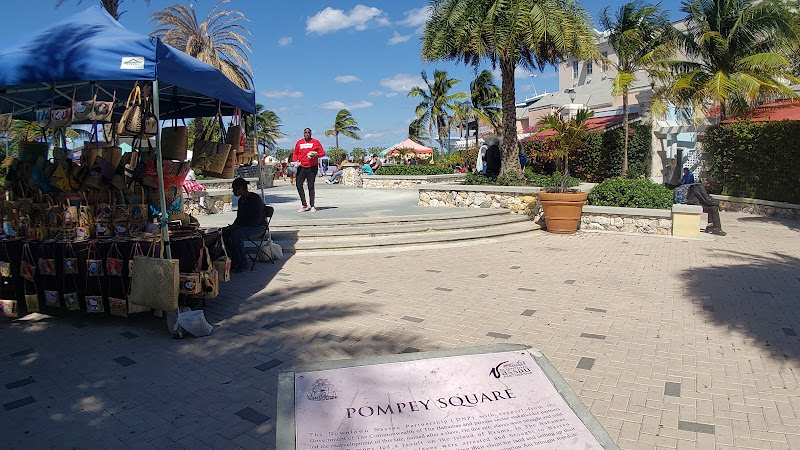
Pompey Square

Pirates of Nassau

Da Pig Beach Nassau Bahamas (Departures only)
Find Accommodations Nearby
Recommended Tours & Activities
Visitor Reviews
There are no reviews yet. Be the first one to write one.
Share Your Experience
Have you visited Nassau Straw Market? Help other travelers by leaving a review.