About Nasal Chowk

Description

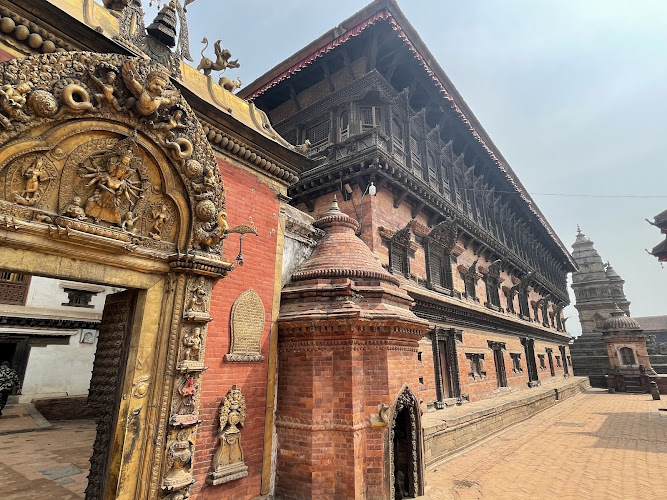
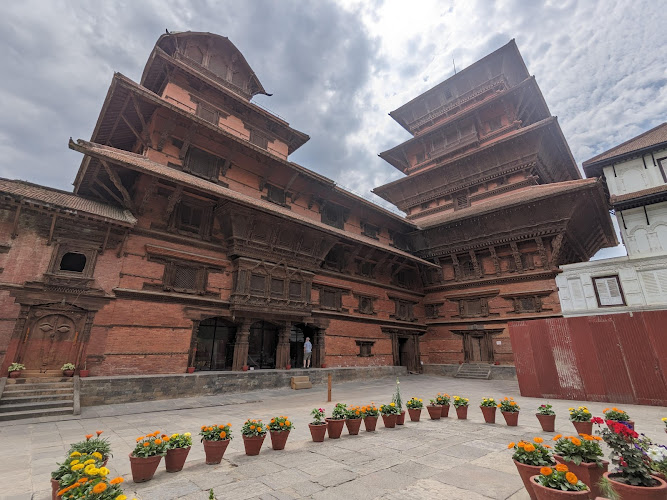
There’s something almost magnetic about Nasal Chowk—especially if you’re a traveler obsessed with discovering the less talked-about corners of storied cities. Smack in the heart of Kathmandu Durbar Square, this historical courtyard is a patchwork of centuries-old stories, intricate woodwork, and layers of living culture. People tend to focus on the big temples and courtyards, but honestly, give Nasal Chowk ten minutes and it will plant roots somewhere deep in your curiosity. Stepping in, you’re immediately met by a sense of both everyday bustle and nothing short of regal history. The contrast is wild—what used to be a stage for kings and queens is now a daily thoroughfare for folks snapping photos, guides talking their mouths dry, and even young Nepalis darting through on errands.

But don't expect perfect symmetry and glossy finishes here—it’s raw, real, and breathing. At first, you might notice the intricate wooden windows glowering down, the kind you’d expect to find in some fairy-tale. And then, as you look up, you catch the traces of new, the laughter of children, tourists from every continent, and maybe a local casting saffron flowers as part of a modest offering. The place is accessible, too, which is a godsend for families or anyone with mobility needs. It’s refreshing to see a site that honors history while being open to all kinds of visitors. Small details, like the raised steps polished smooth by centuries of feet, or the shadows cast by once-opulent balconies, draw you in and make you want to linger. Sure, some corners are chipped and faded, but honestly, that's part of the charm. It's kind of like discovering your grandparents' stories scribbled in the margins of a well-worn book.

Key Features

  • Historic Royal Courtyard: Once the nucleus of the Malla kings’ palace ceremonies—yep, actual royalty walked these bricks and held coronations here.
  • Striking Architecture: A fusion of Nepalese and Indian artistry, from the bravura carved windows to the centuries-old throne platform. The layers of history almost speak for themselves (if you listen hard enough).
  • Hanuman Statues: Guardians of the entrance, these statues watch as countless stories pass beneath their gaze. Grab a photo, but also take a second just to soak in their permanence.
  • Coronation Platform: The heart of Nasal Chowk is the exact spot where generations of kings received their crowns—a slice of history both heavy and electrifying.
  • Festive Energy: Depending on your timing, you might witness local festivals, ritual processions, or families gathering—each adding a whole new pulse to the place.
  • Wheelchair Accessibility: It’s easy to overlook, but here, you’ll find both accessible entrances and parking. Not everywhere in old Kathmandu offers this kind of welcome.
  • Photogenic Backdrops: From gilded shrines peeking through dark wood to improbable angles and dramatic shadows, camera lovers can lose hours here (speaking from experience… I had to cut myself off and just enjoy the view eventually).
  • Kid-Friendly Environment: Cultural sites aren’t always easy for younger explorers, but this one gives kids room to ramble, stare wide-eyed at carvings, and play make-believe in a courtyard fit for a fairy tale or an epic legend.

Best Time to Visit

Alright, so here’s the lowdown on timing: Kathmandu’s magic isn’t limited to one season, but you really can’t go wrong with late September to November. The skies are crisp, mountains in the distance are clear, and the festival buzz is at its peak—think Indra Jatra or Dashain, when the square itself feels like it’s about to levitate with energy. I’ve visited in monsoon, too, when puddles glisten on brick and umbrellas bob past with wild abandon. Still, be aware—if you’re not up for afternoon downpours and a dose of mud on your shoes, the dry season is just easier.

Morning visits (before 10 AM) are superb for those who like a slower pace and are less keen on weaving through crowds of school groups or tour clusters. Plus, golden hour sunlight softens every angle and makes for stunning snapshots. But if you come during the late afternoon, there’s often a gentle lull. Evenings have their own magic, though the square itself quiets down and the sense of age-old echoes is almost stronger.

If you’re really after something local, watch the festival calendar. Witnessing a coronation anniversary or a spontaneous blessing means sharing the space with hundreds of spirited locals—utterly unforgettable, even if it’s a bit noisy and bustling. Still, if worn-out feet and relentless crowds aren’t your thing, off-peak weekdays are your best bet. No matter when you show up, bring your sense of curiosity—and maybe a hat, because Kathmandu sun shows no mercy.

How to Get There

Arrange your route depending on where you’re lodging in Kathmandu. If you’re within the Thamel district, honestly, just walk—you’ll want to take in the city’s symphony of sights, smells, and tuk-tuk orchestra anyway. The main road leading to Durbar Square is busy, yes, but it’s a straight shot and you can’t really miss it. If you’re coming from farther, a taxi does the trick (make sure the driver’s familiar, though most are). You can try the local buses, too, but unless you’re feeling adventurous or know a smattering of Nepali, it might get confusing.

Once you hit Durbar Square, look for the palace complex—Nasal Chowk is tucked right there, not far from the main ticket counters and under the gaze of alert palace guards (they’re mostly friendly). For travelers with mobility needs, take heart: both the entrance and parking are wheelchair accessible. The walkways get crowded during major festivals, though, so patience is your friend. Oh, and if you’re a bit scatterbrained like me, maybe jot down the chowk’s location on your phone or a scrap of paper—the maze of courtyards and alleys nearby can be dizzying for first-timers.

Tips for Visiting

  • Allow Time to Wander: Don’t rush. The magic’s in the meandering—half the memorable sights are in unexpected details up in the rafters or down by your feet.
  • Hire a Local Guide (if you can): A guide transforms those carvings and old platforms into actual stories—with heroes, villains, and sometimes a ghostly tall tale or two. Worth every rupee if you want the sights to make sense.
  • Dress Respectfully: You’re visiting a cultural and religious site, after all. Shoulders covered, shoes off in sacred areas (signs will guide you), and a hat for that fierce midday sun.
  • Watch Your Step: Centuries-old stone and wood means uneven surfaces. Trip hazards are real, especially if you get lost in the viewfinder or your phone screen.
  • Photography Etiquette: Snap away, but remember, this isn’t just a backdrop. Ask before including people in your shots, especially monks, devotees, or families—it’s just good manners.
  • Visit Museums Nearby: The palace complex includes museums with artifacts that fill in the blanks. Even if you’re not typically a museum person, you’ll appreciate the context once you see coronation seats and faded royal portraits firsthand.
  • Take Breaks: Noise and crowds can be a lot—especially if you’re sensitive to sensory overload. Don’t feel bad about ducking into a shady corner or finding a quiet bench for a people-watching break. These are the moments that stick with me long after I leave.
  • Keep an Open Mind: Remember, Nasal Chowk has weathered earthquakes, dynasties, and countless footfalls. It’s imperfect, but that imperfection is oddly uplifting. You may not “get” everything right away, but don’t worry—the stories will stick with you, in one way or another.

In the end, Nasal Chowk isn't just another stop on a temple tour—it's a lived-in slice of Kathmandu’s past, still pulsing with what makes this city endlessly surprising. Step in, slow down, and let those old bricks tell you their stories. You might leave with more wonder than you arrived with… I certainly did.

Key Features

  • Key Features
  • Best Time to Visit
  • How to Get There
  • Tips for Visiting

More Details

Updated July 6, 2025

Description

There’s something almost magnetic about Nasal Chowk—especially if you’re a traveler obsessed with discovering the less talked-about corners of storied cities. Smack in the heart of Kathmandu Durbar Square, this historical courtyard is a patchwork of centuries-old stories, intricate woodwork, and layers of living culture. People tend to focus on the big temples and courtyards, but honestly, give Nasal Chowk ten minutes and it will plant roots somewhere deep in your curiosity. Stepping in, you’re immediately met by a sense of both everyday bustle and nothing short of regal history. The contrast is wild—what used to be a stage for kings and queens is now a daily thoroughfare for folks snapping photos, guides talking their mouths dry, and even young Nepalis darting through on errands.

But don’t expect perfect symmetry and glossy finishes here—it’s raw, real, and breathing. At first, you might notice the intricate wooden windows glowering down, the kind you’d expect to find in some fairy-tale. And then, as you look up, you catch the traces of new, the laughter of children, tourists from every continent, and maybe a local casting saffron flowers as part of a modest offering. The place is accessible, too, which is a godsend for families or anyone with mobility needs. It’s refreshing to see a site that honors history while being open to all kinds of visitors. Small details, like the raised steps polished smooth by centuries of feet, or the shadows cast by once-opulent balconies, draw you in and make you want to linger. Sure, some corners are chipped and faded, but honestly, that’s part of the charm. It’s kind of like discovering your grandparents’ stories scribbled in the margins of a well-worn book.

Key Features

  • Historic Royal Courtyard: Once the nucleus of the Malla kings’ palace ceremonies—yep, actual royalty walked these bricks and held coronations here.
  • Striking Architecture: A fusion of Nepalese and Indian artistry, from the bravura carved windows to the centuries-old throne platform. The layers of history almost speak for themselves (if you listen hard enough).
  • Hanuman Statues: Guardians of the entrance, these statues watch as countless stories pass beneath their gaze. Grab a photo, but also take a second just to soak in their permanence.
  • Coronation Platform: The heart of Nasal Chowk is the exact spot where generations of kings received their crowns—a slice of history both heavy and electrifying.
  • Festive Energy: Depending on your timing, you might witness local festivals, ritual processions, or families gathering—each adding a whole new pulse to the place.
  • Wheelchair Accessibility: It’s easy to overlook, but here, you’ll find both accessible entrances and parking. Not everywhere in old Kathmandu offers this kind of welcome.
  • Photogenic Backdrops: From gilded shrines peeking through dark wood to improbable angles and dramatic shadows, camera lovers can lose hours here (speaking from experience… I had to cut myself off and just enjoy the view eventually).
  • Kid-Friendly Environment: Cultural sites aren’t always easy for younger explorers, but this one gives kids room to ramble, stare wide-eyed at carvings, and play make-believe in a courtyard fit for a fairy tale or an epic legend.

Best Time to Visit

Alright, so here’s the lowdown on timing: Kathmandu’s magic isn’t limited to one season, but you really can’t go wrong with late September to November. The skies are crisp, mountains in the distance are clear, and the festival buzz is at its peak—think Indra Jatra or Dashain, when the square itself feels like it’s about to levitate with energy. I’ve visited in monsoon, too, when puddles glisten on brick and umbrellas bob past with wild abandon. Still, be aware—if you’re not up for afternoon downpours and a dose of mud on your shoes, the dry season is just easier.

Morning visits (before 10 AM) are superb for those who like a slower pace and are less keen on weaving through crowds of school groups or tour clusters. Plus, golden hour sunlight softens every angle and makes for stunning snapshots. But if you come during the late afternoon, there’s often a gentle lull. Evenings have their own magic, though the square itself quiets down and the sense of age-old echoes is almost stronger.

If you’re really after something local, watch the festival calendar. Witnessing a coronation anniversary or a spontaneous blessing means sharing the space with hundreds of spirited locals—utterly unforgettable, even if it’s a bit noisy and bustling. Still, if worn-out feet and relentless crowds aren’t your thing, off-peak weekdays are your best bet. No matter when you show up, bring your sense of curiosity—and maybe a hat, because Kathmandu sun shows no mercy.

How to Get There

Arrange your route depending on where you’re lodging in Kathmandu. If you’re within the Thamel district, honestly, just walk—you’ll want to take in the city’s symphony of sights, smells, and tuk-tuk orchestra anyway. The main road leading to Durbar Square is busy, yes, but it’s a straight shot and you can’t really miss it. If you’re coming from farther, a taxi does the trick (make sure the driver’s familiar, though most are). You can try the local buses, too, but unless you’re feeling adventurous or know a smattering of Nepali, it might get confusing.

Once you hit Durbar Square, look for the palace complex—Nasal Chowk is tucked right there, not far from the main ticket counters and under the gaze of alert palace guards (they’re mostly friendly). For travelers with mobility needs, take heart: both the entrance and parking are wheelchair accessible. The walkways get crowded during major festivals, though, so patience is your friend. Oh, and if you’re a bit scatterbrained like me, maybe jot down the chowk’s location on your phone or a scrap of paper—the maze of courtyards and alleys nearby can be dizzying for first-timers.

Tips for Visiting

  • Allow Time to Wander: Don’t rush. The magic’s in the meandering—half the memorable sights are in unexpected details up in the rafters or down by your feet.
  • Hire a Local Guide (if you can): A guide transforms those carvings and old platforms into actual stories—with heroes, villains, and sometimes a ghostly tall tale or two. Worth every rupee if you want the sights to make sense.
  • Dress Respectfully: You’re visiting a cultural and religious site, after all. Shoulders covered, shoes off in sacred areas (signs will guide you), and a hat for that fierce midday sun.
  • Watch Your Step: Centuries-old stone and wood means uneven surfaces. Trip hazards are real, especially if you get lost in the viewfinder or your phone screen.
  • Photography Etiquette: Snap away, but remember, this isn’t just a backdrop. Ask before including people in your shots, especially monks, devotees, or families—it’s just good manners.
  • Visit Museums Nearby: The palace complex includes museums with artifacts that fill in the blanks. Even if you’re not typically a museum person, you’ll appreciate the context once you see coronation seats and faded royal portraits firsthand.
  • Take Breaks: Noise and crowds can be a lot—especially if you’re sensitive to sensory overload. Don’t feel bad about ducking into a shady corner or finding a quiet bench for a people-watching break. These are the moments that stick with me long after I leave.
  • Keep an Open Mind: Remember, Nasal Chowk has weathered earthquakes, dynasties, and countless footfalls. It’s imperfect, but that imperfection is oddly uplifting. You may not “get” everything right away, but don’t worry—the stories will stick with you, in one way or another.

In the end, Nasal Chowk isn’t just another stop on a temple tour—it’s a lived-in slice of Kathmandu’s past, still pulsing with what makes this city endlessly surprising. Step in, slow down, and let those old bricks tell you their stories. You might leave with more wonder than you arrived with… I certainly did.

Key Highlights

  • Key Features
  • Best Time to Visit
  • How to Get There
  • Tips for Visiting

Location

Places to Stay Near Nasal Chowk

Find and Book a Tour

Explore More Travel Guides

No reviews found! Be the first to review!

Traveler Reviews for Nasal Chowk

There are no reviews yet. Be the first one to write one.

Share Your Experience

Have you visited Nasal Chowk? Help other travelers by sharing your review.

Find Accommodations Nearby

Recommended Tours & Activities

Visitor Reviews

There are no reviews yet. Be the first one to write one.

Share Your Experience

Have you visited Nasal Chowk? Help other travelers by leaving a review.