
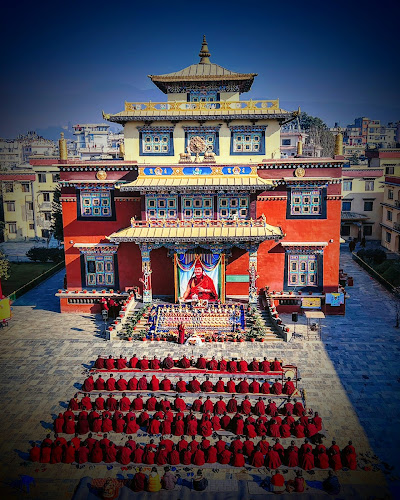
Shechen Monastery
About Shechen Monastery
Description
Shechen Monastery is one of those places that quietly takes your breath away—not because it’s flashy or grandiose, but because of the steady calm it radiates the moment you step through its gates. Tucked away on the outskirts of Kathmandu, it feels like a world apart from the city’s honking horns and swirling dust. The monastery is part of the Nyingma tradition of Tibetan Buddhism, and it’s not just a religious site—it’s a living, breathing community of monks, students, and visitors who come seeking peace, purpose, or maybe just a little silence in a noisy world.
The monastery’s architecture is a feast for the eyes. Vibrant murals line the walls, golden rooftops shimmer under the sun, and prayer flags flutter lazily in the breeze. You can almost hear the whispers of centuries of devotion in the air. I remember the first time I visited—it was early morning, and the sound of chanting rolled through the courtyard, low and rhythmic, like waves on a shore. I just stood there, coffee in hand, feeling completely still for the first time in weeks. That’s the kind of place Shechen is—it doesn’t demand your attention; it quietly earns it.
It’s also a place where tradition and modern life coexist surprisingly well. The monastery runs a guesthouse and a small vegetarian restaurant, both simple but welcoming. You’ll often see travelers sitting in the garden with a book or chatting softly over tea. And though it’s a sacred site, it doesn’t feel unapproachable. The monks are kind and often smile at visitors, and there’s a sense of openness that makes you feel like you belong, even if you’re just passing through.
Key Features
- Founded in the late 17th century as one of the six principal monasteries of the Nyingma tradition of Tibetan Buddhism.
- Renowned for its stunning traditional architecture, including intricate wood carvings, colorful murals, and golden rooftops.
- Home to hundreds of monks dedicated to Buddhist study, meditation, and ritual practice.
- Features a guesthouse and vegetarian restaurant for travelers seeking peaceful accommodation and authentic local meals.
- Hosts regular ceremonies, teachings, and meditation retreats open to visitors.
- Wheelchair-accessible entrance and parking, making it easy for everyone to explore the grounds.
- Beautifully maintained gardens perfect for quiet reflection or photography.
What I particularly love about Shechen is that it doesn’t feel like a tourist trap. Sure, you’ll find visitors snapping photos, but there’s still a deep respect for the space. You can feel it in the way people lower their voices as they walk through the main prayer hall or pause to spin the prayer wheels. It’s not about religion for everyone—it’s about connection, mindfulness, and that rare moment of stillness that seems so hard to find these days.
Best Time to Visit
If you ask me, the best time to visit Shechen Monastery is during the dry months—from October to April. The skies are usually clear, and the light has this golden softness that makes the monastery glow, especially around sunset. The mornings are crisp, perfect for wandering the grounds before the day gets busy.
That said, if you visit during one of the major Buddhist festivals—like Losar (Tibetan New Year)—you’ll witness the monastery at its liveliest. The air fills with the sound of drums, horns, and chanting, and the courtyards come alive with color and movement. It’s chaotic in the best way possible. But if you prefer quiet contemplation, weekdays in the early morning or late afternoon are ideal. There’s something magical about watching the monks go about their routines as the city hums softly in the distance.
How to Get There
Getting to Shechen Monastery isn’t difficult, but it does require a bit of navigation if it’s your first time in Kathmandu. The monastery sits just a short drive from the city center, and most taxis or ride-hailing apps will know the way. If you’re feeling adventurous, you can rent a scooter or even walk from nearby neighborhoods—it’s a pleasant stroll if the weather’s kind.
The road leading up to the monastery is fairly straightforward, though a little bumpy in spots. Once you arrive, you’ll find a small parking lot and a welcoming entrance that’s wheelchair accessible. The surrounding area is peaceful, with a few local shops selling butter lamps, prayer beads, and the occasional steaming cup of chai. I once spent half an hour talking to an elderly shopkeeper there who told me he’d been selling incense outside the monastery for over forty years. That’s the kind of small, unexpected connection that makes travel so rewarding.
Tips for Visiting
Visiting Shechen Monastery is as much about attitude as it is about itinerary. This isn’t a place to rush through or check off a list—it’s a space to slow down, breathe, and just be present. Still, a few practical tips can make your visit smoother and more meaningful:
- Dress modestly: Shoulders and knees covered. It’s a sign of respect, and honestly, it just feels right in such a sacred place.
- Remove your shoes: When entering prayer halls or temples, always take off your shoes. You’ll notice locals doing the same.
- Photography: Be mindful. Some areas allow photos, others don’t. Always ask if you’re unsure.
- Join a meditation session: If you have the chance, sit in on one. Even a short session can be surprisingly grounding.
- Try the monastery restaurant: The vegetarian meals are simple but delicious. Their momos (dumplings) are a personal favorite.
- Respect the monks’ routines: Avoid interrupting or photographing them during prayers or study sessions.
- Bring cash: Donations are appreciated, and small purchases help support the monastery’s upkeep.
And here’s a little personal advice: don’t rush off right after your visit. Sit in the courtyard for a while. Watch the prayer flags flutter, listen to the soft hum of chanting in the distance, and let the calm sink in. I’ve found that some of my best travel memories come from those quiet, unplanned moments.
Shechen Monastery isn’t just another stop on a Kathmandu itinerary—it’s a reminder that peace doesn’t always come from isolation or silence. Sometimes it’s found in the steady rhythm of daily devotion, in the laughter of monks chatting over tea, or in the quiet understanding between strangers sharing a bench. Whether you’re a spiritual seeker, a curious traveler, or just someone looking for a break from the chaos, this monastery offers something rare: a genuine sense of stillness that lingers long after you leave.
So take your time here. Walk slowly. Listen deeply. And when you finally head back into the city, you might find that the noise doesn’t bother you quite as much anymore.
Key Features
- Founded in the late 17th century as one of the six principal monasteries of the Nyingma tradition of Tibetan Buddhism.
- Renowned for its stunning traditional architecture, including intricate wood carvings, colorful murals, and golden rooftops.
- Home to hundreds of monks dedicated to Buddhist study, meditation, and ritual practice.
- Features a guesthouse and vegetarian restaurant for travelers seeking peaceful accommodation and authentic local meals.
- Hosts regular ceremonies, teachings, and meditation retreats open to visitors.
- Wheelchair-accessible entrance and parking, making it easy for everyone to explore the grounds.
- Beautifully maintained gardens perfect for quiet reflection or photography.
More Details
Updated October 9, 2025
Table of Contents
Description
Shechen Monastery is one of those places that quietly takes your breath away—not because it’s flashy or grandiose, but because of the steady calm it radiates the moment you step through its gates. Tucked away on the outskirts of Kathmandu, it feels like a world apart from the city’s honking horns and swirling dust. The monastery is part of the Nyingma tradition of Tibetan Buddhism, and it’s not just a religious site—it’s a living, breathing community of monks, students, and visitors who come seeking peace, purpose, or maybe just a little silence in a noisy world.
The monastery’s architecture is a feast for the eyes. Vibrant murals line the walls, golden rooftops shimmer under the sun, and prayer flags flutter lazily in the breeze. You can almost hear the whispers of centuries of devotion in the air. I remember the first time I visited—it was early morning, and the sound of chanting rolled through the courtyard, low and rhythmic, like waves on a shore. I just stood there, coffee in hand, feeling completely still for the first time in weeks. That’s the kind of place Shechen is—it doesn’t demand your attention; it quietly earns it.
It’s also a place where tradition and modern life coexist surprisingly well. The monastery runs a guesthouse and a small vegetarian restaurant, both simple but welcoming. You’ll often see travelers sitting in the garden with a book or chatting softly over tea. And though it’s a sacred site, it doesn’t feel unapproachable. The monks are kind and often smile at visitors, and there’s a sense of openness that makes you feel like you belong, even if you’re just passing through.
Key Features
- Founded in the late 17th century as one of the six principal monasteries of the Nyingma tradition of Tibetan Buddhism.
- Renowned for its stunning traditional architecture, including intricate wood carvings, colorful murals, and golden rooftops.
- Home to hundreds of monks dedicated to Buddhist study, meditation, and ritual practice.
- Features a guesthouse and vegetarian restaurant for travelers seeking peaceful accommodation and authentic local meals.
- Hosts regular ceremonies, teachings, and meditation retreats open to visitors.
- Wheelchair-accessible entrance and parking, making it easy for everyone to explore the grounds.
- Beautifully maintained gardens perfect for quiet reflection or photography.
What I particularly love about Shechen is that it doesn’t feel like a tourist trap. Sure, you’ll find visitors snapping photos, but there’s still a deep respect for the space. You can feel it in the way people lower their voices as they walk through the main prayer hall or pause to spin the prayer wheels. It’s not about religion for everyone—it’s about connection, mindfulness, and that rare moment of stillness that seems so hard to find these days.
Best Time to Visit
If you ask me, the best time to visit Shechen Monastery is during the dry months—from October to April. The skies are usually clear, and the light has this golden softness that makes the monastery glow, especially around sunset. The mornings are crisp, perfect for wandering the grounds before the day gets busy.
That said, if you visit during one of the major Buddhist festivals—like Losar (Tibetan New Year)—you’ll witness the monastery at its liveliest. The air fills with the sound of drums, horns, and chanting, and the courtyards come alive with color and movement. It’s chaotic in the best way possible. But if you prefer quiet contemplation, weekdays in the early morning or late afternoon are ideal. There’s something magical about watching the monks go about their routines as the city hums softly in the distance.
How to Get There
Getting to Shechen Monastery isn’t difficult, but it does require a bit of navigation if it’s your first time in Kathmandu. The monastery sits just a short drive from the city center, and most taxis or ride-hailing apps will know the way. If you’re feeling adventurous, you can rent a scooter or even walk from nearby neighborhoods—it’s a pleasant stroll if the weather’s kind.
The road leading up to the monastery is fairly straightforward, though a little bumpy in spots. Once you arrive, you’ll find a small parking lot and a welcoming entrance that’s wheelchair accessible. The surrounding area is peaceful, with a few local shops selling butter lamps, prayer beads, and the occasional steaming cup of chai. I once spent half an hour talking to an elderly shopkeeper there who told me he’d been selling incense outside the monastery for over forty years. That’s the kind of small, unexpected connection that makes travel so rewarding.
Tips for Visiting
Visiting Shechen Monastery is as much about attitude as it is about itinerary. This isn’t a place to rush through or check off a list—it’s a space to slow down, breathe, and just be present. Still, a few practical tips can make your visit smoother and more meaningful:
- Dress modestly: Shoulders and knees covered. It’s a sign of respect, and honestly, it just feels right in such a sacred place.
- Remove your shoes: When entering prayer halls or temples, always take off your shoes. You’ll notice locals doing the same.
- Photography: Be mindful. Some areas allow photos, others don’t. Always ask if you’re unsure.
- Join a meditation session: If you have the chance, sit in on one. Even a short session can be surprisingly grounding.
- Try the monastery restaurant: The vegetarian meals are simple but delicious. Their momos (dumplings) are a personal favorite.
- Respect the monks’ routines: Avoid interrupting or photographing them during prayers or study sessions.
- Bring cash: Donations are appreciated, and small purchases help support the monastery’s upkeep.
And here’s a little personal advice: don’t rush off right after your visit. Sit in the courtyard for a while. Watch the prayer flags flutter, listen to the soft hum of chanting in the distance, and let the calm sink in. I’ve found that some of my best travel memories come from those quiet, unplanned moments.
Shechen Monastery isn’t just another stop on a Kathmandu itinerary—it’s a reminder that peace doesn’t always come from isolation or silence. Sometimes it’s found in the steady rhythm of daily devotion, in the laughter of monks chatting over tea, or in the quiet understanding between strangers sharing a bench. Whether you’re a spiritual seeker, a curious traveler, or just someone looking for a break from the chaos, this monastery offers something rare: a genuine sense of stillness that lingers long after you leave.
So take your time here. Walk slowly. Listen deeply. And when you finally head back into the city, you might find that the noise doesn’t bother you quite as much anymore.
Key Highlights
- Founded in the late 17th century as one of the six principal monasteries of the Nyingma tradition of Tibetan Buddhism.
- Renowned for its stunning traditional architecture, including intricate wood carvings, colorful murals, and golden rooftops.
- Home to hundreds of monks dedicated to Buddhist study, meditation, and ritual practice.
- Features a guesthouse and vegetarian restaurant for travelers seeking peaceful accommodation and authentic local meals.
- Hosts regular ceremonies, teachings, and meditation retreats open to visitors.
- Wheelchair-accessible entrance and parking, making it easy for everyone to explore the grounds.
- Beautifully maintained gardens perfect for quiet reflection or photography.
Location
Places to Stay Near Shechen Monastery
Find and Book a Tour
Explore More Travel Guides
No reviews found! Be the first to review!
Traveler Reviews for Shechen Monastery
There are no reviews yet. Be the first one to write one.
Have you visited Shechen Monastery? Help other travelers by sharing your review.
You Might Also Like
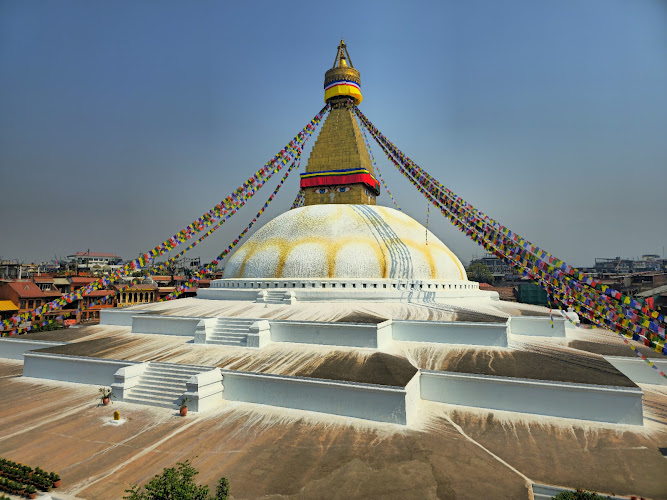
Buddha Stupa
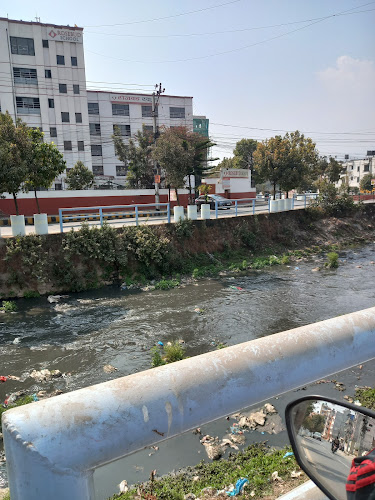
Thapathali Durbar
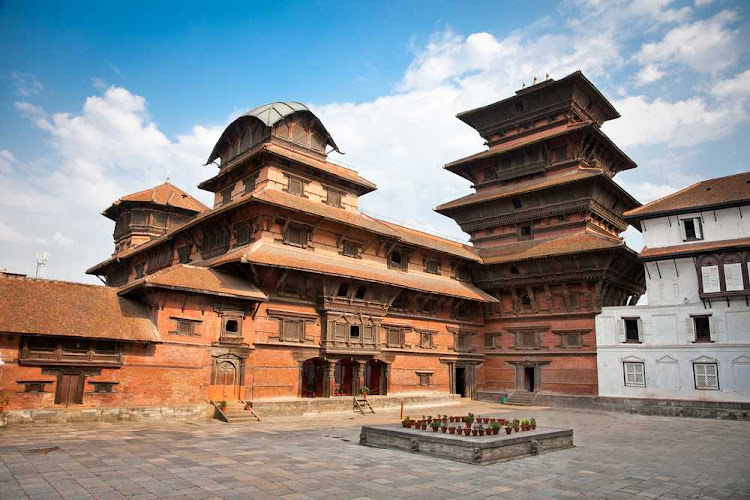
Hanumandhoka Durbar Square
Find Accommodations Nearby
Recommended Tours & Activities
Visitor Reviews
There are no reviews yet. Be the first one to write one.
Share Your Experience
Have you visited Shechen Monastery? Help other travelers by leaving a review.