
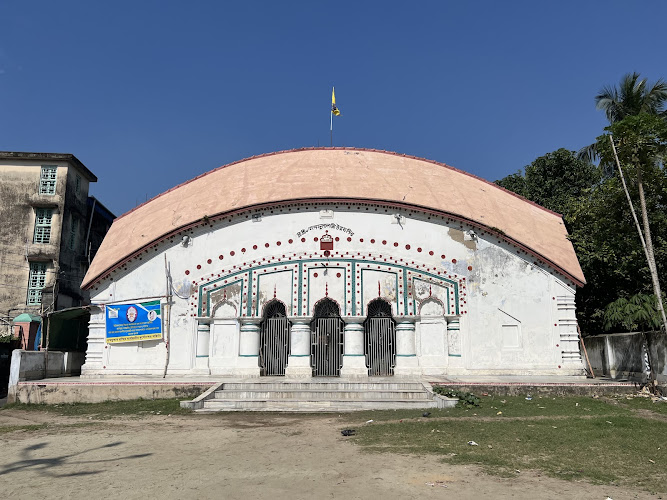
Nandadulal Temple
About Nandadulal Temple
Description
The Nandadulal Temple is one of those places that quietly gets under your skin. It doesn’t shout for attention or overwhelm you with scale, but if you slow down (and yes, you really should), it has a way of lingering in your memory long after you’ve left. Dedicated to Lord Krishna in his Nandadulal form, the temple holds deep emotional and spiritual meaning for devotees, and a curious pull for travelers who want to understand local faith beyond guidebook bullet points.
The atmosphere here feels lived-in. You’ll notice it right away. Priests moving about with practiced ease, the soft echo of bells, and visitors who don’t rush, even if they arrived in a hurry. It’s not a museum piece frozen in time; it’s active, breathing, and sometimes a little chaotic. And honestly, that’s part of the charm. I once visited on a weekday afternoon expecting near silence, but walked straight into an impromptu bhajan session. No stage, no microphones. Just voices, claps, and devotion that felt raw and unfiltered.
Architecturally, the temple reflects traditional Hindu design sensibilities, with detailing that rewards a closer look. The idol of Lord Krishna, worshipped here as Nandadulal, is the undeniable focal point. Devotees often describe the deity’s expression as gentle yet mischievous, which fits Krishna’s lore perfectly. And even if you’re not particularly religious, it’s hard not to pause for a second and just… look.
The crowd mix is interesting too. You’ll see elderly locals who’ve been coming here for decades, families introducing children to rituals, and travelers who stumbled upon the temple while exploring nearby attractions. Not everyone leaves with the same takeaway, and that’s okay. Some come for prayer, some for curiosity, some just to sit quietly for a few minutes. The temple accommodates all of that without making you feel out of place.
From a traveler’s point of view, the Nandadulal Temple offers a genuine slice of daily religious life. It’s not polished for tourism, and that’s a good thing. There are moments when things feel a bit disorganized, and facilities aren’t fancy. But what you get instead is authenticity. And in my book, that’s a fair trade.
Key Features
- Dedicated to Lord Krishna in his Nandadulal form, deeply rooted in Vaishnav traditions
- Traditional temple architecture with intricate details best appreciated up close
- Active daily rituals and prayer sessions that visitors can observe respectfully
- A calm, grounded atmosphere that encourages slow, mindful exploration
- Welcomes both devotees and curious travelers without pressure or judgment
- Festivals and special days bring the temple to life with music, offerings, and community gatherings
- A strong sense of local involvement, making the experience feel genuine rather than staged
Best Time to Visit
Timing matters here, more than you might expect. Early mornings are my personal favorite. The air feels lighter, the temple is less crowded, and the rituals have a quiet intimacy that’s easy to appreciate even if you’re standing at the back. There’s something about hearing the first bells of the day that sets a calm tone, especially if you’re traveling and your mind is already full of plans.
Late afternoons are another good window, particularly if you enjoy watching places slowly come alive. Devotees trickle in after their day’s work, and the temple takes on a different rhythm. Evenings can get busier, especially on auspicious days, but that energy can be rewarding if you don’t mind a bit of crowding.
Seasonally, cooler months are more comfortable for exploring, especially if you plan to walk around nearby areas before or after your visit. Festival periods related to Lord Krishna, like Janmashtami, are intense. Expect larger crowds, longer waits, and a lot more noise. But also expect color, music, and a sense of collective joy that’s hard to replicate on a regular day. If you’re okay with sensory overload, it’s worth experiencing at least once.
And a small heads-up: some days feel busier for reasons that aren’t obvious to outsiders. Local calendars and traditions play a role. If you arrive and find it unexpectedly crowded, take it as part of the experience rather than a disruption. The temple operates on its own rhythm, not yours.
How to Get There
Reaching the Nandadulal Temple is generally straightforward, even if you’re not an expert at navigating local transport. Most travelers combine the visit with other nearby attractions, making it a convenient stop rather than a standalone journey. Public transport options are commonly used by locals, and they do the job just fine, though they may test your patience if you’re used to strict schedules.
If you’re coming by road, allow extra time. Traffic patterns can be unpredictable, and asking locals for directions is often more effective than relying solely on navigation apps. I’ve had moments where a quick chat with a shopkeeper saved me a good twenty minutes of backtracking. People are usually happy to help, even if the directions come with a side of storytelling.
For those using taxis or auto-rickshaws, it helps to mention the temple by name and confirm before setting off. Drivers usually know the area, but clarity never hurts. Walking the final stretch, if possible, is actually a nice way to ease into the visit. You get a feel for the neighborhood, the small shops, and the everyday life that surrounds the temple.
Tips for Visiting
Dress modestly. This one seems obvious, but it’s worth repeating. You don’t need traditional attire, just something respectful. Light, comfortable clothing works best, especially in warmer months.
Footwear is removed before entering. Wear shoes that are easy to take off and keep an eye on where you leave them. It’s a small thing, but fumbling around later can break the mood a bit.
Photography rules can vary. Some areas may allow photos, others won’t. When in doubt, ask or observe what locals are doing. And honestly, sometimes it’s better to put the camera away and just be present. I’ve found that my strongest memories here aren’t in my photo gallery.
Be patient during busy times. Lines may move slowly, and rituals take precedence over schedules. This isn’t a place to rush through. If you’re short on time, adjust your expectations rather than your attitude.
Respect ongoing prayers and ceremonies. Even if you don’t fully understand what’s happening, standing quietly and observing goes a long way. Locals notice respectful behavior, and it often results in a warmer reception.
Lastly, listen. Not just to the chants or bells, but to the place itself. Temples like Nandadulal have layers, built over years of faith, habit, and community. Give it a little time, and it might just give something back. Even if you leave with more questions than answers, that’s not a bad outcome for a traveler.
Key Features
- Dedicated to Lord Krishna in his Nandadulal form, deeply rooted in Vaishnav traditions
- Traditional temple architecture with intricate details best appreciated up close
- Active daily rituals and prayer sessions that visitors can observe respectfully
- A calm, grounded atmosphere that encourages slow, mindful exploration
- Welcomes both devotees and curious travelers without pressure or judgment
- Festivals and special days bring the temple to life with music, offerings, and community gatherings
- A strong sense of local involvement, making the experience feel genuine rather than staged
More Details
Updated December 31, 2025
Table of Contents
Description
The Nandadulal Temple is one of those places that quietly gets under your skin. It doesn’t shout for attention or overwhelm you with scale, but if you slow down (and yes, you really should), it has a way of lingering in your memory long after you’ve left. Dedicated to Lord Krishna in his Nandadulal form, the temple holds deep emotional and spiritual meaning for devotees, and a curious pull for travelers who want to understand local faith beyond guidebook bullet points.
The atmosphere here feels lived-in. You’ll notice it right away. Priests moving about with practiced ease, the soft echo of bells, and visitors who don’t rush, even if they arrived in a hurry. It’s not a museum piece frozen in time; it’s active, breathing, and sometimes a little chaotic. And honestly, that’s part of the charm. I once visited on a weekday afternoon expecting near silence, but walked straight into an impromptu bhajan session. No stage, no microphones. Just voices, claps, and devotion that felt raw and unfiltered.
Architecturally, the temple reflects traditional Hindu design sensibilities, with detailing that rewards a closer look. The idol of Lord Krishna, worshipped here as Nandadulal, is the undeniable focal point. Devotees often describe the deity’s expression as gentle yet mischievous, which fits Krishna’s lore perfectly. And even if you’re not particularly religious, it’s hard not to pause for a second and just… look.
The crowd mix is interesting too. You’ll see elderly locals who’ve been coming here for decades, families introducing children to rituals, and travelers who stumbled upon the temple while exploring nearby attractions. Not everyone leaves with the same takeaway, and that’s okay. Some come for prayer, some for curiosity, some just to sit quietly for a few minutes. The temple accommodates all of that without making you feel out of place.
From a traveler’s point of view, the Nandadulal Temple offers a genuine slice of daily religious life. It’s not polished for tourism, and that’s a good thing. There are moments when things feel a bit disorganized, and facilities aren’t fancy. But what you get instead is authenticity. And in my book, that’s a fair trade.
Key Features
- Dedicated to Lord Krishna in his Nandadulal form, deeply rooted in Vaishnav traditions
- Traditional temple architecture with intricate details best appreciated up close
- Active daily rituals and prayer sessions that visitors can observe respectfully
- A calm, grounded atmosphere that encourages slow, mindful exploration
- Welcomes both devotees and curious travelers without pressure or judgment
- Festivals and special days bring the temple to life with music, offerings, and community gatherings
- A strong sense of local involvement, making the experience feel genuine rather than staged
Best Time to Visit
Timing matters here, more than you might expect. Early mornings are my personal favorite. The air feels lighter, the temple is less crowded, and the rituals have a quiet intimacy that’s easy to appreciate even if you’re standing at the back. There’s something about hearing the first bells of the day that sets a calm tone, especially if you’re traveling and your mind is already full of plans.
Late afternoons are another good window, particularly if you enjoy watching places slowly come alive. Devotees trickle in after their day’s work, and the temple takes on a different rhythm. Evenings can get busier, especially on auspicious days, but that energy can be rewarding if you don’t mind a bit of crowding.
Seasonally, cooler months are more comfortable for exploring, especially if you plan to walk around nearby areas before or after your visit. Festival periods related to Lord Krishna, like Janmashtami, are intense. Expect larger crowds, longer waits, and a lot more noise. But also expect color, music, and a sense of collective joy that’s hard to replicate on a regular day. If you’re okay with sensory overload, it’s worth experiencing at least once.
And a small heads-up: some days feel busier for reasons that aren’t obvious to outsiders. Local calendars and traditions play a role. If you arrive and find it unexpectedly crowded, take it as part of the experience rather than a disruption. The temple operates on its own rhythm, not yours.
How to Get There
Reaching the Nandadulal Temple is generally straightforward, even if you’re not an expert at navigating local transport. Most travelers combine the visit with other nearby attractions, making it a convenient stop rather than a standalone journey. Public transport options are commonly used by locals, and they do the job just fine, though they may test your patience if you’re used to strict schedules.
If you’re coming by road, allow extra time. Traffic patterns can be unpredictable, and asking locals for directions is often more effective than relying solely on navigation apps. I’ve had moments where a quick chat with a shopkeeper saved me a good twenty minutes of backtracking. People are usually happy to help, even if the directions come with a side of storytelling.
For those using taxis or auto-rickshaws, it helps to mention the temple by name and confirm before setting off. Drivers usually know the area, but clarity never hurts. Walking the final stretch, if possible, is actually a nice way to ease into the visit. You get a feel for the neighborhood, the small shops, and the everyday life that surrounds the temple.
Tips for Visiting
Dress modestly. This one seems obvious, but it’s worth repeating. You don’t need traditional attire, just something respectful. Light, comfortable clothing works best, especially in warmer months.
Footwear is removed before entering. Wear shoes that are easy to take off and keep an eye on where you leave them. It’s a small thing, but fumbling around later can break the mood a bit.
Photography rules can vary. Some areas may allow photos, others won’t. When in doubt, ask or observe what locals are doing. And honestly, sometimes it’s better to put the camera away and just be present. I’ve found that my strongest memories here aren’t in my photo gallery.
Be patient during busy times. Lines may move slowly, and rituals take precedence over schedules. This isn’t a place to rush through. If you’re short on time, adjust your expectations rather than your attitude.
Respect ongoing prayers and ceremonies. Even if you don’t fully understand what’s happening, standing quietly and observing goes a long way. Locals notice respectful behavior, and it often results in a warmer reception.
Lastly, listen. Not just to the chants or bells, but to the place itself. Temples like Nandadulal have layers, built over years of faith, habit, and community. Give it a little time, and it might just give something back. Even if you leave with more questions than answers, that’s not a bad outcome for a traveler.
Key Highlights
- Dedicated to Lord Krishna in his Nandadulal form, deeply rooted in Vaishnav traditions
- Traditional temple architecture with intricate details best appreciated up close
- Active daily rituals and prayer sessions that visitors can observe respectfully
- A calm, grounded atmosphere that encourages slow, mindful exploration
- Welcomes both devotees and curious travelers without pressure or judgment
- Festivals and special days bring the temple to life with music, offerings, and community gatherings
- A strong sense of local involvement, making the experience feel genuine rather than staged
Location
Places to Stay Near Nandadulal Temple
Find and Book a Tour
Explore More Travel Guides
No reviews found! Be the first to review!
Traveler Reviews for Nandadulal Temple
There are no reviews yet. Be the first one to write one.
Have you visited Nandadulal Temple? Help other travelers by sharing your review.
You Might Also Like
AMRAKUNJA
Jora Ghat – Chandannagar
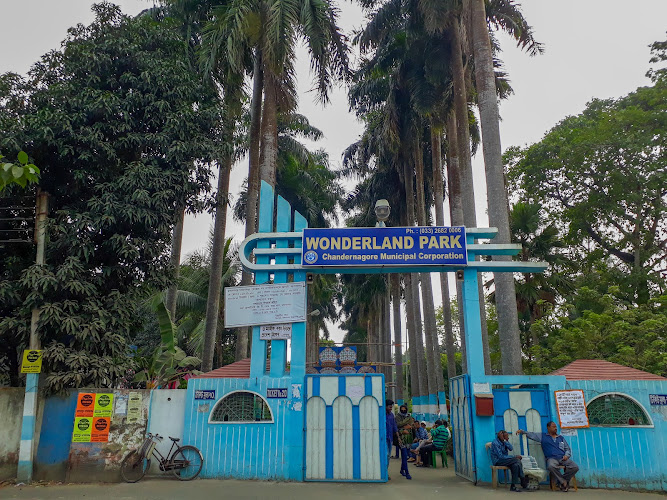
WONDERLAND PARK (K M D A Park)
Find Accommodations Nearby
Recommended Tours & Activities
Visitor Reviews
There are no reviews yet. Be the first one to write one.
Share Your Experience
Have you visited Nandadulal Temple? Help other travelers by leaving a review.