
Najaf
About Najaf
Description
Najaf, resting quietly in the heart of Iraq, is one of those places that feels ancient and eternal all at once. It’s a city that doesn’t just hold history—it breathes it. About 160 kilometers south of Baghdad, Najaf is the capital of Najaf Governorate and home to roughly 1.41 million people as of 2024. But numbers alone don’t tell the story here. This city has a pulse shaped by faith, scholarship, and the steady rhythm of pilgrims’ footsteps echoing through its narrow streets.
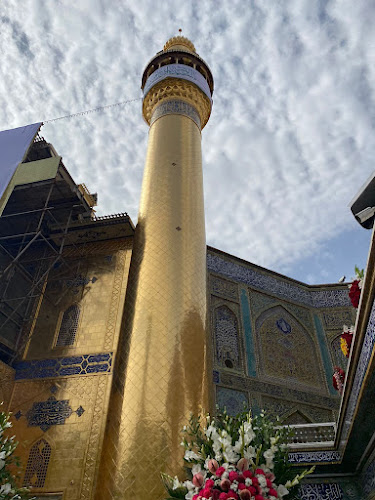
For travelers, Najaf isn’t your typical “tourist destination.” It’s more of a journey inward—spiritual, emotional, and deeply human. The city is best known for the Imam Ali Shrine, one of the holiest sites in Shia Islam, drawing millions of visitors every year. Yet beyond its religious significance, Najaf offers a rare glimpse into Iraqi culture that’s both humble and profound. I still remember the first time I stood in front of the shrine’s golden dome—it shimmered under the desert sun like something out of a dream. The air was thick with incense, and the quiet murmur of prayers felt almost like music.
Outside the main holy area, Najaf unfolds in layers: bustling markets filled with the scent of cardamom and roasted nuts, bookshops that have stood for generations, and tea houses where time seems to slow down. It’s a place where conversations stretch long into the evening, and strangers become friends over a shared cup of sweet black tea. Sure, the infrastructure can feel a bit rough around the edges, but that’s part of Najaf’s charm—it’s real, unpolished, and utterly authentic.
Key Features
- Imam Ali Shrine: The spiritual heart of Najaf, with its gold-plated dome and intricate tilework, attracting millions of pilgrims each year.
- Wadi Al-Salam Cemetery: Known as the largest cemetery in the world, it’s both awe-inspiring and deeply humbling to walk through.
- Old Najaf Souq: A maze of narrow lanes selling everything from prayer beads to spices and handwoven rugs.
- Religious Schools (Hawza): Najaf is a major center for Islamic scholarship, where students from across the world come to study theology and philosophy.
- Kufa: Just a short drive away, this historic town is home to the Great Mosque of Kufa—another significant site for visitors exploring Iraq’s spiritual heritage.
- Local Cuisine: Traditional Iraqi dishes like masgouf (grilled fish) and qouzi (slow-cooked lamb with rice) are served with genuine hospitality.
Best Time to Visit
Najaf’s climate swings between extremes—scorching summers and mild winters—so timing your visit can make a world of difference. The best months to go are from October to March when daytime temperatures hover comfortably between 15°C and 25°C. During these months, walking around the shrine area or wandering through the market feels pleasant rather than punishing.
If you visit during the summer, expect the mercury to shoot past 45°C, especially in July and August. I made that mistake once, and let’s just say I spent more time chasing shade than sightseeing. Still, there’s something oddly peaceful about Najaf in the heat—fewer crowds, slower pace, and the kind of quiet that makes reflection come easy.
Religious festivals, especially during Muharram and Arbaeen, bring an entirely different energy to the city. The crowds can be overwhelming, but witnessing the devotion and unity of millions of pilgrims is an experience that stays with you long after you leave.
How to Get There
Najaf is surprisingly accessible, considering its deep historical roots. The Najaf International Airport connects the city to several major destinations in the Middle East and beyond. Direct flights operate from places like Dubai, Istanbul, and Beirut, making it convenient for international travelers. From Baghdad, it’s roughly a three-hour drive south along the main highway—though depending on traffic, it can stretch a bit longer.
For those who enjoy road trips, the drive from Karbala to Najaf is particularly scenic in its own rugged way. You’ll pass through stretches of desert that seem endless, interrupted occasionally by small villages and roadside tea stalls. Public transport options like shared taxis and buses are available, but if you’re not familiar with local routes or Arabic, hiring a private driver might be the more comfortable choice. It’s also worth noting that security checkpoints are common, but they’re routine and part of ensuring safety for visitors.
Tips for Visiting
Visiting Najaf is about more than sightseeing—it’s about respect, patience, and openness. Here are a few things I’ve learned (sometimes the hard way) that might make your trip smoother and more meaningful:
- Dress Modestly: Both men and women should wear conservative clothing. Women are expected to cover their hair, especially when entering religious sites.
- Be Respectful in Holy Areas: Photography is restricted in certain parts of the shrine, so always ask before taking pictures. Silence is appreciated, and gestures of reverence go a long way.
- Stay Hydrated: The desert climate can be deceiving—carry water even if it doesn’t feel too hot.
- Learn a Few Arabic Phrases: Locals are incredibly welcoming, and even a simple “Shukran” (thank you) can open doors to warm smiles and heartfelt conversations.
- Cash is King: Credit cards aren’t widely accepted, so bring enough local currency for your daily expenses.
- Be Prepared for Emotional Moments: Whether you’re religious or not, the atmosphere around the shrine has a way of touching people deeply. Don’t be surprised if you find yourself unexpectedly moved.
- Explore Beyond the Shrine: Visit the markets, talk to shopkeepers, and try local food. Najaf’s soul isn’t confined to its holy sites—it’s in its people, its rhythm, and its stories.
One thing I always tell friends planning to visit: go with an open heart. Najaf can be overwhelming at first—the crowds, the rituals, the sheer intensity of faith—but give it time, and the city will reveal its quiet beauty. There’s a humility in the way life unfolds here, a reminder that even in a fast-changing world, some places remain deeply rooted in what truly matters.
If you’re a traveler who loves destinations that challenge your perspective and offer genuine connection, Najaf will leave a mark. It’s not polished or packaged for tourists, and maybe that’s exactly why it feels so real. You’ll walk away with more than photos—you’ll take with you a sense of peace, a few stories, and perhaps a new understanding of what it means to belong to something larger than yourself.
Key Features
- Key Features
- Best Time to Visit
- How to Get There
- Tips for Visiting
More Details
Updated November 7, 2025
Table of Contents
Description
Najaf, resting quietly in the heart of Iraq, is one of those places that feels ancient and eternal all at once. It’s a city that doesn’t just hold history—it breathes it. About 160 kilometers south of Baghdad, Najaf is the capital of Najaf Governorate and home to roughly 1.41 million people as of 2024. But numbers alone don’t tell the story here. This city has a pulse shaped by faith, scholarship, and the steady rhythm of pilgrims’ footsteps echoing through its narrow streets.
For travelers, Najaf isn’t your typical “tourist destination.” It’s more of a journey inward—spiritual, emotional, and deeply human. The city is best known for the Imam Ali Shrine, one of the holiest sites in Shia Islam, drawing millions of visitors every year. Yet beyond its religious significance, Najaf offers a rare glimpse into Iraqi culture that’s both humble and profound. I still remember the first time I stood in front of the shrine’s golden dome—it shimmered under the desert sun like something out of a dream. The air was thick with incense, and the quiet murmur of prayers felt almost like music.
Outside the main holy area, Najaf unfolds in layers: bustling markets filled with the scent of cardamom and roasted nuts, bookshops that have stood for generations, and tea houses where time seems to slow down. It’s a place where conversations stretch long into the evening, and strangers become friends over a shared cup of sweet black tea. Sure, the infrastructure can feel a bit rough around the edges, but that’s part of Najaf’s charm—it’s real, unpolished, and utterly authentic.
Key Features
- Imam Ali Shrine: The spiritual heart of Najaf, with its gold-plated dome and intricate tilework, attracting millions of pilgrims each year.
- Wadi Al-Salam Cemetery: Known as the largest cemetery in the world, it’s both awe-inspiring and deeply humbling to walk through.
- Old Najaf Souq: A maze of narrow lanes selling everything from prayer beads to spices and handwoven rugs.
- Religious Schools (Hawza): Najaf is a major center for Islamic scholarship, where students from across the world come to study theology and philosophy.
- Kufa: Just a short drive away, this historic town is home to the Great Mosque of Kufa—another significant site for visitors exploring Iraq’s spiritual heritage.
- Local Cuisine: Traditional Iraqi dishes like masgouf (grilled fish) and qouzi (slow-cooked lamb with rice) are served with genuine hospitality.
Best Time to Visit
Najaf’s climate swings between extremes—scorching summers and mild winters—so timing your visit can make a world of difference. The best months to go are from October to March when daytime temperatures hover comfortably between 15°C and 25°C. During these months, walking around the shrine area or wandering through the market feels pleasant rather than punishing.
If you visit during the summer, expect the mercury to shoot past 45°C, especially in July and August. I made that mistake once, and let’s just say I spent more time chasing shade than sightseeing. Still, there’s something oddly peaceful about Najaf in the heat—fewer crowds, slower pace, and the kind of quiet that makes reflection come easy.
Religious festivals, especially during Muharram and Arbaeen, bring an entirely different energy to the city. The crowds can be overwhelming, but witnessing the devotion and unity of millions of pilgrims is an experience that stays with you long after you leave.
How to Get There
Najaf is surprisingly accessible, considering its deep historical roots. The Najaf International Airport connects the city to several major destinations in the Middle East and beyond. Direct flights operate from places like Dubai, Istanbul, and Beirut, making it convenient for international travelers. From Baghdad, it’s roughly a three-hour drive south along the main highway—though depending on traffic, it can stretch a bit longer.
For those who enjoy road trips, the drive from Karbala to Najaf is particularly scenic in its own rugged way. You’ll pass through stretches of desert that seem endless, interrupted occasionally by small villages and roadside tea stalls. Public transport options like shared taxis and buses are available, but if you’re not familiar with local routes or Arabic, hiring a private driver might be the more comfortable choice. It’s also worth noting that security checkpoints are common, but they’re routine and part of ensuring safety for visitors.
Tips for Visiting
Visiting Najaf is about more than sightseeing—it’s about respect, patience, and openness. Here are a few things I’ve learned (sometimes the hard way) that might make your trip smoother and more meaningful:
- Dress Modestly: Both men and women should wear conservative clothing. Women are expected to cover their hair, especially when entering religious sites.
- Be Respectful in Holy Areas: Photography is restricted in certain parts of the shrine, so always ask before taking pictures. Silence is appreciated, and gestures of reverence go a long way.
- Stay Hydrated: The desert climate can be deceiving—carry water even if it doesn’t feel too hot.
- Learn a Few Arabic Phrases: Locals are incredibly welcoming, and even a simple “Shukran” (thank you) can open doors to warm smiles and heartfelt conversations.
- Cash is King: Credit cards aren’t widely accepted, so bring enough local currency for your daily expenses.
- Be Prepared for Emotional Moments: Whether you’re religious or not, the atmosphere around the shrine has a way of touching people deeply. Don’t be surprised if you find yourself unexpectedly moved.
- Explore Beyond the Shrine: Visit the markets, talk to shopkeepers, and try local food. Najaf’s soul isn’t confined to its holy sites—it’s in its people, its rhythm, and its stories.
One thing I always tell friends planning to visit: go with an open heart. Najaf can be overwhelming at first—the crowds, the rituals, the sheer intensity of faith—but give it time, and the city will reveal its quiet beauty. There’s a humility in the way life unfolds here, a reminder that even in a fast-changing world, some places remain deeply rooted in what truly matters.
If you’re a traveler who loves destinations that challenge your perspective and offer genuine connection, Najaf will leave a mark. It’s not polished or packaged for tourists, and maybe that’s exactly why it feels so real. You’ll walk away with more than photos—you’ll take with you a sense of peace, a few stories, and perhaps a new understanding of what it means to belong to something larger than yourself.
Key Highlights
- Key Features
- Best Time to Visit
- How to Get There
- Tips for Visiting
Location
Places to Stay Near Najaf
Find and Book a Tour
Explore More Travel Guides
No reviews found! Be the first to review!
Traveler Reviews for Najaf
There are no reviews yet. Be the first one to write one.
Have you visited Najaf? Help other travelers by sharing your review.
You Might Also Like

Al sheraa complex for Entertainment

Najaf Amusements Park

Al-Sahla Great Mosque
Find Accommodations Nearby
Recommended Tours & Activities
Visitor Reviews
There are no reviews yet. Be the first one to write one.
Share Your Experience
Have you visited Najaf? Help other travelers by leaving a review.