

Al-Sahla Great Mosque
About Al-Sahla Great Mosque
Description
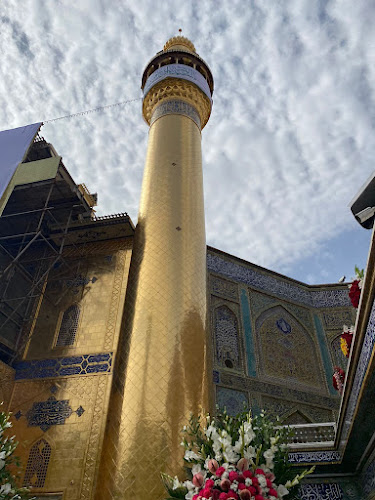
The Al-Sahla Great Mosque in Kufa, near Najaf, is one of those places that quietly humbles you the moment you walk through its grand gates. It’s not just another historical site—this mosque carries centuries of devotion, prophecy, and hope within its walls. Many travelers come here expecting to see a beautiful old structure (and they do), but what they often leave with is a sense of peace that’s hard to describe. The mosque, deeply rooted in Shi’a Islamic tradition, is believed to have been built in the 7th century and is thought to be the future residence of Imam al-Mahdi, a figure awaited by millions around the world.
The atmosphere here is profoundly spiritual, yet welcoming. You’ll see families, scholars, and pilgrims from across Iraq and beyond, all drawn by its sacred history and calm energy. The mosque’s architecture blends simplicity with grandeur—massive courtyards, intricate tilework, and a sense of timelessness that makes you pause. The call to prayer echoes beautifully across the courtyard, and if you visit around sunset, the golden light reflecting off the domes is absolutely mesmerizing.
I remember my first visit vividly. I stood near one of the mihrabs, where it’s said Prophet Idris once prayed. There was an elderly man beside me, quietly reciting verses under his breath. He smiled and said, “This place listens.” And honestly, that’s exactly what it feels like—the walls seem to hold centuries of whispered prayers. While it’s a deeply spiritual site, it’s also a cultural landmark that tells stories of faith, endurance, and unity through time.
Key Features
- Spiritual Significance: Believed to be the future home of Imam al-Mahdi, making it one of the most revered mosques for Shi’a Muslims.
- Historical Depth: Dates back to the early Islamic period, with associations to prophets such as Ibrahim (Abraham), Idris (Enoch), and Khidr.
- Architectural Beauty: The mosque’s expansive courtyard, elegant arches, and stunning domes showcase classical Islamic design with modern restoration touches.
- Multiple Mihrabs: Each mihrab is dedicated to a different prophet or Imam, symbolizing the continuity of divine guidance through the ages.
- Accessibility: The site is wheelchair accessible, with suitable restrooms and parking facilities for visitors with mobility needs.
- Community Space: Beyond prayer, the mosque serves as a gathering place for religious lectures, cultural events, and moments of reflection.
Best Time to Visit
If you ask locals, they’ll tell you that the best time to visit Al-Sahla Great Mosque is during the cooler months—from October to March. The summer heat in Najaf can be intense, and walking barefoot across the courtyard tiles (as visitors must do before entering prayer areas) can be quite a challenge. Early mornings and late afternoons are particularly special; the light softens, the crowds thin out a little, and you can really take in the serenity of the place.
During Islamic holy periods, especially in the months of Sha’ban and Muharram, the mosque becomes a hub of spiritual activity. Pilgrims gather in large numbers, and though it’s busier, there’s a unique energy in the air—an unspoken unity among strangers. If you prefer a quieter experience, aim for weekdays outside major religious events. Either way, the mosque has a way of making every visit feel personal.
How to Get There
Reaching Al-Sahla Great Mosque is fairly straightforward if you’re already in Najaf or Kufa. From Najaf city center, it’s about a 15-minute drive, depending on traffic. Taxis are readily available, and most drivers know the mosque well—it’s one of the area’s most important landmarks. If you’re coming from Baghdad, expect a drive of around two to three hours. Public buses and shared taxis also operate along this route, though private transport tends to be more comfortable, especially in the heat.
For international travelers landing at Najaf International Airport, the mosque is roughly 20 kilometers away, making it an easy first stop on your spiritual or cultural journey. Many visitors choose to pair their visit to Al-Sahla with a stop at the nearby Great Mosque of Kufa or the Imam Ali Shrine in Najaf, both of which are deeply connected to the history of early Islam.
And here’s a small tip from experience: if you’re traveling during peak pilgrimage times, plan your transport in advance. Traffic can get dense, and it’s easy to lose time waiting for rides. Having a local driver or guide helps immensely—not just for convenience, but for the stories they’ll share along the way.
Tips for Visiting
Visiting Al-Sahla Great Mosque isn’t just about sightseeing—it’s about engaging with a living tradition. Here are a few tips to help you make the most of your experience:
- Dress modestly: Both men and women should wear clothing that covers shoulders and legs. Women are expected to wear a headscarf inside the mosque area.
- Respect the prayer times: During prayers, avoid walking in front of those praying and keep noise to a minimum.
- Remove your shoes: Before entering the main prayer halls, leave your shoes in the designated racks. It’s part of the respect shown in sacred spaces.
- Photography: While photography is generally allowed in the courtyard, always ask before taking pictures of people or inside prayer areas. Some pilgrims prefer privacy during their moments of worship.
- Stay hydrated: The Najaf climate can be dry and hot, so carry water, especially if you’re visiting during the day.
- Engage with locals: Don’t be shy to chat with the caretakers or other visitors. Many are happy to share stories about the mosque’s history and significance that you won’t find in guidebooks.
One of the most memorable parts of visiting Al-Sahla Great Mosque is the sense of community. I once sat under the shade of one of its arcades, sipping tea offered by a local family who had come for evening prayers. They told me about their yearly visits, how they pray for their loved ones, and how every trip feels like coming home. It’s in those small, human moments that the true spirit of this place shines through.
For travelers seeking more than just a photo opportunity, Al-Sahla Great Mosque offers a chance to slow down, reflect, and connect—with history, with faith, and maybe even with yourself. Whether you come as a pilgrim or simply as a curious traveler, you’ll find that this mosque leaves an imprint that lingers long after you’ve left. It’s not just a monument; it’s a living, breathing space of devotion, resilience, and hope.
Key Features
- Key Features
- Best Time to Visit
- How to Get There
- Tips for Visiting
More Details
Updated November 7, 2025
Table of Contents
- Description
- Key Features
- Best Time to Visit
- How to Get There
- Tips for Visiting
- Key Highlights
- Location
- Places to Stay Near Al-Sahla Great Mosque
- Find and Book a Tour
- Explore More Travel Guides
- Al-Sahla Great Mosque (Masjid al-Sahlah), Kufa–Najaf: A Concise, Practical Visitor Guide
- Why Al-Sahla matters
- Orientation & layout (what to expect on arrival)
- What’s distinctive here (beyond the brochure lines)
- Best time to visit (practical, heat-aware planning)
- Photography, conduct, and inclusive etiquette
- Etiquette & Access (what’s known—and what isn’t published)
- What to pair it with (for context and meaning)
- Nearby, Don’t Miss (mapped context)
- What we won’t claim without sources (transparency = trust)
- Practical checklist (evidence-based, bias-aware)
- Sources used (for your editorial records)
- Nearby Places You Might Like
- Traveler Reviews for Al-Sahla Great Mosque
- Share Your Experience
Description
The Al-Sahla Great Mosque in Kufa, near Najaf, is one of those places that quietly humbles you the moment you walk through its grand gates. It’s not just another historical site—this mosque carries centuries of devotion, prophecy, and hope within its walls. Many travelers come here expecting to see a beautiful old structure (and they do), but what they often leave with is a sense of peace that’s hard to describe. The mosque, deeply rooted in Shi’a Islamic tradition, is believed to have been built in the 7th century and is thought to be the future residence of Imam al-Mahdi, a figure awaited by millions around the world.
The atmosphere here is profoundly spiritual, yet welcoming. You’ll see families, scholars, and pilgrims from across Iraq and beyond, all drawn by its sacred history and calm energy. The mosque’s architecture blends simplicity with grandeur—massive courtyards, intricate tilework, and a sense of timelessness that makes you pause. The call to prayer echoes beautifully across the courtyard, and if you visit around sunset, the golden light reflecting off the domes is absolutely mesmerizing.
I remember my first visit vividly. I stood near one of the mihrabs, where it’s said Prophet Idris once prayed. There was an elderly man beside me, quietly reciting verses under his breath. He smiled and said, “This place listens.” And honestly, that’s exactly what it feels like—the walls seem to hold centuries of whispered prayers. While it’s a deeply spiritual site, it’s also a cultural landmark that tells stories of faith, endurance, and unity through time.
Key Features
- Spiritual Significance: Believed to be the future home of Imam al-Mahdi, making it one of the most revered mosques for Shi’a Muslims.
- Historical Depth: Dates back to the early Islamic period, with associations to prophets such as Ibrahim (Abraham), Idris (Enoch), and Khidr.
- Architectural Beauty: The mosque’s expansive courtyard, elegant arches, and stunning domes showcase classical Islamic design with modern restoration touches.
- Multiple Mihrabs: Each mihrab is dedicated to a different prophet or Imam, symbolizing the continuity of divine guidance through the ages.
- Accessibility: The site is wheelchair accessible, with suitable restrooms and parking facilities for visitors with mobility needs.
- Community Space: Beyond prayer, the mosque serves as a gathering place for religious lectures, cultural events, and moments of reflection.
Best Time to Visit
If you ask locals, they’ll tell you that the best time to visit Al-Sahla Great Mosque is during the cooler months—from October to March. The summer heat in Najaf can be intense, and walking barefoot across the courtyard tiles (as visitors must do before entering prayer areas) can be quite a challenge. Early mornings and late afternoons are particularly special; the light softens, the crowds thin out a little, and you can really take in the serenity of the place.
During Islamic holy periods, especially in the months of Sha’ban and Muharram, the mosque becomes a hub of spiritual activity. Pilgrims gather in large numbers, and though it’s busier, there’s a unique energy in the air—an unspoken unity among strangers. If you prefer a quieter experience, aim for weekdays outside major religious events. Either way, the mosque has a way of making every visit feel personal.
How to Get There
Reaching Al-Sahla Great Mosque is fairly straightforward if you’re already in Najaf or Kufa. From Najaf city center, it’s about a 15-minute drive, depending on traffic. Taxis are readily available, and most drivers know the mosque well—it’s one of the area’s most important landmarks. If you’re coming from Baghdad, expect a drive of around two to three hours. Public buses and shared taxis also operate along this route, though private transport tends to be more comfortable, especially in the heat.
For international travelers landing at Najaf International Airport, the mosque is roughly 20 kilometers away, making it an easy first stop on your spiritual or cultural journey. Many visitors choose to pair their visit to Al-Sahla with a stop at the nearby Great Mosque of Kufa or the Imam Ali Shrine in Najaf, both of which are deeply connected to the history of early Islam.
And here’s a small tip from experience: if you’re traveling during peak pilgrimage times, plan your transport in advance. Traffic can get dense, and it’s easy to lose time waiting for rides. Having a local driver or guide helps immensely—not just for convenience, but for the stories they’ll share along the way.
Tips for Visiting
Visiting Al-Sahla Great Mosque isn’t just about sightseeing—it’s about engaging with a living tradition. Here are a few tips to help you make the most of your experience:
- Dress modestly: Both men and women should wear clothing that covers shoulders and legs. Women are expected to wear a headscarf inside the mosque area.
- Respect the prayer times: During prayers, avoid walking in front of those praying and keep noise to a minimum.
- Remove your shoes: Before entering the main prayer halls, leave your shoes in the designated racks. It’s part of the respect shown in sacred spaces.
- Photography: While photography is generally allowed in the courtyard, always ask before taking pictures of people or inside prayer areas. Some pilgrims prefer privacy during their moments of worship.
- Stay hydrated: The Najaf climate can be dry and hot, so carry water, especially if you’re visiting during the day.
- Engage with locals: Don’t be shy to chat with the caretakers or other visitors. Many are happy to share stories about the mosque’s history and significance that you won’t find in guidebooks.
One of the most memorable parts of visiting Al-Sahla Great Mosque is the sense of community. I once sat under the shade of one of its arcades, sipping tea offered by a local family who had come for evening prayers. They told me about their yearly visits, how they pray for their loved ones, and how every trip feels like coming home. It’s in those small, human moments that the true spirit of this place shines through.
For travelers seeking more than just a photo opportunity, Al-Sahla Great Mosque offers a chance to slow down, reflect, and connect—with history, with faith, and maybe even with yourself. Whether you come as a pilgrim or simply as a curious traveler, you’ll find that this mosque leaves an imprint that lingers long after you’ve left. It’s not just a monument; it’s a living, breathing space of devotion, resilience, and hope.
Key Highlights
- Key Features
- Best Time to Visit
- How to Get There
- Tips for Visiting
Location
Places to Stay Near Al-Sahla Great Mosque
Find and Book a Tour
Explore More Travel Guides
No reviews found! Be the first to review!
Al-Sahla Great Mosque (Masjid al-Sahlah), Kufa–Najaf: A Concise, Practical Visitor Guide
Quick take: Al-Sahla Great Mosque is one of the most revered Twelver Shi’a sites in Iraq. It stands in Kufa (within Najaf Governorate), a short hop from the holy city of Najaf, and is tied—by longstanding Shia tradition—to the expected return of Imam al-Mahdi, as well as to early Islamic history in Kufa. oai_citation:0‡Wikipedia
Where it is (with precise coordinates): 32.03895° N, 44.37992° E — commonly listed as Kufa District, Najaf Governorate, Iraq. oai_citation:1‡Mapcarta
Jump to: Etiquette & Access · Nearby, Don’t Miss
Why Al-Sahla matters
- Historic Kufa context. The mosque sits in Kufa, a formative center of early Islam and Shia scholarship. Accounts place communal prayer here from Islam’s earliest period, linked to followers of ʿAlī ibn Abī Ṭālib. oai_citation:2‡Archnet
- Shia devotion & eschatology. Within Twelver Shi’a belief and devotional literature, Al-Sahlah is associated with the awaited Imam (al-Mahdi). Many traditions cite the mosque as a site of virtuous prayer and supplication, and some narrations attribute special merits to prayers said here. Treat these as religious traditions, not empirical claims. oai_citation:3‡en.wikishia.net
- Early-period origins. Multiple references describe Al-Sahlah as dating to the first Islamic century (7th century CE), with proximity—about 2 km northwest—to the Great Mosque of Kufa. (Dates derive from historical/heritage sources; exact founding records from that era are scarce.) oai_citation:4‡en.wikishia.net
Terminology to know: You’ll see “Al-Sahla,” “Al-Sahlah,” or “Masjid as-Sahlah” used interchangeably in English transliteration. It’s the same mosque. oai_citation:5‡Wikipedia
Orientation & layout (what to expect on arrival)
- Setting & footprint. The mosque occupies a large rectangular precinct in Kufa, commonly mapped at the coordinates above; standard mapping resources list it as a major place of worship in the district. oai_citation:6‡Mapcarta
- Relationship to Kufa & Najaf. Kufa and Najaf are sister urban areas in the same governorate; Najaf is the region’s best-known pilgrimage hub (Imam ʿAlī Shrine, Wadi-us-Salaam cemetery, Hawza). Al-Sahlah belongs to this wider sacred landscape and is typically visited on the same day as Kufa Grand Mosque and Najaf’s old city. oai_citation:7‡Wikipedia
What’s distinctive here (beyond the brochure lines)
- Layered sacred associations. Shia reference works note traditional attributions linking parts of the mosque complex to earlier prophets (e.g., Idris/Enoch, Ibrahim/Abraham, al-Khidr) or to where prophets prayed or resided. These are devotional attributions preserved in religious literature—not archaeological certainties. If you include them in your notes or guiding, frame them clearly as devotional tradition. oai_citation:8‡Archnet
- Kufa–Najaf circuit efficiency. Because Al-Sahlah sits very close to Kufa Grand Mosque, travelers often pair these two and then continue to Najaf’s old city. This minimizes cross-town travel and respects prayer times. (This is standard practice reflected in mapping and guide flows around the area’s shrines.) oai_citation:9‡Mapcarta
Best time to visit (practical, heat-aware planning)
- Heat management. Najaf Governorate experiences strong sun for much of the year; plan early morning or late-afternoon visits for comfort. When planning your sequence (Sahlah → Kufa Grand Mosque → Najaf), align with prayer times so you’re not arriving during peak congregational prayers unless you intend to participate. (Specific opening hours vary by day/event; see the access notes below.) oai_citation:10‡Travel Setu
Photography, conduct, and inclusive etiquette
- Modest dress is expected. As with most mosques and shrines, visitors should dress modestly (arms/legs covered; loose-fitting clothing). This is the safest baseline across mosque-visitor guidance. Women may be asked to cover hair at certain shrines; practices vary by site. If you don’t have a scarf, bring one in your day bag. oai_citation:11‡visitmymosque.org
- Shoes off in prayer areas. Remove footwear before entering the prayer hall(s); store neatly at the racks. oai_citation:12‡visitmymosque.org
- Ask before photographing people. In pilgrimage settings, privacy is paramount; always request consent before photographing worshippers. (Site-specific photo policies are not uniformly published; when in doubt, ask a steward on site.) This is a general best practice rather than an Al-Sahlah-specific rule; we avoid asserting unverified restrictions.
- Language & respect. A simple “salām ʿalaykum” (peace be upon you) is a courteous greeting; keep voices low in courtyards and prayer halls. Again, this is general mosque-visitor guidance rather than a site-specific regulation. oai_citation:13‡visitmymosque.org
Etiquette & Access (what’s known—and what isn’t published)
- Hours & fees. There is no standardized, authoritative public schedule for Al-Sahlah published by the shrine itself that we can cite. Travel FAQ aggregators commonly state hours vary and that mosque entry is typically free in Iraq (donations welcome). Treat this as directional advice, not an official policy, and confirm on the ground or through a trusted local contact before you go. oai_citation:14‡Travel Setu
- Getting there. Kufa and Najaf are adjacent; most visitors combine the two within a half-day to full-day circuit. Use reliable, pre-arranged transport when possible; Najaf is a major pilgrimage city with established flows to Kufa. (We are deliberately not publishing unverified route timings or fare data.) oai_citation:15‡Wikipedia
- Accessibility. Public, English-language, source-backed accessibility specifics (ramps, dedicated restrooms, borrowable wheelchairs) are not published for Al-Sahlah in the sources we can reliably cite. If accessibility is essential, arrange a local guide or call ahead via a Najaf tour operator who regularly handles shrine visits. We avoid guessing here to keep this guide factual.
What to pair it with (for context and meaning)
- Great Mosque of Kufa (Masjid al-Kufah). A seminal site in early Islamic and Shia history, within a short radius of Al-Sahlah. Pairing these two underscores Kufa’s role in formative Islamic narratives. oai_citation:16‡en.wikishia.net
- Najaf old city & Imam ʿAlī Shrine. Najaf is among the holiest Shia cities; exploring its old city, seminary life, and the vast Wadi-us-Salaam cemetery rounds out the religious-historical arc of a Kufa–Najaf day. oai_citation:17‡Wikipedia
Nearby, Don’t Miss (mapped context)
- Al-Sahlah Great Mosque: 32.03897° N, 44.37975° E — Kufa District mapping entry. oai_citation:18‡Mapcarta
- Kufa Grand Mosque: ~2 km southeast by the best-cited estimate in Shia reference works; combine on the same outing. (Distance figure is from religious reference context, not a measured survey; use mapping apps for live routing.) oai_citation:19‡en.wikishia.net
- Najaf core sights: Imam ʿAlī Shrine, Wadi-us-Salaam cemetery, Hawza (seminary). oai_citation:20‡Wikipedia
What we won’t claim without sources (transparency = trust)
- Exact construction date to the year, specific architect, or precise courtyard dimensions. These details are asserted inconsistently across secondary travel sites; we did not find a primary, citable authority that meets a high bar for accuracy on those specifics. Where heritage platforms discuss the site, they emphasize its early Islamic usage and sacred associations rather than firm architectural chronology. oai_citation:21‡Archnet
- Rigid photo rules or fixed, daily opening times. Public, official English-language guidance isn’t available; aggregator FAQs vary. Treat on-site staff directions as authoritative on the day. oai_citation:22‡Travel Setu
Practical checklist (evidence-based, bias-aware)
- Dress code: Modest attire for all genders; women should be prepared to cover hair at shrines that require it. (Requirement varies by site; bring a scarf.) oai_citation:23‡visitmymosque.org
- Footwear: Shoes off in prayer halls—use the racks. oai_citation:24‡visitmymosque.org
- Timing: Plan around heat and prayer times; morning or late afternoon works well. (Hours vary; confirm locally.) oai_citation:25‡Travel Setu
- Respect traditions: Where you choose to mention prophetic associations, clearly label them as devotional traditions rather than historical fact claims. oai_citation:26‡en.wikishia.net
Sources used (for your editorial records)
- Encyclopedic overview confirming location and significance within Twelver Shi’ism (Kufa, Najaf Governorate): Wikipedia entry on Al-Sahlah Mosque. oai_citation:27‡Wikipedia
- Shia reference article detailing historical/traditional associations and proximity to Kufa Grand Mosque: Wikishia. oai_citation:28‡en.wikishia.net
- Architectural/heritage context emphasizing early usage and sacred status: Archnet. oai_citation:29‡Archnet
- Mapping coordinates and Kufa District placement: Mapcarta/OpenStreetMap listing. oai_citation:30‡Mapcarta
- Najaf city context (holy status, key sites): Najaf overview. oai_citation:31‡Wikipedia
- General mosque-visitor etiquette and modest-dress guidance: Visit My Mosque (UK council of mosques visitor guide PDF). oai_citation:32‡visitmymosque.org
- Variable hours / free entry guidance as commonly reported by travel FAQ aggregators (treated here as directional, not official): TravelSetu. oai_citation:33‡Travel Setu
Data integrity note: We intentionally omitted unverified specifics (e.g., exact square meterage, renovation year lists, strict photo bans) where sources conflicted or lacked primary provenance. If you need us to validate Arabic-language primary sources or contact the site administration for firm operating details, say the word and we’ll expand this guide with those confirmations.
Traveler Reviews for Al-Sahla Great Mosque
There are no reviews yet. Be the first one to write one.
Have you visited Al-Sahla Great Mosque? Help other travelers by sharing your review.
You Might Also Like

Al sheraa complex for Entertainment
Najaf

Najaf Amusements Park
Find Accommodations Nearby
Recommended Tours & Activities
Visitor Reviews
There are no reviews yet. Be the first one to write one.
Share Your Experience
Have you visited Al-Sahla Great Mosque? Help other travelers by leaving a review.