
Museum of Zoology (Museum Zoologicum Bogoriense)
About Museum of Zoology (Museum Zoologicum Bogoriense)
Description
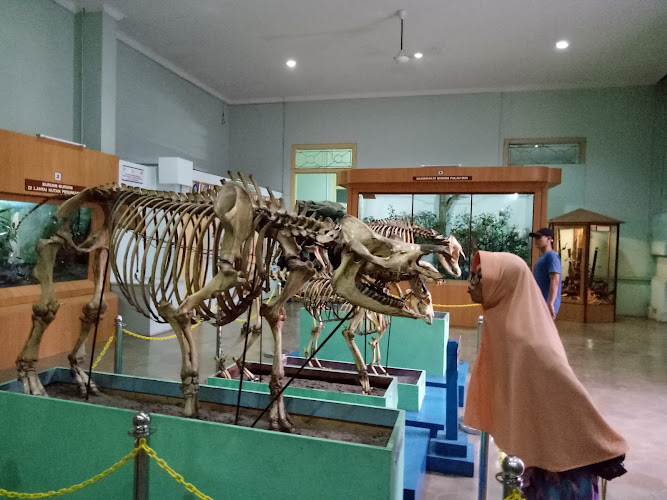
Tucked right beside the famous Bogor Botanical Gardens, the Museum of Zoology—known locally as Museum Zoologicum Bogoriense—is one of those places that quietly surprises you. It’s not flashy or overly commercial, but the moment you step inside, the sheer scale of its collection hits you. Rows upon rows of preserved animals, fossils, insects, and even an enormous blue whale skeleton greet you with a sense of awe. It’s the kind of museum that doesn’t just display nature—it tells the story of Indonesia’s biodiversity in a way that feels both scientific and deeply personal.
Established back in 1894 during the Dutch colonial era, the museum was originally a small laboratory focused on agricultural pests. Over time, it evolved into one of Southeast Asia’s largest zoological research centers. And honestly, that history still lingers in the air—you can almost feel the old-world curiosity that drove early scientists to collect and catalog the country’s wildlife. It’s part science, part nostalgia, and part adventure.
When I first visited, I remember being completely drawn to the whale skeleton. It stretches across the hall like a silent guardian of the sea, reminding you how vast and mysterious the natural world really is. But it’s not just about big animals here. There’s something fascinating about the smaller details too—the delicate butterfly wings, the preserved amphibians, and the intricate displays of insects that seem frozen mid-flight. The lighting can be a little dim in some corners, but somehow that adds to the atmosphere. It feels like stepping into a time capsule of natural discovery.
The museum does a great job balancing education with wonder. It’s not a high-tech space with flashing screens or interactive games, but there’s a quiet charm in its simplicity. Families, students, and travelers alike come here to slow down and reconnect with nature’s intricacies. And if you’re traveling through Bogor, this museum is a lovely break from the city buzz—a reminder that science and art can meet in the most unexpected ways.
Key Features
- Home to one of Indonesia’s largest zoological collections, featuring thousands of preserved and fossilized specimens.
- The iconic blue whale skeleton—a must-see centerpiece that draws visitors from around the world.
- Extensive displays of insects, birds, reptiles, mammals, and marine life, each carefully labeled for educational value.
- Historic significance as a research institution dating back to the 19th century.
- Wheelchair-accessible facilities, including entrance, restrooms, and parking.
- Family-friendly environment—kids often find the animal displays both exciting and educational.
- Located conveniently near the Bogor Botanical Gardens, making it easy to combine both attractions in one trip.
Best Time to Visit
If you’re planning a trip, weekdays are your best bet. The museum tends to get busier on weekends, especially with local school groups and families. Visiting in the morning gives you a quieter experience and better lighting for photos. Bogor’s weather is generally mild, but since it’s known as the “Rain City,” it’s smart to bring an umbrella no matter the season. The museum itself offers shelter from sudden tropical showers, so it’s a great indoor activity if the weather turns unpredictable.
Personally, I think there’s something special about visiting during the rainy season. There’s this earthy smell in the air, the sound of rain tapping on the old roof, and a cozy feeling as you wander through the exhibits. It’s almost poetic—learning about creatures from every corner of the planet while the world outside feels alive and breathing.
How to Get There
Reaching the Museum of Zoology is relatively straightforward. It’s located right in central Bogor, not far from the city’s main attractions. If you’re coming from Jakarta, the most convenient way is by train—take the commuter line to Bogor Station, then grab a short taxi or walk to the museum. The ride from Jakarta takes around an hour, depending on traffic and train schedules.
For those already in Bogor, local transportation options like angkot (public minivans) or online ride-hailing apps make getting around easy. Parking is available nearby, and the area is pedestrian-friendly, especially if you plan to explore the Botanical Gardens afterward. Just remember that traffic in Bogor can get pretty dense on weekends, so plan your timing accordingly.
Tips for Visiting
Here’s the thing—while the museum is fascinating, it’s not a modern, interactive space like some big-city science centers. So, to really enjoy it, come with a sense of curiosity and patience. Take your time reading the labels, observing the details, and letting the exhibits tell their stories. The museum’s layout is fairly straightforward, but it’s easy to miss smaller specimens tucked into corners, so don’t rush.
If you’re traveling with kids, prepare them for a bit of old-school museum charm. There aren’t flashy screens or hands-on activities, but the life-size animal displays and fossils tend to hold their attention surprisingly well. And if you’re a photography enthusiast, bring a camera with good low-light capabilities—some rooms are dimly lit, which adds mood but can challenge your shots.
A few practical tips: wear comfortable shoes, as you’ll be walking and standing quite a bit. Bring a bottle of water, though food and drinks aren’t allowed inside the exhibit halls. The museum doesn’t have an on-site restaurant, but there are plenty of local eateries nearby offering traditional Indonesian dishes—perfect for a post-visit meal. And if you’re sensitive to humidity, a small hand fan or towel can make your visit more comfortable.
One thing I personally love about this place is how it makes you pause. In a world where everything moves fast, the Museum of Zoology invites you to slow down and marvel at the complexity of life. You start noticing patterns—the way different species adapt, evolve, and coexist. It’s humbling, really. You walk out not just entertained, but a little more aware of the planet’s fragile beauty.
And here’s a small insider tip: if you can, pair your visit with a stroll through the Bogor Botanical Gardens right next door. The two complement each other perfectly—one celebrates the diversity of plant life, the other of animals. Together, they make for a day full of discovery, reflection, and maybe even a bit of inspiration.
So, whether you’re a science enthusiast, a family looking for an educational outing, or a traveler seeking something beyond the usual tourist spots, the Museum of Zoology in Bogor is worth your time. It’s a place that reminds you of how vast and interconnected life on Earth truly is. And trust me, walking beneath that massive whale skeleton—it’s an experience you won’t forget anytime soon.
Key Features
- Home to one of Indonesia’s largest zoological collections, featuring thousands of preserved and fossilized specimens.
- The iconic blue whale skeleton—a must-see centerpiece that draws visitors from around the world.
- Extensive displays of insects, birds, reptiles, mammals, and marine life, each carefully labeled for educational value.
- Historic significance as a research institution dating back to the 19th century.
- Wheelchair-accessible facilities, including entrance, restrooms, and parking.
- Family-friendly environment—kids often find the animal displays both exciting and educational.
- Located conveniently near the Bogor Botanical Gardens, making it easy to combine both attractions in one trip.
More Details
Updated October 9, 2025
Table of Contents
- Description
- Key Features
- Best Time to Visit
- How to Get There
- Tips for Visiting
- Key Highlights
- Location
- Places to Stay Near Museum of Zoology (Museum Zoologicum Bogoriense)
- Find and Book a Tour
- Explore More Travel Guides
- Nearby Places You Might Like
- Traveler Reviews for Museum of Zoology (Museum Zoologicum Bogoriense)
- Share Your Experience
Description
Tucked right beside the famous Bogor Botanical Gardens, the Museum of Zoology—known locally as Museum Zoologicum Bogoriense—is one of those places that quietly surprises you. It’s not flashy or overly commercial, but the moment you step inside, the sheer scale of its collection hits you. Rows upon rows of preserved animals, fossils, insects, and even an enormous blue whale skeleton greet you with a sense of awe. It’s the kind of museum that doesn’t just display nature—it tells the story of Indonesia’s biodiversity in a way that feels both scientific and deeply personal.
Established back in 1894 during the Dutch colonial era, the museum was originally a small laboratory focused on agricultural pests. Over time, it evolved into one of Southeast Asia’s largest zoological research centers. And honestly, that history still lingers in the air—you can almost feel the old-world curiosity that drove early scientists to collect and catalog the country’s wildlife. It’s part science, part nostalgia, and part adventure.
When I first visited, I remember being completely drawn to the whale skeleton. It stretches across the hall like a silent guardian of the sea, reminding you how vast and mysterious the natural world really is. But it’s not just about big animals here. There’s something fascinating about the smaller details too—the delicate butterfly wings, the preserved amphibians, and the intricate displays of insects that seem frozen mid-flight. The lighting can be a little dim in some corners, but somehow that adds to the atmosphere. It feels like stepping into a time capsule of natural discovery.
The museum does a great job balancing education with wonder. It’s not a high-tech space with flashing screens or interactive games, but there’s a quiet charm in its simplicity. Families, students, and travelers alike come here to slow down and reconnect with nature’s intricacies. And if you’re traveling through Bogor, this museum is a lovely break from the city buzz—a reminder that science and art can meet in the most unexpected ways.
Key Features
- Home to one of Indonesia’s largest zoological collections, featuring thousands of preserved and fossilized specimens.
- The iconic blue whale skeleton—a must-see centerpiece that draws visitors from around the world.
- Extensive displays of insects, birds, reptiles, mammals, and marine life, each carefully labeled for educational value.
- Historic significance as a research institution dating back to the 19th century.
- Wheelchair-accessible facilities, including entrance, restrooms, and parking.
- Family-friendly environment—kids often find the animal displays both exciting and educational.
- Located conveniently near the Bogor Botanical Gardens, making it easy to combine both attractions in one trip.
Best Time to Visit
If you’re planning a trip, weekdays are your best bet. The museum tends to get busier on weekends, especially with local school groups and families. Visiting in the morning gives you a quieter experience and better lighting for photos. Bogor’s weather is generally mild, but since it’s known as the “Rain City,” it’s smart to bring an umbrella no matter the season. The museum itself offers shelter from sudden tropical showers, so it’s a great indoor activity if the weather turns unpredictable.
Personally, I think there’s something special about visiting during the rainy season. There’s this earthy smell in the air, the sound of rain tapping on the old roof, and a cozy feeling as you wander through the exhibits. It’s almost poetic—learning about creatures from every corner of the planet while the world outside feels alive and breathing.
How to Get There
Reaching the Museum of Zoology is relatively straightforward. It’s located right in central Bogor, not far from the city’s main attractions. If you’re coming from Jakarta, the most convenient way is by train—take the commuter line to Bogor Station, then grab a short taxi or walk to the museum. The ride from Jakarta takes around an hour, depending on traffic and train schedules.
For those already in Bogor, local transportation options like angkot (public minivans) or online ride-hailing apps make getting around easy. Parking is available nearby, and the area is pedestrian-friendly, especially if you plan to explore the Botanical Gardens afterward. Just remember that traffic in Bogor can get pretty dense on weekends, so plan your timing accordingly.
Tips for Visiting
Here’s the thing—while the museum is fascinating, it’s not a modern, interactive space like some big-city science centers. So, to really enjoy it, come with a sense of curiosity and patience. Take your time reading the labels, observing the details, and letting the exhibits tell their stories. The museum’s layout is fairly straightforward, but it’s easy to miss smaller specimens tucked into corners, so don’t rush.
If you’re traveling with kids, prepare them for a bit of old-school museum charm. There aren’t flashy screens or hands-on activities, but the life-size animal displays and fossils tend to hold their attention surprisingly well. And if you’re a photography enthusiast, bring a camera with good low-light capabilities—some rooms are dimly lit, which adds mood but can challenge your shots.
A few practical tips: wear comfortable shoes, as you’ll be walking and standing quite a bit. Bring a bottle of water, though food and drinks aren’t allowed inside the exhibit halls. The museum doesn’t have an on-site restaurant, but there are plenty of local eateries nearby offering traditional Indonesian dishes—perfect for a post-visit meal. And if you’re sensitive to humidity, a small hand fan or towel can make your visit more comfortable.
One thing I personally love about this place is how it makes you pause. In a world where everything moves fast, the Museum of Zoology invites you to slow down and marvel at the complexity of life. You start noticing patterns—the way different species adapt, evolve, and coexist. It’s humbling, really. You walk out not just entertained, but a little more aware of the planet’s fragile beauty.
And here’s a small insider tip: if you can, pair your visit with a stroll through the Bogor Botanical Gardens right next door. The two complement each other perfectly—one celebrates the diversity of plant life, the other of animals. Together, they make for a day full of discovery, reflection, and maybe even a bit of inspiration.
So, whether you’re a science enthusiast, a family looking for an educational outing, or a traveler seeking something beyond the usual tourist spots, the Museum of Zoology in Bogor is worth your time. It’s a place that reminds you of how vast and interconnected life on Earth truly is. And trust me, walking beneath that massive whale skeleton—it’s an experience you won’t forget anytime soon.
Key Highlights
- Home to one of Indonesia’s largest zoological collections, featuring thousands of preserved and fossilized specimens.
- The iconic blue whale skeleton—a must-see centerpiece that draws visitors from around the world.
- Extensive displays of insects, birds, reptiles, mammals, and marine life, each carefully labeled for educational value.
- Historic significance as a research institution dating back to the 19th century.
- Wheelchair-accessible facilities, including entrance, restrooms, and parking.
- Family-friendly environment—kids often find the animal displays both exciting and educational.
- Located conveniently near the Bogor Botanical Gardens, making it easy to combine both attractions in one trip.
Location
Places to Stay Near Museum of Zoology (Museum Zoologicum Bogoriense)
Find and Book a Tour
Explore More Travel Guides
No reviews found! Be the first to review!
Traveler Reviews for Museum of Zoology (Museum Zoologicum Bogoriense)
There are no reviews yet. Be the first one to write one.
Have you visited Museum of Zoology (Museum Zoologicum Bogoriense)? Help other travelers by sharing your review.
You Might Also Like

Akuatik Park

Sempur Park
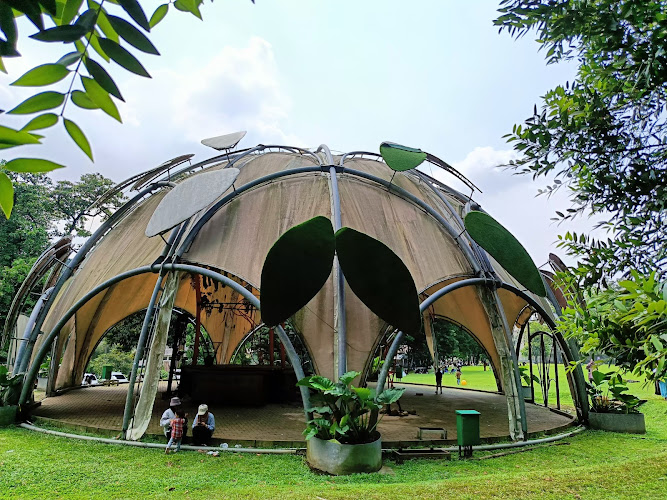
Ecodome Bogor Botanical Gardens
Find Accommodations Nearby
Recommended Tours & Activities
Visitor Reviews
There are no reviews yet. Be the first one to write one.
Share Your Experience
Have you visited Museum of Zoology (Museum Zoologicum Bogoriense)? Help other travelers by leaving a review.