

Museum Tanah dan Pertanian
About Museum Tanah dan Pertanian
Description
There’s something quietly fascinating about the Museum Tanah dan Pertanian, often called MUSTANI by locals. It’s not the kind of museum you rush through — it’s the sort of place that invites you to slow down, to really look at the earth beneath your feet and think about where your food actually comes from. Located in the heart of Bogor, this museum is a rare blend of science, history, and storytelling — all centered around Indonesia’s deep agricultural roots. And honestly, if you’re the type who loves learning the “why” behind things, this place is a goldmine.
The museum showcases the diversity of Indonesian soils — yes, soils — in a surprisingly engaging way. You’ll find displays that explain how different soil types shape the country’s ecosystems and agricultural productivity. Then there’s the section about Indonesia’s agricultural history, which feels almost nostalgic, especially if you grew up hearing stories about rice fields, rubber plantations, or the golden days of clove farming. The curators have done a fine job blending old photographs, interactive exhibits, and digital installations that make the information come alive. It’s not flashy or overdone, but it’s smartly curated — the kind of place where you walk away genuinely having learned something new.
And let’s be honest — museums about soil and farming don’t usually sound thrilling at first. But this one? It’s got character. The exhibits are surprisingly visual, with real soil samples, agricultural tools, and even multimedia projections that show how farming has evolved in Indonesia. There’s a quiet charm to it all, like stepping into a time capsule that connects the past with the future of sustainable agriculture. The museum also touches on modern topics like organic farming, soil conservation, and the role of technology in agriculture, which makes it feel relevant even if you’re not a farmer or scientist. It’s educational, yes, but also unexpectedly inspiring.
The atmosphere here is calm and family-friendly. You’ll often see school groups wandering around with notebooks, young researchers taking notes, and parents explaining exhibits to curious kids. The museum staff are known to be friendly and knowledgeable, always ready to share tidbits about Indonesia’s agricultural heritage. It’s not a crowded spot, which actually adds to the experience — you can take your time, read the displays, and just breathe in the earthy scent that seems to linger in the air. For anyone with a soft spot for nature, sustainability, or just a good story told through history, this museum is worth a few hours of your day.
Key Features
- Soil Diversity Exhibits: Displays of various soil types found across Indonesia, complete with explanations of their characteristics and agricultural importance.
- Agricultural History Gallery: A timeline of Indonesia’s farming evolution, from traditional tools to modern innovations.
- Interactive Learning: Multimedia installations and digital maps that make learning about soil and crops surprisingly engaging.
- Family-Friendly Environment: Ideal for children and school visits, with accessible educational materials and a nursing room available.
- Accessibility: Wheelchair-accessible entrance and rental services make it convenient for visitors with mobility needs.
- Free Parking: A spacious parking area that adds to the convenience, especially for families or group visitors.
- Restroom Facilities: Clean and well-maintained restrooms available within the premises.
Each of these features adds to the museum’s charm. It’s not a massive complex, but it’s thoughtfully designed. The soil samples alone are fascinating — you’d be surprised how many shades of brown and red exist once you start noticing. And the agricultural displays? They tell a story that’s both local and universal, reminding us that food doesn’t just appear on our plates by magic.
Best Time to Visit
Honestly, the Museum Tanah dan Pertanian can be visited year-round, but if you want the most pleasant experience, go during the dry season between June and September. The surrounding area tends to be less humid, and you can pair your visit with a stroll through Bogor’s leafy streets or even the nearby botanical garden. Weekdays are best if you prefer quiet — weekends can get a bit busier with families and school excursions. Morning hours are ideal too; the lighting inside the museum is lovely then, and you’ll have more time to explore without feeling rushed.
I once visited on a rainy afternoon — classic Bogor weather — and it actually added to the mood. The sound of rain tapping against the windows while reading about soil conservation somehow felt poetic. So even if the weather isn’t perfect, don’t let that stop you. The museum’s indoor setup makes it a great option for those unpredictable tropical days.
How to Get There
Getting to the Museum Tanah dan Pertanian is pretty straightforward if you’re already in Bogor. The city is well-connected by train and bus from Jakarta, and once you’re in town, you can take a short taxi or ride-hailing service to the museum. If you’re driving, the free parking lot makes things easy. The area around the museum is walkable too, so you might want to take a little detour through nearby streets to grab a local snack or coffee afterward. There’s a small charm in wandering Bogor’s older neighborhoods — they’ve got that mix of colonial architecture and modern bustle that makes the city feel alive.
Public transportation options are available, but if you prefer a smoother trip, a private car or online ride service is the way to go. The roads can get busy during weekends, so plan your timing wisely. And if you’re staying overnight in Bogor, many hotels are within a 10–15 minute drive from the museum, making it a convenient stop in your itinerary.
Tips for Visiting
Here’s the thing about visiting places like this — the more you engage, the more rewarding it becomes. So don’t just breeze through the exhibits. Take your time to read the panels, ask questions, and maybe even chat with the staff. They often have stories that don’t make it into the official displays, like how certain farming tools were used by their grandparents or how soil classification changed over the years.
- Come early: Arriving in the morning gives you a quieter experience and better lighting for photos.
- Bring a notebook: If you’re into environmental science or agriculture, you’ll want to jot down some interesting facts.
- Check for temporary exhibits: The museum occasionally hosts special displays or educational programs about sustainable farming and soil biodiversity.
- Stay hydrated: There’s no restaurant inside, so it’s smart to bring a water bottle (but don’t worry, restrooms are available).
- Combine your visit: Pair the museum trip with nearby attractions like the Bogor Botanical Gardens for a full day of nature and learning.
And one last thing — don’t underestimate how much this place can shift your perspective. I went in thinking it would be a quick stop, maybe an hour tops, but ended up staying almost three. There’s something grounding about learning how the land itself has shaped Indonesia’s story. It makes you appreciate your next meal a little more, knowing the layers of soil and sweat that made it possible.
So if you’re planning a trip to Bogor and want something meaningful — something that connects history, science, and culture — the Museum Tanah dan Pertanian is a must-see. It’s educational without being dull, historical without feeling dusty, and deeply rooted in the story of Indonesia itself. And who knows? You might just walk out seeing the ground beneath you in a whole new light.
Key Features
- Key Features
- Best Time to Visit
- How to Get There
- Tips for Visiting
More Details
Updated October 9, 2025
Table of Contents
Description
There’s something quietly fascinating about the Museum Tanah dan Pertanian, often called MUSTANI by locals. It’s not the kind of museum you rush through — it’s the sort of place that invites you to slow down, to really look at the earth beneath your feet and think about where your food actually comes from. Located in the heart of Bogor, this museum is a rare blend of science, history, and storytelling — all centered around Indonesia’s deep agricultural roots. And honestly, if you’re the type who loves learning the “why” behind things, this place is a goldmine.
The museum showcases the diversity of Indonesian soils — yes, soils — in a surprisingly engaging way. You’ll find displays that explain how different soil types shape the country’s ecosystems and agricultural productivity. Then there’s the section about Indonesia’s agricultural history, which feels almost nostalgic, especially if you grew up hearing stories about rice fields, rubber plantations, or the golden days of clove farming. The curators have done a fine job blending old photographs, interactive exhibits, and digital installations that make the information come alive. It’s not flashy or overdone, but it’s smartly curated — the kind of place where you walk away genuinely having learned something new.
And let’s be honest — museums about soil and farming don’t usually sound thrilling at first. But this one? It’s got character. The exhibits are surprisingly visual, with real soil samples, agricultural tools, and even multimedia projections that show how farming has evolved in Indonesia. There’s a quiet charm to it all, like stepping into a time capsule that connects the past with the future of sustainable agriculture. The museum also touches on modern topics like organic farming, soil conservation, and the role of technology in agriculture, which makes it feel relevant even if you’re not a farmer or scientist. It’s educational, yes, but also unexpectedly inspiring.
The atmosphere here is calm and family-friendly. You’ll often see school groups wandering around with notebooks, young researchers taking notes, and parents explaining exhibits to curious kids. The museum staff are known to be friendly and knowledgeable, always ready to share tidbits about Indonesia’s agricultural heritage. It’s not a crowded spot, which actually adds to the experience — you can take your time, read the displays, and just breathe in the earthy scent that seems to linger in the air. For anyone with a soft spot for nature, sustainability, or just a good story told through history, this museum is worth a few hours of your day.
Key Features
- Soil Diversity Exhibits: Displays of various soil types found across Indonesia, complete with explanations of their characteristics and agricultural importance.
- Agricultural History Gallery: A timeline of Indonesia’s farming evolution, from traditional tools to modern innovations.
- Interactive Learning: Multimedia installations and digital maps that make learning about soil and crops surprisingly engaging.
- Family-Friendly Environment: Ideal for children and school visits, with accessible educational materials and a nursing room available.
- Accessibility: Wheelchair-accessible entrance and rental services make it convenient for visitors with mobility needs.
- Free Parking: A spacious parking area that adds to the convenience, especially for families or group visitors.
- Restroom Facilities: Clean and well-maintained restrooms available within the premises.
Each of these features adds to the museum’s charm. It’s not a massive complex, but it’s thoughtfully designed. The soil samples alone are fascinating — you’d be surprised how many shades of brown and red exist once you start noticing. And the agricultural displays? They tell a story that’s both local and universal, reminding us that food doesn’t just appear on our plates by magic.
Best Time to Visit
Honestly, the Museum Tanah dan Pertanian can be visited year-round, but if you want the most pleasant experience, go during the dry season between June and September. The surrounding area tends to be less humid, and you can pair your visit with a stroll through Bogor’s leafy streets or even the nearby botanical garden. Weekdays are best if you prefer quiet — weekends can get a bit busier with families and school excursions. Morning hours are ideal too; the lighting inside the museum is lovely then, and you’ll have more time to explore without feeling rushed.
I once visited on a rainy afternoon — classic Bogor weather — and it actually added to the mood. The sound of rain tapping against the windows while reading about soil conservation somehow felt poetic. So even if the weather isn’t perfect, don’t let that stop you. The museum’s indoor setup makes it a great option for those unpredictable tropical days.
How to Get There
Getting to the Museum Tanah dan Pertanian is pretty straightforward if you’re already in Bogor. The city is well-connected by train and bus from Jakarta, and once you’re in town, you can take a short taxi or ride-hailing service to the museum. If you’re driving, the free parking lot makes things easy. The area around the museum is walkable too, so you might want to take a little detour through nearby streets to grab a local snack or coffee afterward. There’s a small charm in wandering Bogor’s older neighborhoods — they’ve got that mix of colonial architecture and modern bustle that makes the city feel alive.
Public transportation options are available, but if you prefer a smoother trip, a private car or online ride service is the way to go. The roads can get busy during weekends, so plan your timing wisely. And if you’re staying overnight in Bogor, many hotels are within a 10–15 minute drive from the museum, making it a convenient stop in your itinerary.
Tips for Visiting
Here’s the thing about visiting places like this — the more you engage, the more rewarding it becomes. So don’t just breeze through the exhibits. Take your time to read the panels, ask questions, and maybe even chat with the staff. They often have stories that don’t make it into the official displays, like how certain farming tools were used by their grandparents or how soil classification changed over the years.
- Come early: Arriving in the morning gives you a quieter experience and better lighting for photos.
- Bring a notebook: If you’re into environmental science or agriculture, you’ll want to jot down some interesting facts.
- Check for temporary exhibits: The museum occasionally hosts special displays or educational programs about sustainable farming and soil biodiversity.
- Stay hydrated: There’s no restaurant inside, so it’s smart to bring a water bottle (but don’t worry, restrooms are available).
- Combine your visit: Pair the museum trip with nearby attractions like the Bogor Botanical Gardens for a full day of nature and learning.
And one last thing — don’t underestimate how much this place can shift your perspective. I went in thinking it would be a quick stop, maybe an hour tops, but ended up staying almost three. There’s something grounding about learning how the land itself has shaped Indonesia’s story. It makes you appreciate your next meal a little more, knowing the layers of soil and sweat that made it possible.
So if you’re planning a trip to Bogor and want something meaningful — something that connects history, science, and culture — the Museum Tanah dan Pertanian is a must-see. It’s educational without being dull, historical without feeling dusty, and deeply rooted in the story of Indonesia itself. And who knows? You might just walk out seeing the ground beneath you in a whole new light.
Key Highlights
- Key Features
- Best Time to Visit
- How to Get There
- Tips for Visiting
Location
Places to Stay Near Museum Tanah dan Pertanian
Find and Book a Tour
Explore More Travel Guides
No reviews found! Be the first to review!
Traveler Reviews for Museum Tanah dan Pertanian
There are no reviews yet. Be the first one to write one.
Have you visited Museum Tanah dan Pertanian? Help other travelers by sharing your review.
You Might Also Like
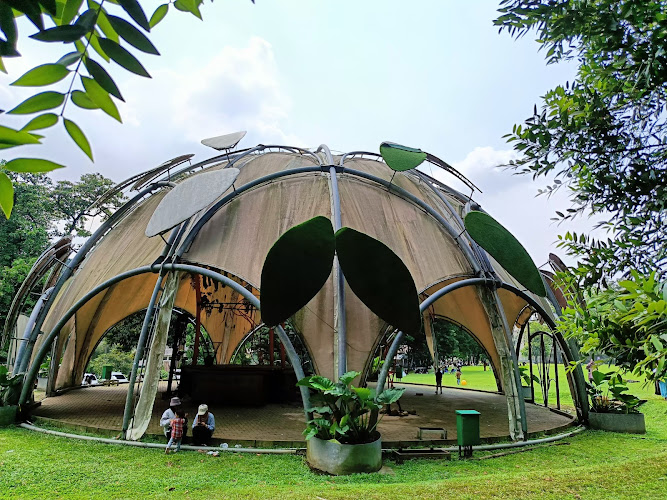
Ecodome Bogor Botanical Gardens

Bogor Selfie Museum

Kujang Monument
Find Accommodations Nearby
Recommended Tours & Activities
Visitor Reviews
There are no reviews yet. Be the first one to write one.
Share Your Experience
Have you visited Museum Tanah dan Pertanian? Help other travelers by leaving a review.