

Museum Of War And Genocide Victims
About Museum Of War And Genocide Victims
Description
The Museum of War and Genocide Victims in Mostar is not the kind of place you walk into lightly. It’s heavy, emotional, and thought-provoking, but it’s also one of the most important museums you’ll find in Bosnia and Herzegovina. The exhibits focus on the war that shook the country from 1992 to 1995, and they do so through deeply personal stories, artifacts, and evidence that make history feel painfully real. You’ll see court documents, belongings recovered from mass graves, testimonies from survivors, and photographs that are difficult to forget once you’ve seen them.
Now, I’ll be honest—this museum isn’t for everyone. Some visitors find it overwhelming, even disturbing, but that’s the point. It’s not designed to entertain; it’s designed to make you reflect. And while certain displays may feel raw or unpolished, that rawness is part of what makes the experience so authentic. It’s not a glossy, sanitized version of history—it’s the truth, told by those who lived through it. Personally, I walked out of the museum with a knot in my stomach, but also with a deeper understanding of what people endured here just a few decades ago. That’s powerful.
The museum doesn’t have flashy amenities like a café or a restaurant, and it’s not wheelchair accessible, which is a downside for some travelers. But what it lacks in facilities, it makes up for in impact. Most people who visit leave feeling that it was absolutely worth their time, even if it was difficult to process emotionally.
Key Features
- Exhibits covering the Bosnian War (1992-1995) with a focus on genocide, concentration camps, and mass graves
- Personal belongings of victims, including clothing and everyday items recovered from burial sites
- Survivor testimonies, photographs, and court evidence from international trials
- Documentaries and multimedia presentations that help contextualize the conflict
- Central location in Mostar, making it easy to combine with other historical sites in the city
What makes these features stand out is the intimacy—you’re not just reading about history, you’re looking at a pair of shoes or a child’s toy that belonged to someone who never came home. That hits differently than a textbook ever could.
Best Time to Visit
There isn’t really a “bad” time to visit this museum, but your experience might depend on your own mindset. If you’re traveling during the summer, when Mostar is buzzing with tourists, stepping into the museum can actually feel like a grounding pause from the heat and the crowds. In the quieter months, like late autumn or early spring, the museum tends to be less busy, which allows you to take your time with the exhibits without feeling rushed.
I’d suggest visiting earlier in the day if possible. It’s not the kind of place you want to rush through, and you’ll probably need some time afterward to decompress. Personally, I wouldn’t plan anything too lighthearted immediately after—it’s better to give yourself space to reflect before jumping back into sightseeing.
How to Get There
The museum is right in the center of Mostar, so reaching it is fairly straightforward. If you’re already exploring the Old Town and the famous Stari Most bridge, you can walk there in just a few minutes. Most visitors arrive on foot, since the city’s main attractions are close together. If you’re coming from further out, taxis are affordable and will drop you nearby.
Public transport isn’t particularly reliable in Mostar, so I wouldn’t count on buses to get you exactly where you need to go. Walking is your best bet, and honestly, strolling through the streets of Mostar on your way to the museum is half the experience anyway.
Tips for Visiting
First and foremost, prepare yourself emotionally. This isn’t a lighthearted stop on your itinerary—it’s intense, and some of the images and stories may stay with you for a long time. If you’re traveling with children, think carefully about whether it’s appropriate for them, because some of the content is graphic.
Bring tissues. I know that sounds dramatic, but I’ve seen plenty of people tear up inside. Also, wear comfortable shoes since you’ll be walking and standing for a while, and there’s no place inside to sit down for long. There’s no café or restaurant on-site, so eat beforehand or plan to grab a meal afterward in the Old Town.
Photography rules vary, and even if it’s allowed, I’d personally recommend being respectful and keeping your camera away. Some things are better remembered without a lens between you and the moment. And one more thing—give yourself time afterward. Maybe find a quiet café nearby to sit and gather your thoughts. I remember doing exactly that, and it helped me process what I had just seen before moving on with the rest of my day.
All in all, the Museum of War and Genocide Victims is hard, but it’s also unforgettable. If you want to understand Bosnia and Herzegovina beyond the postcard-perfect views of Mostar’s bridge, this is the place to do it.
Key Features
- Exhibits covering the Bosnian War (1992-1995) with a focus on genocide, concentration camps, and mass graves
- Personal belongings of victims, including clothing and everyday items recovered from burial sites
- Survivor testimonies, photographs, and court evidence from international trials
- Documentaries and multimedia presentations that help contextualize the conflict
- Central location in Mostar, making it easy to combine with other historical sites in the city
More Details
Updated September 8, 2025
Table of Contents
- Description
- Key Features
- Best Time to Visit
- How to Get There
- Tips for Visiting
- Key Highlights
- Location
- Places to Stay Near Museum Of War And Genocide Victims
- Find and Book a Tour
- Explore More Travel Guides
- Nearby Places You Might Like
- Traveler Reviews for Museum Of War And Genocide Victims
- Share Your Experience
Description
The Museum of War and Genocide Victims in Mostar is not the kind of place you walk into lightly. It’s heavy, emotional, and thought-provoking, but it’s also one of the most important museums you’ll find in Bosnia and Herzegovina. The exhibits focus on the war that shook the country from 1992 to 1995, and they do so through deeply personal stories, artifacts, and evidence that make history feel painfully real. You’ll see court documents, belongings recovered from mass graves, testimonies from survivors, and photographs that are difficult to forget once you’ve seen them.
Now, I’ll be honest—this museum isn’t for everyone. Some visitors find it overwhelming, even disturbing, but that’s the point. It’s not designed to entertain; it’s designed to make you reflect. And while certain displays may feel raw or unpolished, that rawness is part of what makes the experience so authentic. It’s not a glossy, sanitized version of history—it’s the truth, told by those who lived through it. Personally, I walked out of the museum with a knot in my stomach, but also with a deeper understanding of what people endured here just a few decades ago. That’s powerful.
The museum doesn’t have flashy amenities like a café or a restaurant, and it’s not wheelchair accessible, which is a downside for some travelers. But what it lacks in facilities, it makes up for in impact. Most people who visit leave feeling that it was absolutely worth their time, even if it was difficult to process emotionally.
Key Features
- Exhibits covering the Bosnian War (1992-1995) with a focus on genocide, concentration camps, and mass graves
- Personal belongings of victims, including clothing and everyday items recovered from burial sites
- Survivor testimonies, photographs, and court evidence from international trials
- Documentaries and multimedia presentations that help contextualize the conflict
- Central location in Mostar, making it easy to combine with other historical sites in the city
What makes these features stand out is the intimacy—you’re not just reading about history, you’re looking at a pair of shoes or a child’s toy that belonged to someone who never came home. That hits differently than a textbook ever could.
Best Time to Visit
There isn’t really a “bad” time to visit this museum, but your experience might depend on your own mindset. If you’re traveling during the summer, when Mostar is buzzing with tourists, stepping into the museum can actually feel like a grounding pause from the heat and the crowds. In the quieter months, like late autumn or early spring, the museum tends to be less busy, which allows you to take your time with the exhibits without feeling rushed.
I’d suggest visiting earlier in the day if possible. It’s not the kind of place you want to rush through, and you’ll probably need some time afterward to decompress. Personally, I wouldn’t plan anything too lighthearted immediately after—it’s better to give yourself space to reflect before jumping back into sightseeing.
How to Get There
The museum is right in the center of Mostar, so reaching it is fairly straightforward. If you’re already exploring the Old Town and the famous Stari Most bridge, you can walk there in just a few minutes. Most visitors arrive on foot, since the city’s main attractions are close together. If you’re coming from further out, taxis are affordable and will drop you nearby.
Public transport isn’t particularly reliable in Mostar, so I wouldn’t count on buses to get you exactly where you need to go. Walking is your best bet, and honestly, strolling through the streets of Mostar on your way to the museum is half the experience anyway.
Tips for Visiting
First and foremost, prepare yourself emotionally. This isn’t a lighthearted stop on your itinerary—it’s intense, and some of the images and stories may stay with you for a long time. If you’re traveling with children, think carefully about whether it’s appropriate for them, because some of the content is graphic.
Bring tissues. I know that sounds dramatic, but I’ve seen plenty of people tear up inside. Also, wear comfortable shoes since you’ll be walking and standing for a while, and there’s no place inside to sit down for long. There’s no café or restaurant on-site, so eat beforehand or plan to grab a meal afterward in the Old Town.
Photography rules vary, and even if it’s allowed, I’d personally recommend being respectful and keeping your camera away. Some things are better remembered without a lens between you and the moment. And one more thing—give yourself time afterward. Maybe find a quiet café nearby to sit and gather your thoughts. I remember doing exactly that, and it helped me process what I had just seen before moving on with the rest of my day.
All in all, the Museum of War and Genocide Victims is hard, but it’s also unforgettable. If you want to understand Bosnia and Herzegovina beyond the postcard-perfect views of Mostar’s bridge, this is the place to do it.
Key Highlights
- Exhibits covering the Bosnian War (1992-1995) with a focus on genocide, concentration camps, and mass graves
- Personal belongings of victims, including clothing and everyday items recovered from burial sites
- Survivor testimonies, photographs, and court evidence from international trials
- Documentaries and multimedia presentations that help contextualize the conflict
- Central location in Mostar, making it easy to combine with other historical sites in the city
Location
Places to Stay Near Museum Of War And Genocide Victims
Find and Book a Tour
Explore More Travel Guides
No reviews found! Be the first to review!
Traveler Reviews for Museum Of War And Genocide Victims
There are no reviews yet. Be the first one to write one.
Have you visited Museum Of War And Genocide Victims? Help other travelers by sharing your review.
You Might Also Like

Plaža Pijesak
Fortica
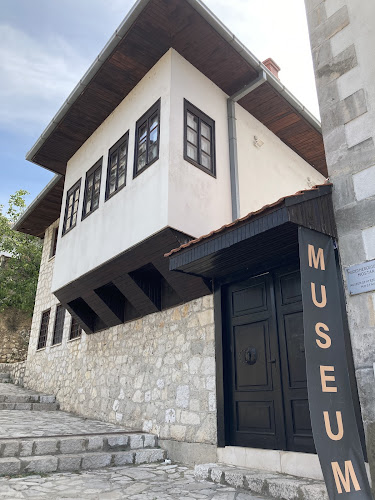
Herzegovina Museum
Find Accommodations Nearby
Recommended Tours & Activities
Visitor Reviews
There are no reviews yet. Be the first one to write one.
Share Your Experience
Have you visited Museum Of War And Genocide Victims? Help other travelers by leaving a review.