

Museum of Walloon Life
About Museum of Walloon Life
Description
The Museum of Walloon Life offers a deep, sometimes surprising look at life in Wallonia during the 19th century and beyond. Housed in the historic Cour des Mineurs in Liège, the museum frames regional identity through objects, costumes, photographs, and everyday stories that add up to more than a textbook. The presentation leans toward the tactile and the human: tools with fingerprints still visible, trade banners, and household goods that hint at routines, hardships, and celebrations. It’s the sort of collection that rewards slow walking and curious poking around.
Visitors will notice that the displays do not only catalogue dates and names. Instead, they stitch together social history — how people worked, how they celebrated, what they ate, and how cultural practices evolved. This is where traditional Liège puppet theatre comes alive again. Short performances — staged intermittently — are part museum piece, part living theatre, and they tend to charm kids and adults alike. The puppets are not just props; they’re local stars with distinct personalities. Expect to laugh, maybe cringe, and often leave remembering a punchline or two.
Accessibility is taken seriously here. There is a wheelchair-accessible entrance, parking, and restroom facilities, which makes it a reasonable choice for travelers who need step-free access. Families will appreciate practical touches like restrooms and a small on-site eatery where one can grab a hot drink and a bite between galleries. The layout flows in a way that’s easy to follow, though some rooms are cozier than others, so if space is tight during a busy day, patience pays off.
What sets this museum apart is the way local life is treated with affection and nuance. It does not romanticize. It tells stories of industrial labor, of artisans, and of domestic life with a blunt honesty that sometimes surprises. One gallery, for example, focuses on regional festivals and folk beliefs — not just the pretty costumes but also the rituals behind them. Another spot digs into miners’ lives; here the exhibits can be a bit raw, but they’re honest and respectful. The balance between celebratory and critical is handled well, and that leaves a visitor with a fuller understanding of Wallonia than postcards ever could.
And yes, there are a few delightful quirks. The curator’s choices sometimes favor intimate vignettes over sweeping historical surveys, so a single display case might tell the story of one family across generations. That made this writer laugh out loud the first time — because it’s oddly personal, and that’s refreshing in a museum landscape that can otherwise feel distant. Small handwritten labels and an occasional archival photograph give the place an almost neighborhood-museum charm, but the research and care behind each exhibit are obviously rigorous.
Practical visitors take note: audio guides and interpretive panels are available in more than one language, making it easier to connect the dots if your French is rusty. Interactive elements are modest but well-placed — a tactile corner for children, and a simple projection or two that brings old photographs to life. It’s a museum that rewards curiosity rather than just speed. Spend an hour, or linger for two; either way, you’ll come away having learned about regional identity in a way that sticks.
Finally, the Museum of Walloon Life is not a shrine to the past; it’s a conversation with it. Exhibits invite reflection about how history shapes daily life now. Travelers who appreciate cultural context and a narrative-driven approach to local history will find this museum an unexpectedly rich stop in Liège. If one leaves humming a puppet show tune or picturing an old family portrait, then the museum has done its job. And if they duck into the small restaurant afterwards for a local treat, well, that’s a bonus most people won’t complain about.
Key Features
More Details
Updated August 30, 2025
Description
The Museum of Walloon Life offers a deep, sometimes surprising look at life in Wallonia during the 19th century and beyond. Housed in the historic Cour des Mineurs in Liège, the museum frames regional identity through objects, costumes, photographs, and everyday stories that add up to more than a textbook. The presentation leans toward the tactile and the human: tools with fingerprints still visible, trade banners, and household goods that hint at routines, hardships, and celebrations. It’s the sort of collection that rewards slow walking and curious poking around.
Visitors will notice that the displays do not only catalogue dates and names. Instead, they stitch together social history — how people worked, how they celebrated, what they ate, and how cultural practices evolved. This is where traditional Liège puppet theatre comes alive again. Short performances — staged intermittently — are part museum piece, part living theatre, and they tend to charm kids and adults alike. The puppets are not just props; they’re local stars with distinct personalities. Expect to laugh, maybe cringe, and often leave remembering a punchline or two.
Accessibility is taken seriously here. There is a wheelchair-accessible entrance, parking, and restroom facilities, which makes it a reasonable choice for travelers who need step-free access. Families will appreciate practical touches like restrooms and a small on-site eatery where one can grab a hot drink and a bite between galleries. The layout flows in a way that’s easy to follow, though some rooms are cozier than others, so if space is tight during a busy day, patience pays off.
What sets this museum apart is the way local life is treated with affection and nuance. It does not romanticize. It tells stories of industrial labor, of artisans, and of domestic life with a blunt honesty that sometimes surprises. One gallery, for example, focuses on regional festivals and folk beliefs — not just the pretty costumes but also the rituals behind them. Another spot digs into miners’ lives; here the exhibits can be a bit raw, but they’re honest and respectful. The balance between celebratory and critical is handled well, and that leaves a visitor with a fuller understanding of Wallonia than postcards ever could.
And yes, there are a few delightful quirks. The curator’s choices sometimes favor intimate vignettes over sweeping historical surveys, so a single display case might tell the story of one family across generations. That made this writer laugh out loud the first time — because it’s oddly personal, and that’s refreshing in a museum landscape that can otherwise feel distant. Small handwritten labels and an occasional archival photograph give the place an almost neighborhood-museum charm, but the research and care behind each exhibit are obviously rigorous.
Practical visitors take note: audio guides and interpretive panels are available in more than one language, making it easier to connect the dots if your French is rusty. Interactive elements are modest but well-placed — a tactile corner for children, and a simple projection or two that brings old photographs to life. It’s a museum that rewards curiosity rather than just speed. Spend an hour, or linger for two; either way, you’ll come away having learned about regional identity in a way that sticks.
Finally, the Museum of Walloon Life is not a shrine to the past; it’s a conversation with it. Exhibits invite reflection about how history shapes daily life now. Travelers who appreciate cultural context and a narrative-driven approach to local history will find this museum an unexpectedly rich stop in Liège. If one leaves humming a puppet show tune or picturing an old family portrait, then the museum has done its job. And if they duck into the small restaurant afterwards for a local treat, well, that’s a bonus most people won’t complain about.
Key Highlights
Museum of Walloon Life
Location
Places to Stay Near Museum of Walloon Life
Find and Book a Tour
Explore More Travel Guides
No reviews found! Be the first to review!
Traveler Reviews for Museum of Walloon Life
There are no reviews yet. Be the first one to write one.
Have you visited Museum of Walloon Life? Help other travelers by sharing your review.
You Might Also Like
La Cité Miroir
Fort Adventure and Events
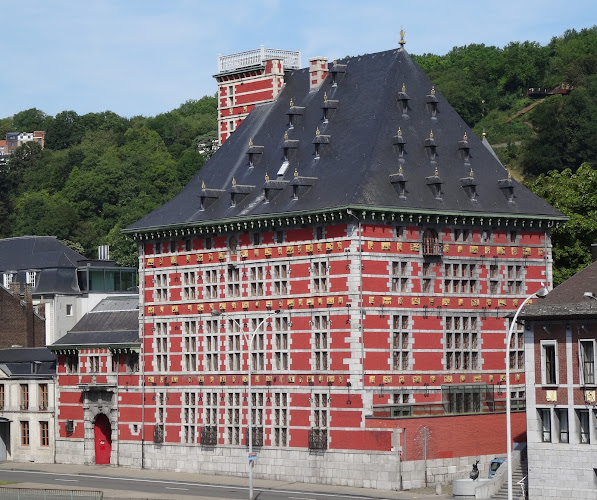
Le Grand Curtius Museum
Find Accommodations Nearby
Recommended Tours & Activities
Visitor Reviews
There are no reviews yet. Be the first one to write one.
Share Your Experience
Have you visited Museum of Walloon Life? Help other travelers by leaving a review.