

Museum of Theater and Dance
About Museum of Theater and Dance
Description
The National Museum of Theater and Dance in Lisbon is one of those places that feels like stepping into a time capsule of Portugal’s performing arts. Housed inside the elegant Monteiro-Mor Palace, an 18th-century building with its own quiet charm, the museum holds an enormous collection—over 300,000 pieces—that trace the evolution of theater, opera, and dance in the country. Costumes worn on stage decades ago, intricate set models, props, posters, caricatures of actors, and even original sheet music are all carefully preserved here. It’s not just about nostalgia; it’s about understanding how performance has shaped Portuguese culture across centuries.
Walking through the galleries, you’ll notice the museum doesn’t try to overwhelm you with flashy gimmicks. Instead, it invites you to slow down, to pause in front of a costume and imagine the actor who once wore it under the hot stage lights. Personally, I found the photography section fascinating—it’s like looking at forgotten faces who once held the spotlight, their expressions frozen mid-performance. Some visitors have said the museum can feel a little quiet, even old-fashioned, but for me, that’s part of the charm. It’s not a theme park; it’s a sanctuary for stories. And if you’re someone who appreciates the artistry behind the curtain, you’ll probably leave with a deeper respect for the craft.
Beyond the exhibitions, the museum also holds Portugal’s largest library dedicated to performing arts. Researchers and students often come here to dig into archives, but even casual visitors can feel the weight of knowledge stored within those walls. And let’s not forget the gardens outside. After wandering through costumes and stage props, stepping into the greenery feels like a breath of fresh air. On a sunny afternoon, I once sat there with a notebook, jotting down thoughts, and honestly, it felt like the perfect way to let the visit sink in.
Key Features
- Over 300,000 artifacts related to theater, opera, and dance
- Historic Monteiro-Mor Palace setting, dating back to the 18th century
- Extensive costume and stage design collections
- Portugal’s largest performing arts library
- Beautiful palace gardens for a relaxing stroll
- Wheelchair accessible with adapted entrances, restrooms, and parking
- Family-friendly and inclusive environment welcoming all visitors
- Free parking available onsite
Best Time to Visit
If you’re like me and prefer a quieter museum experience, weekdays in the late morning are ideal. The museum doesn’t usually draw massive crowds, which is a blessing—you can actually hear your own footsteps echo in the palace halls. Spring and early autumn are especially pleasant because the gardens are in full bloom, and you can combine your cultural visit with a bit of outdoor relaxation. Summer afternoons can get warm, but the palace’s thick walls keep the interior surprisingly cool. Winter has its own charm too; there’s something cozy about exploring theatrical history while it rains outside. Honestly, there isn’t really a “bad” time to go—it just depends on whether you want sunshine for the gardens or a more introspective indoor day.
How to Get There
Reaching the museum is fairly straightforward if you’re staying in Lisbon. Public transport will get you close, with buses and metro options available, followed by a short walk. For those driving, the free parking lot is a real bonus—especially in a city where parking can sometimes feel like a competitive sport. I once made the mistake of trying to squeeze into a tiny street space nearby, only to later discover the museum’s own parking was wide open. Lesson learned. If you’re relying on taxis or rideshares, just tell the driver you’re heading to the Monteiro-Mor Palace, and they’ll know exactly where to go.
Tips for Visiting
Here are a few things I’ve picked up from my own visits and from chatting with other travelers along the way:
- Take your time. Don’t rush through the exhibits. Some of the details, like embroidery on costumes or handwritten stage notes, are easy to miss if you’re in a hurry.
- Bring a notebook or sketchpad. Even if you’re not an artist, jotting down impressions can make the visit more personal. I once sketched a set model, badly, but it helped me remember the visit vividly.
- Check for workshops or events. The museum occasionally hosts educational programs and performances. They’re not always heavily advertised, but they can add a special layer to your visit.
- Use the gardens. After walking through centuries of stage history, the gardens are perfect for a break. Pack a small snack or just sit and people-watch.
- Accessibility is solid. The museum is wheelchair-friendly, with accessible restrooms and parking. That makes it a good choice if you’re traveling with someone who needs those facilities.
- Expect a slower pace. This isn’t a flashy, interactive museum. If you’re traveling with kids, they may get restless, but the gardens help balance things out.
- Bring curiosity, not just a camera. Photos are nice, but the real joy is in the stories these objects tell. Let yourself imagine the performances they once belonged to.
In the end, the National Museum of Theater and Dance isn’t about ticking off a tourist checklist. It’s about pausing to appreciate the artistry behind the curtains, the sweat and imagination that go into every performance. If you’re the kind of traveler who values depth over dazzle, this museum will likely stay with you long after you’ve moved on to Lisbon’s other attractions.
Key Features
- Over 300,000 artifacts related to theater, opera, and dance
- Historic Monteiro-Mor Palace setting, dating back to the 18th century
- Extensive costume and stage design collections
- Portugal’s largest performing arts library
- Beautiful palace gardens for a relaxing stroll
- Wheelchair accessible with adapted entrances, restrooms, and parking
- Family-friendly and inclusive environment welcoming all visitors
- Free parking available onsite
More Details
Updated September 9, 2025
Table of Contents
Description
The National Museum of Theater and Dance in Lisbon is one of those places that feels like stepping into a time capsule of Portugal’s performing arts. Housed inside the elegant Monteiro-Mor Palace, an 18th-century building with its own quiet charm, the museum holds an enormous collection—over 300,000 pieces—that trace the evolution of theater, opera, and dance in the country. Costumes worn on stage decades ago, intricate set models, props, posters, caricatures of actors, and even original sheet music are all carefully preserved here. It’s not just about nostalgia; it’s about understanding how performance has shaped Portuguese culture across centuries.
Walking through the galleries, you’ll notice the museum doesn’t try to overwhelm you with flashy gimmicks. Instead, it invites you to slow down, to pause in front of a costume and imagine the actor who once wore it under the hot stage lights. Personally, I found the photography section fascinating—it’s like looking at forgotten faces who once held the spotlight, their expressions frozen mid-performance. Some visitors have said the museum can feel a little quiet, even old-fashioned, but for me, that’s part of the charm. It’s not a theme park; it’s a sanctuary for stories. And if you’re someone who appreciates the artistry behind the curtain, you’ll probably leave with a deeper respect for the craft.
Beyond the exhibitions, the museum also holds Portugal’s largest library dedicated to performing arts. Researchers and students often come here to dig into archives, but even casual visitors can feel the weight of knowledge stored within those walls. And let’s not forget the gardens outside. After wandering through costumes and stage props, stepping into the greenery feels like a breath of fresh air. On a sunny afternoon, I once sat there with a notebook, jotting down thoughts, and honestly, it felt like the perfect way to let the visit sink in.
Key Features
- Over 300,000 artifacts related to theater, opera, and dance
- Historic Monteiro-Mor Palace setting, dating back to the 18th century
- Extensive costume and stage design collections
- Portugal’s largest performing arts library
- Beautiful palace gardens for a relaxing stroll
- Wheelchair accessible with adapted entrances, restrooms, and parking
- Family-friendly and inclusive environment welcoming all visitors
- Free parking available onsite
Best Time to Visit
If you’re like me and prefer a quieter museum experience, weekdays in the late morning are ideal. The museum doesn’t usually draw massive crowds, which is a blessing—you can actually hear your own footsteps echo in the palace halls. Spring and early autumn are especially pleasant because the gardens are in full bloom, and you can combine your cultural visit with a bit of outdoor relaxation. Summer afternoons can get warm, but the palace’s thick walls keep the interior surprisingly cool. Winter has its own charm too; there’s something cozy about exploring theatrical history while it rains outside. Honestly, there isn’t really a “bad” time to go—it just depends on whether you want sunshine for the gardens or a more introspective indoor day.
How to Get There
Reaching the museum is fairly straightforward if you’re staying in Lisbon. Public transport will get you close, with buses and metro options available, followed by a short walk. For those driving, the free parking lot is a real bonus—especially in a city where parking can sometimes feel like a competitive sport. I once made the mistake of trying to squeeze into a tiny street space nearby, only to later discover the museum’s own parking was wide open. Lesson learned. If you’re relying on taxis or rideshares, just tell the driver you’re heading to the Monteiro-Mor Palace, and they’ll know exactly where to go.
Tips for Visiting
Here are a few things I’ve picked up from my own visits and from chatting with other travelers along the way:
- Take your time. Don’t rush through the exhibits. Some of the details, like embroidery on costumes or handwritten stage notes, are easy to miss if you’re in a hurry.
- Bring a notebook or sketchpad. Even if you’re not an artist, jotting down impressions can make the visit more personal. I once sketched a set model, badly, but it helped me remember the visit vividly.
- Check for workshops or events. The museum occasionally hosts educational programs and performances. They’re not always heavily advertised, but they can add a special layer to your visit.
- Use the gardens. After walking through centuries of stage history, the gardens are perfect for a break. Pack a small snack or just sit and people-watch.
- Accessibility is solid. The museum is wheelchair-friendly, with accessible restrooms and parking. That makes it a good choice if you’re traveling with someone who needs those facilities.
- Expect a slower pace. This isn’t a flashy, interactive museum. If you’re traveling with kids, they may get restless, but the gardens help balance things out.
- Bring curiosity, not just a camera. Photos are nice, but the real joy is in the stories these objects tell. Let yourself imagine the performances they once belonged to.
In the end, the National Museum of Theater and Dance isn’t about ticking off a tourist checklist. It’s about pausing to appreciate the artistry behind the curtains, the sweat and imagination that go into every performance. If you’re the kind of traveler who values depth over dazzle, this museum will likely stay with you long after you’ve moved on to Lisbon’s other attractions.
Key Highlights
- Over 300,000 artifacts related to theater, opera, and dance
- Historic Monteiro-Mor Palace setting, dating back to the 18th century
- Extensive costume and stage design collections
- Portugal’s largest performing arts library
- Beautiful palace gardens for a relaxing stroll
- Wheelchair accessible with adapted entrances, restrooms, and parking
- Family-friendly and inclusive environment welcoming all visitors
- Free parking available onsite
Location
Places to Stay Near Museum of Theater and Dance
Find and Book a Tour
Explore More Travel Guides
No reviews found! Be the first to review!
Traveler Reviews for Museum of Theater and Dance
There are no reviews yet. Be the first one to write one.
Have you visited Museum of Theater and Dance? Help other travelers by sharing your review.
You Might Also Like

Lisbon
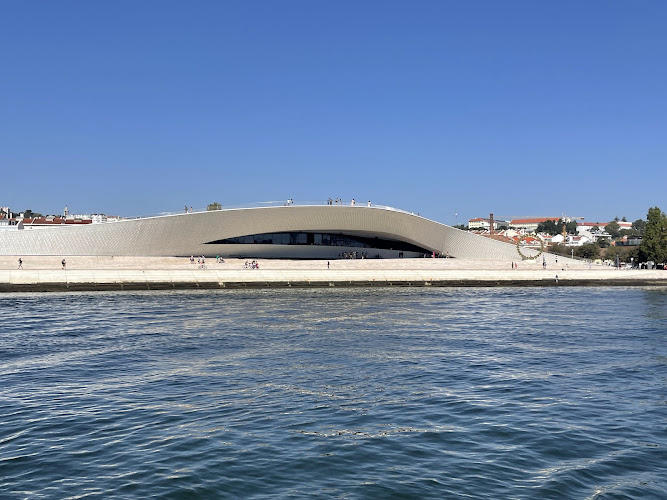
MAAT - Museum of Art, Architecture and Technology

Largo do Salvador 3
Find Accommodations Nearby
Recommended Tours & Activities
Visitor Reviews
There are no reviews yet. Be the first one to write one.
Share Your Experience
Have you visited Museum of Theater and Dance? Help other travelers by leaving a review.