
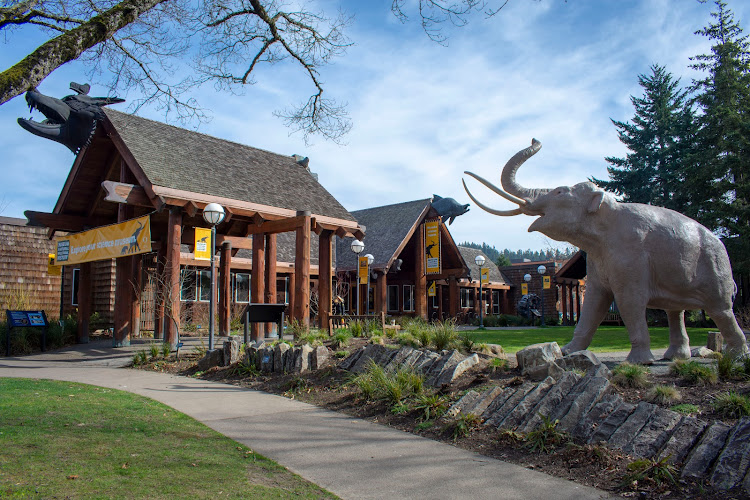
Museum of Natural and Cultural History
About Museum of Natural and Cultural History
Description
The Museum of Natural and Cultural History in Eugene is a compact but deep-dive museum affiliated with the University of Oregon that focuses on the Pacific Northwest — its people, plants, animals, fossils and the geological story that shaped the region. It presents a balance of anthropology, paleontology, geology and botany, using an academic collection to tell accessible, tangible stories. Travelers who wander in expecting a sprawling metropolis-of-exhibits will be surprised — in a good way — by how much is packed into its rooms: well-curated displays of Indigenous artifacts, interpretive panels about northwest ecosystems, seafloor fossils that whisper of ancient seas, and specimens that make natural science feel immediate and human.
This museum often feels like a neighborhood favorite more than a tourist trap. Many visitors come because they are curious about local heritage, families bring kids for hands-on activities, and university-affiliated scholars use the collection for research and teaching. The pace here is relaxed; one can linger over an archaeological case full of artifacts or dash through highlights in 45 minutes if time is tight. The exhibits are designed to invite questions: why did a particular tool look the way it did, how did a mastodon bone get preserved here, what plants once dominated this valley? The answers sit in vitrines and on labels, but staff and volunteers — often grad students or museum educators — add context in a way that feels conversational rather than didactic.
Because it is university-connected, the museum doubles as a research hub. That means some displays rotate more frequently than at other museums, and special exhibits sometimes reflect recent research projects from campus. A traveler who happened upon it during a new temporary exhibit might find fresh material that isn’t yet widely written about. And that element of discovery is oddly thrilling: the museum projects a sense of being in-the-know, as if a friendly curator just let visitors peek behind the curtain of scholarship.
Accessibility and family considerations are strong points. The building offers wheelchair access, assistive hearing options, family restrooms and activities geared to children. There is also a modest gift shop with regionally themed books and educational items — perfect for a souvenir that won't collect dust. For those who want a guided experience, the museum offers tours and occasional live performances or demonstrations tied to exhibits. Admission is fee-based, though discounts are commonly available for children, families and active military. Practicalities matter here: onsite parking exists (pay options apply), Wi-Fi is available, and the space is compact enough to make a rainy-day stop feel efficient and worthwhile for travelers mapping a Pacific Northwest itinerary.
Not everything is immaculate — the small scale brings trade-offs. Some guests note limited gallery space or the desire for longer open hours, and a few exhibits feel like they crave more interpretive depth. Yet for many, the intimacy of the institution is a virtue: it’s easier to ask questions here, to chat with staff, to actually see details of artifacts that might be lost in a larger museum. For a traveler who values meaningful encounters over blockbuster spectacle, the Museum of Natural and Cultural History offers a concentrated, thoughtful experience that connects the past and present of Oregon and the broader Pacific Northwest.
Key Features
- University-affiliated collections combining anthropology, paleontology, geology and botany
- Focused exhibits on Northwest Indigenous cultures, natural history and regional ecosystems
- Rotating special exhibits reflecting current research and campus projects
- Family-focused programming, kid-friendly activities and changing tables
- Accessibility features: wheelchair access, assistive listening devices and hearing loop
- Discounts for children, families and active military
- Guided tours and occasional live performances or demonstrations
- Onsite paid parking and paid street parking options
- Small gift shop with regional books and educational items
- Wi-Fi and restrooms available for visitors
Best Time to Visit
The museum works well year-round, but timing a visit can make a noticeable difference in experience quality. Late spring through early fall is popular because campus life is more active and temporary exhibits or outdoor events sometimes coincide with warmer weather. Weekdays mid-morning — around 10:30 to 11:30 — often provide the quietest visit; students and school groups are less likely to be swarming then. Weekends and summer afternoons can be busier, particularly when special programs, family workshops or live demonstrations are scheduled.
For travelers on a tight schedule, aim to arrive during the first two hours of opening. That typically yields a calmer walk-through and a better chance to chat with docents. If the trip specifically targets a rotating exhibit or a lecture series, check the museum’s program calendar ahead of time (it’s worth planning a quick call or email the week before arrival). The museum occasionally hosts community nights or temporary exhibit openings; those evenings are fun — more social, a little louder — and a chance to meet curators. But note: if a visitor wants a contemplative, nearly private experience, skip big opening nights.
How to Get There
The museum sits on or near the university campus, making it easy to include in a walking loop of campus sights. For travelers driving, onsite parking is available though often metered; there are also paid street parking options nearby. Parking logistics can vary by time of day and campus events, so arriving slightly early to hunt for a spot is good advice. Rideshare and taxi services drop off close to the entrance, and public transit routes serve the area if one prefers not to deal with parking at all.
Pedestrians and bicyclists will find the route convenient: bike racks are typically available, and the surrounding area is pedestrian-friendly. If the traveler enjoys combining stops, the museum is a short walk from coffee shops, student hubs and green lawns — handy for a post-visit snack or a sketching break. For those coming from farther afield, the museum is a straightforward detour from main roads into the city; navigation apps do a decent job, but it’s wise to watch for campus signs and one-way streets.
Tips for Visiting
Plan ahead, but not obsessively. The museum rewards curiosity more than rigid schedules. Here are practical tips that seasoned visitors and first-timers both appreciate:
- Buy admission or check pricing beforehand if possible. There is an admission fee; discounts for children, families and active military are commonly available. This saves a few minutes at the front desk.
- Allow at least 60–90 minutes to explore. The place is small, but there’s depth; lingering at a favorite case is half the fun. If traveling with kids, add another 30 minutes for hands-on activities or the family zone.
- Ask the staff questions. The curators and docents are approachable and often excited to explain research or provenance stories that don’t fit on labels. A quick chat can transform a display from interesting to memorable.
- Look for rotating or temporary exhibits. Because the museum is research-connected, special exhibits may present fresh findings — an unexpected bonus for repeat visitors or those with specific interests like paleoecology or Northwest Indigenous histories.
- Bring a notebook or camera (respect any photography rules). Details in artifacts and specimens are often worth sketching or photographing, especially for those who like to take home facts and impressions.
- If mobility is a concern, the museum is wheelchair accessible and offers assistive listening devices. Check in at the desk for any additional accommodations; staff are used to helping visitors make the most of a visit.
- Visit the gift shop early if looking for specific books or souvenirs; unique titles related to local natural history can sell out during busy periods.
- Combine the museum with nearby campus stops. A coffee, a quick walk through botanical spots, or a campus art piece can round out a pleasant half-day plan.
- For families: plan visits around program times. Interactive events make the museum come alive for kids, and family discounts reduce costs. Also, there are changing tables and kid-friendly restrooms.
- Be mindful of changing exhibits and limited gallery space. If a particular theme is a must-see, confirm exhibit dates in advance to avoid disappointment.
A small personal aside: the first time the author went, it was a gloomy, rain-splattered afternoon and the museum felt like a warm alcove of stories. A grad student on duty pointed out a piece that completely reframed how the author thought about local geology — and that tiny conversation stuck with him. It’s silly perhaps, but this is the kind of place where a short, offhand chat can add layers of meaning to what might otherwise be just another display. Travelers who appreciate that kind of human touch will find the museum quietly rewarding.
In short, the Museum of Natural and Cultural History offers an efficient, informative stop that pairs well with other Eugene plans. It’s not about blockbuster scale; it’s about careful interpretation, regional specificity and access to academic collections in a friendly setting. Whether a traveler is a natural history buff, a family chasing a child’s curiosity, or someone who enjoys a campus-museum vibe, this museum makes a credible claim as a must-consider stop on a Pacific Northwest itinerary. Pack curiosity, bring questions, and allow time to notice the details — the small surprises here make the visit linger in memory longer than expected.
Key Features
- University-affiliated collections combining anthropology, paleontology, geology and botany
- Focused exhibits on Northwest Indigenous cultures, natural history and regional ecosystems
- Rotating special exhibits reflecting current research and campus projects
- Family-focused programming, kid-friendly activities and changing tables
- Accessibility features: wheelchair access, assistive listening devices and hearing loop
- Discounts for children, families and active military
- Guided tours and occasional live performances or demonstrations
- Onsite paid parking and paid street parking options
More Details
Updated August 29, 2025
Table of Contents
- Description
- Key Features
- Best Time to Visit
- How to Get There
- Tips for Visiting
- Key Highlights
- Location
- Places to Stay Near Museum of Natural and Cultural History
- Find and Book a Tour
- Explore More Travel Guides
- Nearby Places You Might Like
- Traveler Reviews for Museum of Natural and Cultural History
- Share Your Experience
Description
The Museum of Natural and Cultural History in Eugene is a compact but deep-dive museum affiliated with the University of Oregon that focuses on the Pacific Northwest — its people, plants, animals, fossils and the geological story that shaped the region. It presents a balance of anthropology, paleontology, geology and botany, using an academic collection to tell accessible, tangible stories. Travelers who wander in expecting a sprawling metropolis-of-exhibits will be surprised — in a good way — by how much is packed into its rooms: well-curated displays of Indigenous artifacts, interpretive panels about northwest ecosystems, seafloor fossils that whisper of ancient seas, and specimens that make natural science feel immediate and human.
This museum often feels like a neighborhood favorite more than a tourist trap. Many visitors come because they are curious about local heritage, families bring kids for hands-on activities, and university-affiliated scholars use the collection for research and teaching. The pace here is relaxed; one can linger over an archaeological case full of artifacts or dash through highlights in 45 minutes if time is tight. The exhibits are designed to invite questions: why did a particular tool look the way it did, how did a mastodon bone get preserved here, what plants once dominated this valley? The answers sit in vitrines and on labels, but staff and volunteers — often grad students or museum educators — add context in a way that feels conversational rather than didactic.
Because it is university-connected, the museum doubles as a research hub. That means some displays rotate more frequently than at other museums, and special exhibits sometimes reflect recent research projects from campus. A traveler who happened upon it during a new temporary exhibit might find fresh material that isn’t yet widely written about. And that element of discovery is oddly thrilling: the museum projects a sense of being in-the-know, as if a friendly curator just let visitors peek behind the curtain of scholarship.
Accessibility and family considerations are strong points. The building offers wheelchair access, assistive hearing options, family restrooms and activities geared to children. There is also a modest gift shop with regionally themed books and educational items — perfect for a souvenir that won’t collect dust. For those who want a guided experience, the museum offers tours and occasional live performances or demonstrations tied to exhibits. Admission is fee-based, though discounts are commonly available for children, families and active military. Practicalities matter here: onsite parking exists (pay options apply), Wi-Fi is available, and the space is compact enough to make a rainy-day stop feel efficient and worthwhile for travelers mapping a Pacific Northwest itinerary.
Not everything is immaculate — the small scale brings trade-offs. Some guests note limited gallery space or the desire for longer open hours, and a few exhibits feel like they crave more interpretive depth. Yet for many, the intimacy of the institution is a virtue: it’s easier to ask questions here, to chat with staff, to actually see details of artifacts that might be lost in a larger museum. For a traveler who values meaningful encounters over blockbuster spectacle, the Museum of Natural and Cultural History offers a concentrated, thoughtful experience that connects the past and present of Oregon and the broader Pacific Northwest.
Key Features
- University-affiliated collections combining anthropology, paleontology, geology and botany
- Focused exhibits on Northwest Indigenous cultures, natural history and regional ecosystems
- Rotating special exhibits reflecting current research and campus projects
- Family-focused programming, kid-friendly activities and changing tables
- Accessibility features: wheelchair access, assistive listening devices and hearing loop
- Discounts for children, families and active military
- Guided tours and occasional live performances or demonstrations
- Onsite paid parking and paid street parking options
- Small gift shop with regional books and educational items
- Wi-Fi and restrooms available for visitors
Best Time to Visit
The museum works well year-round, but timing a visit can make a noticeable difference in experience quality. Late spring through early fall is popular because campus life is more active and temporary exhibits or outdoor events sometimes coincide with warmer weather. Weekdays mid-morning — around 10:30 to 11:30 — often provide the quietest visit; students and school groups are less likely to be swarming then. Weekends and summer afternoons can be busier, particularly when special programs, family workshops or live demonstrations are scheduled.
For travelers on a tight schedule, aim to arrive during the first two hours of opening. That typically yields a calmer walk-through and a better chance to chat with docents. If the trip specifically targets a rotating exhibit or a lecture series, check the museum’s program calendar ahead of time (it’s worth planning a quick call or email the week before arrival). The museum occasionally hosts community nights or temporary exhibit openings; those evenings are fun — more social, a little louder — and a chance to meet curators. But note: if a visitor wants a contemplative, nearly private experience, skip big opening nights.
How to Get There
The museum sits on or near the university campus, making it easy to include in a walking loop of campus sights. For travelers driving, onsite parking is available though often metered; there are also paid street parking options nearby. Parking logistics can vary by time of day and campus events, so arriving slightly early to hunt for a spot is good advice. Rideshare and taxi services drop off close to the entrance, and public transit routes serve the area if one prefers not to deal with parking at all.
Pedestrians and bicyclists will find the route convenient: bike racks are typically available, and the surrounding area is pedestrian-friendly. If the traveler enjoys combining stops, the museum is a short walk from coffee shops, student hubs and green lawns — handy for a post-visit snack or a sketching break. For those coming from farther afield, the museum is a straightforward detour from main roads into the city; navigation apps do a decent job, but it’s wise to watch for campus signs and one-way streets.
Tips for Visiting
Plan ahead, but not obsessively. The museum rewards curiosity more than rigid schedules. Here are practical tips that seasoned visitors and first-timers both appreciate:
- Buy admission or check pricing beforehand if possible. There is an admission fee; discounts for children, families and active military are commonly available. This saves a few minutes at the front desk.
- Allow at least 60–90 minutes to explore. The place is small, but there’s depth; lingering at a favorite case is half the fun. If traveling with kids, add another 30 minutes for hands-on activities or the family zone.
- Ask the staff questions. The curators and docents are approachable and often excited to explain research or provenance stories that don’t fit on labels. A quick chat can transform a display from interesting to memorable.
- Look for rotating or temporary exhibits. Because the museum is research-connected, special exhibits may present fresh findings — an unexpected bonus for repeat visitors or those with specific interests like paleoecology or Northwest Indigenous histories.
- Bring a notebook or camera (respect any photography rules). Details in artifacts and specimens are often worth sketching or photographing, especially for those who like to take home facts and impressions.
- If mobility is a concern, the museum is wheelchair accessible and offers assistive listening devices. Check in at the desk for any additional accommodations; staff are used to helping visitors make the most of a visit.
- Visit the gift shop early if looking for specific books or souvenirs; unique titles related to local natural history can sell out during busy periods.
- Combine the museum with nearby campus stops. A coffee, a quick walk through botanical spots, or a campus art piece can round out a pleasant half-day plan.
- For families: plan visits around program times. Interactive events make the museum come alive for kids, and family discounts reduce costs. Also, there are changing tables and kid-friendly restrooms.
- Be mindful of changing exhibits and limited gallery space. If a particular theme is a must-see, confirm exhibit dates in advance to avoid disappointment.
A small personal aside: the first time the author went, it was a gloomy, rain-splattered afternoon and the museum felt like a warm alcove of stories. A grad student on duty pointed out a piece that completely reframed how the author thought about local geology — and that tiny conversation stuck with him. It’s silly perhaps, but this is the kind of place where a short, offhand chat can add layers of meaning to what might otherwise be just another display. Travelers who appreciate that kind of human touch will find the museum quietly rewarding.
In short, the Museum of Natural and Cultural History offers an efficient, informative stop that pairs well with other Eugene plans. It’s not about blockbuster scale; it’s about careful interpretation, regional specificity and access to academic collections in a friendly setting. Whether a traveler is a natural history buff, a family chasing a child’s curiosity, or someone who enjoys a campus-museum vibe, this museum makes a credible claim as a must-consider stop on a Pacific Northwest itinerary. Pack curiosity, bring questions, and allow time to notice the details — the small surprises here make the visit linger in memory longer than expected.
Key Highlights
- University-affiliated collections combining anthropology, paleontology, geology and botany
- Focused exhibits on Northwest Indigenous cultures, natural history and regional ecosystems
- Rotating special exhibits reflecting current research and campus projects
- Family-focused programming, kid-friendly activities and changing tables
- Accessibility features: wheelchair access, assistive listening devices and hearing loop
- Discounts for children, families and active military
- Guided tours and occasional live performances or demonstrations
- Onsite paid parking and paid street parking options
Location
Places to Stay Near Museum of Natural and Cultural History
Find and Book a Tour
Explore More Travel Guides
No reviews found! Be the first to review!
Traveler Reviews for Museum of Natural and Cultural History
There are no reviews yet. Be the first one to write one.
Have you visited Museum of Natural and Cultural History? Help other travelers by sharing your review.
You Might Also Like
Eugene Solar System Trail: the Sun
Cascades Raptor Center
Willakenzie Park
Find Accommodations Nearby
Recommended Tours & Activities
Visitor Reviews
There are no reviews yet. Be the first one to write one.
Share Your Experience
Have you visited Museum of Natural and Cultural History? Help other travelers by leaving a review.