
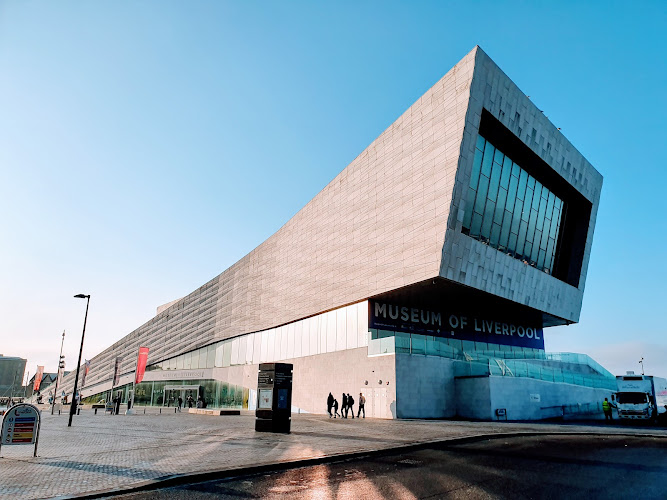
Museum of Liverpool
About Museum of Liverpool
Description
The Museum of Liverpool stands as one of the most impressive modern cultural institutions you'll find anywhere in Britain. And honestly, when I first walked up to this building back in 2015, I was genumed surprised by how contemporary it looked compared to the historic waterfront around it. This isn't your grandmother's dusty museum filled with glass cases and plaques you can barely read - it's a purpose-built architectural statement that opened its doors in 2011 and has been drawing visitors ever since. What makes this place genuinely special is how it tells Liverpool's story through interactive exhibits and engaging displays that actually make history feel alive. The building itself sits right on the waterfront at Pier Head, and the views alone are worth the visit. But it's what's inside that really captures your imagination - this is where you'll discover how a relatively small port city became one of the most influential places on the planet, shaping music, culture, commerce, and social movements that rippled across the world. The museum doesn't shy away from the tough stuff either. Liverpool's history includes some dark chapters, particularly its role in the transatlantic slave trade, and the museum addresses these uncomfortable truths head-on. That kind of honesty is refreshing and necessary. You'll also explore the city's working-class roots, its shipbuilding heritage, and of course, the cultural explosion that gave the world The Beatles and so much more. For travelers trying to understand what makes Liverpool tick, this museum serves as the perfect starting point. It's completely free to enter, which still amazes me given the quality of what's on offer. The building houses multiple floors of exhibitions, and you could easily spend half a day here without getting bored.Key Features
When exploring the Museum of Liverpool, visitors will encounter several standout features that make this attraction worth adding to any travel itinerary:- Interactive displays throughout the museum that let you touch, play, and engage with Liverpool's history rather than just reading about it from a distance
- The Wondrous Place gallery dedicated to Liverpool's music scene, where you'll find everything from rare Beatles memorabilia to exhibits on the city's ongoing musical legacy
- A spectacular overhead railway carriage that once transported workers around the Liverpool docks, suspended dramatically in the atrium
- The Great Port exhibition that explains how Liverpool became one of the world's most important maritime cities and the impact that had globally
- City Soldiers gallery documenting the King's Regiment and Liverpool's military history across different conflicts
- People's Republic exhibit exploring Liverpool's reputation for radical politics and social activism throughout the centuries
- Stunning panoramic views of the River Mersey, the Three Graces, and the Liverpool waterfront from the museum's large windows
- A full-service restaurant on site where you can grab lunch or a coffee while taking in waterfront views
- Completely wheelchair accessible throughout, with accessible restrooms and parking available
- Changing facilities for families with young children, making it practical for parents traveling with little ones
- Regular temporary exhibitions that rotate throughout the year, giving repeat visitors fresh content to explore
- The Little Liverpool gallery designed specifically for children under seven, with hands-on activities that keep young minds engaged
Best Time to Visit
Timing your visit to the Museum of Liverpool can make a real difference to your experience. I've been there on busy summer weekends when you're practically shoulder-to-shoulder with other visitors, and I've also wandered through on quiet Tuesday mornings when I had entire galleries almost to myself. Weekday mornings, particularly Tuesday through Thursday, tend to be the quietest times. If you arrive right when they open at 10 AM, you'll beat the school groups that usually show up around mid-morning. The museum gets significantly busier during school holidays, especially the summer break from late July through early September. Families descend on the place then, which is great for the atmosphere but not ideal if you prefer a more contemplative experience. Weather doesn't matter much since you're indoors, but rainy days in Liverpool (and there are plenty of those) do tend to draw larger crowds as people seek indoor activities. Spring and early autumn offer a sweet spot - fewer tourists than summer, schools are in session, and you can still enjoy pleasant weather when exploring the waterfront before or after your museum visit. Weekends bring both locals and tourists, with Saturday afternoons being particularly packed. Sunday mornings are slightly better if weekends are your only option. The museum stays open until 5 PM most days, and visiting during the last two hours can be strategic - many families with young children have left by then, though you'll need to move at a decent pace to see everything. Special events and temporary exhibitions can draw bigger crowds too, so check what's on before you visit. Sometimes these exhibitions are worth the extra people, but it's good to know what you're walking into.How to Get There
Getting to the Museum of Liverpool is remarkably straightforward, which is one of its strong points for travelers unfamiliar with the city. The museum sits right on the waterfront at Pier Head, making it highly visible and easy to find. If you're arriving by train at Liverpool Lime Street Station, you've got about a 20-minute walk ahead of you. It's a pleasant stroll downhill through the city center, and you'll pass some interesting architecture along the way. Just head toward the waterfront and you can't miss it. Alternatively, several bus routes run from the station area to the Pier Head, and a taxi will get you there in about five minutes depending on traffic. The Merseyrail system is even more convenient - get off at James Street station, and you're literally a five-minute walk away. This is probably your best bet if you're staying somewhere along the Wirral or northern Liverpool areas. For those driving, there are multiple car parks nearby, including one at Liverpool ONE shopping center and the Kings Dock car park. The museum itself has wheelchair accessible parking, though spaces can be limited during peak times. Do check parking rates beforehand because they can add up if you're spending several hours in the area. If you're doing the full tourist experience and taking one of the hop-on-hop-off bus tours, they stop right at Pier Head. The ferry terminal is also adjacent to the museum, so if you fancy crossing the Mersey on the famous ferry (and you should - it's an experience), you're in the perfect location. The whole waterfront area is pedestrian-friendly, so once you're in the general vicinity, signage and the building's distinctive architecture will guide you in. Just look for the modern white structure that stands out among the historic buildings.Tips for Visiting
After several visits to the Museum of Liverpool over the years, I've picked up some practical tips that'll help you make the most of your time there. First off, even though admission is free, consider donating something if you can. Museums like this rely on visitor contributions to keep their doors open and their exhibits fresh. There's a donation box near the entrance - even a few pounds helps. Download the museum's app before you arrive if they still offer one. Last time I checked, they had audio guides and additional content available through mobile devices that really enhanced the experience. And speaking of phones, bring a portable charger. You'll want to take photos, use the interactive displays, and possibly navigate with your phone - battery life disappears faster than you'd think. Wear comfortable shoes. I can't stress this enough. The museum has several floors and you'll be on your feet for hours. Those stylish but impractical shoes you packed? Leave them at your hotel. Start from the top floor and work your way down - this seems to be the less crowded route since most people work their way up. The flow feels more natural this way too. The cafe gets busy around lunchtime, so if you're planning to eat there, either go early (around 11:30) or late (after 2 PM). Alternatively, you're right on the waterfront with tons of dining options within a short walk. If you're traveling with kids, head to the Little Liverpool gallery early in your visit. Let them burn some energy there first, and they'll be more patient during the other exhibits. Trust me on this - I watched a frazzled parent learn this lesson the hard way. Budget at least three hours for your visit, though you could easily spend longer if you're a history buff or want to read every display. Some people whip through in 90 minutes, but you'll miss a lot. The gift shop is actually worth browsing, which isn't something I say about many museum shops. They stock local products and books about Liverpool history that make meaningful souvenirs rather than just generic tourist tat. Check the museum's event calendar before your visit. They host talks, workshops, and special programs that might align with your interests. Some require booking in advance. Photography is generally allowed for personal use, but flash photography might be restricted in certain areas. Just be respectful of other visitors when you're taking photos. Finally, combine your museum visit with exploring the wider waterfront area. The Royal Albert Dock is a short walk away, and you've got the Beatles Story, Tate Liverpool, and the Maritime Museum all nearby. Make a day of it rather than treating the Museum of Liverpool as an isolated stop. The museum truly offers one of the best free cultural experiences in Northern England, and it deserves more recognition than it sometimes gets. Whether you're a history enthusiast, a casual tourist, or someone trying to understand Liverpool's unique character, this place delivers.Key Features
- Galleries covering Liverpool’s social and maritime history
- Panoramic views of the River Mersey and waterfront
- Interactive family-friendly galleries (Little Liverpool)
- Strong displays on music, sport and working-class life
- Free admission with temporary exhibitions and events
More Details
Updated March 30, 2026
Table of Contents
Description
The Museum of Liverpool stands as one of the most impressive modern cultural institutions you’ll find anywhere in Britain. And honestly, when I first walked up to this building back in 2015, I was genumed surprised by how contemporary it looked compared to the historic waterfront around it. This isn’t your grandmother’s dusty museum filled with glass cases and plaques you can barely read – it’s a purpose-built architectural statement that opened its doors in 2011 and has been drawing visitors ever since.
What makes this place genuinely special is how it tells Liverpool’s story through interactive exhibits and engaging displays that actually make history feel alive. The building itself sits right on the waterfront at Pier Head, and the views alone are worth the visit. But it’s what’s inside that really captures your imagination – this is where you’ll discover how a relatively small port city became one of the most influential places on the planet, shaping music, culture, commerce, and social movements that rippled across the world.
The museum doesn’t shy away from the tough stuff either. Liverpool’s history includes some dark chapters, particularly its role in the transatlantic slave trade, and the museum addresses these uncomfortable truths head-on. That kind of honesty is refreshing and necessary. You’ll also explore the city’s working-class roots, its shipbuilding heritage, and of course, the cultural explosion that gave the world The Beatles and so much more.
For travelers trying to understand what makes Liverpool tick, this museum serves as the perfect starting point. It’s completely free to enter, which still amazes me given the quality of what’s on offer. The building houses multiple floors of exhibitions, and you could easily spend half a day here without getting bored.
Key Features
When exploring the Museum of Liverpool, visitors will encounter several standout features that make this attraction worth adding to any travel itinerary:
- Interactive displays throughout the museum that let you touch, play, and engage with Liverpool’s history rather than just reading about it from a distance
- The Wondrous Place gallery dedicated to Liverpool’s music scene, where you’ll find everything from rare Beatles memorabilia to exhibits on the city’s ongoing musical legacy
- A spectacular overhead railway carriage that once transported workers around the Liverpool docks, suspended dramatically in the atrium
- The Great Port exhibition that explains how Liverpool became one of the world’s most important maritime cities and the impact that had globally
- City Soldiers gallery documenting the King’s Regiment and Liverpool’s military history across different conflicts
- People’s Republic exhibit exploring Liverpool’s reputation for radical politics and social activism throughout the centuries
- Stunning panoramic views of the River Mersey, the Three Graces, and the Liverpool waterfront from the museum’s large windows
- A full-service restaurant on site where you can grab lunch or a coffee while taking in waterfront views
- Completely wheelchair accessible throughout, with accessible restrooms and parking available
- Changing facilities for families with young children, making it practical for parents traveling with little ones
- Regular temporary exhibitions that rotate throughout the year, giving repeat visitors fresh content to explore
- The Little Liverpool gallery designed specifically for children under seven, with hands-on activities that keep young minds engaged
Best Time to Visit
Timing your visit to the Museum of Liverpool can make a real difference to your experience. I’ve been there on busy summer weekends when you’re practically shoulder-to-shoulder with other visitors, and I’ve also wandered through on quiet Tuesday mornings when I had entire galleries almost to myself.
Weekday mornings, particularly Tuesday through Thursday, tend to be the quietest times. If you arrive right when they open at 10 AM, you’ll beat the school groups that usually show up around mid-morning. The museum gets significantly busier during school holidays, especially the summer break from late July through early September. Families descend on the place then, which is great for the atmosphere but not ideal if you prefer a more contemplative experience.
Weather doesn’t matter much since you’re indoors, but rainy days in Liverpool (and there are plenty of those) do tend to draw larger crowds as people seek indoor activities. Spring and early autumn offer a sweet spot – fewer tourists than summer, schools are in session, and you can still enjoy pleasant weather when exploring the waterfront before or after your museum visit.
Weekends bring both locals and tourists, with Saturday afternoons being particularly packed. Sunday mornings are slightly better if weekends are your only option. The museum stays open until 5 PM most days, and visiting during the last two hours can be strategic – many families with young children have left by then, though you’ll need to move at a decent pace to see everything.
Special events and temporary exhibitions can draw bigger crowds too, so check what’s on before you visit. Sometimes these exhibitions are worth the extra people, but it’s good to know what you’re walking into.
How to Get There
Getting to the Museum of Liverpool is remarkably straightforward, which is one of its strong points for travelers unfamiliar with the city. The museum sits right on the waterfront at Pier Head, making it highly visible and easy to find.
If you’re arriving by train at Liverpool Lime Street Station, you’ve got about a 20-minute walk ahead of you. It’s a pleasant stroll downhill through the city center, and you’ll pass some interesting architecture along the way. Just head toward the waterfront and you can’t miss it. Alternatively, several bus routes run from the station area to the Pier Head, and a taxi will get you there in about five minutes depending on traffic.
The Merseyrail system is even more convenient – get off at James Street station, and you’re literally a five-minute walk away. This is probably your best bet if you’re staying somewhere along the Wirral or northern Liverpool areas.
For those driving, there are multiple car parks nearby, including one at Liverpool ONE shopping center and the Kings Dock car park. The museum itself has wheelchair accessible parking, though spaces can be limited during peak times. Do check parking rates beforehand because they can add up if you’re spending several hours in the area.
If you’re doing the full tourist experience and taking one of the hop-on-hop-off bus tours, they stop right at Pier Head. The ferry terminal is also adjacent to the museum, so if you fancy crossing the Mersey on the famous ferry (and you should – it’s an experience), you’re in the perfect location.
The whole waterfront area is pedestrian-friendly, so once you’re in the general vicinity, signage and the building’s distinctive architecture will guide you in. Just look for the modern white structure that stands out among the historic buildings.
Tips for Visiting
After several visits to the Museum of Liverpool over the years, I’ve picked up some practical tips that’ll help you make the most of your time there.
First off, even though admission is free, consider donating something if you can. Museums like this rely on visitor contributions to keep their doors open and their exhibits fresh. There’s a donation box near the entrance – even a few pounds helps.
Download the museum’s app before you arrive if they still offer one. Last time I checked, they had audio guides and additional content available through mobile devices that really enhanced the experience. And speaking of phones, bring a portable charger. You’ll want to take photos, use the interactive displays, and possibly navigate with your phone – battery life disappears faster than you’d think.
Wear comfortable shoes. I can’t stress this enough. The museum has several floors and you’ll be on your feet for hours. Those stylish but impractical shoes you packed? Leave them at your hotel.
Start from the top floor and work your way down – this seems to be the less crowded route since most people work their way up. The flow feels more natural this way too.
The cafe gets busy around lunchtime, so if you’re planning to eat there, either go early (around 11:30) or late (after 2 PM). Alternatively, you’re right on the waterfront with tons of dining options within a short walk.
If you’re traveling with kids, head to the Little Liverpool gallery early in your visit. Let them burn some energy there first, and they’ll be more patient during the other exhibits. Trust me on this – I watched a frazzled parent learn this lesson the hard way.
Budget at least three hours for your visit, though you could easily spend longer if you’re a history buff or want to read every display. Some people whip through in 90 minutes, but you’ll miss a lot.
The gift shop is actually worth browsing, which isn’t something I say about many museum shops. They stock local products and books about Liverpool history that make meaningful souvenirs rather than just generic tourist tat.
Check the museum’s event calendar before your visit. They host talks, workshops, and special programs that might align with your interests. Some require booking in advance.
Photography is generally allowed for personal use, but flash photography might be restricted in certain areas. Just be respectful of other visitors when you’re taking photos.
Finally, combine your museum visit with exploring the wider waterfront area. The Royal Albert Dock is a short walk away, and you’ve got the Beatles Story, Tate Liverpool, and the Maritime Museum all nearby. Make a day of it rather than treating the Museum of Liverpool as an isolated stop.
The museum truly offers one of the best free cultural experiences in Northern England, and it deserves more recognition than it sometimes gets. Whether you’re a history enthusiast, a casual tourist, or someone trying to understand Liverpool’s unique character, this place delivers.
Key Highlights
- Galleries covering Liverpool’s social and maritime history
- Panoramic views of the River Mersey and waterfront
- Interactive family-friendly galleries (Little Liverpool)
- Strong displays on music, sport and working-class life
- Free admission with temporary exhibitions and events
Location
Places to Stay Near Museum of Liverpool
Find and Book a Tour
Explore More Travel Guides
No reviews found! Be the first to review!
Museum of Liverpool is a prominent museums located in Liverpool.
Visit us at: Pier Head, Mann Island, Liverpool L3 1DG, United Kingdom.
Traveler Reviews for Museum of Liverpool
There are no reviews yet. Be the first one to write one.
Have you visited Museum of Liverpool? Help other travelers by sharing your review.
Nearby Attractions
You Might Also Like

The Cavern Club
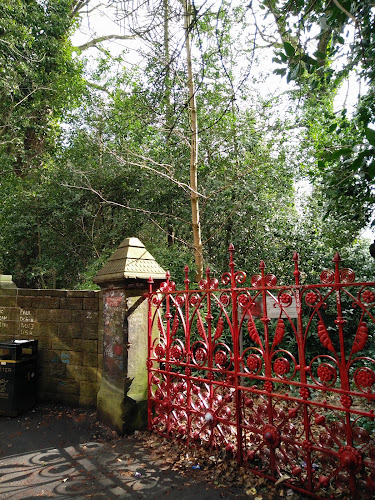
Strawberry Field

The Otterspool Promenade
Find Accommodations Nearby
Recommended Tours & Activities
Visitor Reviews
There are no reviews yet. Be the first one to write one.
Share Your Experience
Have you visited Museum of Liverpool? Help other travelers by leaving a review.