
Museum of Lamitan
About Museum of Lamitan
Description
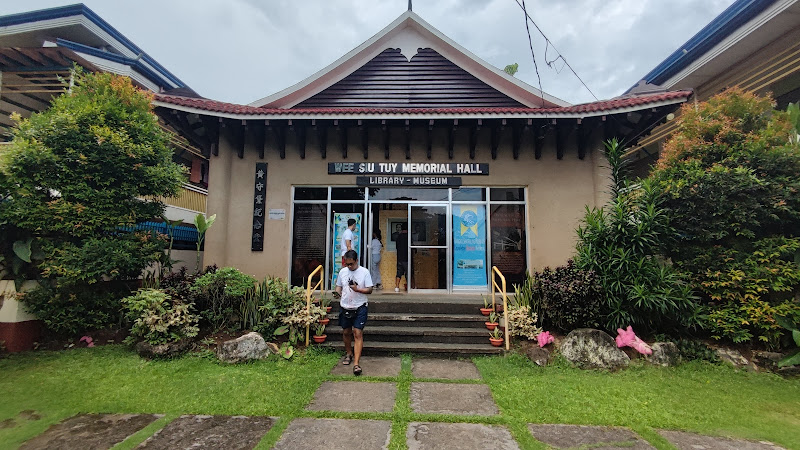
The Museum of Lamitan, often referred to as the Wee Siu Tuy Museum or the Lamitan Library and Museum, is one of those places that quietly surprises visitors. It’s not a massive building with endless halls, but what it lacks in size, it makes up for in heart and cultural depth. The museum is dedicated to preserving the history of Lamitan City and the indigenous Yakan tribe, whose colorful weaving traditions and vibrant heritage are proudly showcased inside. Walking through its rooms feels like stepping into a living storybook of Basilan’s past—there are artifacts, heirlooms, and photographs that carry the whispers of generations.
What really sets this museum apart is its accessibility and thoughtful design. It has a wheelchair accessible entrance, parking lot, and restrooms, which makes it welcoming for travelers of all abilities. Families will also find it easy to bring kids along, since the exhibits are approachable and engaging without being overwhelming. And yes, there are restrooms on-site, which is always a practical plus when you’re traveling in a new city.
Of course, not everyone will find it perfect. Some visitors might expect a larger or more modern facility, while others may wish for more interactive displays. But the overwhelming impression is one of genuine appreciation—the museum is loved by those who value culture, history, and authenticity over flashy presentations. It’s a place where you can slow down, take your time, and really connect with the local story. Personally, I found myself lingering longer than I expected, especially in front of the Yakan textiles. They’re not just fabrics; they’re living expressions of identity and resilience.
Key Features
- A rich collection of Yakan textiles, artifacts, and traditional crafts that highlight the artistry of the indigenous community
- Historical exhibits about Lamitan City’s evolution, including its colonial past and the role of local leaders
- Combination of museum and library, offering both cultural displays and reading resources
- Wheelchair accessible entrance, parking, and restrooms, making it inclusive for all visitors
- Kid-friendly environment with manageable exhibits and engaging displays
- Restrooms available on-site, adding convenience for families and groups
- Housed in a historic building donated by a Chinese Filipino philanthropist, adding another layer of heritage to the experience
Best Time to Visit
If you’re planning a trip, the best time to visit the Museum of Lamitan is during the annual Lami-Lamihan Festival, usually held in June. The festival celebrates Yakan culture with music, dance, and weaving demonstrations, and the museum becomes even more alive during this period. Outside of the festival, weekdays tend to be quieter, giving you the chance to explore the exhibits at your own pace without the crowds. Morning visits are generally cooler and more relaxed, especially if you’re combining the museum with a walking tour of Lamitan’s other attractions.
Weather-wise, the dry season from December to May is the most comfortable time to explore Basilan. But honestly, the museum itself is a good stop any time of year—it’s indoors, airier than you might expect, and offers a great break from the midday heat.
How to Get There
Reaching the Museum of Lamitan is fairly straightforward if you’re already in Basilan. Most travelers arrive in Basilan via ferry from Zamboanga City, which is the main gateway to the island. From Isabela City, the provincial capital, Lamitan is about an hour’s drive. Public vans and jeepneys regularly ply the route, though if you’re not used to local transport, hiring a tricycle or arranging a private vehicle might be more comfortable.
If you’re the adventurous type, the journey itself is part of the experience. The drive to Lamitan takes you through coastal roads, small villages, and glimpses of Basilan’s everyday life. Once in Lamitan proper, the museum is centrally located and easy to reach by foot or a quick tricycle ride from the town plaza.
Tips for Visiting
Here are a few things I wish someone had told me before my first visit:
- Bring small bills or coins—entrance fees are usually minimal, but it’s easier to pay with exact change.
- Take your time with the Yakan weaving displays. The patterns aren’t just decorative; each design has meaning, often tied to family, nature, or spirituality.
- If you’re traveling with kids, turn the visit into a mini treasure hunt. Ask them to find the oldest artifact or the brightest textile—it keeps them engaged.
- Photography may be restricted in some sections, so always ask before snapping pictures.
- Pair your museum visit with a trip to Datu Kalun Park & Shrine nearby—it rounds out the historical experience of Lamitan.
- Wear light, comfortable clothing. Basilan’s climate can be warm and humid, even inside buildings.
- Don’t rush. The museum may look small, but the stories inside deserve more than a quick glance.
And one last tip—chat with the staff if you get the chance. They often have personal stories or insights that aren’t written on the display cards. That’s how I learned about the symbolism behind a particular textile pattern, which completely changed how I saw it. Sometimes the best part of a museum isn’t the artifact itself, but the human connection it sparks.
Key Features
- A rich collection of Yakan textiles, artifacts, and traditional crafts that highlight the artistry of the indigenous community
- Historical exhibits about Lamitan City’s evolution, including its colonial past and the role of local leaders
- Combination of museum and library, offering both cultural displays and reading resources
- Wheelchair accessible entrance, parking, and restrooms, making it inclusive for all visitors
- Kid-friendly environment with manageable exhibits and engaging displays
- Restrooms available on-site, adding convenience for families and groups
- Housed in a historic building donated by a Chinese Filipino philanthropist, adding another layer of heritage to the experience
- Bring small bills or coins—entrance fees are usually minimal, but it’s easier to pay with exact change.
More Details
Updated September 11, 2025
Table of Contents
Description
The Museum of Lamitan, often referred to as the Wee Siu Tuy Museum or the Lamitan Library and Museum, is one of those places that quietly surprises visitors. It’s not a massive building with endless halls, but what it lacks in size, it makes up for in heart and cultural depth. The museum is dedicated to preserving the history of Lamitan City and the indigenous Yakan tribe, whose colorful weaving traditions and vibrant heritage are proudly showcased inside. Walking through its rooms feels like stepping into a living storybook of Basilan’s past—there are artifacts, heirlooms, and photographs that carry the whispers of generations.
What really sets this museum apart is its accessibility and thoughtful design. It has a wheelchair accessible entrance, parking lot, and restrooms, which makes it welcoming for travelers of all abilities. Families will also find it easy to bring kids along, since the exhibits are approachable and engaging without being overwhelming. And yes, there are restrooms on-site, which is always a practical plus when you’re traveling in a new city.
Of course, not everyone will find it perfect. Some visitors might expect a larger or more modern facility, while others may wish for more interactive displays. But the overwhelming impression is one of genuine appreciation—the museum is loved by those who value culture, history, and authenticity over flashy presentations. It’s a place where you can slow down, take your time, and really connect with the local story. Personally, I found myself lingering longer than I expected, especially in front of the Yakan textiles. They’re not just fabrics; they’re living expressions of identity and resilience.
Key Features
- A rich collection of Yakan textiles, artifacts, and traditional crafts that highlight the artistry of the indigenous community
- Historical exhibits about Lamitan City’s evolution, including its colonial past and the role of local leaders
- Combination of museum and library, offering both cultural displays and reading resources
- Wheelchair accessible entrance, parking, and restrooms, making it inclusive for all visitors
- Kid-friendly environment with manageable exhibits and engaging displays
- Restrooms available on-site, adding convenience for families and groups
- Housed in a historic building donated by a Chinese Filipino philanthropist, adding another layer of heritage to the experience
Best Time to Visit
If you’re planning a trip, the best time to visit the Museum of Lamitan is during the annual Lami-Lamihan Festival, usually held in June. The festival celebrates Yakan culture with music, dance, and weaving demonstrations, and the museum becomes even more alive during this period. Outside of the festival, weekdays tend to be quieter, giving you the chance to explore the exhibits at your own pace without the crowds. Morning visits are generally cooler and more relaxed, especially if you’re combining the museum with a walking tour of Lamitan’s other attractions.
Weather-wise, the dry season from December to May is the most comfortable time to explore Basilan. But honestly, the museum itself is a good stop any time of year—it’s indoors, airier than you might expect, and offers a great break from the midday heat.
How to Get There
Reaching the Museum of Lamitan is fairly straightforward if you’re already in Basilan. Most travelers arrive in Basilan via ferry from Zamboanga City, which is the main gateway to the island. From Isabela City, the provincial capital, Lamitan is about an hour’s drive. Public vans and jeepneys regularly ply the route, though if you’re not used to local transport, hiring a tricycle or arranging a private vehicle might be more comfortable.
If you’re the adventurous type, the journey itself is part of the experience. The drive to Lamitan takes you through coastal roads, small villages, and glimpses of Basilan’s everyday life. Once in Lamitan proper, the museum is centrally located and easy to reach by foot or a quick tricycle ride from the town plaza.
Tips for Visiting
Here are a few things I wish someone had told me before my first visit:
- Bring small bills or coins—entrance fees are usually minimal, but it’s easier to pay with exact change.
- Take your time with the Yakan weaving displays. The patterns aren’t just decorative; each design has meaning, often tied to family, nature, or spirituality.
- If you’re traveling with kids, turn the visit into a mini treasure hunt. Ask them to find the oldest artifact or the brightest textile—it keeps them engaged.
- Photography may be restricted in some sections, so always ask before snapping pictures.
- Pair your museum visit with a trip to Datu Kalun Park & Shrine nearby—it rounds out the historical experience of Lamitan.
- Wear light, comfortable clothing. Basilan’s climate can be warm and humid, even inside buildings.
- Don’t rush. The museum may look small, but the stories inside deserve more than a quick glance.
And one last tip—chat with the staff if you get the chance. They often have personal stories or insights that aren’t written on the display cards. That’s how I learned about the symbolism behind a particular textile pattern, which completely changed how I saw it. Sometimes the best part of a museum isn’t the artifact itself, but the human connection it sparks.
Key Highlights
- A rich collection of Yakan textiles, artifacts, and traditional crafts that highlight the artistry of the indigenous community
- Historical exhibits about Lamitan City’s evolution, including its colonial past and the role of local leaders
- Combination of museum and library, offering both cultural displays and reading resources
- Wheelchair accessible entrance, parking, and restrooms, making it inclusive for all visitors
- Kid-friendly environment with manageable exhibits and engaging displays
- Restrooms available on-site, adding convenience for families and groups
- Housed in a historic building donated by a Chinese Filipino philanthropist, adding another layer of heritage to the experience
- Bring small bills or coins—entrance fees are usually minimal, but it’s easier to pay with exact change.
Location
Places to Stay Near Museum of Lamitan
Find and Book a Tour
Explore More Travel Guides
No reviews found! Be the first to review!
Traveler Reviews for Museum of Lamitan
There are no reviews yet. Be the first one to write one.
Have you visited Museum of Lamitan? Help other travelers by sharing your review.
You Might Also Like

Lamitan City Hall
Lamitan City Heritage Tower
Lamitan City
Find Accommodations Nearby
Recommended Tours & Activities
Visitor Reviews
There are no reviews yet. Be the first one to write one.
Share Your Experience
Have you visited Museum of Lamitan? Help other travelers by leaving a review.