
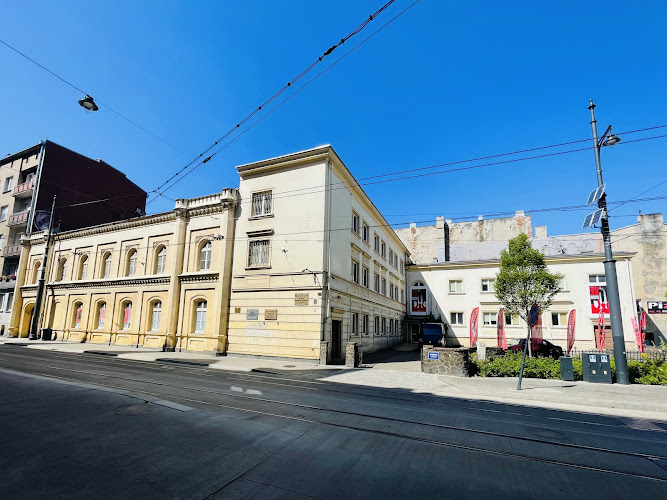
Museum of Independence Traditions in Lodz
About Museum of Independence Traditions in Lodz
Description
There’s something haunting yet deeply moving about walking through the Museum of Independence Traditions in Łódź. Set inside a former tsarist prison built in the late 19th century, the museum doesn’t shy away from its past—it embraces it. The thick brick walls, the narrow corridors, and the iron-barred windows still seem to echo the voices of those who were once imprisoned there for their beliefs. It’s not the kind of museum you rush through; it’s one that asks you to pause, to feel, and to remember.
The museum tells the story of Poland’s long and often painful struggle for independence, with a particular focus on the Łódź region. Exhibits cover everything from the partitions of Poland to the German occupation during World War II and the resistance movements that followed. You’ll find personal letters, photographs, uniforms, and even everyday objects that once belonged to prisoners and soldiers. It’s not flashy or overly modern—thankfully—but rather honest and raw. That’s what makes it powerful. You can sense that every item here has a story to tell, and the curators have done a remarkable job of preserving that authenticity.
What struck me most when I first visited was how the museum balances sorrow with pride. Yes, the stories are heavy, but they also highlight courage, resilience, and the unbreakable spirit of people who refused to give up on their country. Even if you’re not a history buff, it’s hard not to be moved by the human side of these displays. You come away with a deeper appreciation for what independence really meant—and still means—to Poland.
The building itself is a character in the story. Originally constructed between 1883 and 1885, it served as a political prison under Russian rule and continued to hold prisoners throughout the turbulent 20th century. In the courtyard, a gallows once stood—a chilling reminder of the executions that took place there. Today, the same space stands silent, a memorial to those who lost their lives. It’s sobering, yes, but also strangely peaceful, as if the place has finally found a way to rest.
Inside, the exhibits are thoughtfully arranged and bilingual, which makes it accessible for international visitors. The lighting is subdued, creating an atmosphere that encourages reflection. You might even catch yourself whispering, as though speaking too loudly would disturb the ghosts of the past. And yet, despite its somber tone, the museum feels alive—alive with memory, with history, with truth.
Key Features
- Authentic Historical Setting: The museum is housed in a former tsarist prison, preserving much of its original architecture and atmosphere.
- Comprehensive Exhibits: Displays cover Poland’s independence movements, the German occupation during World War II, and the post-war resistance in the Łódź region.
- Radogoszcz Martyrdom Branch: A separate branch dedicated to the tragic events of January 1945, offering a deeper look into wartime atrocities.
- Accessibility: Wheelchair-accessible entrances and restrooms ensure that all visitors can experience the museum comfortably.
- Educational Programs: Guided tours, lectures, and workshops for students and history enthusiasts.
- Memorial Courtyard: A preserved execution site that now serves as a quiet place for reflection and remembrance.
- Archival Materials: Extensive collections of documents, photographs, and personal accounts that bring history to life.
Each of these features contributes to what makes the museum stand out among other historical sites in Poland. It’s not just about looking at old objects; it’s about understanding the human stories behind them. And that’s what makes it unforgettable.
Best Time to Visit
If you ask me, the best time to visit the Museum of Independence Traditions is during the quieter months—spring or early autumn. The weather in Łódź is pleasant then, and you can take your time wandering through the exhibits without the crowds that sometimes appear in summer. I went on a drizzly afternoon in May, and honestly, the gray skies added to the atmosphere. There’s something poetic about walking through those old prison corridors while rain taps softly against the windows—it just fits.
Winter visits can be quite powerful too, especially if you’re drawn to the solemn side of history. The cold air, the stillness—it all amplifies the emotional weight of the place. But if you prefer a more relaxed experience, go when it’s warmer and the city is in bloom. You can easily combine your visit with a stroll through nearby parks or a coffee stop in one of Łódź’s cozy cafés afterward to process everything you’ve just seen.
Weekdays are generally less busy than weekends, and mornings tend to be quieter. If you enjoy taking photos, the early afternoon light gives the courtyard and interior rooms a beautiful glow that softens the otherwise stark surroundings. Just remember—this isn’t a place for selfies; it’s a place for respect and reflection.
How to Get There
Getting to the museum is straightforward. Łódź has a solid public transport system, and several tram and bus routes stop nearby. If you’re staying in the city center, it’s only a short ride or even a pleasant walk away. Personally, I prefer walking—it gives you a chance to soak in the city’s unique mix of industrial heritage and modern creativity. You’ll pass old factories turned into art spaces, colorful murals, and maybe even a local market or two.
For those driving, there’s parking available in the area, though spaces can be limited during peak hours. Taxis and ride-sharing services are also easy to find, and most drivers know the museum well—it’s a well-known landmark. If you’re coming from outside Łódź, the main train station connects directly to major Polish cities like Warsaw and Kraków, making it an easy day trip destination.
Once you arrive, the museum’s entrance is clearly marked, and the staff are friendly and helpful. They’re used to visitors from all over the world, so don’t hesitate to ask questions or request an English-language guide. It’s worth it—the context they provide adds so much depth to the experience.
Tips for Visiting
Before you go, here are a few tips that might make your visit smoother and more meaningful:
- Give yourself time. This isn’t a quick stop. Plan for at least two hours to fully engage with the exhibits and the atmosphere.
- Bring tissues. Some of the stories and images can be deeply emotional. It’s okay to feel moved—most people do.
- Dress comfortably. The museum covers multiple floors and areas, so wear shoes that are easy to walk in.
- Respect the space. Remember, this was once a prison and execution site. Keep your voice low and avoid taking photos in sensitive areas.
- Join a guided tour. The guides are passionate and knowledgeable, often sharing personal stories or lesser-known facts you won’t find on the displays.
- Visit the Radogoszcz branch. If you have time, this site provides an even deeper understanding of the wartime experiences in Łódź.
- Check for temporary exhibitions. The museum occasionally hosts special displays or events tied to national holidays or anniversaries.
- Take a moment in the courtyard. It’s quiet, almost eerily so, but standing there gives you a sense of connection that words can’t quite describe.
And here’s a small personal note: after visiting, I found it helpful to spend some time reflecting—maybe over a coffee or a walk through the city. Museums like this one remind us that history isn’t just something that happened long ago. It’s something that shapes who we are today. The Museum of Independence Traditions doesn’t just tell Poland’s story; it tells a universal one about courage, loss, and the human fight for freedom. It’s heavy, yes, but it’s also deeply inspiring. And if you’re traveling through Łódź, it’s absolutely worth your time.
Key Features
- Key Features
- Best Time to Visit
- How to Get There
- Tips for Visiting
More Details
Updated November 7, 2025
Table of Contents
- Description
- Key Features
- Best Time to Visit
- How to Get There
- Tips for Visiting
- Key Highlights
- Location
- Places to Stay Near Museum of Independence Traditions in Lodz
- Find and Book a Tour
- Explore More Travel Guides
- Nearby Places You Might Like
- Traveler Reviews for Museum of Independence Traditions in Lodz
- Share Your Experience
Description
There’s something haunting yet deeply moving about walking through the Museum of Independence Traditions in Łódź. Set inside a former tsarist prison built in the late 19th century, the museum doesn’t shy away from its past—it embraces it. The thick brick walls, the narrow corridors, and the iron-barred windows still seem to echo the voices of those who were once imprisoned there for their beliefs. It’s not the kind of museum you rush through; it’s one that asks you to pause, to feel, and to remember.
The museum tells the story of Poland’s long and often painful struggle for independence, with a particular focus on the Łódź region. Exhibits cover everything from the partitions of Poland to the German occupation during World War II and the resistance movements that followed. You’ll find personal letters, photographs, uniforms, and even everyday objects that once belonged to prisoners and soldiers. It’s not flashy or overly modern—thankfully—but rather honest and raw. That’s what makes it powerful. You can sense that every item here has a story to tell, and the curators have done a remarkable job of preserving that authenticity.
What struck me most when I first visited was how the museum balances sorrow with pride. Yes, the stories are heavy, but they also highlight courage, resilience, and the unbreakable spirit of people who refused to give up on their country. Even if you’re not a history buff, it’s hard not to be moved by the human side of these displays. You come away with a deeper appreciation for what independence really meant—and still means—to Poland.
The building itself is a character in the story. Originally constructed between 1883 and 1885, it served as a political prison under Russian rule and continued to hold prisoners throughout the turbulent 20th century. In the courtyard, a gallows once stood—a chilling reminder of the executions that took place there. Today, the same space stands silent, a memorial to those who lost their lives. It’s sobering, yes, but also strangely peaceful, as if the place has finally found a way to rest.
Inside, the exhibits are thoughtfully arranged and bilingual, which makes it accessible for international visitors. The lighting is subdued, creating an atmosphere that encourages reflection. You might even catch yourself whispering, as though speaking too loudly would disturb the ghosts of the past. And yet, despite its somber tone, the museum feels alive—alive with memory, with history, with truth.
Key Features
- Authentic Historical Setting: The museum is housed in a former tsarist prison, preserving much of its original architecture and atmosphere.
- Comprehensive Exhibits: Displays cover Poland’s independence movements, the German occupation during World War II, and the post-war resistance in the Łódź region.
- Radogoszcz Martyrdom Branch: A separate branch dedicated to the tragic events of January 1945, offering a deeper look into wartime atrocities.
- Accessibility: Wheelchair-accessible entrances and restrooms ensure that all visitors can experience the museum comfortably.
- Educational Programs: Guided tours, lectures, and workshops for students and history enthusiasts.
- Memorial Courtyard: A preserved execution site that now serves as a quiet place for reflection and remembrance.
- Archival Materials: Extensive collections of documents, photographs, and personal accounts that bring history to life.
Each of these features contributes to what makes the museum stand out among other historical sites in Poland. It’s not just about looking at old objects; it’s about understanding the human stories behind them. And that’s what makes it unforgettable.
Best Time to Visit
If you ask me, the best time to visit the Museum of Independence Traditions is during the quieter months—spring or early autumn. The weather in Łódź is pleasant then, and you can take your time wandering through the exhibits without the crowds that sometimes appear in summer. I went on a drizzly afternoon in May, and honestly, the gray skies added to the atmosphere. There’s something poetic about walking through those old prison corridors while rain taps softly against the windows—it just fits.
Winter visits can be quite powerful too, especially if you’re drawn to the solemn side of history. The cold air, the stillness—it all amplifies the emotional weight of the place. But if you prefer a more relaxed experience, go when it’s warmer and the city is in bloom. You can easily combine your visit with a stroll through nearby parks or a coffee stop in one of Łódź’s cozy cafés afterward to process everything you’ve just seen.
Weekdays are generally less busy than weekends, and mornings tend to be quieter. If you enjoy taking photos, the early afternoon light gives the courtyard and interior rooms a beautiful glow that softens the otherwise stark surroundings. Just remember—this isn’t a place for selfies; it’s a place for respect and reflection.
How to Get There
Getting to the museum is straightforward. Łódź has a solid public transport system, and several tram and bus routes stop nearby. If you’re staying in the city center, it’s only a short ride or even a pleasant walk away. Personally, I prefer walking—it gives you a chance to soak in the city’s unique mix of industrial heritage and modern creativity. You’ll pass old factories turned into art spaces, colorful murals, and maybe even a local market or two.
For those driving, there’s parking available in the area, though spaces can be limited during peak hours. Taxis and ride-sharing services are also easy to find, and most drivers know the museum well—it’s a well-known landmark. If you’re coming from outside Łódź, the main train station connects directly to major Polish cities like Warsaw and Kraków, making it an easy day trip destination.
Once you arrive, the museum’s entrance is clearly marked, and the staff are friendly and helpful. They’re used to visitors from all over the world, so don’t hesitate to ask questions or request an English-language guide. It’s worth it—the context they provide adds so much depth to the experience.
Tips for Visiting
Before you go, here are a few tips that might make your visit smoother and more meaningful:
- Give yourself time. This isn’t a quick stop. Plan for at least two hours to fully engage with the exhibits and the atmosphere.
- Bring tissues. Some of the stories and images can be deeply emotional. It’s okay to feel moved—most people do.
- Dress comfortably. The museum covers multiple floors and areas, so wear shoes that are easy to walk in.
- Respect the space. Remember, this was once a prison and execution site. Keep your voice low and avoid taking photos in sensitive areas.
- Join a guided tour. The guides are passionate and knowledgeable, often sharing personal stories or lesser-known facts you won’t find on the displays.
- Visit the Radogoszcz branch. If you have time, this site provides an even deeper understanding of the wartime experiences in Łódź.
- Check for temporary exhibitions. The museum occasionally hosts special displays or events tied to national holidays or anniversaries.
- Take a moment in the courtyard. It’s quiet, almost eerily so, but standing there gives you a sense of connection that words can’t quite describe.
And here’s a small personal note: after visiting, I found it helpful to spend some time reflecting—maybe over a coffee or a walk through the city. Museums like this one remind us that history isn’t just something that happened long ago. It’s something that shapes who we are today. The Museum of Independence Traditions doesn’t just tell Poland’s story; it tells a universal one about courage, loss, and the human fight for freedom. It’s heavy, yes, but it’s also deeply inspiring. And if you’re traveling through Łódź, it’s absolutely worth your time.
Key Highlights
- Key Features
- Best Time to Visit
- How to Get There
- Tips for Visiting
Location
Places to Stay Near Museum of Independence Traditions in Lodz
Find and Book a Tour
Explore More Travel Guides
No reviews found! Be the first to review!
Traveler Reviews for Museum of Independence Traditions in Lodz
There are no reviews yet. Be the first one to write one.
Have you visited Museum of Independence Traditions in Lodz? Help other travelers by sharing your review.
You Might Also Like

Bistro
Market Square of Łódż Textiles
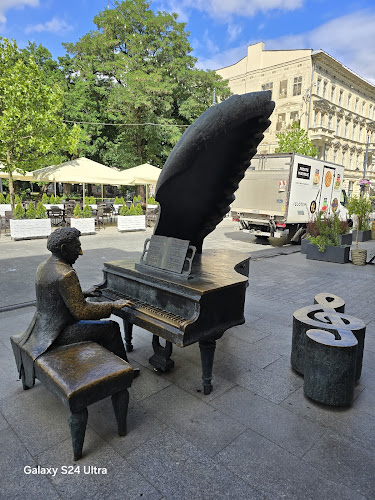
Rubinstein Piano
Find Accommodations Nearby
Recommended Tours & Activities
Visitor Reviews
There are no reviews yet. Be the first one to write one.
Share Your Experience
Have you visited Museum of Independence Traditions in Lodz? Help other travelers by leaving a review.