

Museum of Crimes Against Humanity and Genocide
About Museum of Crimes Against Humanity and Genocide
Description
There are museums that entertain, and then there are museums that make you stop, breathe, and truly feel. The Museum of Crimes Against Humanity and Genocide 1992–1995 in Sarajevo is one of those rare places that leaves a mark long after you’ve stepped outside. Opened in 2016 by survivors of the Bosnian War, this museum doesn’t shy away from the truth — it faces it head-on. It’s not an easy visit, and honestly, it’s not meant to be. But that’s exactly what makes it so important.
Walking through the museum feels like stepping into a living memory. You’ll see personal belongings of victims — letters, clothing, photographs — each telling a story that statistics never could. Multimedia exhibits play real footage and survivor testimonies that make the experience heartbreakingly real. There are even reconstructed scenes, like solitary confinement cells and mass grave sites, that give a visceral sense of the suffering endured. It’s heavy, yes, but it’s also deeply human. You walk out with a mix of sorrow, empathy, and a renewed appreciation for peace.
What I personally found most powerful was how the museum manages to balance pain with purpose. It’s not just about tragedy; it’s about resilience. The founders, many of whom lived through the war, wanted to create a place that would educate future generations — a reminder of what happens when humanity loses its way. And you can feel that mission in every corner of the exhibit. It’s not flashy or commercialized; it’s raw, honest, and deeply respectful. If you’re someone who travels to understand, not just to see, this museum will speak to you in ways few places can.
Key Features
- Authentic Artifacts: Personal items from victims and survivors that bring individual stories to life.
- Multimedia Exhibits: Videos, audio recordings, and interactive displays that immerse visitors in the history.
- Realistic Reconstructions: Detailed recreations of war scenes, including solitary confinement and mass graves, offering a chilling yet educational experience.
- Educational Focus: Designed to promote awareness, remembrance, and the importance of human rights.
- Survivor-Led Initiative: Founded and curated by people who experienced the conflict firsthand, giving the museum a rare authenticity.
- Central Location: Situated in the heart of Sarajevo, easily accessible from major landmarks and cultural spots.
- Emotional Impact: A space that encourages reflection, empathy, and deeper understanding of the Bosnian War’s legacy.
Best Time to Visit
Honestly, there’s no wrong time to visit the Museum of Crimes Against Humanity and Genocide. It’s an indoor experience, so weather isn’t really a factor. But if you’re planning a broader trip around Sarajevo, spring and autumn are ideal. The city itself feels calm and contemplative during these seasons — the perfect mood for visiting a place like this. I’d recommend going in the morning when it’s quieter. There’s something about walking through the exhibits before the crowds arrive that makes the experience more personal. You can take your time, read every note, and really absorb it all without feeling rushed.
Winter visits can be quite moving too. The gray skies and crisp air outside somehow mirror the somber tone of the museum, adding another layer to the experience. Just remember, this isn’t a place you “fit in” between sightseeing stops. Give yourself time afterward to decompress — maybe grab a coffee somewhere nearby and just sit with your thoughts for a bit.
How to Get There
The museum is located right in central Sarajevo, so getting there is pretty straightforward. If you’re staying near Baščaršija or the Latin Bridge area, you can easily walk — it’s only a few minutes away. The city’s tram and bus network is also convenient, with several stops nearby. Taxis are affordable in Sarajevo, and most drivers will know exactly where to take you if you mention the museum’s name.
For those driving, parking can be tricky since the area is busy and space is limited. It’s better to park a bit further out and walk in. The streets around the museum are narrow and lively, filled with small cafes and shops, so even the short walk there feels like part of the experience. And if you’re coming from outside Sarajevo, the train or bus station connects easily to the city center — from there, it’s a quick ride or a pleasant walk through the old town.
Tips for Visiting
Before you go, it’s worth preparing yourself mentally. This isn’t a lighthearted museum — it’s emotionally intense. But that’s what makes it so meaningful. Here are a few tips that might help you make the most of your visit:
- Take Your Time: Don’t rush through. Each exhibit tells a story, and it deserves your full attention. I spent over two hours there, and it still felt like I could’ve stayed longer.
- Go Early: The museum can get busy later in the day, especially during tourist season. Arriving early gives you space to reflect quietly.
- Bring Tissues: It might sound funny, but trust me — many visitors find themselves tearing up. The exhibits are that powerful.
- No Photos in Some Areas: Respect the rules. Some sections prohibit photography out of respect for victims and their families.
- Talk to the Staff: Many of them are incredibly knowledgeable and passionate about the museum’s mission. Some even have personal connections to the stories told inside.
- Accessibility: Unfortunately, the museum isn’t fully wheelchair accessible, so plan accordingly if mobility is a concern.
- After Your Visit: Take time to process. Maybe visit a nearby park or café. It helps to reflect on what you’ve seen in a calm environment.
And one more thing — be kind to yourself afterward. The museum’s content can be emotionally draining, but it’s also deeply inspiring. It reminds us of the strength of the human spirit and the importance of compassion. I remember leaving with a heavy heart, but also with a renewed sense of gratitude for peace and empathy for those who’ve suffered. If you’re the kind of traveler who values meaningful experiences over postcard moments, this museum will stay with you long after you’ve left Sarajevo.
In the end, the Museum of Crimes Against Humanity and Genocide isn’t just a place to visit — it’s a place to remember, to feel, and to learn. It challenges you, moves you, and, in its quiet way, changes you. And that’s exactly why it deserves a spot on your Sarajevo itinerary.
Key Features
- Key Features
- Best Time to Visit
- How to Get There
- Tips for Visiting
More Details
Updated October 8, 2025
Table of Contents
- Description
- Key Features
- Best Time to Visit
- How to Get There
- Tips for Visiting
- Key Highlights
- Location
- Places to Stay Near Museum of Crimes Against Humanity and Genocide
- Find and Book a Tour
- Explore More Travel Guides
- Nearby Places You Might Like
- Traveler Reviews for Museum of Crimes Against Humanity and Genocide
- Share Your Experience
Description
There are museums that entertain, and then there are museums that make you stop, breathe, and truly feel. The Museum of Crimes Against Humanity and Genocide 1992–1995 in Sarajevo is one of those rare places that leaves a mark long after you’ve stepped outside. Opened in 2016 by survivors of the Bosnian War, this museum doesn’t shy away from the truth — it faces it head-on. It’s not an easy visit, and honestly, it’s not meant to be. But that’s exactly what makes it so important.
Walking through the museum feels like stepping into a living memory. You’ll see personal belongings of victims — letters, clothing, photographs — each telling a story that statistics never could. Multimedia exhibits play real footage and survivor testimonies that make the experience heartbreakingly real. There are even reconstructed scenes, like solitary confinement cells and mass grave sites, that give a visceral sense of the suffering endured. It’s heavy, yes, but it’s also deeply human. You walk out with a mix of sorrow, empathy, and a renewed appreciation for peace.
What I personally found most powerful was how the museum manages to balance pain with purpose. It’s not just about tragedy; it’s about resilience. The founders, many of whom lived through the war, wanted to create a place that would educate future generations — a reminder of what happens when humanity loses its way. And you can feel that mission in every corner of the exhibit. It’s not flashy or commercialized; it’s raw, honest, and deeply respectful. If you’re someone who travels to understand, not just to see, this museum will speak to you in ways few places can.
Key Features
- Authentic Artifacts: Personal items from victims and survivors that bring individual stories to life.
- Multimedia Exhibits: Videos, audio recordings, and interactive displays that immerse visitors in the history.
- Realistic Reconstructions: Detailed recreations of war scenes, including solitary confinement and mass graves, offering a chilling yet educational experience.
- Educational Focus: Designed to promote awareness, remembrance, and the importance of human rights.
- Survivor-Led Initiative: Founded and curated by people who experienced the conflict firsthand, giving the museum a rare authenticity.
- Central Location: Situated in the heart of Sarajevo, easily accessible from major landmarks and cultural spots.
- Emotional Impact: A space that encourages reflection, empathy, and deeper understanding of the Bosnian War’s legacy.
Best Time to Visit
Honestly, there’s no wrong time to visit the Museum of Crimes Against Humanity and Genocide. It’s an indoor experience, so weather isn’t really a factor. But if you’re planning a broader trip around Sarajevo, spring and autumn are ideal. The city itself feels calm and contemplative during these seasons — the perfect mood for visiting a place like this. I’d recommend going in the morning when it’s quieter. There’s something about walking through the exhibits before the crowds arrive that makes the experience more personal. You can take your time, read every note, and really absorb it all without feeling rushed.
Winter visits can be quite moving too. The gray skies and crisp air outside somehow mirror the somber tone of the museum, adding another layer to the experience. Just remember, this isn’t a place you “fit in” between sightseeing stops. Give yourself time afterward to decompress — maybe grab a coffee somewhere nearby and just sit with your thoughts for a bit.
How to Get There
The museum is located right in central Sarajevo, so getting there is pretty straightforward. If you’re staying near Baščaršija or the Latin Bridge area, you can easily walk — it’s only a few minutes away. The city’s tram and bus network is also convenient, with several stops nearby. Taxis are affordable in Sarajevo, and most drivers will know exactly where to take you if you mention the museum’s name.
For those driving, parking can be tricky since the area is busy and space is limited. It’s better to park a bit further out and walk in. The streets around the museum are narrow and lively, filled with small cafes and shops, so even the short walk there feels like part of the experience. And if you’re coming from outside Sarajevo, the train or bus station connects easily to the city center — from there, it’s a quick ride or a pleasant walk through the old town.
Tips for Visiting
Before you go, it’s worth preparing yourself mentally. This isn’t a lighthearted museum — it’s emotionally intense. But that’s what makes it so meaningful. Here are a few tips that might help you make the most of your visit:
- Take Your Time: Don’t rush through. Each exhibit tells a story, and it deserves your full attention. I spent over two hours there, and it still felt like I could’ve stayed longer.
- Go Early: The museum can get busy later in the day, especially during tourist season. Arriving early gives you space to reflect quietly.
- Bring Tissues: It might sound funny, but trust me — many visitors find themselves tearing up. The exhibits are that powerful.
- No Photos in Some Areas: Respect the rules. Some sections prohibit photography out of respect for victims and their families.
- Talk to the Staff: Many of them are incredibly knowledgeable and passionate about the museum’s mission. Some even have personal connections to the stories told inside.
- Accessibility: Unfortunately, the museum isn’t fully wheelchair accessible, so plan accordingly if mobility is a concern.
- After Your Visit: Take time to process. Maybe visit a nearby park or café. It helps to reflect on what you’ve seen in a calm environment.
And one more thing — be kind to yourself afterward. The museum’s content can be emotionally draining, but it’s also deeply inspiring. It reminds us of the strength of the human spirit and the importance of compassion. I remember leaving with a heavy heart, but also with a renewed sense of gratitude for peace and empathy for those who’ve suffered. If you’re the kind of traveler who values meaningful experiences over postcard moments, this museum will stay with you long after you’ve left Sarajevo.
In the end, the Museum of Crimes Against Humanity and Genocide isn’t just a place to visit — it’s a place to remember, to feel, and to learn. It challenges you, moves you, and, in its quiet way, changes you. And that’s exactly why it deserves a spot on your Sarajevo itinerary.
Key Highlights
- Key Features
- Best Time to Visit
- How to Get There
- Tips for Visiting
Location
Places to Stay Near Museum of Crimes Against Humanity and Genocide
Find and Book a Tour
Explore More Travel Guides
No reviews found! Be the first to review!
Traveler Reviews for Museum of Crimes Against Humanity and Genocide
There are no reviews yet. Be the first one to write one.
Have you visited Museum of Crimes Against Humanity and Genocide? Help other travelers by sharing your review.
You Might Also Like

The National Museum of Bosnia and Herzegovina

Vječna vatra
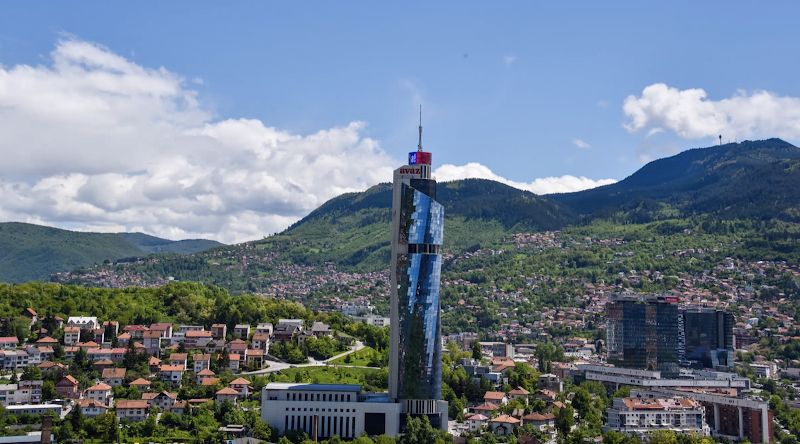
Avaz Twist Tower
Find Accommodations Nearby
Recommended Tours & Activities
Visitor Reviews
There are no reviews yet. Be the first one to write one.
Share Your Experience
Have you visited Museum of Crimes Against Humanity and Genocide? Help other travelers by leaving a review.