About Museum De Reede

Description

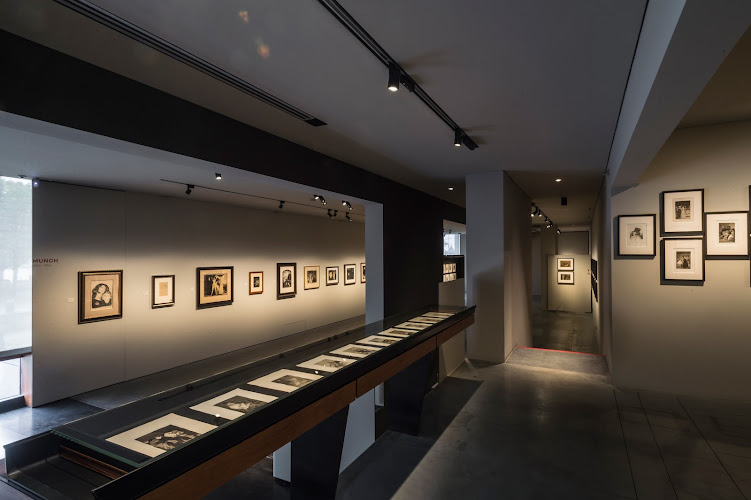
Museum De Reede stands as a relatively young addition to the art world, having opened its doors in 2017 with a focused mission that sets it apart from many traditional galleries. This specialized institution dedicates itself to the remarkable world of graphic arts, showcasing an impressive collection that spans centuries and styles. The museum has carved out a unique niche by presenting works from masters who pushed the boundaries of printmaking, etching, and lithography. Walking through these exhibition spaces, visitors encounter the haunting expressionism of Edvard Munch, whose prints reveal depths of emotion that somehow feel even more intimate than his paintings. There's something about seeing the technical mastery behind these graphic works that makes you appreciate the artist's vision in a completely different way. The collection also features Francisco Goya's powerful series of etchings that documented the horrors of war and social injustice with unflinching honesty. And then there's Félicien Rops, whose provocative imagery challenged Victorian sensibilities and continues to spark conversation today. What makes this museum particularly special is its commitment to showing how graphic arts evolved as both an artistic medium and a tool for social commentary. The curators have done an excellent job of contextualizing these works within their historical moments while demonstrating their continued relevance. I've always believed that graphic arts don't get the attention they deserve in the broader art world, and Museum De Reede helps correct that oversight by treating these works with the respect and scholarly attention they warrant. The building itself provides an intimate viewing experience that encourages close examination of the intricate details that make graphic arts so fascinating. Unlike massive institutions where you might feel overwhelmed by endless galleries, this museum offers a more contemplative pace that suits the medium perfectly.

Key Features

Museum De Reede offers several distinctive characteristics that enhance the visitor experience: • A specialized collection focusing exclusively on graphic arts from master printmakers, providing depth rather than breadth in its curatorial approach • Original works by Edvard Munch that showcase his innovative techniques in printmaking and his exploration of psychological themes through this medium • Francisco Goya's powerful etchings and aquatints that document both his technical brilliance and his commentary on human nature • Félicien Rops' controversial and thought-provoking prints that challenged 19th-century conventions • Rotating exhibitions that bring fresh perspectives to the permanent collection and introduce visitors to lesser-known graphic artists • Educational displays explaining various printmaking techniques, helping visitors understand the complex processes behind what they're viewing • Wheelchair accessible facilities throughout, including entrance and restrooms, making the museum welcoming to all visitors • Family-friendly environment where children can learn about different artistic techniques in an approachable setting • Free Wi-Fi access throughout the building for those who want to research artists or share their experience in real-time • Clean, well-maintained restroom facilities for visitor comfort • Intimate gallery spaces that encourage close viewing of the intricate details in graphic works • Knowledgeable staff who can answer questions about techniques, artists, and the historical context of the works on display

Best Time to Visit

Timing your visit to Museum De Reede can significantly impact your experience, and there's a few things worth considering before you head out. The museum tends to be quietest during weekday mornings, particularly on Tuesdays and Wednesdays. If you're someone who prefers contemplating art without crowds around you (and honestly, who doesn't when looking at detailed prints?), aim for opening time on these days. Weekend afternoons naturally draw more visitors, especially families, though the museum rarely becomes uncomfortably crowded. That said, Saturday mornings around 10 or 11 AM often bring school groups during the academic year, so keep that in mind if you're seeking a quieter atmosphere. Weather plays an interesting role here too. On rainy days, you'll find more people seeking indoor activities, but the museum's layout means it never feels overwhelmingly packed. Actually, there's something quite appropriate about viewing Munch's moody prints while rain patters against the windows. The museum occasionally hosts special exhibitions featuring contemporary graphic artists or thematic shows that complement the permanent collection. These exhibitions typically run for several months and can draw larger crowds, particularly during opening weeks. Check ahead to see what's showing – sometimes these temporary exhibitions are absolutely worth timing your visit around, even if it means dealing with a few more people. Holiday periods and school vacation weeks see increased family attendance. The museum handles this well with its kid-friendly approach, but if you're hoping for a meditative art experience, you might want to avoid these times. Spring and early autumn bring pleasant weather and moderate visitor numbers, making them ideal seasons for combining your museum visit with exploration of the surrounding area.

How to Get There

Getting to Museum De Reede requires a bit of planning, but the journey itself can be part of the adventure. The museum is located in an area well-connected by public transportation, which I'd honestly recommend over driving if you're comfortable with Dutch transit systems. By train, you'll want to arrive at the nearest station and then either walk or catch a local bus depending on your energy level and the weather. The walk takes roughly 15-20 minutes through residential neighborhoods that give you a genuine feel for local life. But if you're traveling with family or carrying bags, the bus runs regularly and drops you quite close to the entrance. For those driving, parking is available in the vicinity though it's not immediately adjacent to the museum. Like most places in the Netherlands, parking comes at a cost, so factor that into your budget. The upside is that the area isn't as congested as major city centers, so finding a spot is generally manageable. Cycling remains the quintessentially Dutch option, and if you're comfortable on a bike, it's actually a lovely way to arrive. Secure bike parking is available near the museum entrance. There's something satisfying about experiencing art after a bike ride – maybe it's the endorphins, but colors seem brighter and details sharper. Taxi services and ride-sharing apps work well in this area if you prefer door-to-door convenience. The cost is reasonable for groups splitting the fare, and it eliminates navigation stress if you're unfamiliar with the region. International visitors flying in will typically route through Amsterdam and then take regional transportation to reach the museum. The journey adds to your Dutch experience, taking you beyond tourist-heavy areas into more authentic neighborhoods.

Tips for Visiting

Making the most of your Museum De Reede experience comes down to preparation and mindset. First off, give yourself more time than you think you'll need. Graphic arts demand close viewing – you'll want to examine the line work, the texture of different printing techniques, and the subtle details that photographs simply can't capture. Rushing through defeats the purpose. Bring reading glasses if you need them for close-up work. Seriously, this isn't the place to forget them in your hotel room. The intricate details in these prints are where the magic happens, and squinting at them from a distance means you're missing half the experience. The museum provides information cards and wall texts in multiple languages, but they're worth reading carefully. Understanding the technical process behind what you're viewing adds another layer of appreciation. Don't skip these just because you're eager to move to the next piece. Photography policies vary for different exhibitions, so check at the entrance. When photos are allowed, remember that flash can damage artwork. Plus, honestly, you'll get better memories from actually looking at the art than from scrolling through mediocre phone photos later. Wear comfortable shoes even though the museum isn't enormous. Standing and moving slowly through galleries is surprisingly tiring, and sore feet will cut your visit short. Speaking from experience here after making that mistake at too many museums. If you're visiting with children, the museum's family-friendly approach means kids are genuinely welcome, not just tolerated. Still, prepare them beforehand about indoor voices and not touching the artwork. Some of Munch's more emotionally intense works might prompt questions from curious kids, so be ready for conversations about feelings and artistic expression. Take advantage of the Wi-Fi to look up unfamiliar artists or techniques while you're viewing. There's no shame in enhancing your knowledge in real-time – it actually makes the experience more interactive and memorable. Plan for the restroom location when you arrive so you're not desperately hunting for it later. The accessible facilities mean everyone can navigate comfortably, but knowing where things are just makes life easier. Consider visiting the museum as part of a broader day trip to the region rather than making it your sole destination. The surrounding area offers other attractions and dining options that complement an art-focused outing. Finally, don't feel obligated to see everything if you find certain artists or periods particularly captivating. Museum fatigue is real, and spending quality time with fewer works beats racing through everything at surface level. The beauty of a specialized museum like De Reede is that it's perfectly sized for focusing on what truly interests you without guilt about skipping entire wings.

Key Features

  • Specialized collection focused exclusively on graphic arts and works on paper
  • Rotating thematic exhibitions showcasing historic and contemporary printmakers
  • Intimate gallery spaces enabling close, detailed viewing of prints and etchings
  • Historic building on Ernest Van Dijckkaai near the Scheldt riverfront
  • Educational programming and well-curated displays emphasizing technique

More Details

Updated March 30, 2026

Description

Museum De Reede stands as a relatively young addition to the art world, having opened its doors in 2017 with a focused mission that sets it apart from many traditional galleries. This specialized institution dedicates itself to the remarkable world of graphic arts, showcasing an impressive collection that spans centuries and styles. The museum has carved out a unique niche by presenting works from masters who pushed the boundaries of printmaking, etching, and lithography.

Walking through these exhibition spaces, visitors encounter the haunting expressionism of Edvard Munch, whose prints reveal depths of emotion that somehow feel even more intimate than his paintings. There’s something about seeing the technical mastery behind these graphic works that makes you appreciate the artist’s vision in a completely different way. The collection also features Francisco Goya’s powerful series of etchings that documented the horrors of war and social injustice with unflinching honesty. And then there’s Félicien Rops, whose provocative imagery challenged Victorian sensibilities and continues to spark conversation today.

What makes this museum particularly special is its commitment to showing how graphic arts evolved as both an artistic medium and a tool for social commentary. The curators have done an excellent job of contextualizing these works within their historical moments while demonstrating their continued relevance. I’ve always believed that graphic arts don’t get the attention they deserve in the broader art world, and Museum De Reede helps correct that oversight by treating these works with the respect and scholarly attention they warrant.

The building itself provides an intimate viewing experience that encourages close examination of the intricate details that make graphic arts so fascinating. Unlike massive institutions where you might feel overwhelmed by endless galleries, this museum offers a more contemplative pace that suits the medium perfectly.

Key Features

Museum De Reede offers several distinctive characteristics that enhance the visitor experience:

• A specialized collection focusing exclusively on graphic arts from master printmakers, providing depth rather than breadth in its curatorial approach

• Original works by Edvard Munch that showcase his innovative techniques in printmaking and his exploration of psychological themes through this medium

• Francisco Goya’s powerful etchings and aquatints that document both his technical brilliance and his commentary on human nature

• Félicien Rops’ controversial and thought-provoking prints that challenged 19th-century conventions

• Rotating exhibitions that bring fresh perspectives to the permanent collection and introduce visitors to lesser-known graphic artists

• Educational displays explaining various printmaking techniques, helping visitors understand the complex processes behind what they’re viewing

• Wheelchair accessible facilities throughout, including entrance and restrooms, making the museum welcoming to all visitors

• Family-friendly environment where children can learn about different artistic techniques in an approachable setting

• Free Wi-Fi access throughout the building for those who want to research artists or share their experience in real-time

• Clean, well-maintained restroom facilities for visitor comfort

• Intimate gallery spaces that encourage close viewing of the intricate details in graphic works

• Knowledgeable staff who can answer questions about techniques, artists, and the historical context of the works on display

Best Time to Visit

Timing your visit to Museum De Reede can significantly impact your experience, and there’s a few things worth considering before you head out. The museum tends to be quietest during weekday mornings, particularly on Tuesdays and Wednesdays. If you’re someone who prefers contemplating art without crowds around you (and honestly, who doesn’t when looking at detailed prints?), aim for opening time on these days.

Weekend afternoons naturally draw more visitors, especially families, though the museum rarely becomes uncomfortably crowded. That said, Saturday mornings around 10 or 11 AM often bring school groups during the academic year, so keep that in mind if you’re seeking a quieter atmosphere.

Weather plays an interesting role here too. On rainy days, you’ll find more people seeking indoor activities, but the museum’s layout means it never feels overwhelmingly packed. Actually, there’s something quite appropriate about viewing Munch’s moody prints while rain patters against the windows.

The museum occasionally hosts special exhibitions featuring contemporary graphic artists or thematic shows that complement the permanent collection. These exhibitions typically run for several months and can draw larger crowds, particularly during opening weeks. Check ahead to see what’s showing – sometimes these temporary exhibitions are absolutely worth timing your visit around, even if it means dealing with a few more people.

Holiday periods and school vacation weeks see increased family attendance. The museum handles this well with its kid-friendly approach, but if you’re hoping for a meditative art experience, you might want to avoid these times. Spring and early autumn bring pleasant weather and moderate visitor numbers, making them ideal seasons for combining your museum visit with exploration of the surrounding area.

How to Get There

Getting to Museum De Reede requires a bit of planning, but the journey itself can be part of the adventure. The museum is located in an area well-connected by public transportation, which I’d honestly recommend over driving if you’re comfortable with Dutch transit systems.

By train, you’ll want to arrive at the nearest station and then either walk or catch a local bus depending on your energy level and the weather. The walk takes roughly 15-20 minutes through residential neighborhoods that give you a genuine feel for local life. But if you’re traveling with family or carrying bags, the bus runs regularly and drops you quite close to the entrance.

For those driving, parking is available in the vicinity though it’s not immediately adjacent to the museum. Like most places in the Netherlands, parking comes at a cost, so factor that into your budget. The upside is that the area isn’t as congested as major city centers, so finding a spot is generally manageable.

Cycling remains the quintessentially Dutch option, and if you’re comfortable on a bike, it’s actually a lovely way to arrive. Secure bike parking is available near the museum entrance. There’s something satisfying about experiencing art after a bike ride – maybe it’s the endorphins, but colors seem brighter and details sharper.

Taxi services and ride-sharing apps work well in this area if you prefer door-to-door convenience. The cost is reasonable for groups splitting the fare, and it eliminates navigation stress if you’re unfamiliar with the region.

International visitors flying in will typically route through Amsterdam and then take regional transportation to reach the museum. The journey adds to your Dutch experience, taking you beyond tourist-heavy areas into more authentic neighborhoods.

Tips for Visiting

Making the most of your Museum De Reede experience comes down to preparation and mindset. First off, give yourself more time than you think you’ll need. Graphic arts demand close viewing – you’ll want to examine the line work, the texture of different printing techniques, and the subtle details that photographs simply can’t capture. Rushing through defeats the purpose.

Bring reading glasses if you need them for close-up work. Seriously, this isn’t the place to forget them in your hotel room. The intricate details in these prints are where the magic happens, and squinting at them from a distance means you’re missing half the experience.

The museum provides information cards and wall texts in multiple languages, but they’re worth reading carefully. Understanding the technical process behind what you’re viewing adds another layer of appreciation. Don’t skip these just because you’re eager to move to the next piece.

Photography policies vary for different exhibitions, so check at the entrance. When photos are allowed, remember that flash can damage artwork. Plus, honestly, you’ll get better memories from actually looking at the art than from scrolling through mediocre phone photos later.

Wear comfortable shoes even though the museum isn’t enormous. Standing and moving slowly through galleries is surprisingly tiring, and sore feet will cut your visit short. Speaking from experience here after making that mistake at too many museums.

If you’re visiting with children, the museum’s family-friendly approach means kids are genuinely welcome, not just tolerated. Still, prepare them beforehand about indoor voices and not touching the artwork. Some of Munch’s more emotionally intense works might prompt questions from curious kids, so be ready for conversations about feelings and artistic expression.

Take advantage of the Wi-Fi to look up unfamiliar artists or techniques while you’re viewing. There’s no shame in enhancing your knowledge in real-time – it actually makes the experience more interactive and memorable.

Plan for the restroom location when you arrive so you’re not desperately hunting for it later. The accessible facilities mean everyone can navigate comfortably, but knowing where things are just makes life easier.

Consider visiting the museum as part of a broader day trip to the region rather than making it your sole destination. The surrounding area offers other attractions and dining options that complement an art-focused outing.

Finally, don’t feel obligated to see everything if you find certain artists or periods particularly captivating. Museum fatigue is real, and spending quality time with fewer works beats racing through everything at surface level. The beauty of a specialized museum like De Reede is that it’s perfectly sized for focusing on what truly interests you without guilt about skipping entire wings.

Key Highlights

  • Specialized collection focused exclusively on graphic arts and works on paper
  • Rotating thematic exhibitions showcasing historic and contemporary printmakers
  • Intimate gallery spaces enabling close, detailed viewing of prints and etchings
  • Historic building on Ernest Van Dijckkaai near the Scheldt riverfront
  • Educational programming and well-curated displays emphasizing technique

Location

Places to Stay Near Museum De Reede

Find and Book a Tour

Explore More Travel Guides

No reviews found! Be the first to review!

Museum De Reede is a prominent museums located in Antwerp.

Visit us at: Ernest Van Dijckkaai 7, 2000 Antwerpen, Belgium.

Traveler Reviews for Museum De Reede

There are no reviews yet. Be the first one to write one.

Share Your Experience

Have you visited Museum De Reede? Help other travelers by sharing your review.

Nearby Attractions

Scheldt riverfront and promenade Historic center of Antwerp (old town walking area) Local cafés and galleries along Ernest Van Dijckkaai

Find Accommodations Nearby

Recommended Tours & Activities

Visitor Reviews

There are no reviews yet. Be the first one to write one.

Share Your Experience

Have you visited Museum De Reede? Help other travelers by leaving a review.