Het Steen
About Het Steen
Description
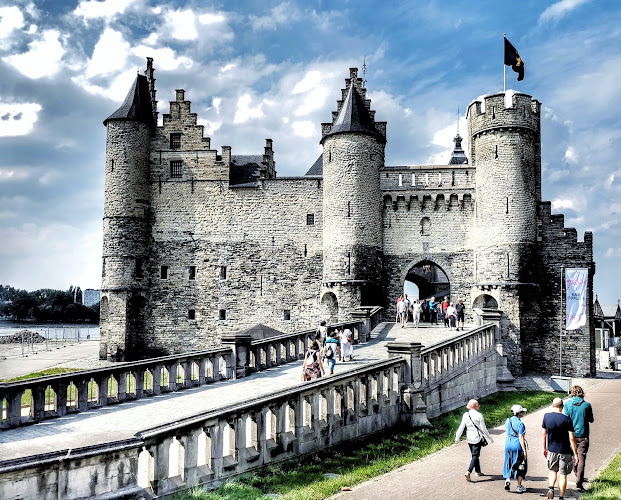
Standing proud along the Scheldt River in Antwerp's bustling center, Het Steen represents more than just another medieval fortress—it's literally the oldest building in the entire city. And honestly, when you first lay eyes on this stone giant, you can't help but feel the weight of centuries pressing down on you in the best possible way. Built around 1200 (though some parts might be even older, historians still argue about this), Het Steen has lived more lives than most structures could dream of. Originally constructed as part of Antwerp's defensive system, this fortress has been a prison, a warehouse, a lumber yard, and even a fish market at various points in its long existence. The name itself translates to "The Stone Castle," which might sound simple, but back when most buildings were made of wood, being constructed from stone was actually a pretty big deal. What makes Het Steen particularly special is how it's managed to survive everything thrown at it—wars, fires, urban development plans that wanted to tear it down, and the general passage of time. Walking around its weathered walls, you're literally touching history that predates most European landmarks people flock to see. The fortress went through major reconstructions over the centuries, particularly in the 16th century when Charles V beefed up Antwerp's defenses, but the medieval bones remain intact. Today, Het Steen serves as a gateway to understanding Antwerp's maritime heritage and medieval past. The building houses exhibitions that tell the story of the city's relationship with the Scheldt River, and trust me, this isn't your typical boring museum experience. The fortress itself is the star attraction, with its massive stone walls and strategic position offering incredible views of the river traffic that still defines Antwerp's character.Key Features
Standing in front of Het Steen, several elements immediately grab your attention:- Medieval Architecture: The fortress showcases authentic medieval construction techniques with its thick stone walls, narrow windows, and defensive positioning that made it nearly impregnable in its heyday
- Lange Wapper Statue: At the entrance, you'll find a statue of this legendary Antwerp giant who supposedly terrorized the city's residents centuries ago—it's become an iconic photo spot that most visitors don't want to miss
- Riverfront Location: The position right along the Scheldt gives you unparalleled views of modern river traffic mixing with historic surroundings, creating this interesting juxtaposition of old and new
- Interior Exhibitions: The museum spaces inside focus on Antwerp's maritime history, with displays about shipping, trade, and the city's evolution as a major European port
- Accessible Design: Despite being a medieval fortress, the site has been adapted with wheelchair-accessible entrances, making it more inclusive than many historic buildings of its age
- Family-Friendly Spaces: The outdoor areas around Het Steen provide great spots for kids to explore while parents soak in the history—it's genuinely designed with families in mind
- Photography Opportunities: Every angle of this fortress offers different perspectives, from the imposing front facade to the river-side views that capture both medieval stonework and modern city life
Best Time to Visit
Timing your visit to Het Steen can really make or break the experience, and I've learned this the hard way after visiting historical sites across Europe at completely wrong times. Spring (April through June) stands out as probably the ideal window. The weather's cooperative without being too hot, and the riverside promenade comes alive with locals and tourists enjoying the sunshine. You'll find the fortress less crowded than summer months, which means actually getting decent photos without strangers photobombing every shot. Plus, the longer daylight hours give you flexibility in planning your visit around other Antwerp attractions. Summer (July and August) brings the biggest crowds, which is both good and bad. Good because the atmosphere around Het Steen becomes quite lively with street performers and outdoor events often happening nearby. Bad because you might be fighting through tour groups to see exhibits, and let's be honest, medieval stone buildings aren't exactly known for their air conditioning. But if summer's your only option, aim for early morning visits around 9-10 AM or later afternoon around 4-5 PM when day-trippers have moved on. Fall (September through November) offers something special—the changing leaves along the riverbank create this beautiful backdrop for the grey stone fortress. The crowds thin out significantly after school starts, and you get this more contemplative atmosphere that suits a medieval fortress perfectly. Just bring a jacket because that river wind can cut right through you. Winter visits have their own charm, though I'll admit it's not for everyone. The fortress looks particularly imposing against grey winter skies, and if you're lucky enough to visit during a rare snowfall, the scene becomes absolutely magical. However, be prepared for shorter opening hours and potentially closed outdoor areas. The Christmas season brings special decorations and events to the area, which can be lovely if you don't mind the holiday crowds. Weekdays typically offer better experiences than weekends regardless of season. And here's a tip most guides won't tell you—overcast days actually make for better photography of Het Steen than bright sunny ones because the stone architecture doesn't get washed out by harsh shadows.How to Get There
Getting to Het Steen is refreshingly straightforward, especially compared to some European attractions that seem deliberately hidden from tourists. By public transport, you've got several solid options. The Antwerp Central Station—itself an architectural masterpiece worth seeing—sits about 20 minutes away by foot. And what a walk it is, taking you through the heart of Antwerp's shopping district and giving you a real feel for the city. If walking isn't your thing, trams 3, 5, and 15 all stop within a few minutes of Het Steen. The Groenplaats tram stop is your best bet, leaving you with just a short stroll to the fortress. For those staying outside Antwerp, the city's excellent train connections make day trips totally feasible. Trains from Brussels take under an hour, and once you arrive at Central Station, you're practically there. The Belgian rail system is reliable (most of the time), and honestly, it beats dealing with parking in a medieval city center that wasn't designed for cars. Speaking of cars—yes, you can drive, but should you? The area around Het Steen has paid parking lots nearby, but spaces fill up quickly, especially on weekends. The fortress sits in a zone where parking restrictions are strictly enforced, and those tickets aren't cheap. If you're already driving through Belgium, consider parking at one of the park-and-ride facilities on Antwerp's outskirts and taking public transport in. Cycling is huge in Belgium, and Antwerp's relatively flat terrain makes it accessible even for casual riders. The city has bike rental systems, and there are dedicated cycling paths that'll take you right to the riverfront. Plus, you can lock up near Het Steen without the stress of car parking. From the airport, a direct train to Central Station runs regularly, and from there you've got those tram options or the pleasant walk I mentioned earlier.Tips for Visiting
After seeing how people visit Het Steen (and making some mistakes myself during my first visit), here are some genuinely useful tips that'll improve your experience. Don't just look at the fortress from the street-facing side and call it done—walk around to the river side where you get completely different perspectives and way better photos. Most tourists miss this, and it's honestly where the building looks most impressive. Combine your Het Steen visit with a walk along the Scheldt promenade. The fortress serves as an excellent starting point for exploring Antwerp's waterfront, and you'll pass cafes, more historic buildings, and get a real sense of why the river matters so much to this city's identity. Check what exhibitions are currently showing before you visit. Het Steen rotates its displays, and some are definitely more interesting than others. The maritime-focused exhibitions tend to be the most engaging, especially if you've got any interest in how European trade evolved. Bring layers regardless of season. That river wind I mentioned earlier? It's no joke, and the stone walls don't provide much shelter. I've seen too many underdressed tourists shivering their way through visits. If you're visiting with kids, let them explore a bit. The fortress layout naturally contains children while giving them space to use their imagination about medieval life. It's actually one of those rare historic sites where kids seem genuinely engaged rather than bored. Don't expect an all-day attraction here—Het Steen is more of a 1-2 hour stop depending on your interest level. Plan accordingly and pair it with other nearby attractions like the Cathedral of Our Lady or the Grote Markt. Photography works best in softer light, so those golden hour times (early morning or late afternoon) really make the stonework glow. The fortress faces different directions, so scout your angles if you're serious about getting great shots. Watch out for events being held in the area. Sometimes Het Steen's surroundings host festivals or markets that can enhance your visit, but they can also mean bigger crowds and restricted access to certain viewpoints. The paid parking lot fills up by mid-morning on weekends—if you're driving, arrive early or be prepared to park further away and walk. Actually read some of the informational plaques around the fortress. They're well-written and provide context that transforms Het Steen from "just another old building" into a genuine window into Antwerp's past. Too many visitors snap photos and move on without understanding what they're looking at. Consider visiting during one of the guided tour times if you want deeper historical context. The stories about Het Steen's various uses throughout history are fascinating when told by someone who really knows their stuff.Key Features
- Medieval gatehouse architecture dating to c.1200–1225
- Riverside location with views over the Scheldt
- The Antwerp Story visitor centre and historical exhibits
- Restored exterior and accessible ramparts for walks and photos
- Close connection to Antwerp’s port and historic quay atmosphere
More Details
Updated March 30, 2026
Table of Contents
Description
Standing proud along the Scheldt River in Antwerp’s bustling center, Het Steen represents more than just another medieval fortress—it’s literally the oldest building in the entire city. And honestly, when you first lay eyes on this stone giant, you can’t help but feel the weight of centuries pressing down on you in the best possible way.
Built around 1200 (though some parts might be even older, historians still argue about this), Het Steen has lived more lives than most structures could dream of. Originally constructed as part of Antwerp’s defensive system, this fortress has been a prison, a warehouse, a lumber yard, and even a fish market at various points in its long existence. The name itself translates to “The Stone Castle,” which might sound simple, but back when most buildings were made of wood, being constructed from stone was actually a pretty big deal.
What makes Het Steen particularly special is how it’s managed to survive everything thrown at it—wars, fires, urban development plans that wanted to tear it down, and the general passage of time. Walking around its weathered walls, you’re literally touching history that predates most European landmarks people flock to see. The fortress went through major reconstructions over the centuries, particularly in the 16th century when Charles V beefed up Antwerp’s defenses, but the medieval bones remain intact.
Today, Het Steen serves as a gateway to understanding Antwerp’s maritime heritage and medieval past. The building houses exhibitions that tell the story of the city’s relationship with the Scheldt River, and trust me, this isn’t your typical boring museum experience. The fortress itself is the star attraction, with its massive stone walls and strategic position offering incredible views of the river traffic that still defines Antwerp’s character.
Key Features
Standing in front of Het Steen, several elements immediately grab your attention:
- Medieval Architecture: The fortress showcases authentic medieval construction techniques with its thick stone walls, narrow windows, and defensive positioning that made it nearly impregnable in its heyday
- Lange Wapper Statue: At the entrance, you’ll find a statue of this legendary Antwerp giant who supposedly terrorized the city’s residents centuries ago—it’s become an iconic photo spot that most visitors don’t want to miss
- Riverfront Location: The position right along the Scheldt gives you unparalleled views of modern river traffic mixing with historic surroundings, creating this interesting juxtaposition of old and new
- Interior Exhibitions: The museum spaces inside focus on Antwerp’s maritime history, with displays about shipping, trade, and the city’s evolution as a major European port
- Accessible Design: Despite being a medieval fortress, the site has been adapted with wheelchair-accessible entrances, making it more inclusive than many historic buildings of its age
- Family-Friendly Spaces: The outdoor areas around Het Steen provide great spots for kids to explore while parents soak in the history—it’s genuinely designed with families in mind
- Photography Opportunities: Every angle of this fortress offers different perspectives, from the imposing front facade to the river-side views that capture both medieval stonework and modern city life
Best Time to Visit
Timing your visit to Het Steen can really make or break the experience, and I’ve learned this the hard way after visiting historical sites across Europe at completely wrong times.
Spring (April through June) stands out as probably the ideal window. The weather’s cooperative without being too hot, and the riverside promenade comes alive with locals and tourists enjoying the sunshine. You’ll find the fortress less crowded than summer months, which means actually getting decent photos without strangers photobombing every shot. Plus, the longer daylight hours give you flexibility in planning your visit around other Antwerp attractions.
Summer (July and August) brings the biggest crowds, which is both good and bad. Good because the atmosphere around Het Steen becomes quite lively with street performers and outdoor events often happening nearby. Bad because you might be fighting through tour groups to see exhibits, and let’s be honest, medieval stone buildings aren’t exactly known for their air conditioning. But if summer’s your only option, aim for early morning visits around 9-10 AM or later afternoon around 4-5 PM when day-trippers have moved on.
Fall (September through November) offers something special—the changing leaves along the riverbank create this beautiful backdrop for the grey stone fortress. The crowds thin out significantly after school starts, and you get this more contemplative atmosphere that suits a medieval fortress perfectly. Just bring a jacket because that river wind can cut right through you.
Winter visits have their own charm, though I’ll admit it’s not for everyone. The fortress looks particularly imposing against grey winter skies, and if you’re lucky enough to visit during a rare snowfall, the scene becomes absolutely magical. However, be prepared for shorter opening hours and potentially closed outdoor areas. The Christmas season brings special decorations and events to the area, which can be lovely if you don’t mind the holiday crowds.
Weekdays typically offer better experiences than weekends regardless of season. And here’s a tip most guides won’t tell you—overcast days actually make for better photography of Het Steen than bright sunny ones because the stone architecture doesn’t get washed out by harsh shadows.
How to Get There
Getting to Het Steen is refreshingly straightforward, especially compared to some European attractions that seem deliberately hidden from tourists.
By public transport, you’ve got several solid options. The Antwerp Central Station—itself an architectural masterpiece worth seeing—sits about 20 minutes away by foot. And what a walk it is, taking you through the heart of Antwerp’s shopping district and giving you a real feel for the city. If walking isn’t your thing, trams 3, 5, and 15 all stop within a few minutes of Het Steen. The Groenplaats tram stop is your best bet, leaving you with just a short stroll to the fortress.
For those staying outside Antwerp, the city’s excellent train connections make day trips totally feasible. Trains from Brussels take under an hour, and once you arrive at Central Station, you’re practically there. The Belgian rail system is reliable (most of the time), and honestly, it beats dealing with parking in a medieval city center that wasn’t designed for cars.
Speaking of cars—yes, you can drive, but should you? The area around Het Steen has paid parking lots nearby, but spaces fill up quickly, especially on weekends. The fortress sits in a zone where parking restrictions are strictly enforced, and those tickets aren’t cheap. If you’re already driving through Belgium, consider parking at one of the park-and-ride facilities on Antwerp’s outskirts and taking public transport in.
Cycling is huge in Belgium, and Antwerp’s relatively flat terrain makes it accessible even for casual riders. The city has bike rental systems, and there are dedicated cycling paths that’ll take you right to the riverfront. Plus, you can lock up near Het Steen without the stress of car parking.
From the airport, a direct train to Central Station runs regularly, and from there you’ve got those tram options or the pleasant walk I mentioned earlier.
Tips for Visiting
After seeing how people visit Het Steen (and making some mistakes myself during my first visit), here are some genuinely useful tips that’ll improve your experience.
Don’t just look at the fortress from the street-facing side and call it done—walk around to the river side where you get completely different perspectives and way better photos. Most tourists miss this, and it’s honestly where the building looks most impressive.
Combine your Het Steen visit with a walk along the Scheldt promenade. The fortress serves as an excellent starting point for exploring Antwerp’s waterfront, and you’ll pass cafes, more historic buildings, and get a real sense of why the river matters so much to this city’s identity.
Check what exhibitions are currently showing before you visit. Het Steen rotates its displays, and some are definitely more interesting than others. The maritime-focused exhibitions tend to be the most engaging, especially if you’ve got any interest in how European trade evolved.
Bring layers regardless of season. That river wind I mentioned earlier? It’s no joke, and the stone walls don’t provide much shelter. I’ve seen too many underdressed tourists shivering their way through visits.
If you’re visiting with kids, let them explore a bit. The fortress layout naturally contains children while giving them space to use their imagination about medieval life. It’s actually one of those rare historic sites where kids seem genuinely engaged rather than bored.
Don’t expect an all-day attraction here—Het Steen is more of a 1-2 hour stop depending on your interest level. Plan accordingly and pair it with other nearby attractions like the Cathedral of Our Lady or the Grote Markt.
Photography works best in softer light, so those golden hour times (early morning or late afternoon) really make the stonework glow. The fortress faces different directions, so scout your angles if you’re serious about getting great shots.
Watch out for events being held in the area. Sometimes Het Steen’s surroundings host festivals or markets that can enhance your visit, but they can also mean bigger crowds and restricted access to certain viewpoints.
The paid parking lot fills up by mid-morning on weekends—if you’re driving, arrive early or be prepared to park further away and walk.
Actually read some of the informational plaques around the fortress. They’re well-written and provide context that transforms Het Steen from “just another old building” into a genuine window into Antwerp’s past. Too many visitors snap photos and move on without understanding what they’re looking at.
Consider visiting during one of the guided tour times if you want deeper historical context. The stories about Het Steen’s various uses throughout history are fascinating when told by someone who really knows their stuff.
Key Highlights
- Medieval gatehouse architecture dating to c.1200–1225
- Riverside location with views over the Scheldt
- The Antwerp Story visitor centre and historical exhibits
- Restored exterior and accessible ramparts for walks and photos
- Close connection to Antwerp’s port and historic quay atmosphere
Location
Places to Stay Near Het Steen
Find and Book a Tour
Explore More Travel Guides
No reviews found! Be the first to review!
Het Steen is a prominent attractions located in Antwerp.
Visit us at: Steenplein 1, 2000 Antwerpen, Belgium.
Traveler Reviews for Het Steen
There are no reviews yet. Be the first one to write one.
Have you visited Het Steen? Help other travelers by sharing your review.
Nearby Attractions
Find Accommodations Nearby
Recommended Tours & Activities
Visitor Reviews
There are no reviews yet. Be the first one to write one.
Share Your Experience
Have you visited Het Steen? Help other travelers by leaving a review.
