
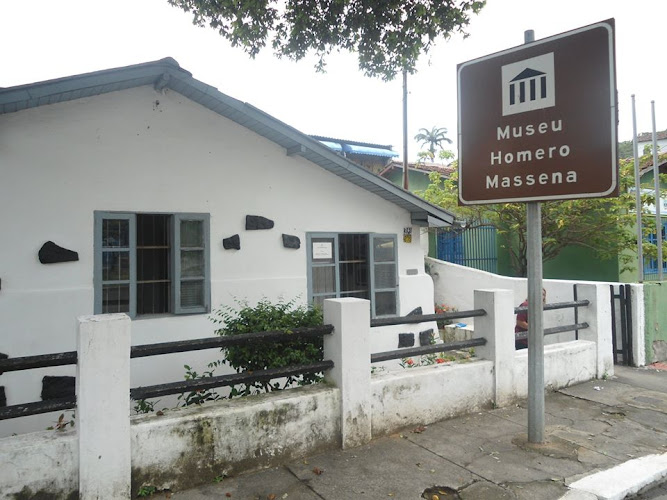
Museu Homero Massena
About Museu Homero Massena
Description
The Museu Homero Massena offers travelers a rare glimpse into the creative world of one of Brazil's most celebrated painters. This charming house museum preserves the legacy of Homero Massena, whose artistic contributions shaped regional art movements throughout the 20th century. When you step through the doors of this intimate cultural space, you're not just viewing paintings on walls—you're entering the actual environment where an artist lived, breathed, and created masterpieces that continue to resonate with art lovers today. What makes this museum genuinely special is its authenticity. Unlike sprawling institutions that can feel impersonal and overwhelming, this space maintains the warmth of a private residence. The collection showcases Massena's progression as an artist, from his early experimental phases to his mature works that earned him recognition across South America. And here's something most visitors don't expect: you'll find unfinished pieces still resting on easels, as if the artist just stepped away for a moment. These incomplete works provide an extraordinary window into his creative process, showing the layers, corrections, and evolution that typically remain hidden in finished masterpieces. I've always believed that the best museums tell stories rather than just display objects, and this place does exactly that. The curators have done an excellent job of contextualizing Massena's work within his personal life and the broader artistic movements of his time. You'll discover how his style evolved in response to both personal experiences and the changing cultural landscape around him.Key Features
The Museu Homero Massena distinguishes itself through several compelling characteristics that make it worth adding to your travel itinerary:- Original house setting that maintains the authentic atmosphere where Massena actually worked and lived
- Extensive collection of finished paintings spanning multiple decades of the artist's career
- Rare display of unfinished works that reveal fascinating insights into artistic techniques and creative decision-making
- Intimate viewing environment that allows for close examination of brushwork and artistic details
- Wheelchair accessible entrance and restrooms, making the museum welcoming for all visitors
- Family-friendly environment suitable for introducing children to fine art in a non-intimidating setting
- Clean, well-maintained restroom facilities for visitor convenience
- Knowledgeable staff who can provide context and answer questions about specific works
- Rotating exhibitions that complement the permanent collection with works by contemporary artists influenced by Massena
- Quiet, contemplative atmosphere that encourages genuine engagement with the artwork rather than rushing through galleries
Best Time to Visit
Timing your visit to the Museu Homero Massena can significantly enhance your experience. The museum tends to be quietest on weekday mornings, particularly Tuesday through Thursday. If you appreciate having artworks nearly to yourself—and who doesn't?—aim for arriving shortly after opening on these days. You'll have space to really sit with the paintings, notice details, and reflect without crowds pressing behind you. Weekends naturally draw more visitors, especially local families, but the museum rarely feels overcrowded due to its modest size. Saturday afternoons can get busier, though nothing compared to major metropolitan museums where you're elbowing through masses of tourists. The region's climate plays a role in planning too. The cooler months provide more comfortable exploration since the historic building maintains period authenticity rather than modern climate control throughout. Spring and autumn offer particularly pleasant conditions for your visit, with mild temperatures that make the walk to and from the museum enjoyable as well. Consider avoiding the first Sunday of the month if possible. Many cultural institutions offer free or reduced admission on these days, which sounds great but often results in larger crowds that can diminish the intimate experience this museum does so well. The regular admission fee isn't steep anyway, and you'll likely appreciate the quieter environment. If you're planning to visit multiple cultural sites in the area, research whether there are any local festival periods or holiday weekends that might affect operating hours or crowd levels. The museum occasionally hosts special events or temporary exhibitions that can make certain dates especially worthwhile—or conversely, more crowded than usual. Morning light streaming through the windows creates beautiful natural illumination for viewing the paintings, particularly those displayed in rooms with period furnishings. There's something almost magical about seeing artwork in conditions similar to how the artist himself would have viewed them during his lifetime.How to Get There
Reaching the Museu Homero Massena requires a bit of planning, but it's entirely manageable for travelers with various mobility options. The museum's location in a residential area means you'll get a genuine feel for local neighborhoods rather than just tourist zones. For those relying on public transportation, local bus routes serve the surrounding area reasonably well. Check current route maps and schedules at your accommodation, as service frequency can vary depending on the day of week. The walk from the nearest bus stop takes roughly 8-10 minutes through pleasant streets that give you a sense of everyday life in the community. Taxi and ride-sharing services offer the most convenient option, particularly if you're combining your museum visit with other destinations in a single day. Drivers in the area are generally familiar with the museum's location. Just make sure your driver knows you're heading to the Homero Massena museum specifically, as there are other cultural attractions in the broader region that could cause confusion. If you're driving yourself, parking can be found on nearby streets, though spaces sometimes require a bit of patience during busier periods. The residential nature of the neighborhood means you'll be parking alongside local residents, so be mindful of any posted restrictions and respect the community. The museum's wheelchair accessible entrance makes arrival straightforward for visitors with mobility devices once you've reached the building. Walking to the museum from central tourist areas is feasible if you enjoy exploring on foot and have comfortable shoes. The route takes you through neighborhoods that most guidebooks skip, offering authentic glimpses of local architecture and daily life. I've always found that these unplanned observations during the journey often become as memorable as the destination itself. Consider downloading an offline map on your phone before setting out, since GPS can occasionally be temperamental in residential areas. Having a backup navigation method saves frustration if technology fails at an inopportune moment.Tips for Visiting
Making the most of your time at the Museu Homero Massena requires just a bit of advance knowledge. First and foremost, bring a genuine curiosity about the artistic process rather than just checking another museum off your list. This isn't a place for rapid-fire selfies and rushed viewing—it rewards slower, more thoughtful engagement. Photography policies should be confirmed upon arrival, as they can vary depending on temporary exhibitions and conservation concerns. Even if photos are permitted, consider putting your device away occasionally and just experiencing the artwork directly. You'll notice details and emotional nuances that disappear when you're framing everything through a screen. The unfinished works deserve extra attention. Stand close enough to see individual brushstrokes and the layers beneath what appears on first glance to be a simple composition. These incomplete pieces reveal how Massena built his paintings from initial sketches through multiple stages of refinement. If you've ever wondered how professional artists actually work beyond the romanticized image of inspiration striking fully-formed, these paintings answer that question beautifully. Wear comfortable clothing since you'll be standing and moving through rooms without extensive seating. The intimate scale means you'll naturally spend more time on your feet examining individual works up close rather than sitting on benches viewing from a distance. Don't hesitate to ask staff questions. They possess deep knowledge about Massena's life and work, and most are genuinely enthusiastic about sharing insights that aren't included in written descriptions. I've found that some of my most memorable museum experiences came from conversations with passionate staff members who revealed connections and stories I'd never have discovered on my own. Plan your visit length realistically. While the museum can be toured in an hour, art enthusiasts often find themselves lingering for considerably longer. Allow flexibility in your schedule rather than booking your next activity immediately afterward. The museum is genuinely suitable for children, but younger visitors benefit from some preparation. Talking with kids beforehand about what they'll see and perhaps showing them a few images of Massena's work helps build excitement and attention span. The house museum format actually works well for children since it feels less institutional and more like visiting someone's interesting home. Since there's no restaurant on-site, have a meal or snacks before arriving, especially if you're visiting with kids who might get hungry. The surrounding neighborhood has dining options within walking distance for post-museum refreshments. Consider purchasing any available publications or reproductions in the museum shop if there is one. These serve as meaningful souvenirs and support the institution's ongoing preservation work. Plus you'll appreciate having quality reproductions to remind you of specific pieces long after your visit ends. Finally, approach this museum with appropriate expectations. It won't overwhelm you with vast collections or famous names that dominate art history textbooks. What it offers instead is an authentic connection to one artist's creative journey, preserved in the very spaces where that journey unfolded. That intimate authenticity has become increasingly rare in our age of blockbuster exhibitions and commercialized culture, making places like the Museu Homero Massena all the more valuable for travelers seeking genuine cultural experiences.Key Features
- Artist's preserved home and studio offering an intimate, authentic setting
- Permanent collection of Homero Massena’s paintings and sketches showcasing regional themes
- Personal artifacts and domestic spaces that contextualize the artist’s life and process
- Seaside location on Prainha, easily combined with other coastal attractions
- Now open on weekends (check locally for current hours) to accommodate visitors
More Details
Updated January 18, 2026
Table of Contents
Description
The Museu Homero Massena offers travelers a rare glimpse into the creative world of one of Brazil’s most celebrated painters. This charming house museum preserves the legacy of Homero Massena, whose artistic contributions shaped regional art movements throughout the 20th century. When you step through the doors of this intimate cultural space, you’re not just viewing paintings on walls—you’re entering the actual environment where an artist lived, breathed, and created masterpieces that continue to resonate with art lovers today.
What makes this museum genuinely special is its authenticity. Unlike sprawling institutions that can feel impersonal and overwhelming, this space maintains the warmth of a private residence. The collection showcases Massena’s progression as an artist, from his early experimental phases to his mature works that earned him recognition across South America. And here’s something most visitors don’t expect: you’ll find unfinished pieces still resting on easels, as if the artist just stepped away for a moment. These incomplete works provide an extraordinary window into his creative process, showing the layers, corrections, and evolution that typically remain hidden in finished masterpieces.
I’ve always believed that the best museums tell stories rather than just display objects, and this place does exactly that. The curators have done an excellent job of contextualizing Massena’s work within his personal life and the broader artistic movements of his time. You’ll discover how his style evolved in response to both personal experiences and the changing cultural landscape around him.
Key Features
The Museu Homero Massena distinguishes itself through several compelling characteristics that make it worth adding to your travel itinerary:
- Original house setting that maintains the authentic atmosphere where Massena actually worked and lived
- Extensive collection of finished paintings spanning multiple decades of the artist’s career
- Rare display of unfinished works that reveal fascinating insights into artistic techniques and creative decision-making
- Intimate viewing environment that allows for close examination of brushwork and artistic details
- Wheelchair accessible entrance and restrooms, making the museum welcoming for all visitors
- Family-friendly environment suitable for introducing children to fine art in a non-intimidating setting
- Clean, well-maintained restroom facilities for visitor convenience
- Knowledgeable staff who can provide context and answer questions about specific works
- Rotating exhibitions that complement the permanent collection with works by contemporary artists influenced by Massena
- Quiet, contemplative atmosphere that encourages genuine engagement with the artwork rather than rushing through galleries
The museum’s scale works in its favor. You can thoroughly explore the entire collection in about an hour to ninety minutes, making it perfect for travelers who want cultural enrichment without dedicating an entire day to museum-going. But don’t let the size fool you—the quality and significance of what you’ll see here rivals much larger institutions.
Best Time to Visit
Timing your visit to the Museu Homero Massena can significantly enhance your experience. The museum tends to be quietest on weekday mornings, particularly Tuesday through Thursday. If you appreciate having artworks nearly to yourself—and who doesn’t?—aim for arriving shortly after opening on these days. You’ll have space to really sit with the paintings, notice details, and reflect without crowds pressing behind you.
Weekends naturally draw more visitors, especially local families, but the museum rarely feels overcrowded due to its modest size. Saturday afternoons can get busier, though nothing compared to major metropolitan museums where you’re elbowing through masses of tourists.
The region’s climate plays a role in planning too. The cooler months provide more comfortable exploration since the historic building maintains period authenticity rather than modern climate control throughout. Spring and autumn offer particularly pleasant conditions for your visit, with mild temperatures that make the walk to and from the museum enjoyable as well.
Consider avoiding the first Sunday of the month if possible. Many cultural institutions offer free or reduced admission on these days, which sounds great but often results in larger crowds that can diminish the intimate experience this museum does so well. The regular admission fee isn’t steep anyway, and you’ll likely appreciate the quieter environment.
If you’re planning to visit multiple cultural sites in the area, research whether there are any local festival periods or holiday weekends that might affect operating hours or crowd levels. The museum occasionally hosts special events or temporary exhibitions that can make certain dates especially worthwhile—or conversely, more crowded than usual.
Morning light streaming through the windows creates beautiful natural illumination for viewing the paintings, particularly those displayed in rooms with period furnishings. There’s something almost magical about seeing artwork in conditions similar to how the artist himself would have viewed them during his lifetime.
How to Get There
Reaching the Museu Homero Massena requires a bit of planning, but it’s entirely manageable for travelers with various mobility options. The museum’s location in a residential area means you’ll get a genuine feel for local neighborhoods rather than just tourist zones.
For those relying on public transportation, local bus routes serve the surrounding area reasonably well. Check current route maps and schedules at your accommodation, as service frequency can vary depending on the day of week. The walk from the nearest bus stop takes roughly 8-10 minutes through pleasant streets that give you a sense of everyday life in the community.
Taxi and ride-sharing services offer the most convenient option, particularly if you’re combining your museum visit with other destinations in a single day. Drivers in the area are generally familiar with the museum’s location. Just make sure your driver knows you’re heading to the Homero Massena museum specifically, as there are other cultural attractions in the broader region that could cause confusion.
If you’re driving yourself, parking can be found on nearby streets, though spaces sometimes require a bit of patience during busier periods. The residential nature of the neighborhood means you’ll be parking alongside local residents, so be mindful of any posted restrictions and respect the community. The museum’s wheelchair accessible entrance makes arrival straightforward for visitors with mobility devices once you’ve reached the building.
Walking to the museum from central tourist areas is feasible if you enjoy exploring on foot and have comfortable shoes. The route takes you through neighborhoods that most guidebooks skip, offering authentic glimpses of local architecture and daily life. I’ve always found that these unplanned observations during the journey often become as memorable as the destination itself.
Consider downloading an offline map on your phone before setting out, since GPS can occasionally be temperamental in residential areas. Having a backup navigation method saves frustration if technology fails at an inopportune moment.
Tips for Visiting
Making the most of your time at the Museu Homero Massena requires just a bit of advance knowledge. First and foremost, bring a genuine curiosity about the artistic process rather than just checking another museum off your list. This isn’t a place for rapid-fire selfies and rushed viewing—it rewards slower, more thoughtful engagement.
Photography policies should be confirmed upon arrival, as they can vary depending on temporary exhibitions and conservation concerns. Even if photos are permitted, consider putting your device away occasionally and just experiencing the artwork directly. You’ll notice details and emotional nuances that disappear when you’re framing everything through a screen.
The unfinished works deserve extra attention. Stand close enough to see individual brushstrokes and the layers beneath what appears on first glance to be a simple composition. These incomplete pieces reveal how Massena built his paintings from initial sketches through multiple stages of refinement. If you’ve ever wondered how professional artists actually work beyond the romanticized image of inspiration striking fully-formed, these paintings answer that question beautifully.
Wear comfortable clothing since you’ll be standing and moving through rooms without extensive seating. The intimate scale means you’ll naturally spend more time on your feet examining individual works up close rather than sitting on benches viewing from a distance.
Don’t hesitate to ask staff questions. They possess deep knowledge about Massena’s life and work, and most are genuinely enthusiastic about sharing insights that aren’t included in written descriptions. I’ve found that some of my most memorable museum experiences came from conversations with passionate staff members who revealed connections and stories I’d never have discovered on my own.
Plan your visit length realistically. While the museum can be toured in an hour, art enthusiasts often find themselves lingering for considerably longer. Allow flexibility in your schedule rather than booking your next activity immediately afterward.
The museum is genuinely suitable for children, but younger visitors benefit from some preparation. Talking with kids beforehand about what they’ll see and perhaps showing them a few images of Massena’s work helps build excitement and attention span. The house museum format actually works well for children since it feels less institutional and more like visiting someone’s interesting home.
Since there’s no restaurant on-site, have a meal or snacks before arriving, especially if you’re visiting with kids who might get hungry. The surrounding neighborhood has dining options within walking distance for post-museum refreshments.
Consider purchasing any available publications or reproductions in the museum shop if there is one. These serve as meaningful souvenirs and support the institution’s ongoing preservation work. Plus you’ll appreciate having quality reproductions to remind you of specific pieces long after your visit ends.
Finally, approach this museum with appropriate expectations. It won’t overwhelm you with vast collections or famous names that dominate art history textbooks. What it offers instead is an authentic connection to one artist’s creative journey, preserved in the very spaces where that journey unfolded. That intimate authenticity has become increasingly rare in our age of blockbuster exhibitions and commercialized culture, making places like the Museu Homero Massena all the more valuable for travelers seeking genuine cultural experiences.
Key Highlights
- Artist’s preserved home and studio offering an intimate, authentic setting
- Permanent collection of Homero Massena’s paintings and sketches showcasing regional themes
- Personal artifacts and domestic spaces that contextualize the artist’s life and process
- Seaside location on Prainha, easily combined with other coastal attractions
- Now open on weekends (check locally for current hours) to accommodate visitors
Location
Places to Stay Near Museu Homero Massena
Find and Book a Tour
Explore More Travel Guides
No reviews found! Be the first to review!
Traveler Reviews for Museu Homero Massena
There are no reviews yet. Be the first one to write one.
Have you visited Museu Homero Massena? Help other travelers by sharing your review.
Nearby Attractions
You Might Also Like

Lighthouse Santa Luzia

Parque Estadual da Prainha

Território Park
Find Accommodations Nearby
Recommended Tours & Activities
Visitor Reviews
There are no reviews yet. Be the first one to write one.
Share Your Experience
Have you visited Museu Homero Massena? Help other travelers by leaving a review.