

Pedra da Sereia
About Pedra da Sereia
Description
Pedra da Sereia stands as one of those coastal formations that makes you wonder if nature was showing off when it created this particular stretch of Brazilian coastline. The name literally translates to "Mermaid's Rock," and honestly, once you see it perched against the Atlantic, you'll understand why locals couldn't resist the poetic reference. This rock formation has become something of a pilgrimage site for travelers who want that perfect blend of natural beauty and accessibility without having to trek through hours of jungle or climb steep cliffs. What strikes most visitors first is how the rock seems to emerge from the sea with an almost deliberate grace. It's not the tallest formation you'll encounter along Brazil's extensive coastline, but there's something about its positioning and shape that captures attention. I remember when I first saw photos of it before my trip - I thought they must've been edited because the composition looked almost too perfect. But nope, that's just how it sits there, day after day, weathering storms and hosting visitors who clamber up for views and photographs. The area around Pedra da Sereia has developed nicely over the years, with proper infrastructure that makes it genuinely accessible for families and visitors of varying mobility levels. And that's not something you can say about every scenic coastal spot in Brazil. The local community has done a solid job maintaining the site while keeping its natural character intact, which is a delicate balance that many tourist spots struggle with. The rock itself serves multiple purposes for different visitors. Some come purely for the Instagram-worthy shots (and let's be real, the photos do turn out spectacular). Others use it as a meditation spot or a place to watch the sunrise or sunset. Families bring their kids to explore the tide pools that form around the base during low tide. It's become this multipurpose natural monument that adapts to whatever experience you're seeking.Key Features
- Wheelchair accessible entrance and parking facilities make this one of the more inclusive natural attractions along the coast
- Dramatic ocean views that change character throughout the day depending on light conditions and tides
- Tide pools around the base that become natural aquariums during low tide, perfect for children to explore safely
- Multiple vantage points for photography, from sea level shots to elevated perspectives from the rock itself
- Well-maintained pathways that don't require technical climbing skills or special equipment
- Natural rock formations that create interesting shadows and textures, especially during golden hour
- Safe swimming areas nearby when conditions are favorable and tides permit
- Relatively uncrowded compared to other major coastal attractions in the region, even during peak season
- Local vendors often set up nearby offering refreshments and snacks without overwhelming the natural setting
- Year-round accessibility with the rock remaining visible and accessible in most weather conditions
Best Time to Visit
Timing your visit to Pedra da Sereia can make the difference between a pleasant outing and an absolutely memorable experience. The rock doesn't go anywhere, obviously, but the conditions around it shift dramatically based on season, time of day, and tidal patterns. Most seasoned visitors will tell you that the early morning hours between 6 AM and 9 AM offer something special. The light at this time has that soft quality that photographers dream about, and you'll likely have the place mostly to yourself. I've talked to travelers who've made the effort to arrive at sunrise, and they all say the same thing - it's worth dragging yourself out of bed for. The way the first light hits the rock and reflects off the water creates this almost ethereal atmosphere. But here's the thing about early mornings - they're not for everyone. If you're traveling with kids or you're just not a morning person, don't stress. Late afternoon visits, particularly around 4 PM to 6 PM, also deliver fantastic conditions. The temperatures cool down a bit, the harsh midday sun softens, and you get those golden hour colors that make everything look magical. Season-wise, the Brazilian summer months from December through March bring warmer waters and generally calmer seas, which is ideal if you're planning to swim or wade around the rock. However, these months also coincide with peak tourist season, so expect more company. The shoulder seasons of April-May and September-October offer a sweet spot - decent weather, fewer crowds, and often better prices on accommodation in the surrounding area. Winter months (June through August) can be surprisingly good for visiting Pedra da Sereia, despite being cooler. The water might be too cold for comfortable swimming, but the dramatic waves and moody skies create a completely different aesthetic. Plus, you'll practically have the place to yourself on weekdays. Pay attention to tide schedules if you can. Low tide reveals more of the rock's base and creates those excellent tide pools for exploration. High tide brings the water right up against the formation, creating more dramatic wave action and photo opportunities. Local tourism offices or your accommodation can usually provide tide tables.How to Get There
Getting to Pedra da Sereia isn't particularly complicated, though like most worthwhile destinations, it requires some planning. The good news is that the accessibility features extend beyond the site itself to the actual journey there. If you're driving, you'll find that the parking situation is well-organized with designated accessible spaces close to the entrance pathways. GPS coordinates work reliably in this area, and most modern navigation apps will get you there without drama. The roads leading to the site are paved and maintained reasonably well, though during heavy rains you might encounter some temporary rough patches. For those relying on public transportation, local buses do service the area, though schedules can be somewhat irregular depending on the season. It's worth checking with your hotel or hostel staff about current bus routes and timing. Taxi services and ride-sharing apps operate in the region, and drivers are generally familiar with Pedra da Sereia as a destination. Don't be shy about negotiating a wait-and-return price with taxi drivers - many are happy to wait while you explore. Tour operators in nearby towns often include Pedra da Sereia in their coastal excursion packages. This can be a convenient option if you're trying to see multiple sites in one day, though you'll have less control over how much time you spend at each location. The guided tour option works particularly well for first-time visitors who want some context and local knowledge about the area. Walking to the site is feasible if you're staying in the immediate vicinity, and the approach on foot actually offers some lovely coastal views along the way. Just be realistic about distances and your energy levels, especially if you're traveling with children or in the heat of the day.Tips for Visiting
Let me share some practical wisdom that'll make your visit smoother and more enjoyable. First off, bring water - more than you think you'll need. The coastal breeze can be deceptive, making you underestimate how much you're sweating and how dehydrated you're getting. I learned this the hard way during my first coastal exploration in Brazil, and trust me, there's nothing fun about a dehydration headache when you're trying to enjoy natural beauty. Footwear matters more than you might expect. While the main pathways are accessible, if you want to explore around the base of the rock or check out those tide pools, you'll want shoes that can get wet and provide decent grip on slippery surfaces. Those cheap water shoes you can buy from beachside vendors work perfectly fine - you don't need expensive technical gear. Sun protection is non-negotiable. The coastal sun reflects off the water and the rock surfaces, hitting you from multiple angles. Sunscreen, a hat, and even light long-sleeved clothing can save you from looking like a lobster by evening. And yeah, you might think you tan well or that you'll be fine, but the sun here doesn't care about your confidence. If you're visiting with children, the tide pools provide endless entertainment, but supervision is essential. The rocks can be slippery, and while the pools aren't deep, kids can still stumble. Bring some small containers or nets if your children enjoy collecting shells or observing small sea creatures - just remind them that everything goes back in the water before you leave. Photography enthusiasts should consider bringing a polarizing filter if you're shooting with a proper camera. It cuts through the water's surface glare and makes the colors pop in ways that even good post-processing can't quite replicate. Your phone camera will do fine for casual shots, but protect it from spray and sand. The accessibility features are genuinely useful, but if you're visiting with someone using a wheelchair, it's still worth calling ahead or checking recent visitor reviews for current conditions. Coastal areas can experience erosion or temporary obstacles that affect accessibility, and you'll want to know about these before making the journey. Timing your visit around meal times can work in your favor. If you arrive mid-morning after breakfast or mid-afternoon after lunch, you'll avoid both the early risers and the sunset crowd. The lighting might not be quite as dramatic, but you'll have more space and peace. Don't rush your visit. So many people treat Pedra da Sereia as a quick photo stop, spending maybe 20 minutes before moving on. But the place reveals its character slowly. Sit for a while. Watch how the waves interact with the rock. Notice how the light shifts. You drove or bussed here - might as well actually experience it rather than just documenting that you were here. Local vendors near the site sell snacks and drinks, and while prices are tourist-oriented, they're generally not outrageous. Supporting these small businesses keeps the local economy healthy, which in turn helps maintain the site for future visitors. Finally, practice good environmental etiquette. Whatever you bring in, bring back out. The rock and surrounding area have remained beautiful partly because most visitors respect the space. Be one of those good visitors who leaves no trace except footprints in the sand.Key Features
- Distinctive coastal rock formation with smooth, sculpted surfaces
- Panoramic views over Praia da Costa and the Vila Velha coastline
- Sheltered tidal pools and calm, clear waters suitable for swimming
- Photogenic sunset vantage point popular with locals and photographers
- Nearby beach amenities: restaurants, kiosks, and boardwalk access
More Details
Updated January 18, 2026
Table of Contents
Description
Pedra da Sereia stands as one of those coastal formations that makes you wonder if nature was showing off when it created this particular stretch of Brazilian coastline. The name literally translates to “Mermaid’s Rock,” and honestly, once you see it perched against the Atlantic, you’ll understand why locals couldn’t resist the poetic reference. This rock formation has become something of a pilgrimage site for travelers who want that perfect blend of natural beauty and accessibility without having to trek through hours of jungle or climb steep cliffs.
What strikes most visitors first is how the rock seems to emerge from the sea with an almost deliberate grace. It’s not the tallest formation you’ll encounter along Brazil’s extensive coastline, but there’s something about its positioning and shape that captures attention. I remember when I first saw photos of it before my trip – I thought they must’ve been edited because the composition looked almost too perfect. But nope, that’s just how it sits there, day after day, weathering storms and hosting visitors who clamber up for views and photographs.
The area around Pedra da Sereia has developed nicely over the years, with proper infrastructure that makes it genuinely accessible for families and visitors of varying mobility levels. And that’s not something you can say about every scenic coastal spot in Brazil. The local community has done a solid job maintaining the site while keeping its natural character intact, which is a delicate balance that many tourist spots struggle with.
The rock itself serves multiple purposes for different visitors. Some come purely for the Instagram-worthy shots (and let’s be real, the photos do turn out spectacular). Others use it as a meditation spot or a place to watch the sunrise or sunset. Families bring their kids to explore the tide pools that form around the base during low tide. It’s become this multipurpose natural monument that adapts to whatever experience you’re seeking.
Key Features
- Wheelchair accessible entrance and parking facilities make this one of the more inclusive natural attractions along the coast
- Dramatic ocean views that change character throughout the day depending on light conditions and tides
- Tide pools around the base that become natural aquariums during low tide, perfect for children to explore safely
- Multiple vantage points for photography, from sea level shots to elevated perspectives from the rock itself
- Well-maintained pathways that don’t require technical climbing skills or special equipment
- Natural rock formations that create interesting shadows and textures, especially during golden hour
- Safe swimming areas nearby when conditions are favorable and tides permit
- Relatively uncrowded compared to other major coastal attractions in the region, even during peak season
- Local vendors often set up nearby offering refreshments and snacks without overwhelming the natural setting
- Year-round accessibility with the rock remaining visible and accessible in most weather conditions
Best Time to Visit
Timing your visit to Pedra da Sereia can make the difference between a pleasant outing and an absolutely memorable experience. The rock doesn’t go anywhere, obviously, but the conditions around it shift dramatically based on season, time of day, and tidal patterns.
Most seasoned visitors will tell you that the early morning hours between 6 AM and 9 AM offer something special. The light at this time has that soft quality that photographers dream about, and you’ll likely have the place mostly to yourself. I’ve talked to travelers who’ve made the effort to arrive at sunrise, and they all say the same thing – it’s worth dragging yourself out of bed for. The way the first light hits the rock and reflects off the water creates this almost ethereal atmosphere.
But here’s the thing about early mornings – they’re not for everyone. If you’re traveling with kids or you’re just not a morning person, don’t stress. Late afternoon visits, particularly around 4 PM to 6 PM, also deliver fantastic conditions. The temperatures cool down a bit, the harsh midday sun softens, and you get those golden hour colors that make everything look magical.
Season-wise, the Brazilian summer months from December through March bring warmer waters and generally calmer seas, which is ideal if you’re planning to swim or wade around the rock. However, these months also coincide with peak tourist season, so expect more company. The shoulder seasons of April-May and September-October offer a sweet spot – decent weather, fewer crowds, and often better prices on accommodation in the surrounding area.
Winter months (June through August) can be surprisingly good for visiting Pedra da Sereia, despite being cooler. The water might be too cold for comfortable swimming, but the dramatic waves and moody skies create a completely different aesthetic. Plus, you’ll practically have the place to yourself on weekdays.
Pay attention to tide schedules if you can. Low tide reveals more of the rock’s base and creates those excellent tide pools for exploration. High tide brings the water right up against the formation, creating more dramatic wave action and photo opportunities. Local tourism offices or your accommodation can usually provide tide tables.
How to Get There
Getting to Pedra da Sereia isn’t particularly complicated, though like most worthwhile destinations, it requires some planning. The good news is that the accessibility features extend beyond the site itself to the actual journey there.
If you’re driving, you’ll find that the parking situation is well-organized with designated accessible spaces close to the entrance pathways. GPS coordinates work reliably in this area, and most modern navigation apps will get you there without drama. The roads leading to the site are paved and maintained reasonably well, though during heavy rains you might encounter some temporary rough patches.
For those relying on public transportation, local buses do service the area, though schedules can be somewhat irregular depending on the season. It’s worth checking with your hotel or hostel staff about current bus routes and timing. Taxi services and ride-sharing apps operate in the region, and drivers are generally familiar with Pedra da Sereia as a destination. Don’t be shy about negotiating a wait-and-return price with taxi drivers – many are happy to wait while you explore.
Tour operators in nearby towns often include Pedra da Sereia in their coastal excursion packages. This can be a convenient option if you’re trying to see multiple sites in one day, though you’ll have less control over how much time you spend at each location. The guided tour option works particularly well for first-time visitors who want some context and local knowledge about the area.
Walking to the site is feasible if you’re staying in the immediate vicinity, and the approach on foot actually offers some lovely coastal views along the way. Just be realistic about distances and your energy levels, especially if you’re traveling with children or in the heat of the day.
Tips for Visiting
Let me share some practical wisdom that’ll make your visit smoother and more enjoyable. First off, bring water – more than you think you’ll need. The coastal breeze can be deceptive, making you underestimate how much you’re sweating and how dehydrated you’re getting. I learned this the hard way during my first coastal exploration in Brazil, and trust me, there’s nothing fun about a dehydration headache when you’re trying to enjoy natural beauty.
Footwear matters more than you might expect. While the main pathways are accessible, if you want to explore around the base of the rock or check out those tide pools, you’ll want shoes that can get wet and provide decent grip on slippery surfaces. Those cheap water shoes you can buy from beachside vendors work perfectly fine – you don’t need expensive technical gear.
Sun protection is non-negotiable. The coastal sun reflects off the water and the rock surfaces, hitting you from multiple angles. Sunscreen, a hat, and even light long-sleeved clothing can save you from looking like a lobster by evening. And yeah, you might think you tan well or that you’ll be fine, but the sun here doesn’t care about your confidence.
If you’re visiting with children, the tide pools provide endless entertainment, but supervision is essential. The rocks can be slippery, and while the pools aren’t deep, kids can still stumble. Bring some small containers or nets if your children enjoy collecting shells or observing small sea creatures – just remind them that everything goes back in the water before you leave.
Photography enthusiasts should consider bringing a polarizing filter if you’re shooting with a proper camera. It cuts through the water’s surface glare and makes the colors pop in ways that even good post-processing can’t quite replicate. Your phone camera will do fine for casual shots, but protect it from spray and sand.
The accessibility features are genuinely useful, but if you’re visiting with someone using a wheelchair, it’s still worth calling ahead or checking recent visitor reviews for current conditions. Coastal areas can experience erosion or temporary obstacles that affect accessibility, and you’ll want to know about these before making the journey.
Timing your visit around meal times can work in your favor. If you arrive mid-morning after breakfast or mid-afternoon after lunch, you’ll avoid both the early risers and the sunset crowd. The lighting might not be quite as dramatic, but you’ll have more space and peace.
Don’t rush your visit. So many people treat Pedra da Sereia as a quick photo stop, spending maybe 20 minutes before moving on. But the place reveals its character slowly. Sit for a while. Watch how the waves interact with the rock. Notice how the light shifts. You drove or bussed here – might as well actually experience it rather than just documenting that you were here.
Local vendors near the site sell snacks and drinks, and while prices are tourist-oriented, they’re generally not outrageous. Supporting these small businesses keeps the local economy healthy, which in turn helps maintain the site for future visitors.
Finally, practice good environmental etiquette. Whatever you bring in, bring back out. The rock and surrounding area have remained beautiful partly because most visitors respect the space. Be one of those good visitors who leaves no trace except footprints in the sand.
Key Highlights
- Distinctive coastal rock formation with smooth, sculpted surfaces
- Panoramic views over Praia da Costa and the Vila Velha coastline
- Sheltered tidal pools and calm, clear waters suitable for swimming
- Photogenic sunset vantage point popular with locals and photographers
- Nearby beach amenities: restaurants, kiosks, and boardwalk access
Location
Places to Stay Near Pedra da Sereia
Find and Book a Tour
Explore More Travel Guides
No reviews found! Be the first to review!
Traveler Reviews for Pedra da Sereia
There are no reviews yet. Be the first one to write one.
Have you visited Pedra da Sereia? Help other travelers by sharing your review.
Nearby Attractions
You Might Also Like

Morro do Moreno

Território Park
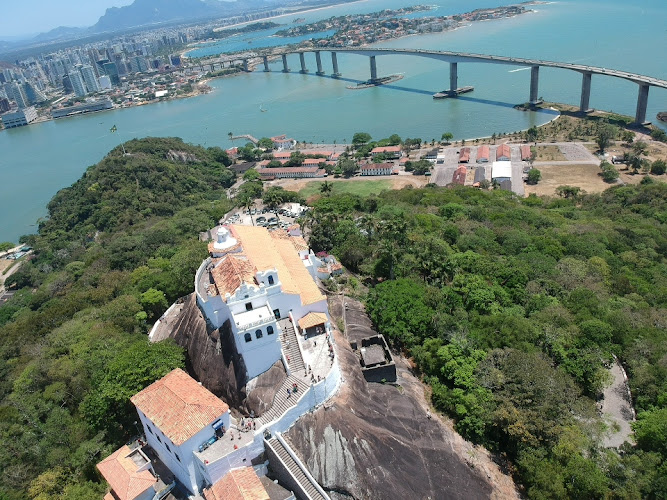
Convento da Penha
Find Accommodations Nearby
Recommended Tours & Activities
Visitor Reviews
There are no reviews yet. Be the first one to write one.
Share Your Experience
Have you visited Pedra da Sereia? Help other travelers by leaving a review.