
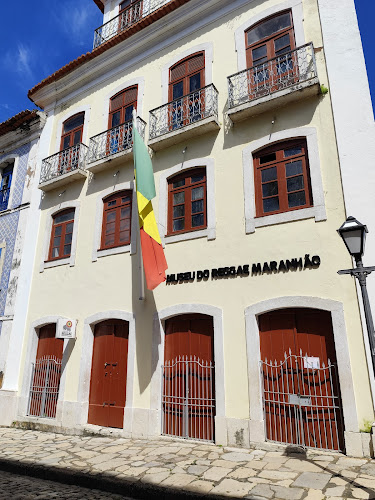
Museu do Reggae Maranhão
About Museu do Reggae Maranhão
Description
Tucked inside the cobbled heart of São Luís’ Historic Center, the Museu do Reggae Maranhão tells a story that hums with rhythm and soul. It’s not just a museum—it’s a living, breathing homage to reggae culture in Brazil. And believe it or not, it’s the first reggae-themed museum outside Jamaica and only the second in the world. That’s huge for a city that proudly calls itself the “Brazilian Jamaica.” You can feel that connection the moment you walk in. The air practically vibrates with the basslines of Bob Marley, Gregory Isaacs, and the local legends who turned reggae into a cultural heartbeat of Maranhão.
The museum isn’t massive, but it’s packed with treasures. Old vinyl records, vintage posters, and even the first “radiola” (a kind of reggae sound system) from the state are showcased here. Each artifact has a story—some told through photos, others through the voices of locals whose lives have been shaped by reggae. It’s one of those places where you don’t just see history; you feel it. I remember walking through and catching myself swaying to the beat playing softly in the background. It’s impossible not to.
What makes this place stand out is how it merges Jamaican roots with Brazilian identity. The museum celebrates pioneers who brought the sound of Kingston to São Luís, transforming it into something uniquely local. The curators have done a beautiful job of making the space inclusive, too. It’s family-friendly, LGBTQ+ friendly, and even has accessible restrooms for visitors with mobility needs. It’s not perfect—parking can be tricky, and it’s not the biggest museum—but it’s got heart, and that’s what keeps people coming back.
Key Features
- Authentic reggae memorabilia: Rare records, photographs, and instruments that trace reggae’s journey from Jamaica to Maranhão.
- Live performances: Occasionally, the museum hosts small shows and jam sessions that bring the exhibits to life.
- Interactive storytelling: Audio and visual installations let visitors experience reggae’s evolution in a deeply personal way.
- Inclusive environment: A safe space for everyone—families, kids, LGBTQ+ visitors, and travelers seeking cultural connection.
- On-site café: A cozy spot to grab a coffee or snack while soaking in the museum’s laid-back atmosphere.
- Historic setting: Located in a beautifully preserved colonial building surrounded by colorful facades and street art.
- Educational programs: Workshops and talks that explore reggae’s social and cultural impact in Maranhão.
One of my favorite moments was watching a group of teenagers learning about the roots of reggae from a local guide who clearly adored the music. There was laughter, a few off-beat dance moves, and a real sense of pride. That’s the kind of energy this museum cultivates—it’s not stiff or overly academic. It’s alive.
Best Time to Visit
If you’re planning a trip, aim for the dry season between June and December. The weather is pleasant, the streets are lively, and the reggae scene spills into the open-air bars and plazas nearby. Visiting during the São João festivities in June is also a treat—you’ll get to see reggae blending with traditional maranhense rhythms in a way that’s pure magic.
Weekdays are generally quieter, which means you can take your time with the exhibits and chat with the staff. They’re incredibly friendly and often share stories you won’t find on any placard. Weekends, on the other hand, bring a bit more buzz—sometimes even spontaneous dance sessions outside the museum. And if you’re the kind of traveler who loves people-watching, that’s the perfect time to go.
How to Get There
Reaching the museum is pretty straightforward if you’re staying in the Historic Center of São Luís. Most hotels and guesthouses are within walking distance. The streets are narrow and picturesque, lined with colonial buildings and reggae bars that seem to echo the music you’ll later hear inside the museum. If you’re coming from other parts of the city, taxis and rideshare apps are the easiest options. Public buses also stop nearby, though the routes can be a bit confusing for first-time visitors.
I’d recommend wearing comfortable shoes—the cobblestones can be uneven, and you’ll likely want to wander around the neighborhood afterward. The area itself is worth exploring, with its mix of art galleries, local craft shops, and tiny cafés that serve strong coffee and sweet coconut treats. It’s the kind of place that invites you to slow down and just let the rhythm of the city sink in.
Tips for Visiting
A few things I wish I’d known before my first visit: bring cash for the small entrance fee and the café, as card machines can occasionally be down. The museum isn’t huge, so an hour or two is enough to see everything, but don’t rush it—half the joy is in the details. Look closely at the photos, the handwritten notes, the worn-out record covers. They tell stories of love, resistance, and joy that shaped an entire cultural identity.
- Try to visit in the morning when it’s cooler and less crowded.
- Take a guided tour if available—the guides are passionate locals who add depth and humor to the experience.
- Photography is usually allowed, but always ask before snapping pictures of certain exhibits.
- Check the museum’s social media or local listings for live events—they sometimes host reggae nights that spill into the street.
- Bring a hat and water if you plan to explore the surrounding area afterward; the tropical sun can be intense.
If you’re traveling with kids, they’ll love the music and colorful visuals. And for solo travelers like me, it’s a great place to meet people who share a love for reggae and culture. I once ended up chatting with a local DJ who told me about how reggae became the soundtrack of São Luís in the 1980s. That conversation alone was worth the visit.
What strikes most visitors is how deeply reggae is woven into the fabric of Maranhão’s identity. It’s not just imported music—it’s been reinterpreted, localized, and embraced as a symbol of unity. The museum captures that transformation beautifully. It’s small, yes, but mighty in spirit. And when you step outside after your visit, hearing the faint echo of reggae rhythms from a nearby bar, you realize that this isn’t just a museum about music—it’s a museum about people, passion, and the power of sound to connect worlds.
So, if you’re ever in São Luís and want to experience something authentic, meaningful, and a little bit unexpected, make your way to the Museu do Reggae Maranhão. Take your time, let the music guide you, and don’t be surprised if you leave with a little rhythm in your step.
Key Features
- Try to visit in the morning when it’s cooler and less crowded.
- Take a guided tour if available—the guides are passionate locals who add depth and humor to the experience.
- Photography is usually allowed, but always ask before snapping pictures of certain exhibits.
- Check the museum’s social media or local listings for live events—they sometimes host reggae nights that spill into the street.
- Bring a hat and water if you plan to explore the surrounding area afterward; the tropical sun can be intense.
More Details
Updated October 10, 2025
Table of Contents
Description
Tucked inside the cobbled heart of São Luís’ Historic Center, the Museu do Reggae Maranhão tells a story that hums with rhythm and soul. It’s not just a museum—it’s a living, breathing homage to reggae culture in Brazil. And believe it or not, it’s the first reggae-themed museum outside Jamaica and only the second in the world. That’s huge for a city that proudly calls itself the “Brazilian Jamaica.” You can feel that connection the moment you walk in. The air practically vibrates with the basslines of Bob Marley, Gregory Isaacs, and the local legends who turned reggae into a cultural heartbeat of Maranhão.
The museum isn’t massive, but it’s packed with treasures. Old vinyl records, vintage posters, and even the first “radiola” (a kind of reggae sound system) from the state are showcased here. Each artifact has a story—some told through photos, others through the voices of locals whose lives have been shaped by reggae. It’s one of those places where you don’t just see history; you feel it. I remember walking through and catching myself swaying to the beat playing softly in the background. It’s impossible not to.
What makes this place stand out is how it merges Jamaican roots with Brazilian identity. The museum celebrates pioneers who brought the sound of Kingston to São Luís, transforming it into something uniquely local. The curators have done a beautiful job of making the space inclusive, too. It’s family-friendly, LGBTQ+ friendly, and even has accessible restrooms for visitors with mobility needs. It’s not perfect—parking can be tricky, and it’s not the biggest museum—but it’s got heart, and that’s what keeps people coming back.
Key Features
- Authentic reggae memorabilia: Rare records, photographs, and instruments that trace reggae’s journey from Jamaica to Maranhão.
- Live performances: Occasionally, the museum hosts small shows and jam sessions that bring the exhibits to life.
- Interactive storytelling: Audio and visual installations let visitors experience reggae’s evolution in a deeply personal way.
- Inclusive environment: A safe space for everyone—families, kids, LGBTQ+ visitors, and travelers seeking cultural connection.
- On-site café: A cozy spot to grab a coffee or snack while soaking in the museum’s laid-back atmosphere.
- Historic setting: Located in a beautifully preserved colonial building surrounded by colorful facades and street art.
- Educational programs: Workshops and talks that explore reggae’s social and cultural impact in Maranhão.
One of my favorite moments was watching a group of teenagers learning about the roots of reggae from a local guide who clearly adored the music. There was laughter, a few off-beat dance moves, and a real sense of pride. That’s the kind of energy this museum cultivates—it’s not stiff or overly academic. It’s alive.
Best Time to Visit
If you’re planning a trip, aim for the dry season between June and December. The weather is pleasant, the streets are lively, and the reggae scene spills into the open-air bars and plazas nearby. Visiting during the São João festivities in June is also a treat—you’ll get to see reggae blending with traditional maranhense rhythms in a way that’s pure magic.
Weekdays are generally quieter, which means you can take your time with the exhibits and chat with the staff. They’re incredibly friendly and often share stories you won’t find on any placard. Weekends, on the other hand, bring a bit more buzz—sometimes even spontaneous dance sessions outside the museum. And if you’re the kind of traveler who loves people-watching, that’s the perfect time to go.
How to Get There
Reaching the museum is pretty straightforward if you’re staying in the Historic Center of São Luís. Most hotels and guesthouses are within walking distance. The streets are narrow and picturesque, lined with colonial buildings and reggae bars that seem to echo the music you’ll later hear inside the museum. If you’re coming from other parts of the city, taxis and rideshare apps are the easiest options. Public buses also stop nearby, though the routes can be a bit confusing for first-time visitors.
I’d recommend wearing comfortable shoes—the cobblestones can be uneven, and you’ll likely want to wander around the neighborhood afterward. The area itself is worth exploring, with its mix of art galleries, local craft shops, and tiny cafés that serve strong coffee and sweet coconut treats. It’s the kind of place that invites you to slow down and just let the rhythm of the city sink in.
Tips for Visiting
A few things I wish I’d known before my first visit: bring cash for the small entrance fee and the café, as card machines can occasionally be down. The museum isn’t huge, so an hour or two is enough to see everything, but don’t rush it—half the joy is in the details. Look closely at the photos, the handwritten notes, the worn-out record covers. They tell stories of love, resistance, and joy that shaped an entire cultural identity.
- Try to visit in the morning when it’s cooler and less crowded.
- Take a guided tour if available—the guides are passionate locals who add depth and humor to the experience.
- Photography is usually allowed, but always ask before snapping pictures of certain exhibits.
- Check the museum’s social media or local listings for live events—they sometimes host reggae nights that spill into the street.
- Bring a hat and water if you plan to explore the surrounding area afterward; the tropical sun can be intense.
If you’re traveling with kids, they’ll love the music and colorful visuals. And for solo travelers like me, it’s a great place to meet people who share a love for reggae and culture. I once ended up chatting with a local DJ who told me about how reggae became the soundtrack of São Luís in the 1980s. That conversation alone was worth the visit.
What strikes most visitors is how deeply reggae is woven into the fabric of Maranhão’s identity. It’s not just imported music—it’s been reinterpreted, localized, and embraced as a symbol of unity. The museum captures that transformation beautifully. It’s small, yes, but mighty in spirit. And when you step outside after your visit, hearing the faint echo of reggae rhythms from a nearby bar, you realize that this isn’t just a museum about music—it’s a museum about people, passion, and the power of sound to connect worlds.
So, if you’re ever in São Luís and want to experience something authentic, meaningful, and a little bit unexpected, make your way to the Museu do Reggae Maranhão. Take your time, let the music guide you, and don’t be surprised if you leave with a little rhythm in your step.
Key Highlights
- Try to visit in the morning when it’s cooler and less crowded.
- Take a guided tour if available—the guides are passionate locals who add depth and humor to the experience.
- Photography is usually allowed, but always ask before snapping pictures of certain exhibits.
- Check the museum’s social media or local listings for live events—they sometimes host reggae nights that spill into the street.
- Bring a hat and water if you plan to explore the surrounding area afterward; the tropical sun can be intense.
Location
Places to Stay Near Museu do Reggae Maranhão
Find and Book a Tour
Explore More Travel Guides
No reviews found! Be the first to review!
Traveler Reviews for Museu do Reggae Maranhão
There are no reviews yet. Be the first one to write one.
Have you visited Museu do Reggae Maranhão? Help other travelers by sharing your review.
You Might Also Like

Mercado das Tulhas

ibis Sao Luis
TRAJANO BEACH (Prainha do Trajano)
Find Accommodations Nearby
Recommended Tours & Activities
Visitor Reviews
There are no reviews yet. Be the first one to write one.
Share Your Experience
Have you visited Museu do Reggae Maranhão? Help other travelers by leaving a review.