

Igreja de Nossa Senhora dos Remédios
About Igreja de Nossa Senhora dos Remédios
Description
The Igreja de Nossa Senhora dos Remédios in São Luís, Maranhão, is one of those places that quietly takes your breath away before you even realize it. It’s not the kind of church that shouts for attention with sheer size or over-the-top grandeur. Instead, it has this calm, almost poetic presence that feels deeply rooted in the city’s rhythm. I remember walking up to it on a warm afternoon — the air heavy with the scent of sea salt and old stone — and feeling that strange mix of peace and nostalgia that only historic places can stir up. The church stands as both a place of devotion and a slice of São Luís’ layered history, where colonial architecture meets the pulse of everyday life.
Architecturally, it’s a gem. The façade, with its soft-toned walls and traditional Portuguese influence, reflects the charm of the city’s historic center. Inside, sunlight filters through arched windows, catching the glint of gilded details and the blue-and-white azulejos that tell their own quiet stories. The atmosphere is peaceful — not silent, but serene — filled with the faint echo of footsteps and whispered prayers. It’s easy to see why locals hold it close to their hearts, and why travelers often linger longer than planned. The church isn’t just a monument; it’s a living piece of faith and culture, still very much part of the community’s daily rhythm.
What makes it particularly special is how accessible and welcoming it feels. Whether you’re there for spiritual reasons, architectural curiosity, or just to take a break from the sun, the space invites you in. There’s something grounding about sitting inside, watching the light shift across the tiled floor, feeling the cool air after walking the cobbled streets outside. It’s not perfect — some parts show their age, a few corners could use a bit of restoration — but that’s part of its charm. The imperfections make it real, a reminder that history isn’t something frozen in time.
Key Features
- Colonial Architecture: The church showcases classic 18th-century design, with ornate details and a distinctly Portuguese influence that ties it to São Luís’ colonial past.
- Interior Artwork: Beautiful azulejos (traditional ceramic tiles) line sections of the interior, depicting religious scenes and floral motifs in blue and white.
- Peaceful Ambience: Despite being in the city center, the church offers a quiet refuge from the bustling streets outside.
- Accessibility: The site is equipped with wheelchair-accessible entrances, restrooms, and parking, making it inclusive for all visitors.
- Community Connection: Still an active place of worship, it hosts regular masses and local religious events that give travelers a glimpse into the region’s living traditions.
- Photographic Appeal: The soft natural light and intricate architectural details make it a favorite spot for photographers and history enthusiasts alike.
Best Time to Visit
If there’s one thing I’ve learned from exploring churches across Brazil, it’s that timing changes everything. The Igreja de Nossa Senhora dos Remédios is open year-round, but mornings are magical. The sunlight spills through the windows, painting the interior in warm, golden hues. Early hours also mean fewer people, so you can really take in the details — the carvings, the faint scent of incense, the echo of your own footsteps. If you’re more into immersing yourself in local culture, visiting during religious festivities — particularly around Marian celebrations — is a whole different experience. The energy shifts, the community gathers, and the church becomes alive with music, prayer, and color.
Weather-wise, São Luís has that tropical charm — warm and humid most of the year. The dry season, from June to December, is probably the best window for a comfortable visit. The skies are clearer, and the city feels a bit more relaxed. I’d personally avoid the peak of the rainy season (February to May), not because the church isn’t lovely then, but because getting around the city can be a bit of a soggy adventure. Still, if you love moody skies and the sound of rain on old tiles, it’s a beautiful time in its own right.
How to Get There
Getting to the Igreja de Nossa Senhora dos Remédios is fairly straightforward, especially if you’re already exploring the historic center of São Luís. The church sits within walking distance of many of the city’s main attractions, so you can easily include it in a day of exploring. If you’re staying in one of the nearby hotels or guesthouses, a short walk through the cobblestone streets will get you there — and honestly, that stroll is half the experience. The colonial architecture, the pastel-colored façades, the rhythm of local life — it all builds up to the quiet beauty of the church itself.
For those coming from farther out, taxis and ride-hailing apps are reliable and affordable options. Public transport also serves the area, though it can be a bit of a puzzle for first-time visitors. If you’re driving, parking is available nearby, and the church’s accessibility features make it easy for everyone to visit comfortably. I once took a local bus just for the fun of it — a bit chaotic, sure, but it gave me a glimpse into daily life in São Luís that I wouldn’t have gotten otherwise. Sometimes the journey is as memorable as the destination.
Tips for Visiting
Here’s the thing about visiting places like this — they’re not just tourist spots; they’re living, breathing parts of a community. So a little mindfulness goes a long way. Dress modestly, especially if you plan to attend mass or enter during a service. It’s a sign of respect, and you’ll blend in better with locals. Photography is usually allowed, but always check for signs or ask before snapping pictures during religious ceremonies. I once made that mistake at another church — cue the gentle but firm look from a local parishioner — lesson learned.
Bring a bottle of water and maybe a small fan if you’re visiting during the hotter months. The interior stays relatively cool, but the walk there can be warm. If you’re into history or architecture, take your time — really look at the details. The tiles, the carvings, even the way the light hits the altar — it all tells a story. And if you’re lucky enough to chat with a local caretaker or parish member, do it. They often have the best stories — the kind you won’t find in any guidebook.
One thing I always recommend is to sit for a few minutes before leaving. Let the quiet sink in. Listen to the faint hum of the city outside and the stillness within. That’s when the magic of the Igreja de Nossa Senhora dos Remédios really hits you — not in the photos you’ll take, but in that fleeting, peaceful moment when time seems to slow down.
And here’s a small insider tip: visit in the late afternoon if you can. The way the sunlight hits the church’s façade just before sunset is something else. It turns the walls a soft golden color, and the whole place feels almost suspended in time. It’s the perfect moment to pause, take a breath, and appreciate how places like this — humble yet extraordinary — keep the soul of a city alive.
So whether you’re a history buff, a spiritual traveler, or just someone who loves discovering hidden corners of the world, the Igreja de Nossa Senhora dos Remédios is worth your time. It’s peaceful, full of character, and deeply human — the kind of place that leaves you a little quieter, a little more thoughtful, and maybe even a little changed.
Key Features
- Key Features
- Best Time to Visit
- How to Get There
- Tips for Visiting
More Details
Updated October 10, 2025
Table of Contents
- Description
- Key Features
- Best Time to Visit
- How to Get There
- Tips for Visiting
- Key Highlights
- Location
- Places to Stay Near Igreja de Nossa Senhora dos Remédios
- Find and Book a Tour
- Explore More Travel Guides
- Nearby Places You Might Like
- Traveler Reviews for Igreja de Nossa Senhora dos Remédios
- Share Your Experience
Description
The Igreja de Nossa Senhora dos Remédios in São Luís, Maranhão, is one of those places that quietly takes your breath away before you even realize it. It’s not the kind of church that shouts for attention with sheer size or over-the-top grandeur. Instead, it has this calm, almost poetic presence that feels deeply rooted in the city’s rhythm. I remember walking up to it on a warm afternoon — the air heavy with the scent of sea salt and old stone — and feeling that strange mix of peace and nostalgia that only historic places can stir up. The church stands as both a place of devotion and a slice of São Luís’ layered history, where colonial architecture meets the pulse of everyday life.
Architecturally, it’s a gem. The façade, with its soft-toned walls and traditional Portuguese influence, reflects the charm of the city’s historic center. Inside, sunlight filters through arched windows, catching the glint of gilded details and the blue-and-white azulejos that tell their own quiet stories. The atmosphere is peaceful — not silent, but serene — filled with the faint echo of footsteps and whispered prayers. It’s easy to see why locals hold it close to their hearts, and why travelers often linger longer than planned. The church isn’t just a monument; it’s a living piece of faith and culture, still very much part of the community’s daily rhythm.
What makes it particularly special is how accessible and welcoming it feels. Whether you’re there for spiritual reasons, architectural curiosity, or just to take a break from the sun, the space invites you in. There’s something grounding about sitting inside, watching the light shift across the tiled floor, feeling the cool air after walking the cobbled streets outside. It’s not perfect — some parts show their age, a few corners could use a bit of restoration — but that’s part of its charm. The imperfections make it real, a reminder that history isn’t something frozen in time.
Key Features
- Colonial Architecture: The church showcases classic 18th-century design, with ornate details and a distinctly Portuguese influence that ties it to São Luís’ colonial past.
- Interior Artwork: Beautiful azulejos (traditional ceramic tiles) line sections of the interior, depicting religious scenes and floral motifs in blue and white.
- Peaceful Ambience: Despite being in the city center, the church offers a quiet refuge from the bustling streets outside.
- Accessibility: The site is equipped with wheelchair-accessible entrances, restrooms, and parking, making it inclusive for all visitors.
- Community Connection: Still an active place of worship, it hosts regular masses and local religious events that give travelers a glimpse into the region’s living traditions.
- Photographic Appeal: The soft natural light and intricate architectural details make it a favorite spot for photographers and history enthusiasts alike.
Best Time to Visit
If there’s one thing I’ve learned from exploring churches across Brazil, it’s that timing changes everything. The Igreja de Nossa Senhora dos Remédios is open year-round, but mornings are magical. The sunlight spills through the windows, painting the interior in warm, golden hues. Early hours also mean fewer people, so you can really take in the details — the carvings, the faint scent of incense, the echo of your own footsteps. If you’re more into immersing yourself in local culture, visiting during religious festivities — particularly around Marian celebrations — is a whole different experience. The energy shifts, the community gathers, and the church becomes alive with music, prayer, and color.
Weather-wise, São Luís has that tropical charm — warm and humid most of the year. The dry season, from June to December, is probably the best window for a comfortable visit. The skies are clearer, and the city feels a bit more relaxed. I’d personally avoid the peak of the rainy season (February to May), not because the church isn’t lovely then, but because getting around the city can be a bit of a soggy adventure. Still, if you love moody skies and the sound of rain on old tiles, it’s a beautiful time in its own right.
How to Get There
Getting to the Igreja de Nossa Senhora dos Remédios is fairly straightforward, especially if you’re already exploring the historic center of São Luís. The church sits within walking distance of many of the city’s main attractions, so you can easily include it in a day of exploring. If you’re staying in one of the nearby hotels or guesthouses, a short walk through the cobblestone streets will get you there — and honestly, that stroll is half the experience. The colonial architecture, the pastel-colored façades, the rhythm of local life — it all builds up to the quiet beauty of the church itself.
For those coming from farther out, taxis and ride-hailing apps are reliable and affordable options. Public transport also serves the area, though it can be a bit of a puzzle for first-time visitors. If you’re driving, parking is available nearby, and the church’s accessibility features make it easy for everyone to visit comfortably. I once took a local bus just for the fun of it — a bit chaotic, sure, but it gave me a glimpse into daily life in São Luís that I wouldn’t have gotten otherwise. Sometimes the journey is as memorable as the destination.
Tips for Visiting
Here’s the thing about visiting places like this — they’re not just tourist spots; they’re living, breathing parts of a community. So a little mindfulness goes a long way. Dress modestly, especially if you plan to attend mass or enter during a service. It’s a sign of respect, and you’ll blend in better with locals. Photography is usually allowed, but always check for signs or ask before snapping pictures during religious ceremonies. I once made that mistake at another church — cue the gentle but firm look from a local parishioner — lesson learned.
Bring a bottle of water and maybe a small fan if you’re visiting during the hotter months. The interior stays relatively cool, but the walk there can be warm. If you’re into history or architecture, take your time — really look at the details. The tiles, the carvings, even the way the light hits the altar — it all tells a story. And if you’re lucky enough to chat with a local caretaker or parish member, do it. They often have the best stories — the kind you won’t find in any guidebook.
One thing I always recommend is to sit for a few minutes before leaving. Let the quiet sink in. Listen to the faint hum of the city outside and the stillness within. That’s when the magic of the Igreja de Nossa Senhora dos Remédios really hits you — not in the photos you’ll take, but in that fleeting, peaceful moment when time seems to slow down.
And here’s a small insider tip: visit in the late afternoon if you can. The way the sunlight hits the church’s façade just before sunset is something else. It turns the walls a soft golden color, and the whole place feels almost suspended in time. It’s the perfect moment to pause, take a breath, and appreciate how places like this — humble yet extraordinary — keep the soul of a city alive.
So whether you’re a history buff, a spiritual traveler, or just someone who loves discovering hidden corners of the world, the Igreja de Nossa Senhora dos Remédios is worth your time. It’s peaceful, full of character, and deeply human — the kind of place that leaves you a little quieter, a little more thoughtful, and maybe even a little changed.
Key Highlights
- Key Features
- Best Time to Visit
- How to Get There
- Tips for Visiting
Location
Places to Stay Near Igreja de Nossa Senhora dos Remédios
Find and Book a Tour
Explore More Travel Guides
No reviews found! Be the first to review!
Traveler Reviews for Igreja de Nossa Senhora dos Remédios
There are no reviews yet. Be the first one to write one.
Have you visited Igreja de Nossa Senhora dos Remédios? Help other travelers by sharing your review.
You Might Also Like

Praia de São Marcos

Praia da Ponta D'areia - Península
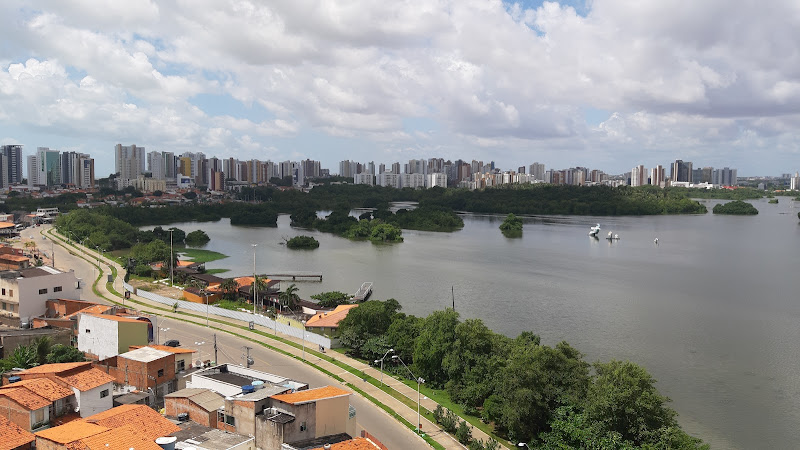
Lagoa da Jansen
Find Accommodations Nearby
Recommended Tours & Activities
Visitor Reviews
There are no reviews yet. Be the first one to write one.
Share Your Experience
Have you visited Igreja de Nossa Senhora dos Remédios? Help other travelers by leaving a review.