
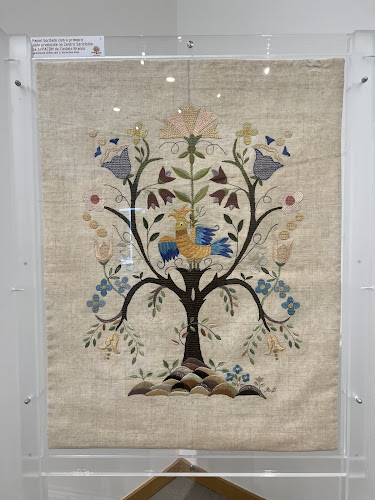
Museu da Seda
About Museu da Seda
Description
The Museu da Seda stands as a fascinating testament to Portugal's rich silk-making heritage. I was absolutely blown away by how this museum manages to tell the complete story of silk production - from the tiniest silkworm to the most luxurious finished textiles. You'll find yourself transported through time as you explore the various exhibits that showcase the intricate art of sericulture and silk manufacturing.Key Features
• Living silkworm exhibition where you can watch these remarkable creatures spin their precious threads (and yes, I spent way too much time mesmerized by these little guys!) • Historical silk-making equipment and machinery that brings the manufacturing process to life • Interactive displays demonstrating traditional weaving techniques • Extensive collection of vintage silk garments and accessories • Educational workshops where visitors can learn about silk production firsthand • Comprehensive exhibits explaining the biological lifecycle of the domestic silk moth • Multi-sensory experiences allowing visitors to touch different silk textures • Detailed historical timeline of Portugal's silk industryBest Time to Visit
From my experience, mornings are ideal for exploring the Museu da Seda, when natural light streams through the windows and illuminates the delicate silk pieces in their full glory. The museum tends to be less crowded during weekday afternoons. Spring months are particularly special - that's when you can witness live silkworm demonstrations at their peak. But honestly? The museum's climate-controlled environment makes it a fantastic year-round destination.How to Get There
The museum is easily accessible by public transportation. If you're taking the bus, several local routes stop within a short walking distance. For those driving, there's convenient parking available right at the museum, including accessible spots. And trust me on this one - even though it might seem a bit tucked away, any taxi driver in town will know exactly where to take you.Tips for Visiting
Listen, I learned this the hard way - make sure to set aside at least two hours to fully appreciate everything. The guided tours are totally worth it (book in advance if you can). Bring your camera because the textile displays are stunning, but remember flash photography isn't allowed near the more delicate exhibits. If you're into hands-on experiences, try timing your visit with one of their weaving workshops - I had a blast attempting to work the looms myself! The museum is wonderfully accessible, with ramps and elevators throughout. Pro tip: don't skip the silkworm breeding area - it's seriously cool watching these little creatures at work. Kids usually love watching the silk-making process, but you might want to bring something to keep younger ones entertained in the historical sections. Oh, and while there's no restaurant on-site, there are plenty of great lunch spots within walking distance. Just remember to keep your hands clean when handling any of the interactive exhibits - silk is pretty delicate stuff! Take advantage of the knowledgeable staff - they're passionate about silk-making and usually have fascinating stories to share. I ended up learning so much more than I expected just by striking up conversations with them. And hey, if you're into sustainable fashion or textile history, you'll definitely want to take notes - this place is a goldmine of information about one of the world's most sustainable natural fibers.Key Features
- Key Features
- Best Time to Visit
- How to Get There
- Tips for Visiting
More Details
Updated May 20, 2025
Table of Contents
Description
The Museu da Seda stands as a fascinating testament to Portugal’s rich silk-making heritage. I was absolutely blown away by how this museum manages to tell the complete story of silk production – from the tiniest silkworm to the most luxurious finished textiles. You’ll find yourself transported through time as you explore the various exhibits that showcase the intricate art of sericulture and silk manufacturing.
Key Features
• Living silkworm exhibition where you can watch these remarkable creatures spin their precious threads (and yes, I spent way too much time mesmerized by these little guys!)
• Historical silk-making equipment and machinery that brings the manufacturing process to life
• Interactive displays demonstrating traditional weaving techniques
• Extensive collection of vintage silk garments and accessories
• Educational workshops where visitors can learn about silk production firsthand
• Comprehensive exhibits explaining the biological lifecycle of the domestic silk moth
• Multi-sensory experiences allowing visitors to touch different silk textures
• Detailed historical timeline of Portugal’s silk industry
Best Time to Visit
From my experience, mornings are ideal for exploring the Museu da Seda, when natural light streams through the windows and illuminates the delicate silk pieces in their full glory. The museum tends to be less crowded during weekday afternoons. Spring months are particularly special – that’s when you can witness live silkworm demonstrations at their peak. But honestly? The museum’s climate-controlled environment makes it a fantastic year-round destination.
How to Get There
The museum is easily accessible by public transportation. If you’re taking the bus, several local routes stop within a short walking distance. For those driving, there’s convenient parking available right at the museum, including accessible spots. And trust me on this one – even though it might seem a bit tucked away, any taxi driver in town will know exactly where to take you.
Tips for Visiting
Listen, I learned this the hard way – make sure to set aside at least two hours to fully appreciate everything. The guided tours are totally worth it (book in advance if you can). Bring your camera because the textile displays are stunning, but remember flash photography isn’t allowed near the more delicate exhibits.
If you’re into hands-on experiences, try timing your visit with one of their weaving workshops – I had a blast attempting to work the looms myself! The museum is wonderfully accessible, with ramps and elevators throughout. Pro tip: don’t skip the silkworm breeding area – it’s seriously cool watching these little creatures at work.
Kids usually love watching the silk-making process, but you might want to bring something to keep younger ones entertained in the historical sections. Oh, and while there’s no restaurant on-site, there are plenty of great lunch spots within walking distance. Just remember to keep your hands clean when handling any of the interactive exhibits – silk is pretty delicate stuff!
Take advantage of the knowledgeable staff – they’re passionate about silk-making and usually have fascinating stories to share. I ended up learning so much more than I expected just by striking up conversations with them. And hey, if you’re into sustainable fashion or textile history, you’ll definitely want to take notes – this place is a goldmine of information about one of the world’s most sustainable natural fibers.
Key Highlights
- Key Features
- Best Time to Visit
- How to Get There
- Tips for Visiting
Location
Places to Stay Near Museu da Seda
Find and Book a Tour
Explore More Travel Guides
No reviews found! Be the first to review!
Traveler Reviews for Museu da Seda
There are no reviews yet. Be the first one to write one.
Have you visited Museu da Seda? Help other travelers by sharing your review.
You Might Also Like

Castelo de Castelo Branco

Kartódromo de Castelo Branco
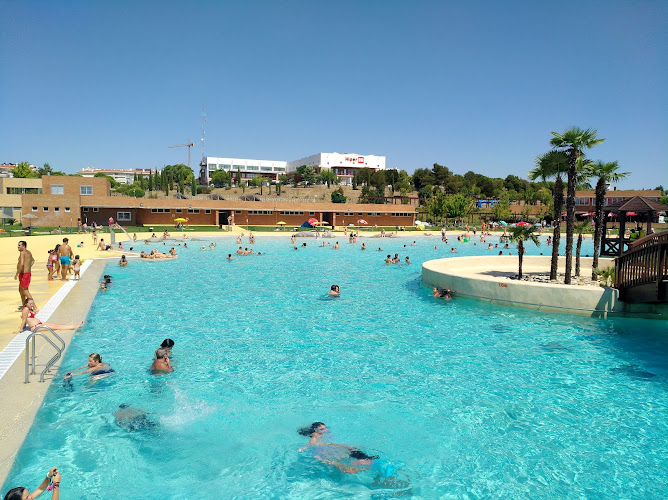
Piscina Praia de Castelo Branco
Find Accommodations Nearby
Recommended Tours & Activities
Visitor Reviews
There are no reviews yet. Be the first one to write one.
Share Your Experience
Have you visited Museu da Seda? Help other travelers by leaving a review.