
Museo Marítimo de Asturias
About Museo Marítimo de Asturias
Description
If you’ve ever wondered what the heartbeat of Asturias sounds like, let me tell you—it’s the rhythm of waves, the clank of old anchor chains, and the whistle of sea winds, all of them tangled together inside the Museo Marítimo de Asturias. This isn’t your run-of-the-mill museum, you know, with stuffy corridors and dusty displays. Sure, there are glass cases and long hallways, but somehow this place brims with life, as if the sea itself keeps whispering stories just within earshot.
Walking in, there’s this rush of salt-air nostalgia. Even if you're not a sailor at heart (listen, I barely survived kayaking that one summer), the place tugs hard at something deep inside. It doesn’t just showcase shiny ships or old-timey ropes. Instead, it wraps you up in tales of fishermen, explorers, merchants, and even a few stormy mishaps—honestly, those bits are my favorite. Some people go for the history, others geek out over the model ships, but for me? It’s those tiny, unexpected details: old nautical maps inked by hand, a fog bell untouched by tourists, the faint echo of sailor songs if you listen closely enough.
And if your kids are like mine—eternally curious and prone to running toward anything shiny—the Museo Marítimo is a literal treasure chest for them. Every corner sparks a hundred questions (prepare yourself), and the exhibitions just keep surprising. But hey, even as an adult with not much maritime know-how, I found myself grinning, caught between a sense of awe and that itch to learn more. Is it perfect? Not quite, but its personality wins you over the way a rough-around-the-edges fisherman does after you share a beer and a story.
Key Features
- Interactive and Live Experiences: They don’t just lock away the past here. Regular live performances and special events animate the history—think music, reenactments, or even model boat demonstrations for the truly curious. Honestly, these moments can be magic.
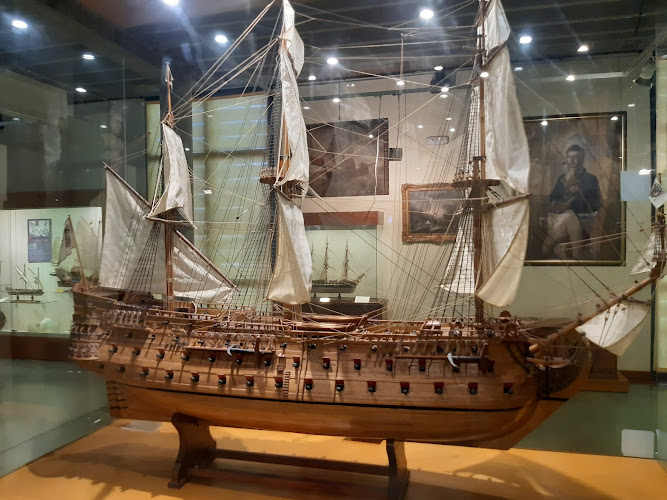
- Vast Nautical Collections: Ship models, compasses, old fishing gear, maritime paintings, sailor suits—honestly, it’s like rummaging through the attic of a seafaring ancestor (if you ever had one, lucky you).
- Accessible for All: Wheelchair users and folks with mobility concerns will find thoughtfully accessible entrances, restrooms, and even parking. You don’t see that everywhere, right?
- Family-Friendly Vibe: From toddlers to grandparents, this spot is built for families. There’s just enough hands-on stuff to keep little ones engaged without that overwhelming ‘theme-park’ feel.
- Expert-Led Tours: Catch a guided visit if you can—the local guides bring a quirky warmth, and you’ll walk away with trivia sure to impress friends at dinner parties.
- Ever-Changing Temporary Exhibits: Don’t assume you’ve seen it all—they’re always rotating fascinating topics, from marine biodiversity to Asturian shipbuilding.
- Peaceful Breaks: Need a moment to soak it all in? Restrooms are available and everything is kept spick-and-span—but you’ll have to grab a coffee elsewhere (no restaurant onsite). Which, you know, is a perfect reason to explore Luanco after your visit.
Best Time to Visit
Alright, let’s get real. Asturias can be temperamental with its weather, but that’s part of the coastal charm, right? Truth be told, you can duck into the Museo Marítimo year-round—rain or shine, it’s a solid plan. Personally, I find those drizzly spring mornings or the cool autumn afternoons the best: fewer crowds, quieter halls, and you’re less likely to have a dozen chatty kids (not yours, of course) darting around.
If you swing by in summer, expect a bit more bustle—tourists pop in for a seaside escape and families take refuge from that rare Asturian heatwave. Bonus: In July and August, their calendar packs in extra events and live performances. But if you thrive on calm and reflection, off-season months—say, late September to May—are pure gold. You might even find yourself wandering rooms solo, which feels like having VIP access, no joke.
Oh, and if you can, check their event schedule before you go. Sometimes a local music group or historical storyteller pops up, and trust me, these little surprises turn a regular day trip into a standout memory.
How to Get There
Let’s break it down. If you’re coming from Gijón or Oviedo, Luanco is just a skip and a jump away—about 30 minutes by car, and the roads wind through some drop-dead gorgeous scenery. I once took the longer coastal route by accident (let’s call it “creative navigation,” not getting lost), and boy, the sea views were worth every extra kilometer.
For those going green or car-less (high five, seriously), hop on a local bus. They connect the region pretty well, and you only need a short stroll from the station to the museum entrance. Can’t beat that salty breeze and the little anticipation as you get closer.
If you’re parking, rejoice—the place is set up for both able-bodied folks and those who need accessible spots. There’s even proper signage, so you aren’t stuck squinting at Google Maps in the drizzle. For the true adventurers, why not walk from the harbor or beach area? The trek isn’t far and, bonus, you’ll soak up Luanco’s quirky blend of old fisher cottages and Atlantic charm (and maybe stumble into a bakery that’ll tempt you with fresh empanadas).
Tips for Visiting
You want more than a quick stroll through? Here’s some real talk, from someone who’s made both rookie and pro moves at museums like this:
- Plan for at least 1–2 hours: The place isn’t gigantic, but you’ll lose yourself in the stories if you let yourself linger. Rushing through would be a mistake; half the fun is poking around the nooks and chatting up staff if you’re brave.
- Brush up on basic Spanish: While a lot of the info is accessible, knowing a few handy phrases will help you wring every last drop out of your visit—guides especially love sharing bonus details with curious (and respectful) folks.
- Bring the kids, but prep them: There are fun hands-on parts, but this isn’t a kids’ science museum. Set a good pace—mix exploration, storytelling, and a few breaks (snacks help, trust me!).
- Keep an eye on temporary exhibits: These change often, so do a quick check before your trip—you might stumble upon a topic that's totally up your alley, like deep-sea exploration or maritime art.
- No café inside, but...: This is the perfect excuse to wander through Luanco after your visit. Even on rainy days, it’s worth grabbing a coffee and soaking up the town’s laid-back vibes—ask a local for the best spot, they love to share.
- Photography: Ask what’s allowed. Nothing kills the mood like being told off mid-snap! Plus, some displays are so detailed you’ll want a reminder for later.
- Mind accessibility needs: If you or anyone with you uses a wheelchair or has mobility concerns, rest easy. Museum staff are patient and facilities are up-to-date. Any concerns? Just call ahead—they’re super accommodating.
- Gift shop alert: Don’t skip this bit. Quirky keepsakes and nautical knickknacks—honestly, I found a tiny compass here that now sits on my desk, reminding me of ocean breezes and one especially determined museum cat (she’s famous, you’ll see).
Museo Marítimo de Asturias isn’t just a building full of artifacts. It’s the salty, heartfelt story of a region that’s lived by, with, and because of the sea. Whether you’re chasing a perfect rainy-day activity, have a soft spot for maritime lore, or just need to spark the imagination in your travel companions, this museum quietly delivers. Take your time, ask questions, and let yourself get whisked away by the stories—you’ll remember them long after you've left the coastline behind.
Key Features
- Key Features
- Best Time to Visit
- How to Get There
- Tips for Visiting
More Details
Updated July 2, 2025
Table of Contents
Description
If you’ve ever wondered what the heartbeat of Asturias sounds like, let me tell you—it’s the rhythm of waves, the clank of old anchor chains, and the whistle of sea winds, all of them tangled together inside the Museo Marítimo de Asturias. This isn’t your run-of-the-mill museum, you know, with stuffy corridors and dusty displays. Sure, there are glass cases and long hallways, but somehow this place brims with life, as if the sea itself keeps whispering stories just within earshot.
Walking in, there’s this rush of salt-air nostalgia. Even if you’re not a sailor at heart (listen, I barely survived kayaking that one summer), the place tugs hard at something deep inside. It doesn’t just showcase shiny ships or old-timey ropes. Instead, it wraps you up in tales of fishermen, explorers, merchants, and even a few stormy mishaps—honestly, those bits are my favorite. Some people go for the history, others geek out over the model ships, but for me? It’s those tiny, unexpected details: old nautical maps inked by hand, a fog bell untouched by tourists, the faint echo of sailor songs if you listen closely enough.
And if your kids are like mine—eternally curious and prone to running toward anything shiny—the Museo Marítimo is a literal treasure chest for them. Every corner sparks a hundred questions (prepare yourself), and the exhibitions just keep surprising. But hey, even as an adult with not much maritime know-how, I found myself grinning, caught between a sense of awe and that itch to learn more. Is it perfect? Not quite, but its personality wins you over the way a rough-around-the-edges fisherman does after you share a beer and a story.
Key Features
- Interactive and Live Experiences: They don’t just lock away the past here. Regular live performances and special events animate the history—think music, reenactments, or even model boat demonstrations for the truly curious. Honestly, these moments can be magic.
- Vast Nautical Collections: Ship models, compasses, old fishing gear, maritime paintings, sailor suits—honestly, it’s like rummaging through the attic of a seafaring ancestor (if you ever had one, lucky you).
- Accessible for All: Wheelchair users and folks with mobility concerns will find thoughtfully accessible entrances, restrooms, and even parking. You don’t see that everywhere, right?
- Family-Friendly Vibe: From toddlers to grandparents, this spot is built for families. There’s just enough hands-on stuff to keep little ones engaged without that overwhelming ‘theme-park’ feel.
- Expert-Led Tours: Catch a guided visit if you can—the local guides bring a quirky warmth, and you’ll walk away with trivia sure to impress friends at dinner parties.
- Ever-Changing Temporary Exhibits: Don’t assume you’ve seen it all—they’re always rotating fascinating topics, from marine biodiversity to Asturian shipbuilding.
- Peaceful Breaks: Need a moment to soak it all in? Restrooms are available and everything is kept spick-and-span—but you’ll have to grab a coffee elsewhere (no restaurant onsite). Which, you know, is a perfect reason to explore Luanco after your visit.
Best Time to Visit
Alright, let’s get real. Asturias can be temperamental with its weather, but that’s part of the coastal charm, right? Truth be told, you can duck into the Museo Marítimo year-round—rain or shine, it’s a solid plan. Personally, I find those drizzly spring mornings or the cool autumn afternoons the best: fewer crowds, quieter halls, and you’re less likely to have a dozen chatty kids (not yours, of course) darting around.
If you swing by in summer, expect a bit more bustle—tourists pop in for a seaside escape and families take refuge from that rare Asturian heatwave. Bonus: In July and August, their calendar packs in extra events and live performances. But if you thrive on calm and reflection, off-season months—say, late September to May—are pure gold. You might even find yourself wandering rooms solo, which feels like having VIP access, no joke.
Oh, and if you can, check their event schedule before you go. Sometimes a local music group or historical storyteller pops up, and trust me, these little surprises turn a regular day trip into a standout memory.
How to Get There
Let’s break it down. If you’re coming from Gijón or Oviedo, Luanco is just a skip and a jump away—about 30 minutes by car, and the roads wind through some drop-dead gorgeous scenery. I once took the longer coastal route by accident (let’s call it “creative navigation,” not getting lost), and boy, the sea views were worth every extra kilometer.
For those going green or car-less (high five, seriously), hop on a local bus. They connect the region pretty well, and you only need a short stroll from the station to the museum entrance. Can’t beat that salty breeze and the little anticipation as you get closer.
If you’re parking, rejoice—the place is set up for both able-bodied folks and those who need accessible spots. There’s even proper signage, so you aren’t stuck squinting at Google Maps in the drizzle. For the true adventurers, why not walk from the harbor or beach area? The trek isn’t far and, bonus, you’ll soak up Luanco’s quirky blend of old fisher cottages and Atlantic charm (and maybe stumble into a bakery that’ll tempt you with fresh empanadas).
Tips for Visiting
You want more than a quick stroll through? Here’s some real talk, from someone who’s made both rookie and pro moves at museums like this:
- Plan for at least 1–2 hours: The place isn’t gigantic, but you’ll lose yourself in the stories if you let yourself linger. Rushing through would be a mistake; half the fun is poking around the nooks and chatting up staff if you’re brave.
- Brush up on basic Spanish: While a lot of the info is accessible, knowing a few handy phrases will help you wring every last drop out of your visit—guides especially love sharing bonus details with curious (and respectful) folks.
- Bring the kids, but prep them: There are fun hands-on parts, but this isn’t a kids’ science museum. Set a good pace—mix exploration, storytelling, and a few breaks (snacks help, trust me!).
- Keep an eye on temporary exhibits: These change often, so do a quick check before your trip—you might stumble upon a topic that’s totally up your alley, like deep-sea exploration or maritime art.
- No café inside, but…: This is the perfect excuse to wander through Luanco after your visit. Even on rainy days, it’s worth grabbing a coffee and soaking up the town’s laid-back vibes—ask a local for the best spot, they love to share.
- Photography: Ask what’s allowed. Nothing kills the mood like being told off mid-snap! Plus, some displays are so detailed you’ll want a reminder for later.
- Mind accessibility needs: If you or anyone with you uses a wheelchair or has mobility concerns, rest easy. Museum staff are patient and facilities are up-to-date. Any concerns? Just call ahead—they’re super accommodating.
- Gift shop alert: Don’t skip this bit. Quirky keepsakes and nautical knickknacks—honestly, I found a tiny compass here that now sits on my desk, reminding me of ocean breezes and one especially determined museum cat (she’s famous, you’ll see).
Museo Marítimo de Asturias isn’t just a building full of artifacts. It’s the salty, heartfelt story of a region that’s lived by, with, and because of the sea. Whether you’re chasing a perfect rainy-day activity, have a soft spot for maritime lore, or just need to spark the imagination in your travel companions, this museum quietly delivers. Take your time, ask questions, and let yourself get whisked away by the stories—you’ll remember them long after you’ve left the coastline behind.
Key Highlights
- Key Features
- Best Time to Visit
- How to Get There
- Tips for Visiting
Location
Places to Stay Near Museo Marítimo de Asturias
Find and Book a Tour
Explore More Travel Guides
No reviews found! Be the first to review!
Traveler Reviews for Museo Marítimo de Asturias
There are no reviews yet. Be the first one to write one.
Have you visited Museo Marítimo de Asturias? Help other travelers by sharing your review.
You Might Also Like

Museum of Navarre

Basílica de la Sagrada Família

Parque de San Amaro
Find Accommodations Nearby
Recommended Tours & Activities
Visitor Reviews
There are no reviews yet. Be the first one to write one.
Share Your Experience
Have you visited Museo Marítimo de Asturias? Help other travelers by leaving a review.