
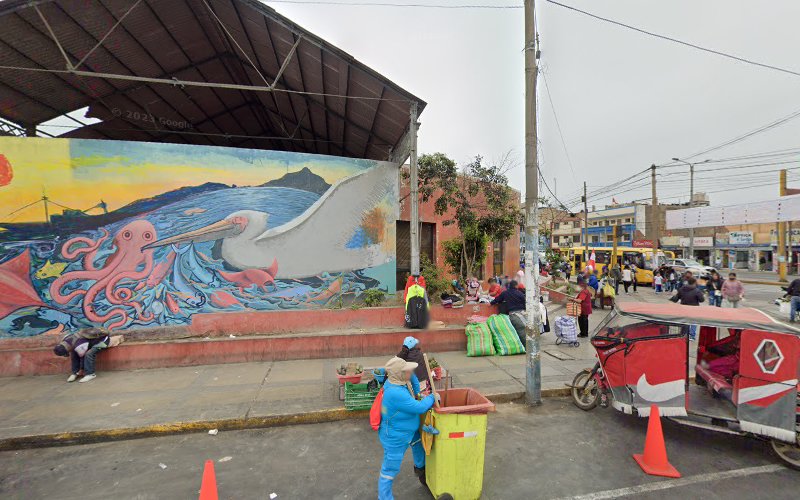
MUSEO DEL EX FERROCARRIL DE CHIMBOTE
About MUSEO DEL EX FERROCARRIL DE CHIMBOTE
Description
The Museo del Ex Ferrocarril de Chimbote stands as a fascinating testament to Peru's railway heritage, tucked away in the port city of Chimbote. This museum occupies what was once a functioning railway station, and honestly, there's something quite moving about walking through spaces where generations of workers and passengers once hustled about their daily business. The building itself carries the weight of history in its weathered walls and preserved architectural details. For travelers seeking an authentic slice of Peruvian industrial history, this museum offers a refreshingly different experience from the typical tourist circuit. You won't find crowds of tour groups here, which I actually think works in its favor. The museum preserves the memory of the railway system that once connected Chimbote to other parts of Peru, playing a crucial role in the region's economic development during the 20th century. The collection isn't enormous, but what it lacks in size it makes up for in authenticity. Original railway equipment, photographs from the golden age of train travel in Peru, and artifacts from the station's operational years create an atmosphere that transports visitors back in time. The museum does a decent job of explaining how railways transformed coastal Peruvian cities like Chimbote, facilitating trade and movement in ways that roads simply couldn't match during those early decades. Walking through the exhibition spaces, you get a real sense of how railway workers lived and operated in this region. And while the museum might not have the polish of larger institutions in Lima or Cusco, there's an understated charm to its presentation. The staff members who maintain this place clearly have a passion for preserving this chapter of local history, even if resources seem limited at times.Key Features
The Museo del Ex Ferrocarril de Chimbote presents several distinctive elements that make it worth visiting:- Original railway station architecture that has been carefully preserved, giving visitors an authentic sense of early-to-mid 20th century railway infrastructure in coastal Peru
- Historic photographs documenting the railway's construction, operation, and the people who worked on the lines over the decades
- Vintage railway equipment and machinery that once kept the trains running, including tools, signaling devices, and other mechanical artifacts
- Exhibition spaces that detail the social and economic impact of the railway on Chimbote's development as a major fishing and industrial port
- Family-friendly environment with facilities that accommodate children, making it suitable for educational visits with young travelers
- Restroom facilities available on-site for visitor convenience
- Documentation of the railway workers' lives, including uniforms, personal items, and stories that humanize the industrial history
- Relatively quiet and uncrowded atmosphere that allows for contemplative exploration at your own pace
Best Time to Visit
Planning your visit to the Museo del Ex Ferrocarril de Chimbote requires considering Chimbote's coastal climate and the museum's operational patterns. The city experiences mild weather year-round, but there are definitely better and worse times to make the trip. The dry season from May through November typically offers the most comfortable conditions for exploring Chimbote and its cultural sites. During these months, you'll encounter less fog and more sunshine, which makes walking around the city more pleasant. The museum itself isn't heavily dependent on weather since it's an indoor attraction, but getting there and exploring the surrounding area certainly is. Weekday mornings often provide the best experience at the museum. You're more likely to have spaces to yourself, which really enhances the reflective quality of the visit. There's something special about standing alone in a former railway station, imagining the bustle that once filled these now-quiet halls. Avoid visiting during major Peruvian holidays unless you've confirmed the museum will be open. Small regional museums like this one sometimes operate on irregular schedules, and showing up on a holiday only to find locked doors would be frustrating after making the journey to Chimbote. If you're visiting Chimbote primarily for the fishing industry or beach activities, consider adding the museum to your itinerary during the middle of the day when the sun is strongest on the coast. The museum provides a nice indoor respite while still offering cultural enrichment. Summer months from December through March bring warmer temperatures and occasional rain, though Chimbote doesn't get nearly as wet as other parts of Peru. But the increased humidity can make walking around less comfortable, so factor that into your planning.How to Get There
Reaching the Museo del Ex Ferrocarril de Chimbote requires first getting to Chimbote itself, which sits along Peru's northern coast about 420 kilometers north of Lima. The journey is part of the adventure, really. Most travelers arrive by bus from Lima, which takes approximately six to seven hours depending on traffic and the specific service you choose. Several bus companies operate this route daily, with options ranging from basic to quite comfortable overnight services. The Panamericana Norte highway connects Lima to Chimbote, and the road conditions are generally decent, though you'll want to choose a reputable bus company for safety and comfort. Once you're in Chimbote, getting to the museum depends on where you're staying. The city isn't huge, but it's spread out enough that walking everywhere isn't always practical. Local taxis are readily available and relatively inexpensive – just make sure to negotiate the fare before getting in, or insist the driver use the meter if one is available. Mototaxis, those three-wheeled motorcycle taxis common throughout coastal Peru, offer another transportation option. They're cheaper than regular taxis but less comfortable and not ideal if you're carrying much luggage or traveling with small children. If you're comfortable with Spanish and feeling adventurous, local buses and colectivos (shared vans) run throughout Chimbote. Ask locals for directions to the old railway station or the museum – most longtime residents will know the location even if they haven't visited recently. For travelers coming from other northern coastal cities like Trujillo or Huaraz, direct bus services to Chimbote are available, though you might need to connect through another city depending on your starting point.Tips for Visiting
Making the most of your visit to the Museo del Ex Ferrocarril de Chimbote requires some practical knowledge and realistic expectations. This isn't a world-class museum with cutting-edge exhibits, and that's perfectly fine once you adjust your expectations accordingly. Bring cash in small bills. The museum likely charges a minimal entrance fee, and payment systems in smaller Peruvian museums rarely include credit card options. Having exact change makes transactions smoother for everyone involved. Don't expect extensive English signage or materials. This museum caters primarily to local visitors and Peruvian tourists, so information is predominantly in Spanish. If your Spanish is limited, consider bringing a translation app on your phone or brushing up on basic railway-related vocabulary beforehand. Better yet, hire a local guide in Chimbote who can accompany you and provide context. Photography is usually permitted in museums like this, but ask before snapping photos, especially of any staff members. Being respectful goes a long way in smaller institutions where visitors might be less frequent. Plan to spend about an hour to ninety minutes at the museum, maybe a bit longer if you're particularly interested in railway history or want to examine everything in detail. This isn't an all-day attraction, so consider combining it with other Chimbote activities like visiting the fishing port or trying the local ceviche, which is honestly some of the freshest you'll find anywhere in Peru. Wear comfortable walking shoes. The museum building might have uneven floors or areas that aren't perfectly maintained, and you'll likely do some walking in the surrounding neighborhood as well. Bring water and snacks since there's no restaurant on-site. Chimbote can get warm, and staying hydrated is important, especially if you're not accustomed to coastal desert climates. If you're traveling with children, the museum is suitable for kids, but bring activities to keep them engaged during less exciting moments. Not every child finds industrial history captivating, and having coloring books or small toys can prevent restlessness. Check current operating hours before making a special trip. Small museums sometimes modify their schedules without much advance notice, and nothing's worse than arriving to find the place unexpectedly closed. Consider visiting the museum as part of a broader exploration of Chimbote's working-class history. The city's fishing industry, steel production, and port activities all connect to the railway's original purpose, and understanding these relationships enriches the museum experience. Talk to the staff if possible. Museum employees at places like this often have personal or family connections to the railway's history and can share stories you won't find in any guidebook. These human connections transform a simple museum visit into something more meaningful. Finally, manage your expectations but keep an open mind. The Museo del Ex Ferrocarril de Chimbote won't blow you away with high-tech exhibits or elaborate presentations. What it offers instead is an authentic, unpretentious look at a piece of Peru's industrial past that most travelers never encounter. And sometimes, those off-the-beaten-path experiences end up being the ones you remember most fondly years later.Key Features
- Historic former railway station building (declared cultural heritage)
- Photographic archives documenting rail and port life
- Railway artifacts: signs, tools, tickets and equipment
- Local-sourced exhibits reflecting community history
- Proximity to Chimbote’s port and central city landmarks
More Details
Updated March 30, 2026
Table of Contents
- Description
- Key Features
- Best Time to Visit
- How to Get There
- Tips for Visiting
- Key Highlights
- Location
- Places to Stay Near MUSEO DEL EX FERROCARRIL DE CHIMBOTE
- Find and Book a Tour
- Explore More Travel Guides
- Nearby Places You Might Like
- Traveler Reviews for MUSEO DEL EX FERROCARRIL DE CHIMBOTE
- Share Your Experience
Description
The Museo del Ex Ferrocarril de Chimbote stands as a fascinating testament to Peru’s railway heritage, tucked away in the port city of Chimbote. This museum occupies what was once a functioning railway station, and honestly, there’s something quite moving about walking through spaces where generations of workers and passengers once hustled about their daily business. The building itself carries the weight of history in its weathered walls and preserved architectural details.
For travelers seeking an authentic slice of Peruvian industrial history, this museum offers a refreshingly different experience from the typical tourist circuit. You won’t find crowds of tour groups here, which I actually think works in its favor. The museum preserves the memory of the railway system that once connected Chimbote to other parts of Peru, playing a crucial role in the region’s economic development during the 20th century.
The collection isn’t enormous, but what it lacks in size it makes up for in authenticity. Original railway equipment, photographs from the golden age of train travel in Peru, and artifacts from the station’s operational years create an atmosphere that transports visitors back in time. The museum does a decent job of explaining how railways transformed coastal Peruvian cities like Chimbote, facilitating trade and movement in ways that roads simply couldn’t match during those early decades.
Walking through the exhibition spaces, you get a real sense of how railway workers lived and operated in this region. And while the museum might not have the polish of larger institutions in Lima or Cusco, there’s an understated charm to its presentation. The staff members who maintain this place clearly have a passion for preserving this chapter of local history, even if resources seem limited at times.
Key Features
The Museo del Ex Ferrocarril de Chimbote presents several distinctive elements that make it worth visiting:
- Original railway station architecture that has been carefully preserved, giving visitors an authentic sense of early-to-mid 20th century railway infrastructure in coastal Peru
- Historic photographs documenting the railway’s construction, operation, and the people who worked on the lines over the decades
- Vintage railway equipment and machinery that once kept the trains running, including tools, signaling devices, and other mechanical artifacts
- Exhibition spaces that detail the social and economic impact of the railway on Chimbote’s development as a major fishing and industrial port
- Family-friendly environment with facilities that accommodate children, making it suitable for educational visits with young travelers
- Restroom facilities available on-site for visitor convenience
- Documentation of the railway workers’ lives, including uniforms, personal items, and stories that humanize the industrial history
- Relatively quiet and uncrowded atmosphere that allows for contemplative exploration at your own pace
Best Time to Visit
Planning your visit to the Museo del Ex Ferrocarril de Chimbote requires considering Chimbote’s coastal climate and the museum’s operational patterns. The city experiences mild weather year-round, but there are definitely better and worse times to make the trip.
The dry season from May through November typically offers the most comfortable conditions for exploring Chimbote and its cultural sites. During these months, you’ll encounter less fog and more sunshine, which makes walking around the city more pleasant. The museum itself isn’t heavily dependent on weather since it’s an indoor attraction, but getting there and exploring the surrounding area certainly is.
Weekday mornings often provide the best experience at the museum. You’re more likely to have spaces to yourself, which really enhances the reflective quality of the visit. There’s something special about standing alone in a former railway station, imagining the bustle that once filled these now-quiet halls.
Avoid visiting during major Peruvian holidays unless you’ve confirmed the museum will be open. Small regional museums like this one sometimes operate on irregular schedules, and showing up on a holiday only to find locked doors would be frustrating after making the journey to Chimbote.
If you’re visiting Chimbote primarily for the fishing industry or beach activities, consider adding the museum to your itinerary during the middle of the day when the sun is strongest on the coast. The museum provides a nice indoor respite while still offering cultural enrichment.
Summer months from December through March bring warmer temperatures and occasional rain, though Chimbote doesn’t get nearly as wet as other parts of Peru. But the increased humidity can make walking around less comfortable, so factor that into your planning.
How to Get There
Reaching the Museo del Ex Ferrocarril de Chimbote requires first getting to Chimbote itself, which sits along Peru’s northern coast about 420 kilometers north of Lima. The journey is part of the adventure, really.
Most travelers arrive by bus from Lima, which takes approximately six to seven hours depending on traffic and the specific service you choose. Several bus companies operate this route daily, with options ranging from basic to quite comfortable overnight services. The Panamericana Norte highway connects Lima to Chimbote, and the road conditions are generally decent, though you’ll want to choose a reputable bus company for safety and comfort.
Once you’re in Chimbote, getting to the museum depends on where you’re staying. The city isn’t huge, but it’s spread out enough that walking everywhere isn’t always practical. Local taxis are readily available and relatively inexpensive – just make sure to negotiate the fare before getting in, or insist the driver use the meter if one is available.
Mototaxis, those three-wheeled motorcycle taxis common throughout coastal Peru, offer another transportation option. They’re cheaper than regular taxis but less comfortable and not ideal if you’re carrying much luggage or traveling with small children.
If you’re comfortable with Spanish and feeling adventurous, local buses and colectivos (shared vans) run throughout Chimbote. Ask locals for directions to the old railway station or the museum – most longtime residents will know the location even if they haven’t visited recently.
For travelers coming from other northern coastal cities like Trujillo or Huaraz, direct bus services to Chimbote are available, though you might need to connect through another city depending on your starting point.
Tips for Visiting
Making the most of your visit to the Museo del Ex Ferrocarril de Chimbote requires some practical knowledge and realistic expectations. This isn’t a world-class museum with cutting-edge exhibits, and that’s perfectly fine once you adjust your expectations accordingly.
Bring cash in small bills. The museum likely charges a minimal entrance fee, and payment systems in smaller Peruvian museums rarely include credit card options. Having exact change makes transactions smoother for everyone involved.
Don’t expect extensive English signage or materials. This museum caters primarily to local visitors and Peruvian tourists, so information is predominantly in Spanish. If your Spanish is limited, consider bringing a translation app on your phone or brushing up on basic railway-related vocabulary beforehand. Better yet, hire a local guide in Chimbote who can accompany you and provide context.
Photography is usually permitted in museums like this, but ask before snapping photos, especially of any staff members. Being respectful goes a long way in smaller institutions where visitors might be less frequent.
Plan to spend about an hour to ninety minutes at the museum, maybe a bit longer if you’re particularly interested in railway history or want to examine everything in detail. This isn’t an all-day attraction, so consider combining it with other Chimbote activities like visiting the fishing port or trying the local ceviche, which is honestly some of the freshest you’ll find anywhere in Peru.
Wear comfortable walking shoes. The museum building might have uneven floors or areas that aren’t perfectly maintained, and you’ll likely do some walking in the surrounding neighborhood as well.
Bring water and snacks since there’s no restaurant on-site. Chimbote can get warm, and staying hydrated is important, especially if you’re not accustomed to coastal desert climates.
If you’re traveling with children, the museum is suitable for kids, but bring activities to keep them engaged during less exciting moments. Not every child finds industrial history captivating, and having coloring books or small toys can prevent restlessness.
Check current operating hours before making a special trip. Small museums sometimes modify their schedules without much advance notice, and nothing’s worse than arriving to find the place unexpectedly closed.
Consider visiting the museum as part of a broader exploration of Chimbote’s working-class history. The city’s fishing industry, steel production, and port activities all connect to the railway’s original purpose, and understanding these relationships enriches the museum experience.
Talk to the staff if possible. Museum employees at places like this often have personal or family connections to the railway’s history and can share stories you won’t find in any guidebook. These human connections transform a simple museum visit into something more meaningful.
Finally, manage your expectations but keep an open mind. The Museo del Ex Ferrocarril de Chimbote won’t blow you away with high-tech exhibits or elaborate presentations. What it offers instead is an authentic, unpretentious look at a piece of Peru’s industrial past that most travelers never encounter. And sometimes, those off-the-beaten-path experiences end up being the ones you remember most fondly years later.
Key Highlights
- Historic former railway station building (declared cultural heritage)
- Photographic archives documenting rail and port life
- Railway artifacts: signs, tools, tickets and equipment
- Local-sourced exhibits reflecting community history
- Proximity to Chimbote’s port and central city landmarks
Location
Places to Stay Near MUSEO DEL EX FERROCARRIL DE CHIMBOTE
Find and Book a Tour
Explore More Travel Guides
No reviews found! Be the first to review!
MUSEO DEL EX FERROCARRIL DE CHIMBOTE is a prominent museums located in Chimbote.
Visit us at: Prolongacion Leoncio Prado 268, Chimbote 02803 페루.
Traveler Reviews for MUSEO DEL EX FERROCARRIL DE CHIMBOTE
There are no reviews yet. Be the first one to write one.
Have you visited MUSEO DEL EX FERROCARRIL DE CHIMBOTE? Help other travelers by sharing your review.
Nearby Attractions
You Might Also Like
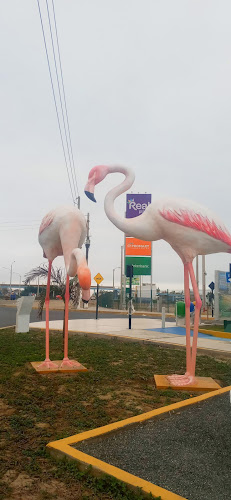
Boulevard El Dorado
Holiday apartment rental
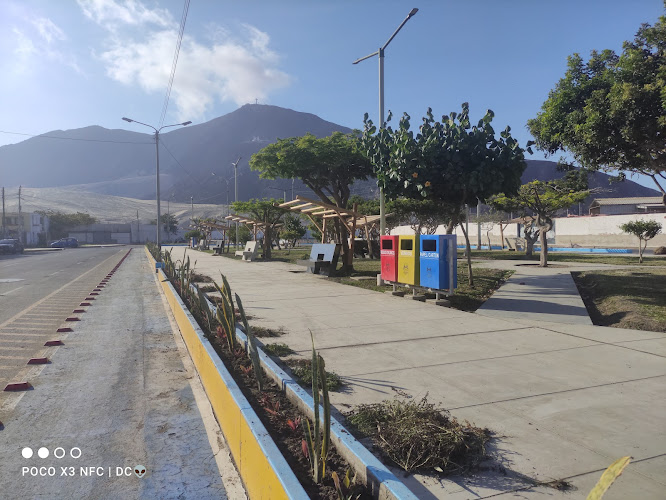
Isla Blanca Boulevard
Find Accommodations Nearby
Recommended Tours & Activities
Visitor Reviews
There are no reviews yet. Be the first one to write one.
Share Your Experience
Have you visited MUSEO DEL EX FERROCARRIL DE CHIMBOTE? Help other travelers by leaving a review.