

Museo del Bicentenario
About Museo del Bicentenario
Description
Step into the heart of Dolores Hidalgo, the famed cuna of Mexico’s independence, and you’ll find the Museo del Bicentenario—a place that has surprised me (and a bunch of other travelers) more than once. You’d think it’s just another stop on the grand independence tour, but nope. The museum nails the mix of stirring historical narrative and truly human experiences, right from the moment you enter.
Sure, Dolores Hidalgo is brimming with sites tied to Miguel Hidalgo and the grito that started it all, but the Museo del Bicentenario sets itself apart by offering a deeply layered perspective—there’s a sincere effort to explore not just the events of 1810, but the ongoing process of defining what independence means for Mexico today and tomorrow. Each room weaves together political history, culture, and everyday life in a way that doesn’t overwhelm, but actually invites curiosity. You get vivid displays, artifacts (from buttons to banners and all sorts of unexpected treasures), and thoughtful multimedia that manages to make even a reluctant history buff perk up.
Families, history geeks, school groups, or even the casual traveler are catered for. I’m a sucker for museums that remember accessibility matters—here, wheelchair users have safe entrance and restrooms (not as common as it should be in Mexico, in my experience). Come with the kids; they’ll find plenty to touch, see, and—maybe unexpectedly—ask questions about. It’s one of those rare museums in Guanajuato where ‘look but don’t touch’ isn’t the death knell for family fun.
And while the site is dedicated to the central narrative of independence, it doesn’t shy away from tough questions: What did “independencia nacional” mean for women, for Indigenous pueblos, or for rural life? The curation is refreshingly honest, a bit like chatting with your sharpest, most down-to-earth friend who refuses to sugarcoat the past. You’ll walk out feeling the weight of history, but maybe refreshed by the humor and creative spirit that pulses throughout Dolores Hidalgo.
I remember visiting on a humid September day—locals everywhere, energy buzzing because of the fiestas patrias—and the museum offered both a respite and a deeper dive into all the events swirling around town. While some will breeze through in under an hour, others will (like me) get hooked on the details and lose track of time. It’s not perfect—some labels could use more English translation for international visitors, and don’t come hungry because food options aren’t on site—but it feels genuinely alive. If you think you know the “independencia México” story, this museum might just prove you wrong, or at least give you a few new perspectives to chew on.
Key Features
- Comprehensive Exhibitions: Spanning the start of the independence movement to modern times, the museo del bicentenario includes rare artifacts, documents, and clever interactive exposiciones that don’t talk down to visitors.
- Family-Friendly Experience: Thoughtful details for kids—yes, it’s a good for kids museum—and a surprising number of exhibits that truly invite hands-on exploration. It’s a great stop for curious young minds or family trips to Dolores Hidalgo.
- Accessibility: Wheelchair-accessible entrances and restrooms make it one of the more inclusive museum sites in the region of Guanajuato.
- Museum Ambiance: Housed near the historic plaza principal, there’s this vibe—part municipal pride, part living history—every time you step inside. Audio-visual elements bring the independence struggle into sharp, relatable focus.
- Contextualized History: The narrative here widens out from just the famous personajes like Miguel Hidalgo and Ignacio Allende, offering a window into the many less-told stories—the voices of ordinary citizens, students, mariachis, and artisans who lived and shaped Dolores Hidalgo.
- Location: Right off plaza principal, the museum couldn’t be more central. It’s the sort of place you can swing by after sampling nieve or before a stroll past the iglesia—or use as a base to plan a deeper city tour.
- Events and Temporary Shows: There’s a steady pulse of changing exposiciones—sometimes focused on Mexican ceramics, sometimes on José Alfredo Jiménez (the legendary singer-songwriter from here), occasionally on modern social movements. Keep an eye out for special events if your travel dates are flexible.
- Restrooms: Practical detail, but essential. The site has clean, accessible restrooms—rare in historic centers in my experience.
Best Time to Visit
Now, I’ll be real with you—the best time to visit is either during the run-up to September 16 (Mexico’s Independence Day) or smack in the middle of weekday mornings. If you land in town for fiestas patrias, just roll with the crowds—yes, it’s more packed, but the atmosphere is pure adrenaline. You’ll catch special events, temporary exhibitions, and possibly witness Dolores Hidalgo locals debating the finer points of history in the plaza principal (that alone is worth the trip for an eavesdropper like me).
Otherwise, consider visiting between midweek and early afternoon. You’ll dodge the weekend rush; school groups and tour buses tend to swarm later in the day. Plus, the softer morning light spilling in through the windows somehow makes all those old documents and paintings feel less musty, more inviting. On rainy season days (June to September), the museum becomes your sanctuary from an epic Guanajuato summer downpour—been there, dry and grateful!
If you’re a serious fan of Mexican history or hoping to see one of those rotating special exposiciones, check ahead to see what’s on. But honestly, even in the “off” months, the permanent collection keeps you plenty busy.
How to Get There
If you’re arriving from Guanajuato city, San Miguel de Allende, or even León, Dolores Hidalgo is right at the crossroads of some of the most beloved rutas in central México. Buses and private taxis easily drop you in Centro. Once you’re in town, you’re just steps from the plaza principal—I’m talking a two-minute meander past nieve carts and street musicians before you spot the Museo del Bicentenario’s entrance.
Driving? There’s affordable street parking a few blocks away, but on weekends and around national holidays you’ll need patience (and luck—my last visit, I circled twice before a local waved me into a spot). If you’re walking from the Parroquia de Nuestra Señora de los Dolores, just follow the flow of families and students—almost everyone’s heading toward the bicentenario museum or the nearby artisan shops. The town is flat here, so mobility is rarely an issue unless a fiesta is on and crowds swell.
For travelers coming by local autobus, get off at any stop for the plaza. You seriously can’t miss it; ask anyone for the “museo del bicentenario” and they’ll point the way. And if in doubt, look for the old stone façade—not the grandest building in Dolores Hidalgo, but unmistakably historic in its own quietly proud way.
Tips for Visiting
- Give Yourself Time: Don’t rush. Even if you’re on a whirlwind Guanajuato trip, budget at least an hour—preferably more if you’re into the nitty-gritty of Mexican history or love picking up on little cuna independence anecdotes you won’t find in guidebooks.
- Brush Up On Key Figures: Miguel Hidalgo, Ignacio Allende, José Alfredo Jiménez—they’re more than just street names here. Read a quick bio before visiting; you’ll connect the dots on all those portraits and letters a whole lot faster.
- Travel With Kids? You’ll breathe easier knowing the space is stroller- and wheelchair-friendly. Engage the kids with questions about the artifacts—last time I visited, I overheard a local abuela telling her grandson wild tales about the grito Dolores. Those living voices add a lot to the experience; don’t be shy about starting a chat.
- Snacks and Water: Grab a quick treat or bottled water before entering, since there’s no on-site café or restaurant. But psst—a walk around the plaza after your visit unveils some of the best nieves and street food in the city.
- Photography: Non-flash photography is usually allowed, but be courteous. Some areas (especially with older documents and art) may have restrictions, and staff will let you know.
- Language Barrier? The signage is mostly in Spanish. If you speak just a bit, it’s a perfect “real world” reading exercise. If not, translate apps work if you’re determined—or consider hiring a local guide for deeper context. I personally tried muddling through with my high school Spanish and still walked away with plenty of insight.
- Local Events: Time your trip to coincide with Dolores Hidalgo’s major festivals—fiestas patrias in September, or José Alfredo Jiménez celebrations in November. Museums like this feel electric when the whole cuna is pulsing with pride.
- Accessibility: Use the flat, well-marked entrance for strollers and wheelchairs. And don’t hesitate to ask staff for assistance—they’re often happy to make your visit more comfortable, even if you’re a shy traveler like I am.
- Combine With Other Sites: After visiting, stroll across the plaza principal to see the Parroquia, then swing by the Museo Casa de Hidalgo to compare perspectives. Dolores Hidalgo almost feels like an open-air history classroom, with the Museo del Bicentenario as your best first lesson.
- Share Your Experience: If you get inspired, jot down your thoughts while details are fresh. Reviews from actual visitors are gold for the next curious traveler—and the museum, truthfully, deserves more global love.
In short, if you’re charting a route through Dolores Hidalgo Cuna de la Independencia Nacional, ditch the rushed itinerary, and spend a spell at the Museo del Bicentenario. The city, the history, the people—they all come together in unexpected and memorable ways. And honestly, you just might walk out seeing not just the past, but the energy and contradictions of modern México in a whole new light.
Key Features
- Key Features
- Best Time to Visit
- How to Get There
- Tips for Visiting
More Details
Updated July 12, 2025
Table of Contents
Description
Step into the heart of Dolores Hidalgo, the famed cuna of Mexico’s independence, and you’ll find the Museo del Bicentenario—a place that has surprised me (and a bunch of other travelers) more than once. You’d think it’s just another stop on the grand independence tour, but nope. The museum nails the mix of stirring historical narrative and truly human experiences, right from the moment you enter.
Sure, Dolores Hidalgo is brimming with sites tied to Miguel Hidalgo and the grito that started it all, but the Museo del Bicentenario sets itself apart by offering a deeply layered perspective—there’s a sincere effort to explore not just the events of 1810, but the ongoing process of defining what independence means for Mexico today and tomorrow. Each room weaves together political history, culture, and everyday life in a way that doesn’t overwhelm, but actually invites curiosity. You get vivid displays, artifacts (from buttons to banners and all sorts of unexpected treasures), and thoughtful multimedia that manages to make even a reluctant history buff perk up.
Families, history geeks, school groups, or even the casual traveler are catered for. I’m a sucker for museums that remember accessibility matters—here, wheelchair users have safe entrance and restrooms (not as common as it should be in Mexico, in my experience). Come with the kids; they’ll find plenty to touch, see, and—maybe unexpectedly—ask questions about. It’s one of those rare museums in Guanajuato where ‘look but don’t touch’ isn’t the death knell for family fun.
And while the site is dedicated to the central narrative of independence, it doesn’t shy away from tough questions: What did “independencia nacional” mean for women, for Indigenous pueblos, or for rural life? The curation is refreshingly honest, a bit like chatting with your sharpest, most down-to-earth friend who refuses to sugarcoat the past. You’ll walk out feeling the weight of history, but maybe refreshed by the humor and creative spirit that pulses throughout Dolores Hidalgo.
I remember visiting on a humid September day—locals everywhere, energy buzzing because of the fiestas patrias—and the museum offered both a respite and a deeper dive into all the events swirling around town. While some will breeze through in under an hour, others will (like me) get hooked on the details and lose track of time. It’s not perfect—some labels could use more English translation for international visitors, and don’t come hungry because food options aren’t on site—but it feels genuinely alive. If you think you know the “independencia México” story, this museum might just prove you wrong, or at least give you a few new perspectives to chew on.
Key Features
- Comprehensive Exhibitions: Spanning the start of the independence movement to modern times, the museo del bicentenario includes rare artifacts, documents, and clever interactive exposiciones that don’t talk down to visitors.
- Family-Friendly Experience: Thoughtful details for kids—yes, it’s a good for kids museum—and a surprising number of exhibits that truly invite hands-on exploration. It’s a great stop for curious young minds or family trips to Dolores Hidalgo.
- Accessibility: Wheelchair-accessible entrances and restrooms make it one of the more inclusive museum sites in the region of Guanajuato.
- Museum Ambiance: Housed near the historic plaza principal, there’s this vibe—part municipal pride, part living history—every time you step inside. Audio-visual elements bring the independence struggle into sharp, relatable focus.
- Contextualized History: The narrative here widens out from just the famous personajes like Miguel Hidalgo and Ignacio Allende, offering a window into the many less-told stories—the voices of ordinary citizens, students, mariachis, and artisans who lived and shaped Dolores Hidalgo.
- Location: Right off plaza principal, the museum couldn’t be more central. It’s the sort of place you can swing by after sampling nieve or before a stroll past the iglesia—or use as a base to plan a deeper city tour.
- Events and Temporary Shows: There’s a steady pulse of changing exposiciones—sometimes focused on Mexican ceramics, sometimes on José Alfredo Jiménez (the legendary singer-songwriter from here), occasionally on modern social movements. Keep an eye out for special events if your travel dates are flexible.
- Restrooms: Practical detail, but essential. The site has clean, accessible restrooms—rare in historic centers in my experience.
Best Time to Visit
Now, I’ll be real with you—the best time to visit is either during the run-up to September 16 (Mexico’s Independence Day) or smack in the middle of weekday mornings. If you land in town for fiestas patrias, just roll with the crowds—yes, it’s more packed, but the atmosphere is pure adrenaline. You’ll catch special events, temporary exhibitions, and possibly witness Dolores Hidalgo locals debating the finer points of history in the plaza principal (that alone is worth the trip for an eavesdropper like me).
Otherwise, consider visiting between midweek and early afternoon. You’ll dodge the weekend rush; school groups and tour buses tend to swarm later in the day. Plus, the softer morning light spilling in through the windows somehow makes all those old documents and paintings feel less musty, more inviting. On rainy season days (June to September), the museum becomes your sanctuary from an epic Guanajuato summer downpour—been there, dry and grateful!
If you’re a serious fan of Mexican history or hoping to see one of those rotating special exposiciones, check ahead to see what’s on. But honestly, even in the “off” months, the permanent collection keeps you plenty busy.
How to Get There
If you’re arriving from Guanajuato city, San Miguel de Allende, or even León, Dolores Hidalgo is right at the crossroads of some of the most beloved rutas in central México. Buses and private taxis easily drop you in Centro. Once you’re in town, you’re just steps from the plaza principal—I’m talking a two-minute meander past nieve carts and street musicians before you spot the Museo del Bicentenario’s entrance.
Driving? There’s affordable street parking a few blocks away, but on weekends and around national holidays you’ll need patience (and luck—my last visit, I circled twice before a local waved me into a spot). If you’re walking from the Parroquia de Nuestra Señora de los Dolores, just follow the flow of families and students—almost everyone’s heading toward the bicentenario museum or the nearby artisan shops. The town is flat here, so mobility is rarely an issue unless a fiesta is on and crowds swell.
For travelers coming by local autobus, get off at any stop for the plaza. You seriously can’t miss it; ask anyone for the “museo del bicentenario” and they’ll point the way. And if in doubt, look for the old stone façade—not the grandest building in Dolores Hidalgo, but unmistakably historic in its own quietly proud way.
Tips for Visiting
- Give Yourself Time: Don’t rush. Even if you’re on a whirlwind Guanajuato trip, budget at least an hour—preferably more if you’re into the nitty-gritty of Mexican history or love picking up on little cuna independence anecdotes you won’t find in guidebooks.
- Brush Up On Key Figures: Miguel Hidalgo, Ignacio Allende, José Alfredo Jiménez—they’re more than just street names here. Read a quick bio before visiting; you’ll connect the dots on all those portraits and letters a whole lot faster.
- Travel With Kids? You’ll breathe easier knowing the space is stroller- and wheelchair-friendly. Engage the kids with questions about the artifacts—last time I visited, I overheard a local abuela telling her grandson wild tales about the grito Dolores. Those living voices add a lot to the experience; don’t be shy about starting a chat.
- Snacks and Water: Grab a quick treat or bottled water before entering, since there’s no on-site café or restaurant. But psst—a walk around the plaza after your visit unveils some of the best nieves and street food in the city.
- Photography: Non-flash photography is usually allowed, but be courteous. Some areas (especially with older documents and art) may have restrictions, and staff will let you know.
- Language Barrier? The signage is mostly in Spanish. If you speak just a bit, it’s a perfect “real world” reading exercise. If not, translate apps work if you’re determined—or consider hiring a local guide for deeper context. I personally tried muddling through with my high school Spanish and still walked away with plenty of insight.
- Local Events: Time your trip to coincide with Dolores Hidalgo’s major festivals—fiestas patrias in September, or José Alfredo Jiménez celebrations in November. Museums like this feel electric when the whole cuna is pulsing with pride.
- Accessibility: Use the flat, well-marked entrance for strollers and wheelchairs. And don’t hesitate to ask staff for assistance—they’re often happy to make your visit more comfortable, even if you’re a shy traveler like I am.
- Combine With Other Sites: After visiting, stroll across the plaza principal to see the Parroquia, then swing by the Museo Casa de Hidalgo to compare perspectives. Dolores Hidalgo almost feels like an open-air history classroom, with the Museo del Bicentenario as your best first lesson.
- Share Your Experience: If you get inspired, jot down your thoughts while details are fresh. Reviews from actual visitors are gold for the next curious traveler—and the museum, truthfully, deserves more global love.
In short, if you’re charting a route through Dolores Hidalgo Cuna de la Independencia Nacional, ditch the rushed itinerary, and spend a spell at the Museo del Bicentenario. The city, the history, the people—they all come together in unexpected and memorable ways. And honestly, you just might walk out seeing not just the past, but the energy and contradictions of modern México in a whole new light.
Key Highlights
- Key Features
- Best Time to Visit
- How to Get There
- Tips for Visiting
Location
Places to Stay Near Museo del Bicentenario
Find and Book a Tour
Explore More Travel Guides
No reviews found! Be the first to review!
Traveler Reviews for Museo del Bicentenario
There are no reviews yet. Be the first one to write one.
Have you visited Museo del Bicentenario? Help other travelers by sharing your review.
You Might Also Like
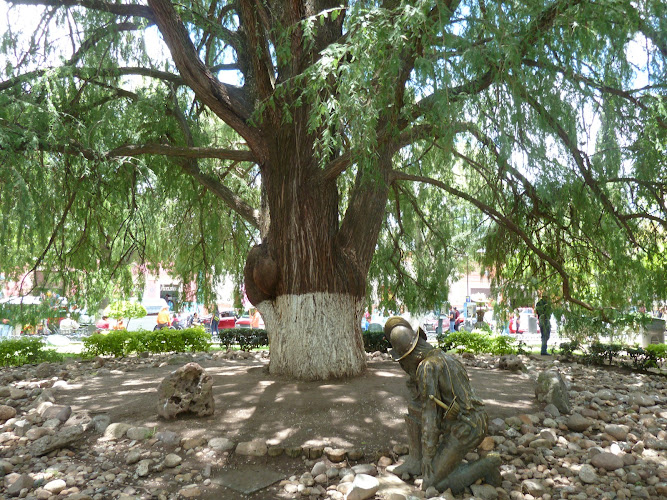
Son of the Sad Night Tree
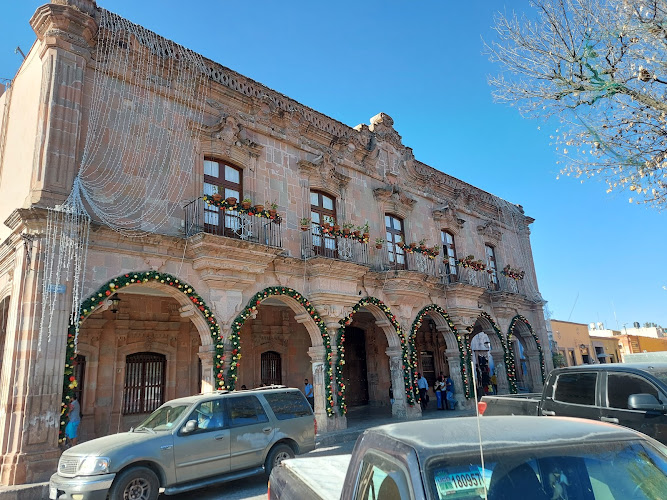
Casa de Visitas
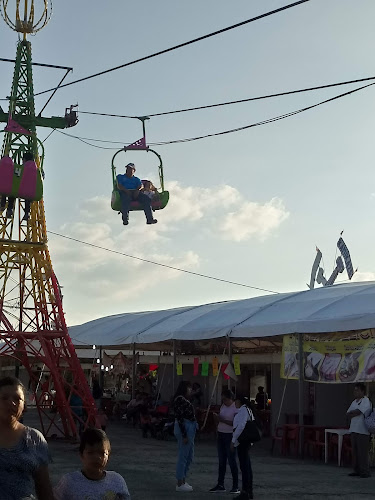
Explanada De La Feria
Find Accommodations Nearby
Recommended Tours & Activities
Visitor Reviews
There are no reviews yet. Be the first one to write one.
Share Your Experience
Have you visited Museo del Bicentenario? Help other travelers by leaving a review.